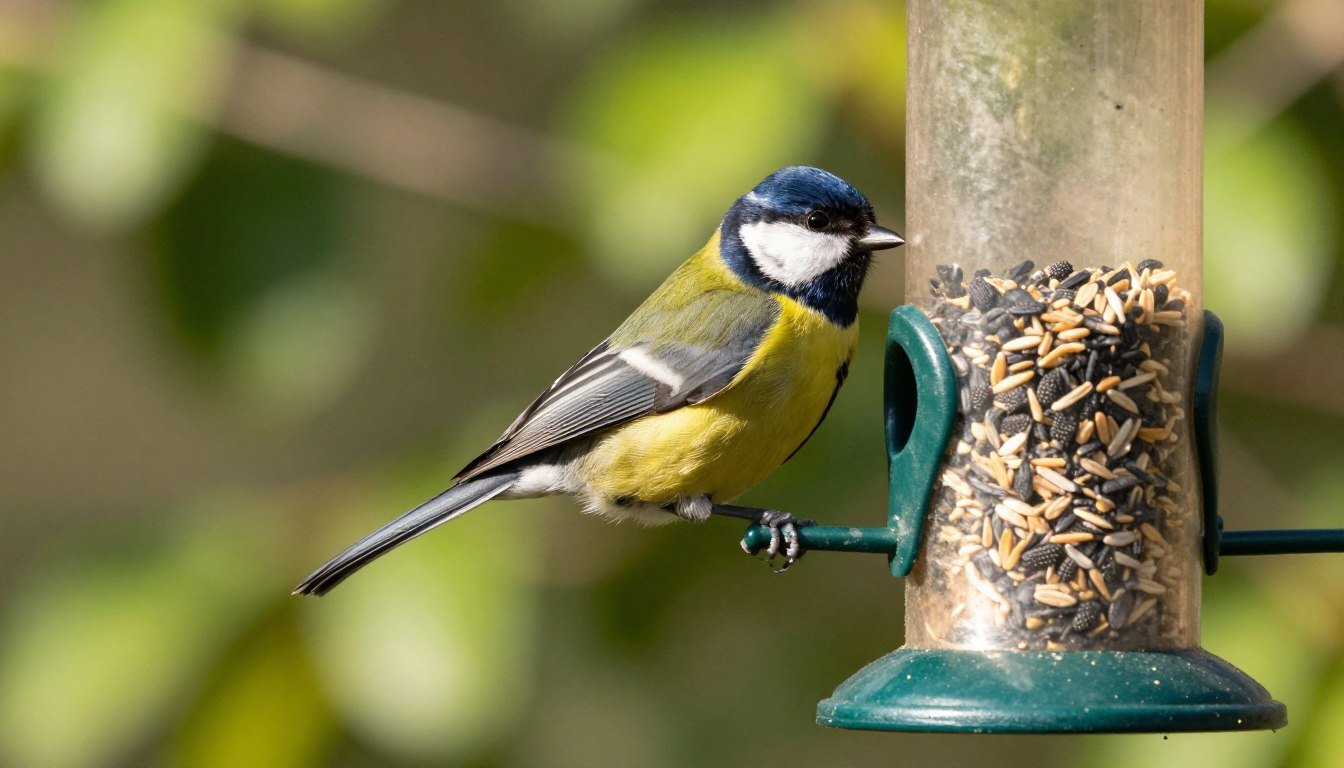
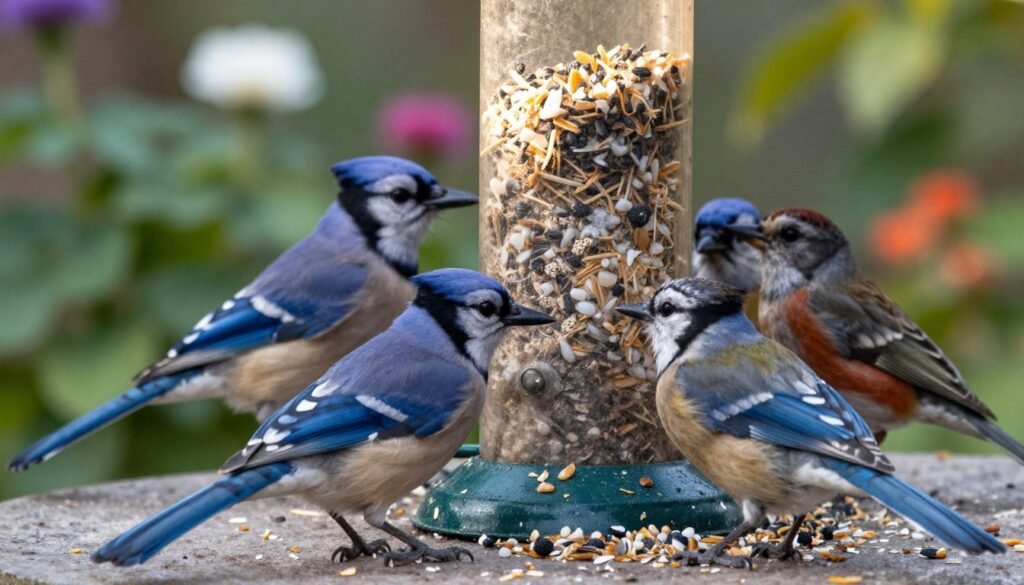
As the breeding season peaks, many species gather at backyard stations and create close contact. This high density makes a single station a hotspot for germs and avian illness.
Salmonella and HPAI (Highly Pathogenic Avian Influenza) can transfer when birds touch the same ports, perches, or trays. You must make sure your station does not become a source of infection for others.
Simple upkeep during winter and migration helps protect visiting birds and keeps food safe. A quick rotation of units and routine care cuts bacterial buildup that can last for weeks.
For practical tools and step-by-step feeder care tips, see this guide on feeder care tips: feeder care tips.
Key Takeaways
- High visitor density raises the risk of disease at a station.
- Routine cleaning and rotating units reduce bacterial and viral spread.
- Watch behavior for a few days to spot signs of infection early.
- Winter and migration times are critical for extra vigilance.
- Simple tools and a short schedule keep food safe for all species.
The Importance of Maintaining Clean Feeders
A backyard feeding station can act like a crowded café, where many birds touch the same spots and infections spread fast.
Anyone who offers food in their garden has a duty to reduce that risk. Birds cannot visit a vet for every illness, so the way you manage your feeder matters for their survival during migration and winter.
Regular upkeep keeps harmful bacteria and flu viruses from taking hold and protects visiting species through the season.
“Feeding birds is a wonderful way to help them fuel up for migration or winter.”
- Keeping feeding points tidy takes little time but yields big health benefits.
- A clean bird station lowers the chance that diseases will spread among visitors.
- Simple routines make your garden a safe stopover during migration.
| Risk | Cause | Quick Fix |
|---|---|---|
| Bacterial buildup | Soiled seed and droppings | Swap and wash weekly |
| Viral spread | Shared perches and ports | Rotate stations and disinfect |
| Starvation risk | Blocked ports or moldy food | Check daily during cold snaps |
For step-by-step guidance, see this feeder care guide, and for disease context consult related disease resources.
Identifying Common Diseases in Bird Populations
Many common avian illnesses surface where birds gather for food and water. Knowing how they spread and what to watch for helps protect your garden visitors during high-traffic season.
Salmonella and Bacterial Infections
Salmonella can persist on a feeder for several weeks if dry and for months in moist conditions. Colibacillosis, caused by E. coli, also affects a wide range of species and can be fatal.
Viral Threats and Parasites
Avian pox produces wart-like lesions that make feeding hard for an affected bird. Highly Pathogenic Avian Influenza (HPAI) is a serious flu that spreads via saliva or droppings in the habitat. For context on managing flu risk, see this avian influenza guidance.
Fungal and Parasitic Respiratory Risks
Aspergillosis results from inhaled fungal spores in contaminated seed or debris. Trichomonosis, which hit British finches hard in the mid-2000s, passes through tainted water or regurgitated food and clogs the throat of affected birds.
- Watch for lethargy, fluffed feathers, or breathing trouble in others.
- Respond quickly: one sick bird can signal a broader infection risk.
Essential Tools for Cleaning Feeders Between Colonies
A reliable tool kit makes routine upkeep faster and keeps visiting birds healthier.
Aspects Quick Clean bird feeders have removable bottoms that speed disassembly. This design is a key advantage when you need to do a quick feeder clean and reduce exposure to pathogens.
Assemble a simple kit:
- Stiff bottle brush for tube units and a small toothbrush or pipe cleaner for ports.
- Mild, unscented dish soap and a plastic tub to store supplies.
- Disposable gloves and a spray bottle for a 1:9 bleach solution.
Use the bleach solution—one part bleach to nine parts water—to disinfect parts after scrubbing. Rinse thoroughly and dry before reassembly.
| Tool | Best for | Quick tip |
|---|---|---|
| Bottle brush | Tube-style bird feeders | Reach deep tubes in one pass |
| Toothbrush/pipe cleaner | Small ports and crevices | Detail scrubbing removes mold |
| Plastic tub & soap | Organized storage | Keep supplies ready to use |
For sterilizing protocols and gear repair guidance, see a practical resource on sterilizing equipment and a short guide on repair tips.
Step by Step Guide to Cleaning Feeders Between Colonies
Work in stages: disassemble, scrub, soak, rinse, and dry. This clear order helps you hit every nook and keeps disease risk low for visiting birds.
Preparing the Disinfectant Solution
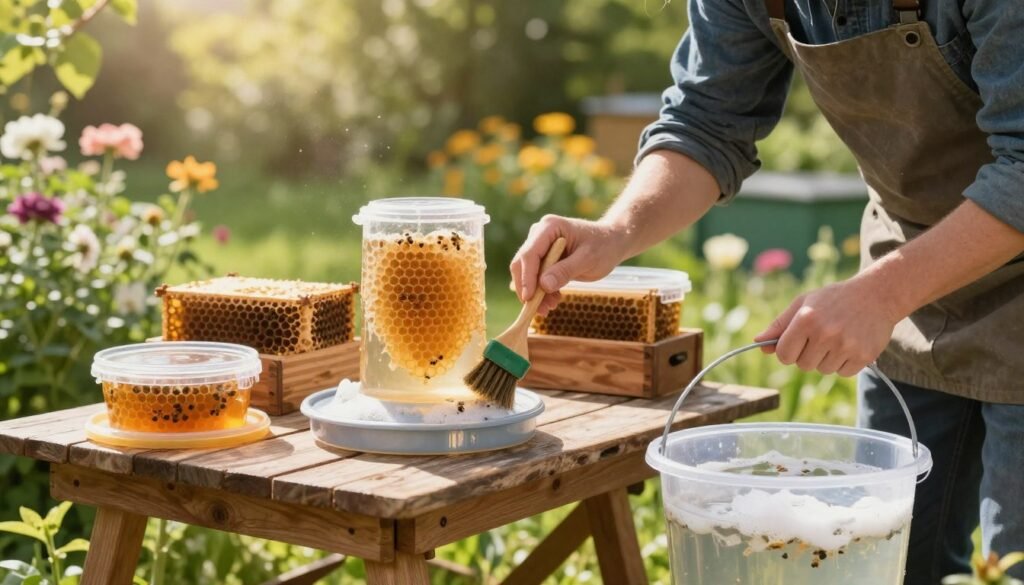
Lay parts on a towel and keep tiny screws together so nothing gets lost. Use a stiff brush and mild soap to remove stuck debris and seed hulls first.
- Mix the recommended ratio: nine parts water to one part bleach. This bleach solution kills many bacteria and avian flu viruses.
- Soak plastic and metal pieces for at least 10 minutes. Do not soak wooden parts—wipe those with the solution and rinse.
- After soaking, rinse each part thoroughly with clean water to remove all traces of bleach and soap.
Drying and Reassembly
Air-dry completely. Allow parts to sit in sun or a dry spot for several days; a towel can miss damp pockets that promote mold in seeds.
- Only refill the bird feeders once every piece is bone dry.
- Reassemble carefully and check seals and screws for tightness to prevent leaks and contamination.
- Project FeederWatch recommends a routine wash about every two weeks, and more often if you suspect disease.
“The nine-to-one water to bleach ratio is the standard recommended by the National Wildlife Health Center.”
For guidance on handling used equipment, see what to do with feeders and before storing or rotating stations.
Managing the Area Beneath Your Feeders
A tidy patch of ground beneath a feeder cuts disease risk by removing moldy food and waste. Rake or shovel away droppings, hulls, and soggy seed before they soak into soil.
On snow-covered lawns, scrape off a few layers of snow so spilled food does not sit and attract rodents. Removing wet seed stops bacteria and mold from forming.
Use a stiff brush to scrub flat trays or paving stones. If you treat parts with a mild bleach solution, rinse well and keep water sources fresh for visiting birds.
“Clear ground is one simple way to reduce pathogen buildup and protect our backyard birds.”
- Remove debris promptly to limit the spread of disease and flu.
- Keep an eye on spoiled food; rodents are drawn to damp seed.
- Combine ground care with routine care of your feeders and parts for best results.
Strategies for Rotating Your Feeding Stations
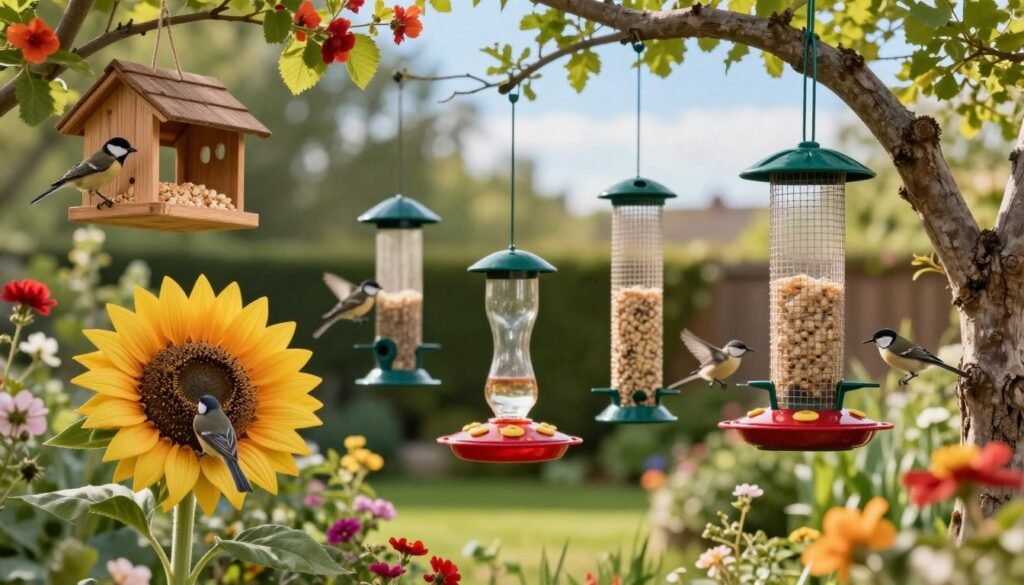
Spread and rotate to reduce crowding and lower risk. Using several small stations is an easy way to keep birds dispersed in your garden.
Plan a rotation schedule. Keep a few spare units so you can swap two or three at a time. That gives you time for a full cleaning and dry period while others remain in service.
Benefits of Multiple Feeder Setups
Multiple stations cut the number of contacts at each spot. This reduces the chance a sick bird will contaminate many others.
- Rotate units on a weekly or biweekly time frame to give parts a rest and to inspect seed and ports.
- Place stations across the habitat so different species have space and fewer shared touchpoints.
- Use extra units during migration and winter when traffic is highest, and monitor behavior closely for signs of disease.
| Setup | Benefit | Best Practice |
|---|---|---|
| Single station | Easy to refill | Inspect daily; deep clean weekly |
| Multiple small stations | Lower crowding and cross-contact | Rotate 2–3 units and stagger refill times |
| Distributed habitat array | Species spread out, less stress | Place near water and shelter; check seeds weekly |
“Rotating stations helps maintain a safer space for visiting birds during busy seasons.”
When to Seek Professional Assistance
If you suspect an outbreak, act quickly and avoid handling any affected bird yourself.
Do not pick up a sick or dead bird. Contact your local wildlife rehabilitator right away. The National Wildlife Health Center can also provide instructions for suspected avian disease.
If you lack time or the right supplies, consider a pro service. Businesses such as All Seasons Wild Bird Store offer a feeder clean and disinfection service using a proper bleach solution and a stiff brush.
Take units down for at least two weeks if disease is likely. This pause helps break chains of infection and gives time for bacteria and flu risks to fall.
- Contact a rehabilitator rather than attempting to treat the infection yourself.
- Follow National Wildlife Health Center guidance for reporting and handling outbreaks.
- Always wash hands with soap and water after handling any part or water source linked to a sick bird.
“Seeking professional help is the best way to ensure that your bird feeding station does not become a source of avian flu.”
Further reading and resources: consult community guidance on feeder colony guidance and professional removal advice at professional removal advice.
Conclusion: Prioritizing Avian Health
Small, regular actions at your bird feeders add up to big health gains for backyard birdlife.
Follow the step-by-step routine in this guide to keep water and seed fresh and to reduce bacteria and flu risk. Regular cleaning and simple swaps are an effective way to protect many species during migration and the busy season.
Make sure to watch visitor behavior and remove anything that looks spoiled. Your care makes the garden habitat safer and helps diverse colonies and individual birds thrive.