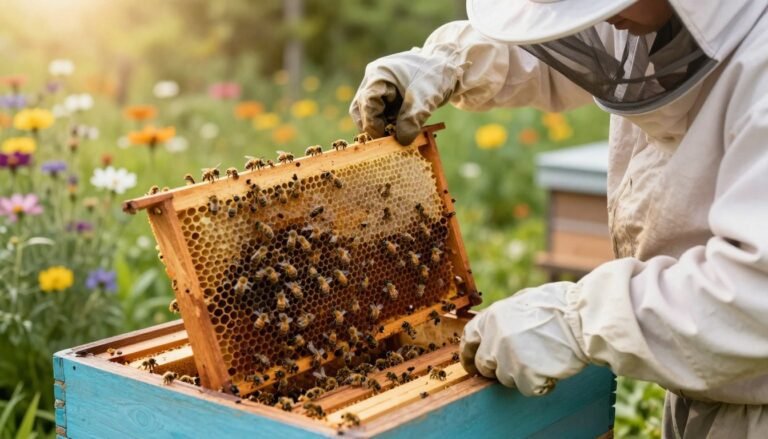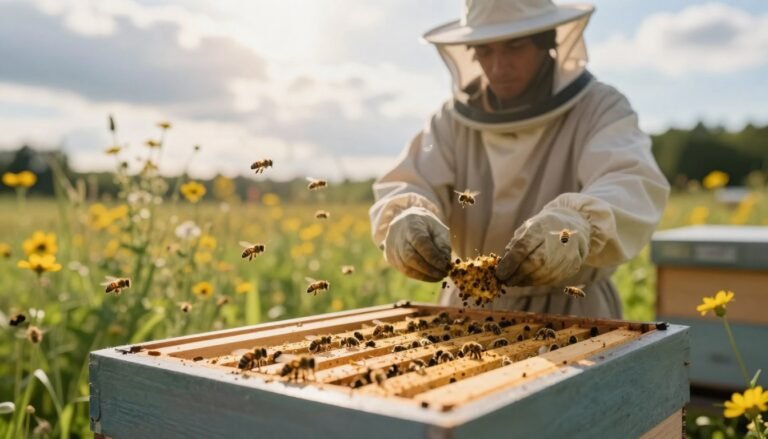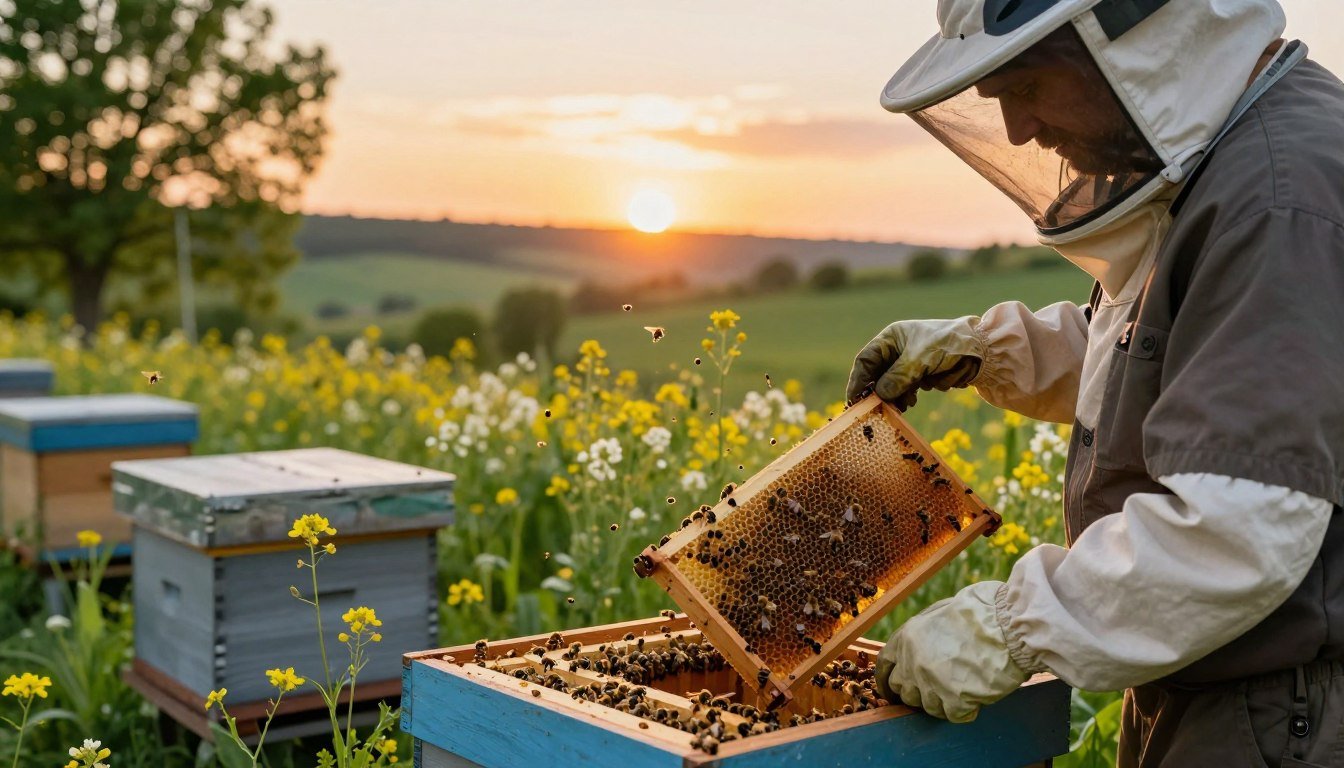
Requeening is the practical step a beekeeper takes when a colony needs new leadership. A healthy queen sets the pace: she lays eggs, keeps workers organized, and emits pheromones that hold the colony together.
Queens can sometimes live up to seven years, but productivity matters more than age. Many beekeepers plan replacement each year or act quickly if the queen fails or is lost.
Late fall brings a broodless lull that makes introducing a new queen easier. Using a queen cage helps the colony accept her while she acclimates before winter.
Whether managing one hive or several, deciding when to replace leadership is central to strong colonies and successful beekeeping. For more on timing and methods, see this requeening guide and practical tips from Beekeeper’s Realm.
Key Takeaways
- Requeening restores colony vigor when a queen declines or is lost.
- Queens may live many years, but productivity, not age, guides replacement.
- Late fall broodless periods ease the introduction of a new queen using a queen cage.
- Proactive annual checks help beekeepers keep colonies strong through winter.
- Fast action matters: colonies cannot thrive long without a functioning leader.
Understanding the Necessity of Requeening
What matters most is how many eggs the queen lays and how strongly her pheromones hold the colony together.
During routine inspection, a beekeeper will spot warning signs quickly. A queen can lay up to 2,000 eggs per day at peak. When egg counts fall or brood looks spotty, the colony may begin to act restless.
Signs of a Failing Queen
Look for scattered brood, reduced egg patches, and a shrinking population. These issues cut honey production and raise the risk of swarming over the years.
Managing Temperament and Genetics
Genetics shape behavior. A queen from a swarm or supersedure can bring unpredictable traits that make a hive aggressive. Managing genetics helps keep colonies productive and safer for the beekeeper.
- Spotty brood and low egg counts are clear reasons to act.
- Weak pheromone signals often mean more colony unrest.
- Spring inspections are vital for assessing queen performance; Charlie Bee Company highlights this point.
| Indicator | What It Means | Action |
|---|---|---|
| Spotty brood | Inconsistent egg laying or disease | Inspect frames; consider replacement |
| Low egg numbers | Declining queen productivity | Monitor for several inspections; plan intervention |
| Hot temperament | Unpredictable genetics or stress | Manage genetics; reintroduce calmer stock |
| Reduced honey yield | Fewer workers due to poor laying | Evaluate queen and colony health |
For detailed methods and seasonal checks, see this requeening guide at requeening guide and practical seasonal tasks from seasonal beekeeping tasks.
Determining the Best Time to Requeen a Hive
When nectar flows rise and brood expands, workers become more receptive to a replacement queen.
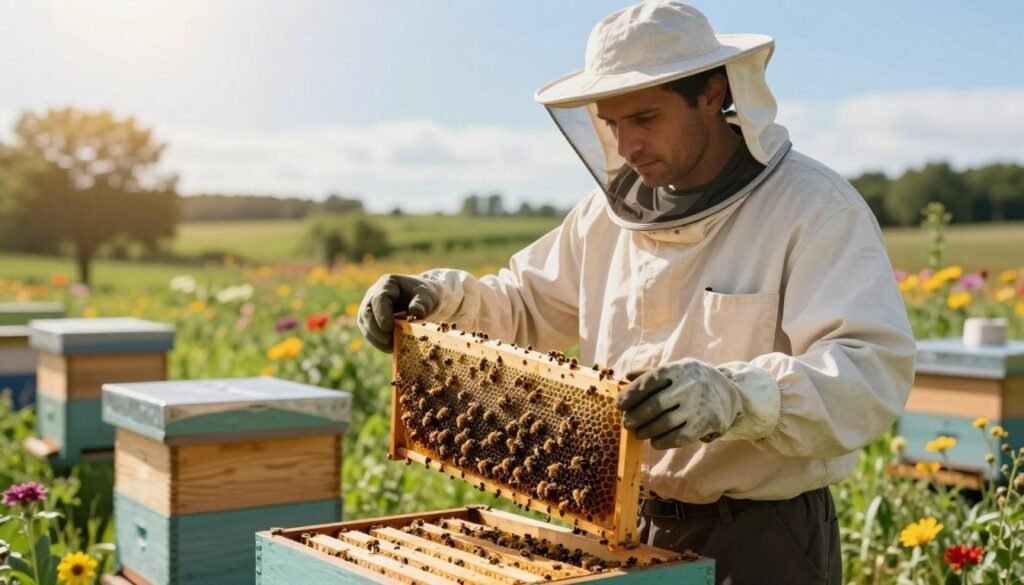
Spring is often ideal because the colony is growing, nectar flow is strong, and new queens are widely available. A replacement introduced now can start laying quickly and build up the worker force during the main season.
Another smart option is September. Introducing a queen then lets her produce brood that will become hardy winter bees. That prep improves survival and gives the colony a running start the next year.
Consider nectar flow when you schedule introductions. Bees accept new queens more readily during abundant forage. If nectar is scarce, acceptance rates drop and stress rises.
- Plan around spring nectar flow and brood expansion for easy acceptance.
- Use September introductions to secure strong winter bees and early spring momentum.
- Replace an aging queen every one to two years to maintain egg production and honey yields.
| Season | Benefit | Risk/Consideration | Recommended Action |
|---|---|---|---|
| Spring | Strong nectar flow; rapid colony build-up | Competition for queens; busy inspections | Introduce during active brood rearing; monitor acceptance |
| Late Summer / September | Queen establishes before winter; winter bees produced | Lower nectar flow; acceptance can be slower | Ensure ample stores; use gentle introduction methods |
| Off-Season | Fewer disturbances in broodless periods | Limited forage; reduced acceptance | Prefer broodless late fall only with strong planning |
For practical checks and seasonal advice, consult a spring inspection guide at spring inspection and requeening, steps to boost colony numbers at boost colony population, and signs your colony may swarm at swarm prep cues.
Practical Methods for Introducing a New Queen
Introducing a replacement requires calm planning and clear steps to help the colony accept new leadership.
Preparing the colony means finding and removing the old queen, checking for adequate stores, and leaving enough brood for nurse bees to bond with the newcomer.
Preparing the Colony
Open the hive during a gentle inspection and confirm the old queen is out. Remove queen cells that could compete and reduce the risk of rejection.
The Cage and Candy Approach
Most purchased queens arrive in a small box with a candy plug. Place her in a queen cage between frames so workers can access her scent while the candy plug delays release.
The worker bees will eat through the candy plug over about two days. This gradual process helps the colony accept the new queen and lowers the immediate risk of attack.
Monitoring for Acceptance
After the cage is placed, watch worker behavior during brief inspections. If bees feed and groom the cage, acceptance is likely.
- If workers cling or attempt to sting the cage, acceptance may be failing and intervention could be needed.
- Plan a follow-up inspection at three to five days to confirm the queen is free and laying on brood frames.
For step-by-step methods and cages that aid introductions, read this queen introduction, a practical guide on how to requeen, and a review of queen cages for introduction.
Conclusion: Ensuring Long-Term Colony Success
Healthy queens shape temperament, brood strength, and the future of every colony.
Maintaining a vigorous queen is the single most important step for long-term hive productivity. Be proactive: monitor egg patterns, brood health, and worker behavior across the year.
Requeening lets beekeepers manage genetics and calm temperaments so bees perform well and yields improve. Learn proven methods and use a careful introduction guide for higher acceptance rates.
Keep short, regular inspections and follow a consistent inspection window. A productive queen leads to a stronger colony and more honey at season’s end.
FAQ
When should I requeen a colony for the healthiest results?
Requeening is typically done in spring or early summer during active brood rearing and nectar flow. Those seasons give the colony time to accept a new queen and rebuild brood before winter. Avoid major manipulations during cold snaps or peak honey harvests. Look for strong resources and frames of brood when planning the change.
What are the main signs of a failing queen?
Watch for spotty brood patterns, a rapid drop in egg-laying, many drone cells, or increased aggression. Colonies may also produce supersedure cells or show drifting and disorganization on frames. Regular inspections help spot these signs before the situation worsens.
How does temperament influence the decision to replace a queen?
Aggressive behavior that interferes with inspections, stings, or honey work is a good reason to requeen. Genetics affect temperament, so selecting queens from gentle stocks such as Italian or Carniolan strains can improve manageability in future seasons.
Is it risky to requeen during a nectar flow?
Requeening during a nectar flow carries some risk but can work well if done carefully. Strong colonies with abundant stores adapt better. Use a queen cage with candy and monitor acceptance closely to reduce queen loss during intense foraging periods.
How should I prepare the colony before introducing a new queen?
Reduce disturbances for a few days, ensure ample food and a healthy brood nest, and remove or mark emergency queen cells. Some beekeepers slightly shake out or isolate the old queen if present. Clean frames and confirm there is no disease pressure before introducing a new queen.
What is the cage and candy method for introducing a new queen?
Place the queen in a standard wooden or plastic queen cage with a candy plug. Install the cage between brood frames so workers can feed the queen and gradually consume the candy, giving them time to accept her pheromones. Typical release time ranges from 3 to 7 days depending on colony temperament.
How long should I wait before checking if the new queen was accepted?
Wait about one week before the first quick check. Look for workers tending the cage, reduced aggression, and no signs of queen killing. A full acceptance check, including finding eggs and brood from the new queen, is best after two to three weeks when her laying pattern shows.
What should I do if the colony rejects the new queen?
If rejection occurs, remove the queen cage and inspect for disease, queen cells, or stressful conditions like robbing. Try a different queen strain, use a slower-release cage, or combine the colony with another using the newspaper method if rebuilding is needed.
Can I requeen during late summer or fall?
Late summer requeening is possible but offers limited time for the queen to lay enough workers for winter. Fall requeening is riskier because cold and reduced brood rearing lower acceptance rates. If done, choose early fall and ensure ample stores and warm intermediate weather.
How often should colonies be requeened for best long-term performance?
Many beekeepers requeen every one to three years to maintain vigor, disease resistance, and desirable genetics. Frequent requeening can reduce swarming tendencies and improve honey production, but balance costs and queen availability when planning replacements.
Do I need to remove the old queen before introducing a new one?
Yes. Remove or isolate the old queen before placing a new queen cage in the hive. Introducing a second laying queen without removing the first will cause fighting and likely queen loss. If unsure, inspect thoroughly and confirm the old queen’s absence.
How do pheromones affect queen introduction and acceptance?
Queen pheromones signal social cohesion. A strong pheromone profile from the new queen helps workers accept her. Slow-release methods like candy plugs allow worker bees to adjust to new pheromones gradually, reducing aggression and rejection rates.
What inspection frequency should I follow after requeening?
Perform a gentle inspection after one week, then a more thorough check at two to three weeks to confirm laying. After acceptance, resume normal inspections every 7–14 days during the active season, watching brood patterns and stores to ensure colony recovery.
Are there specific queen types or brands recommended for requeening?
Many beekeepers choose queens from reputable breeders like Mann Lake, Betterbee, or local suppliers that specialize in Italian, Carniolan, or Buckfast stock. Local-adapted queens often perform best, so consider regional breeders for stronger success.
Can disease or pests affect requeening success?
Yes. Varroa, foulbrood, and nosema lower colony acceptance and queen health. Treat or manage varroa levels and address disease before introducing a new queen. Healthy brood and low pest pressure increase acceptance and long-term survival.