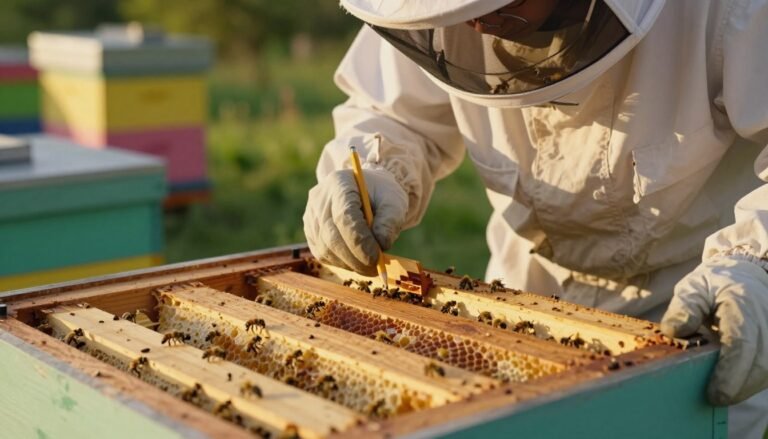
Choosing the right feeder can make or break honey production and colony health. Beekeeping professionals know that timely supplemental syrup and proper feeding keep bees strong when nectar is scarce.
Whether you manage a single hive or many hives across varied climates, the decision hinges on efficiency, capacity, and ease of use. Mann Lake and similar suppliers offer reliable equipment to help beekeepers stock feeders and supplies.
Good feeding supports brood development and helps a colony survive lean seasons. Monitor your hive closely to find the right time to add syrup or a candy board. For detailed seasonal tips, consult a practical feeding guide and a roundup of frame options to match spring buildup needs.
Key Takeaways
- Supplemental feeding helps colonies through nectar shortages.
- Select a system that matches hive layout and beekeeper workflow.
- Use proper syrup recipes and follow seasonal feeding ratios.
- Monitor hives regularly to decide when to add stores.
- Quality gear from known suppliers simplifies maintenance for multiple hives.
feeding guideframe feeder options
Understanding the Role of Bee Feeders
In lean times, targeted feedings give a colony the resources it needs to stay healthy.
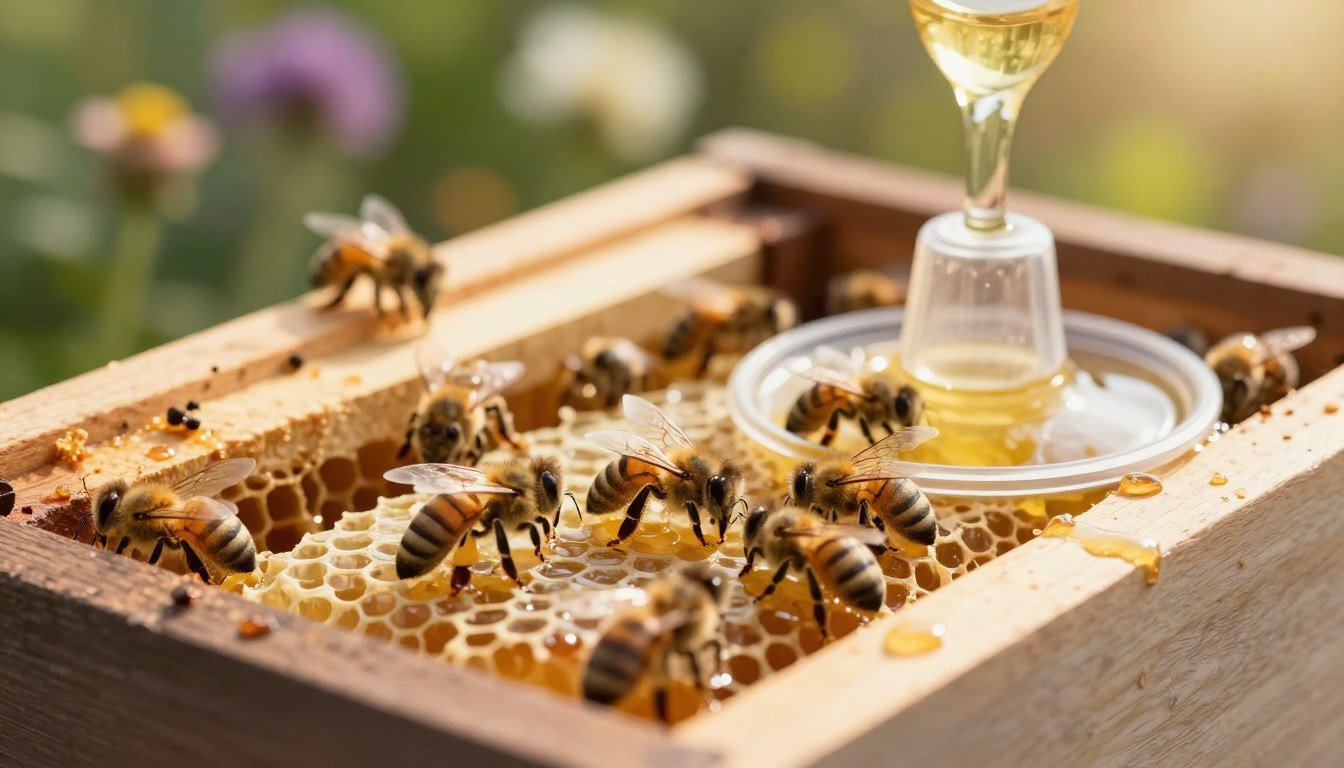
Bees are generally self-sufficient, but flowers and pollen can be scarce after bad weather or during drought. A honey bee feeder supplies pollen substitutes, sugar, or stored honey when foraging fails.
New colonies often need extra stores to settle and build brood. Regular checks help beekeepers spot shortages before a hive weakens or starves.
Using board feeders, entrance feeder units, or internal trays is common in modern beekeeping. Proper management keeps colonies stable through hot summers and cold snaps.
- Quick support: Feed syrup or candy when weight drops.
- Colony start-up: Extra food helps new hives establish.
- Monitoring: Check stores often to prevent decline.
Reliable feeding solutions are a simple step to protect honey production and overall colony health.
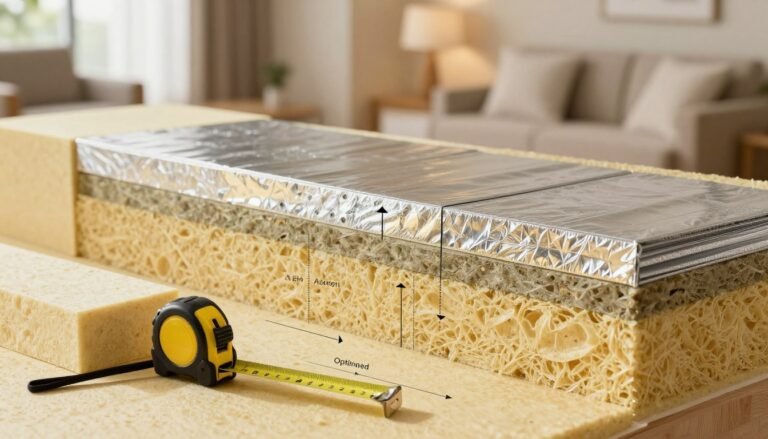
The Basics of Feeder Shims
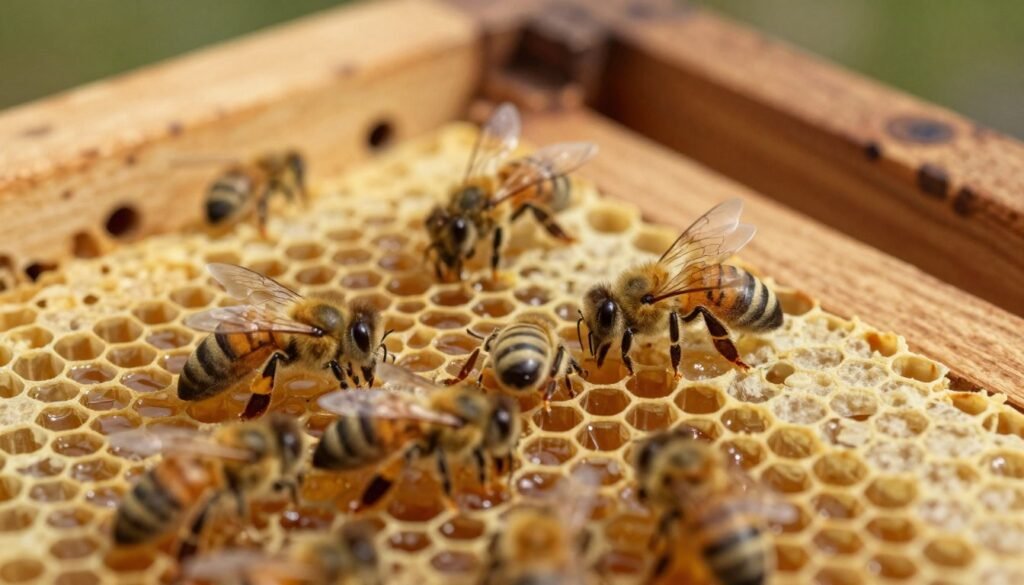
Placing syrup inside the brood chamber helps bees access food without leaving the cluster. Internal methods keep stores warm and reduce exposure to cold weather and robbing.
Advantages of internal feeding include steady access for the colony and protection from rain or wind. A common option is the division board feeders that sit in place of a frame and let bees reach syrup inside hive boxes.
Benefits of Internal Feeding
Design matters. Proper construction lowers drowning risk and improves syrup flow. Many beekeepers prefer a division board placed under the inner cover to keep syrup accessible but contained.
- Protected access: Less vulnerable to weather than a boardman feeder outside the hive.
- Better uptake: Warmth from the brood makes syrup more attractive in spring.
- Durability: Use sturdy plastic parts that tolerate daily temperature swings.
For a quick guide on feeding options used by hobbyists and pros, see this best bee feeder for fall.
Exploring the Design of Top Feeders
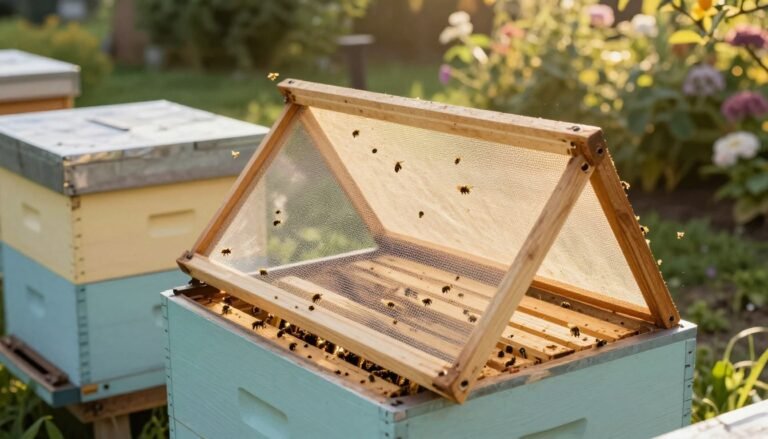
A roof-mounted reservoir changes how beekeepers supply syrup to a colony. It lets you refill without lifting boxes or disturbing frames.
Capacity and Efficiency
Most models hold up to four gallons of syrup for a 10-frame hive. That large capacity reduces refill visits and saves time during peak feeding needs.
Durability matters. Many top feeders use rugged plastic or metal parts so they last through sun, rain, and cold.
Safety Features
Modern units often include a steel safety screen to stop bees from crawling into the syrup. This cut drowning risk and keeps honey uncontaminated.
The feeder sits at the hive top with an inner cover beneath to keep ventilation steady and limit moisture. Proper installation ensures safe access for the bees and steady food stores.
- Less disturbance: Refill at the hive top without removing frames.
- Consistent supply: Large reservoirs support brood development in lean periods.
- Built-in safety: Screens and well-placed vents reduce drowning and mold risk.
A Comprehensive Feeder Shim vs Top Feeder Comparison
Practical decisions about feeding gear balance capacity, weather protection, and worker access. Pick the system that matches your climate, colony size, and inspection routine.
Capacity and Efficiency
Top feeders provide large reservoirs on the hive top and cut refill visits for commercial operations. Their roomy jar or tank keeps syrup available and steady under an inner cover.
By contrast, division board feeders and other internal units hold less liquid. They keep stores warm and protected, which helps brood during cold spring weather.
Safety Features
Entrance and Boardman entrance feeder styles are easy to watch but can invite robbing and suffer in bad weather. That makes monitoring critical for beekeepers with small apiaries.
Drowning risk rises in internal units unless ladders, floats, or plastic grids are added. Top feeders often use screens and vents to reduce drownings and keep honey clean.
- Consider: hive top access, refill time, and maintenance.
- Balance: capacity needs against protection from weather and robbing.
- Tip: match design to your frames and inspection style before buying.
Seasonal Considerations for Hive Feeding
Feeding strategy should shift with the calendar to support brood rearing, storage, and winter survival. Adjust syrup strength, placement, and monitoring as the season changes to match colony needs.
Spring Buildup
Use a 1:1 sugar-to-water syrup for spring feeding to encourage brood rearing and early growth.
Top feeders and a frame-based unit can stimulate bees when nectar is scarce. They let the colony access stores without heavy disturbance.
Summer Dearth Management
During dearths, check hives often. Natural forage drops, so regular syrup top-ups may be needed.
Use thicker 2:1 syrup in late summer to encourage storage. Monitor consumption rate so you can stop feeding when bees switch back to nectar collection.
Preparing for Winter
By early fall, focus on stores and ventilation. Proper cover and airflow prevent mold and excess moisture when syrup is present.
Plan feeding so frames are heavy with honey or stored syrup before cold weather. For larger colonies, consider the best top feeder for large colonies to reduce refill trips and keep supplies steady.
- Rule of thumb: 1:1 for spring feeding; 2:1 for late summer/fall.
- Monitor: watch syrup use to decide when to stop.
- Ventilation: keep hive dry to avoid mold when feeding.
Managing Bee Drowning and Safety Risks
Small design choices in a feeding system can mean the difference between safe access and heavy bee mortality. Protecting workers must guide how you place syrup and install equipment in the hive.
Sugar Ratios and Safety
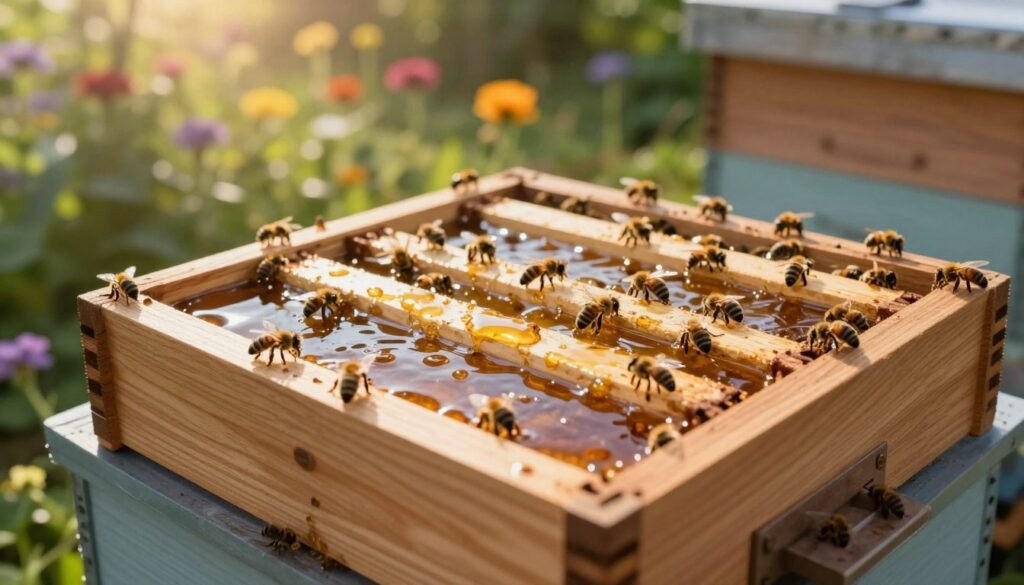
Division board feeders are often flagged as highest risk for drowning unless you add simple safety features.
Use ladders, floats, or plastic grids inside internal receptacles to give bees a dry escape route. Seal inverted jars and friction-top cans carefully to avoid leaks that draw bees into syrup or water.
- External options: a boardman feeder cuts drowning risk but can increase robbing at the entrance.
- Regular checks: inspect screens, ladders, and the inner cover at each visit to the hive top.
- Hygiene: clean feeders and frames to prevent mold that harms bee health and honey quality.
Safety-first designs keep colonies productive through the year. For related gear and trapping advice, see this pollen trap roundup.
Best Practices for Syrup Preparation and Maintenance
Mixing and storing sugar solutions the right way protects bees and preserves honey quality. Proper preparation reduces risks from mold, drowning, and disease.
Sugar Ratios and Safety
Use only white granulated sugar. Unrefined sugars and molasses carry particulates that harm bee digestion. Never boil sugar and water together; caramelized syrup can be toxic.
Heat water just enough to dissolve sugar fully, then cool before adding to a feeder or jar. For spring buildup use 1:1 sugar-to-water; switch to 2:1 in late summer and fall to encourage storage.
- Hygiene: Clean feeders and plastic parts after each use to stop mold growth.
- Safety: Avoid feeding honey from other hives to prevent disease spread.
- Checks: Inspect the inner cover, frames, and division board areas for leaks or fermentation.
If bees refuse syrup or consumption seems low, review temperature and syrup strength. For seasonal details see a fall feeding guide and troubleshooting tips on why bees won’t accept sugar solutions: fall feeding basics and why bees won’t take sugar syrup.
Factors Influencing Your Feeding Strategy
Local climate and flowering cycles should guide when and how you add syrup to a hive.
Environmental conditions like daily temperature and nectar availability determine whether internal or external options work best. Cold nights favor units placed inside the boxes so bees keep syrup warm near the brood.
Colony strength matters. A large, active colony needs more syrup and frequent refill time than a weak one. Match capacity to your hive size and the number of frames in use.
Consider robbing risk when choosing entrance solutions. Board feeders and entrance jars can invite theft in crowded apiaries, while an internal division board cuts exposure but requires careful placement under the cover.
| Factor | What to Watch | Practical Tip |
|---|---|---|
| Weather | Cold snaps, spring bloom timing | Keep syrup under the inner cover to reduce freezing |
| Colony Size | Frames occupied, brood activity | Increase volume if bees consume fast |
| Access & Safety | Robbing, drowning risk | Use ladders or plastic grids and monitor often |
“Observe your hives weekly; usage patterns tell you more than any rulebook.”
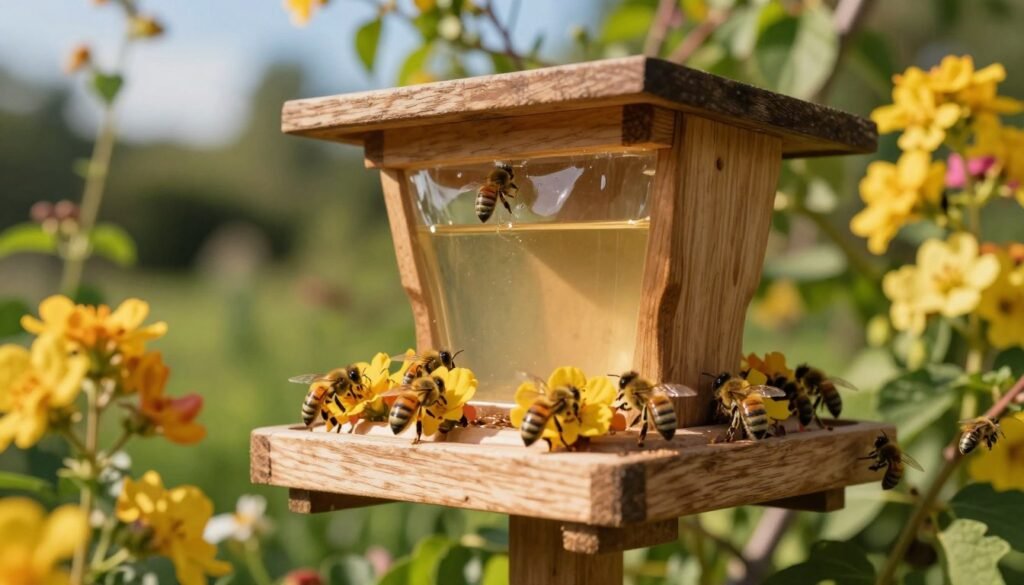
Cost and durability matter for large operations. Choose robust plastic or metal designs that resist weather and make refill at the hive top easier when managing many hives.
Conclusion
Matching feeding gear to your apiary routine makes maintenance simpler and boosts honey stores. Good choices matter in everyday beekeeping. A clear plan reduces stress for colonies and for you as a caretaker.
Select gear that fits hive layout and inspection habits. Consider a top feeder or other safe options and favor durable plastic parts that resist weather. Choose bee feeders that limit drowning and robbing, and pick models that a beekeeper can refill and clean without heavy disturbance.
For product help, Mann Lake offers a wide range of supplies and advice. Call 1 (800) 880-7694 for expert guidance. Prioritize safety, proper syrup prep, and close monitoring to help your colonies thrive.
FAQ
What is the main difference between a feeder shim and a hive top liquid reservoir?
A feeder shim is an internal device that fits between brood boxes to provide syrup access inside the hive, while a hive top liquid reservoir sits above the inner cover or replaces it to hold syrup on top. Internal options reduce robbing and exposure to weather. Top-mounted reservoirs offer easier refill without opening the hive but can increase robbing risk and require careful placement to avoid condensation and drowning.
When should I use internal feeding during spring buildup?
Use internal feeding early in spring when colonies need rapid population growth and nectar is scarce. Internal devices keep syrup close to the brood nest, encourage brood rearing, and minimize the need to open boxes. Offer light syrup (1:1 sugar to water) to stimulate comb production and colony expansion.
How do capacity and refill frequency compare between internal shims and hive-top reservoirs?
Internal reservoirs often hold one to two jars or a small trough, so they need more frequent refilling. Hive-top reservoirs can hold larger volumes—several liters—reducing visits. Choose based on hive strength, beekeeper access, and season. Large reservoirs work well for long-term feeding; internal units suit short-term boosts.
What design features reduce bee drowning in liquid setups?
Look for devices with floating platforms, screened vents, or wicking material that give bees dry landing space. Shallow troughs and internal platforms reduce risk. For jar-style systems, use inverted bottles with a perforated lid or cotton wick to limit free syrup exposure and keep bees from falling in.
Can feeding at the entrance prevent robbing and hive disturbance?
Entrance feeding is quick but risky. It exposes syrup to other colonies and wasps, increasing robbing. Use entrance dishes only in strong hives during low robbing risk, and remove them at first sign of raiding. Internal or top-mounted reservoirs behind an inner cover usually offer better protection against robbing.
What sugar ratios should I use for different seasons and goals?
Use 1:1 (by weight) light syrup in spring to stimulate brood rearing. During dearth or fall buildup use 2:1 syrup for rapid weight gain and winter stores. For short-term emergency feeding, dilute solutions suffice. For winter feed patties or dry sugar above the cluster when temperatures are low to avoid fermentation and condensation.
How do weather and temperature affect syrup storage on top of the hive?
Warm weather speeds fermentation and can attract robbers; cover reservoirs from direct sun. Cold slows feeding and may freeze syrup in exposed trays. Use insulated or screened top feeders and check for condensation beneath the inner cover, which can dampen frames and lead to mold if not managed.
Is there a safety risk when using plastic feeding components over long periods?
Durable, food-grade plastics are generally safe, but prolonged sun exposure can degrade some plastics and leach chemicals. Inspect plastic parts for cracking and replace if brittle. Glass jars are inert but heavier and breakable. Choose materials rated for outdoor use and clean regularly to prevent contamination.
How does internal feeding affect brood nest organization and frame access?
Internal devices sit near the brood area and encourage bees to keep stores close to frames, supporting brood rearing. However, they occupy space and may obstruct frame removal. Use thin shims for short intervals and remove them before heavy manipulations like inspections or honey harvests.
Can top reservoirs be adapted to reduce robbing and manage access?
Yes. Place reservoirs under an inner cover with restricted ports or screened entrances so only hive members find the syrup. Use small access holes or baffled openings to limit outsiders. Combining a top reservoir with an inner cover manifold reduces exposure while keeping refill access simple.
What maintenance is required for jar-style internal feeders and hive-top systems?
Clean and sanitize containers between uses to prevent mold and fermentation. Rinse parts with hot water and scrub residue; avoid harsh chemicals that could harm bees. Replace wicks or perforated lids yearly and inspect seals. Store components dry and out of sunlight when not in use.
How do I choose between internal and top feeding for overwintering preparations?
For fall buildup toward winter, concentrated syrup (2:1) in top reservoirs lets you add large quantities without disturbing the cluster. Internal feeding can help late-season brood rearing but may be less practical as temperatures drop. Consider patties or dry sugar above the cluster as cold-weather alternatives.
Are there commercial brands or designs beekeepers prefer for reliable performance?
Reputable options include Mason jar internal adaptors, Boardman-type feeders, and screened top feeders from manufacturers like Mann Lake and Dadant. Choose units that fit your hive style, are easy to clean, and include drowning protection. Read user reviews and prioritize food-grade materials.
What signs indicate robbing or feeding-related stress in a hive?
Look for rapid flight activity, bees fighting at the entrance, piles of dead bees, and bees carrying small wet loads. Guard bees may become aggressive. If observed, remove exposed syrup, reduce hive entrances, and consider internal feeding or robbing screens until the threat passes.
How can I safely introduce sugar syrups without disrupting the colony’s natural stores?
Feed in small quantities at first and monitor consumption. Use internal placements near the brood nest or under an inner cover to encourage storage where needed. Avoid overfeeding when nectar flow begins so bees will continue storing natural honey rather than piling syrup that may ferment or draw robbers.