Published March 31, 2026 · Last Updated August 26, 2026
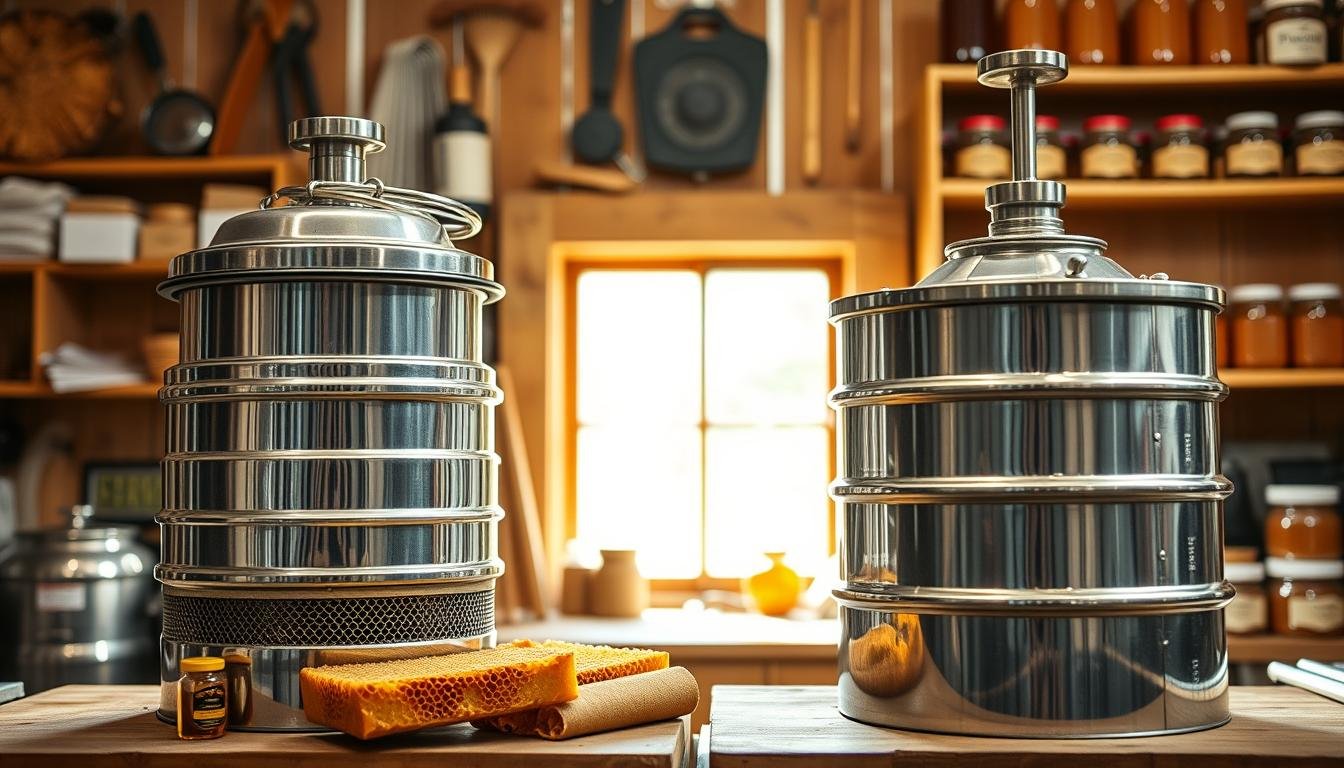
Choosing the right equipment is a vital step for any bee enthusiast in the United States who wants to process honey efficiently. This short guide lays out the basic differences between two primary honey extractor models to help you make an informed purchase.
Whether you are new to apiary work or have seasons of experience, understanding how each system handles frames will save time and reduce effort during harvest. We highlight durability, capacity, and labor needs so you can match an extractor to your planned hive count and future growth.
Investing in quality gear can serve your operation for many seasons. For a deeper look at specifications and sizing, see this detailed guide on choosing the right machine: choosing the right extractor.
Key Takeaways
- Know how many frames you will extract each season to pick the right capacity.
- Manual units save money; electric models save time and labor.
- Frame compatibility and material (stainless steel) affect longevity and cleanliness.
- Match your choice to current hive count and potential growth.
- A well-chosen honey extractor can serve a family operation for years.
Understanding the Basics of Honey Extraction
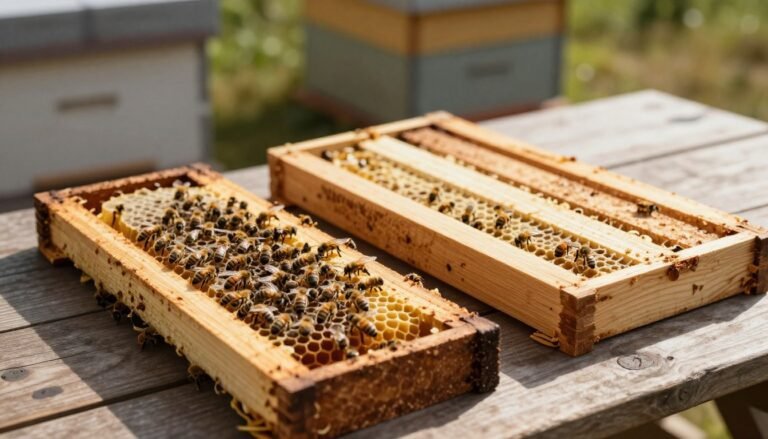
Before any honey leaves the comb, frames must be uncapped and staged for spinning.
A standard Langstroth-style hive holds 10 frames. That means five full supers equal 50 frames to process. This scale affects how much gear and labor you plan.
The primary goal of a honey tool is to remove honey from the comb by using centrifugal force. Spinning forces liquid honey out of the cells and toward the honey gate.
Make sure each frame is properly uncapped so honey can flow freely. This step makes the process cleaner and faster than crushing comb, which creates a messy workspace.
- Time saved: a good unit reduces labor and speeds harvest.
- Hygiene: spinning keeps comb intact and reusable.
- Volume management: know your frame count before you begin.
“A well-built honey extractor is a critical tool that saves significant time and keeps harvesting tidy.”
Radial vs Tangential Extractor for Hobby Beekeepers
Choosing between two common spinning systems hinges on how many frames you expect to process each season.
Small apiaries with a handful of hives often favor affordable units that store easily and cost less up front. These units handle a few frames at a time and keep setup simple.
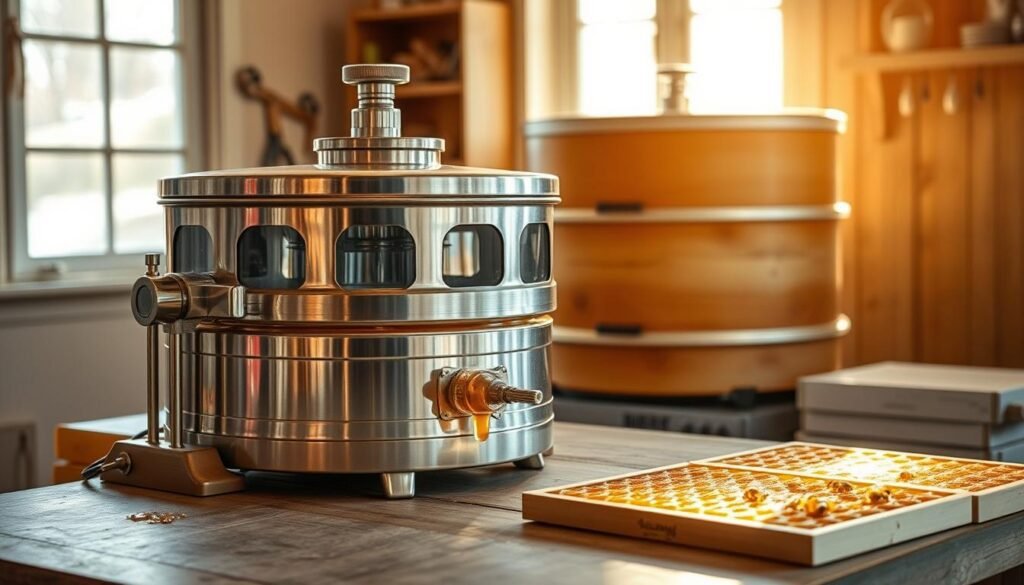
Larger operations gain from machines that cut handling. A more efficient model lets you spin many frames without stopping to flip each one. That saves time during peak harvest.
| Factor | Best Match | Why it matters |
|---|---|---|
| Cost | Lower-cost units | Good for small hive counts and limited budgets |
| Throughput | High-capacity unit | Processes more frames per hour, reduces labor |
| Storage | Compact design | Easier to store between seasons |
- Weigh price against time saved during harvest.
- Pick a honey extractor that matches your frame volume and future growth.
“Choose tools that fit how many frames you process, not just the moment you buy them.”
How Radial Extractors Function
Imagine frames arranged around a hub; that layout makes extraction faster and gentler.
Spoke-like Frame Orientation
Frames sit like spokes on a wheel, with each one tilted so the honey naturally runs out of the cells. This positioning uses the slope of the comb to move liquid toward the drum wall.
The proper orientation keeps wax comb intact and lowers the risk of damage during spinning.
Simultaneous Extraction Benefits
Because each frame faces outward, you can remove honey from both sides at once. That means you do not stop mid-cycle to flip a frame.
This approach boosts overall speed and reduces physical handling. It also minimizes the time spent at the bench during peak harvest.
| Feature | Benefit | Impact |
|---|---|---|
| Spoke layout | Extracts both honey sides simultaneously | Higher throughput; less handling |
| Frame tilt | Uses comb slope to shed honey | Protects wax structure |
| Continuous spin | No need to flip frames | Saves time and labor |
- Efficiency: Extractors like this reduce the number of steps per frame.
- Care: Even centrifugal force protects delicate comb.
- Volume: Best when processing many frames with minimal hands-on work.
“A well-oriented frame and steady spin pull honey cleanly without excess handling.”
To learn more about the technical contrasts and real-world use, see this short guide on the difference between radial and tangential.
The Mechanics of Tangential Extractors
In this design, each frame presents a single comb face outward during spinning.
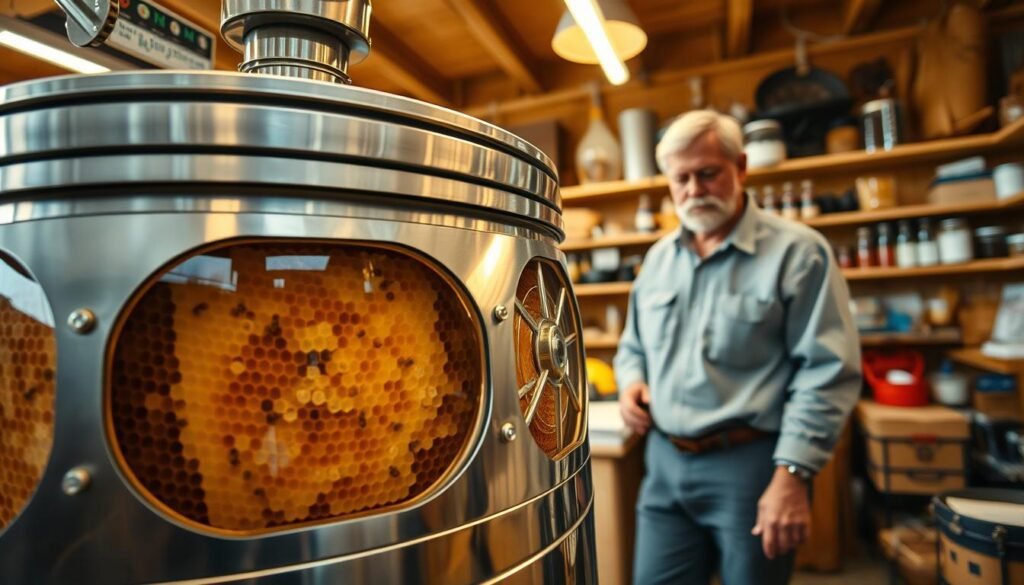
A tangential extractor holds the frame so only one side of the honeycomb faces the drum wall. That means the machine spins one face at a time to remove honey while the inner cells remain supported.
The Necessity of Flipping Frames
You must stop the unit, flip each frame, and restart the process to extract the opposite face. This adds handling but reduces stress on the wax structure.
- One-sided positioning protects delicate wax and lowers risk of comb collapse.
- Because you flip frames, overall speed of extraction is slower. That can be fine when processing fewer frames.
- These units are often compact, which helps with storage and limited space.
- Careful control of spinning speed keeps the comb intact during each pass.
| Characteristic | Effect | Practical Note |
|---|---|---|
| One-sided spin | Gentle on comb | Requires flipping to finish both sides |
| Lower throughput | Slower harvest | Good match when time and scale are limited |
| Compact build | Easy storage | Fits small workshops and garages |
“Many small-scale users accept extra handling to preserve comb and keep the process simple.”
For guidance on matching a unit to your frame count and goals, see this concise guide on choosing the right extractor.
Comparing Extraction Speed and Labor
How quickly you get honey out of the comb depends largely on hive count and available time.
Efficiency ties directly to the number of frames you must process and the time you can spend. If you run a small number of hives, a compact machine and some extra hands may be enough.
When you scale up, units that remove the need to flip frames will cut hours from the harvest day. That saved time converts to higher overall honey production and less physical strain.
Tangential-style units typically demand more manual labor because you extract one side at a time and must flip each frame. That added handling becomes a bottleneck when frame counts rise.
Motorized models boost speed. A powered honey extractor moves more frames per hour than hand-crank versions, so they often repay their cost when you run multiple hives.
- Time vs. labor: Match the device to the number of frames you expect to process.
- Protection: Slower methods can better protect wax comb when that matters most.
- Throughput: Motorized systems increase daily output and ease the physical effort.
“Balance speed with care: faster extraction raises output, but gentle handling preserves comb health.”
For a deeper comparison of designs and real-world workflow, read this short guide on the difference between radial and tangential and explore automated options at automated honey extraction technologies.
Evaluating Manual versus Motorized Power Sources
How you power your machine shapes harvest speed, labor needs, and budget impact.
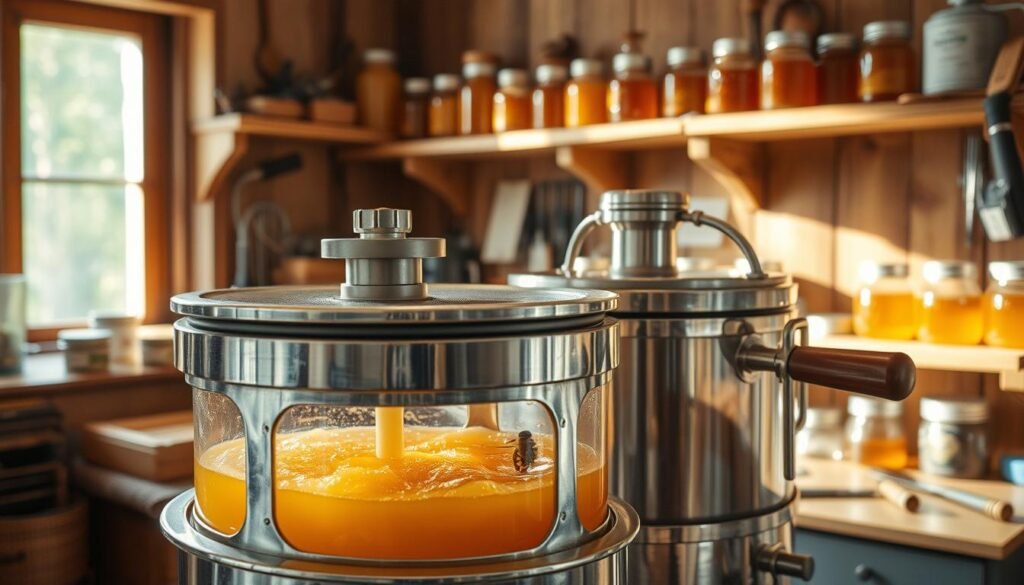
Benefits of Hand Crank Models
Manual extractors cost less up front and work where power is absent.
They let a small team process frames without electricity. A hand crank gives control over spin speed and is gentle on wax and comb.
Physical effort rises with frame count, so this is ideal when hives are few and budgets are tight.
Advantages of Electric Motors
Motorized extractors save time and reduce fatigue during large harvests.
Electric extractors let you set consistent speed and handle many frames quickly. This speeds extraction and lowers manual strain.
Many users begin with a manual unit, then upgrade as hive numbers grow.
| Power Type | Best Use | Key Benefit |
|---|---|---|
| Hand crank | Small scale, off-grid | Low cost; control over spin |
| Electric motor | Medium to large scale | Faster processing; less labor |
| Manual + motor upgrade | Growing apiaries | Start simple, scale later |
- Choice: Match power source to hive count and budget.
- Tip: Review manual vs electric options before buying: manual vs electric options.
“Select the power that balances your budget, time, and care for comb.”
The Importance of Stainless Steel Construction
Durable materials make a real difference when you handle sticky honey and repeated harvests.
Stainless steel prevents rust and keeps surfaces food-safe. A tub and sturdy legs made from this material mean fewer worries about corrosion and contamination.
Choose a unit with a stainless steel tub, legs, and key fittings. These parts resist wear and make cleaning simple after each use.
Selecting a Quality Honey Gate
The honey gate is one of the most critical parts. Pick a gate built of quality steel that seals well and resists leaks.
- Durability: Stainless steel parts last across many seasons.
- Hygiene: Smooth steel surfaces wash away wax and sticky residue easily.
- Stability: Steel legs keep the unit steady while you handle frames.
| Component | Recommended Material | Benefit |
|---|---|---|
| Tub | Stainless steel | Resists rust; easy to sanitize |
| Legs and supports | Stainless steel | Stable during spinning; long service life |
| Honey gate | Quality steel valve | Prevents leaks; keeps workspace clean |
| Older models | Galvanized metal (avoid) | Prone to corrosion; not ideal for food-grade handling |
“Investing in stainless steel equipment simplifies cleaning and protects product quality.”
Essential Features to Look for in an Extractor
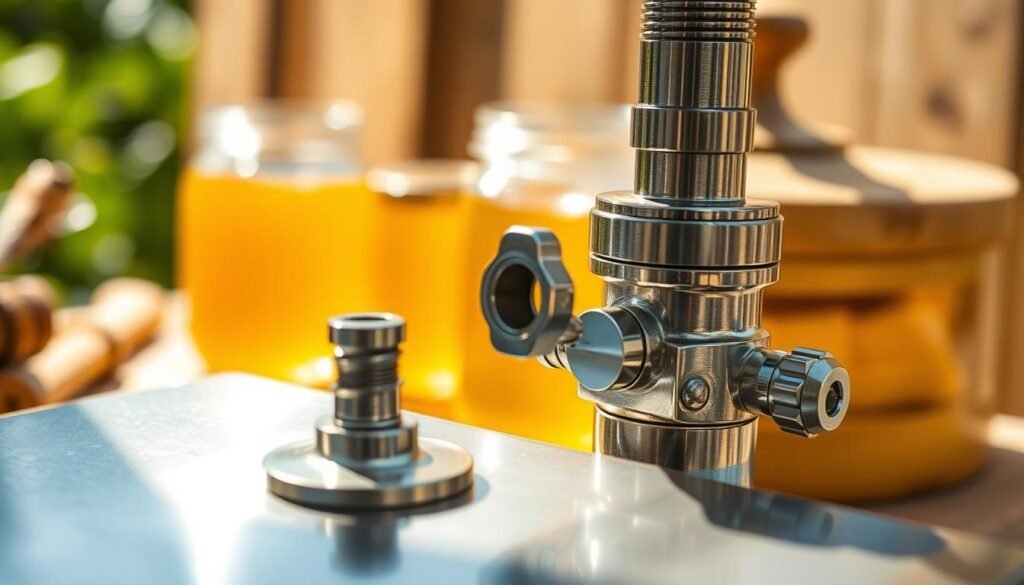
Easy use and a comfortable working height matter. A unit that sits at the right level saves your back and reduces fatigue when handling full frames.
Look for wide access to the drum so cleaning wax and propolis is quick. Good access cuts down on downtime and keeps honey quality high.
Selecting a Quality Honey Gate
A reliable honey gate controls flow and prevents spills. Choose a valve that seals well and resists wear. Stainless steel components help keep the transfer sanitary.
- Check that the drive gears or hand crank are made of durable steel to withstand spinning pressure.
- Ensure the design lets you reach the interior easily for fast washing and inspection.
- Verify the frame supports and legs are sturdy so the machine stays stable under load.
- Confirm stainless steel parts are thick enough to provide a steady base during operation.
For more on matching models to your needs, read this short guide to learn about extractors. Also see tips to avoid overheating honey during extraction.
“Pick features that reduce handling and protect comb — it saves time and preserves product quality.”
Managing Your Apiary Scale and Equipment Needs
Pick gear that reflects both your current hive count and growth goals.
Small setups with one to two hives usually do fine with a 2-frame manual honey extractor. It matches annual honey needs and keeps costs low.
Mid-sized operations that run roughly 10–15 hives will see gains from a 6/3 frame unit. That size balances capacity and handling and reduces harvest time during busy weeks.

Large apiaries managing 15+ hives should consider motorized extractors or larger tangential extractors. These choices save substantial time and physical effort when many frames require extraction.
Always align your power source to the number of hives you manage and your long-term plan. If you expect to scale, invest in a honey extractor that can grow with your operation.
- Match capacity to your typical frame count to keep extraction efficient.
- Choose manual extractors where power is scarce; pick electric extractors to speed big harvests.
- Proper equipment management helps scale honey production as colony numbers rise.
“Buy the size that fits your current work and leaves room to expand.”
Best Practices for Cleaning and Maintenance
Routine care keeps steel parts moving smoothly and helps you get honey cleanly every season.
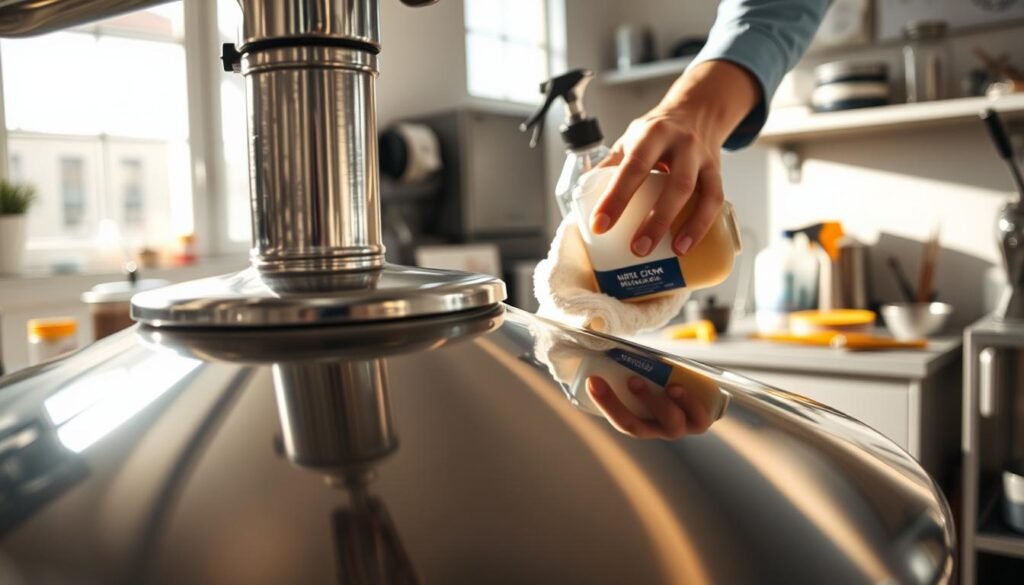
Wash the tub after you get honey from the frames. Use warm water and a soft brush to remove wax and propolis. Rinse thoroughly so no sticky residue remains.
Protect moving parts by applying food-grade grease to the hand crank and gears. This simple step reduces wear and keeps the unit running at consistent speed.
Take care with motors and electrical components. Keep wiring dry and shielded while washing. Disconnect power before any wet cleaning to avoid damage.
Store the stainless steel unit wrapped in stretch wrap or a clean cover. This keeps dust and insects out between seasons and reduces cleaning time at next use.
- Clean after every harvest to protect honey quality and comb health.
- Schedule a full inspection each year to tighten fittings and replace worn seals.
“Regular maintenance makes the machine a reliable tool for many seasons.”
For more on staging and post-harvest care, see a short guide to honey harvesting.
Tips for Successful Honey Harvesting
A calm, organized setup makes extraction faster and reduces sticky mistakes. Prepare a clean work area and have supplies ready so you move through frames without delay.
Preparing Frames for Extraction
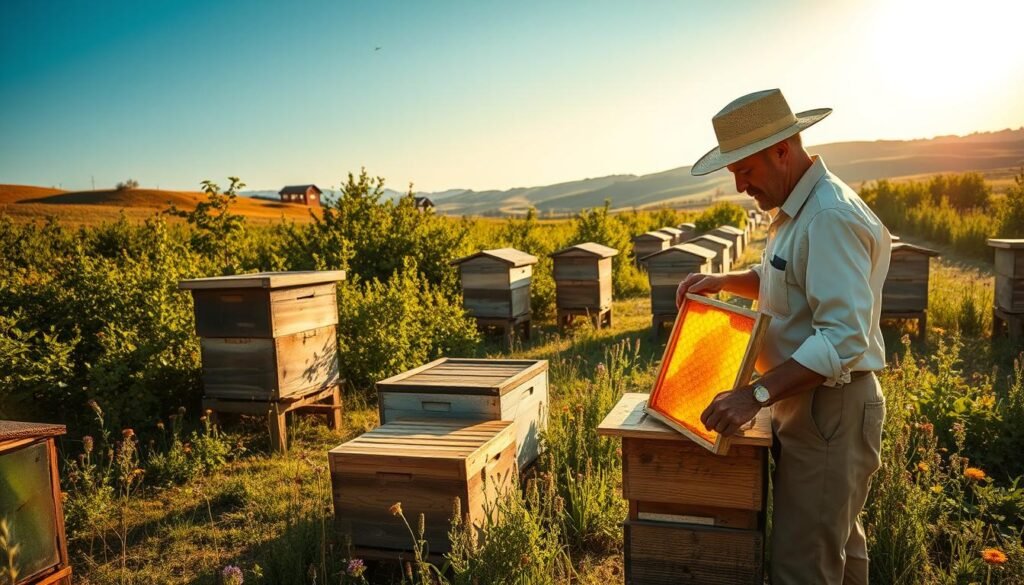
Clear bees first. Use a bee brush to sweep any lingering bees away before you uncap.
Uncap carefully and stand each frame vertically before placing it into the honey extractor. Spin each frame 5 to 6 minutes in one direction.
After that run, reverse rotation to remove honey from the other side. If you use a manual honey unit with a hand crank, expect added time and steady effort.
Proper Storage Techniques
Always drain honey into a clean bucket under the honey gate to avoid spills. Clean the tub and fittings with warm water and mild soap before storage.
Store stainless steel equipment in a dry place. Wrap or cover the unit to keep dust and pests away between seasons.
| Action | When | Benefit |
|---|---|---|
| Brush frames | Before uncapping | Cleaner workflow; fewer bees in the workspace |
| Spin 5–6 min each way | During extraction | Efficient removal from both sides of the comb |
| Wash and dry | After harvest | Protects steel and speeds next season setup |
“A short checklist and steady routine save time and protect comb during harvest.”
Conclusion
A wise equipment pick can turn a chaotic harvest into a tidy, efficient operation.
Selecting the right unit is a pivotal choice that shapes the efficiency of your honey production and the care of each hive.
Match your machine to how many hives you manage. Motorized and electric extractors save hours when scale grows. Manual extractors still work well for small setups and tight budgets.
Prioritize stainless steel construction and reliable valves to protect product quality and extend service life. Good gear reduces waste and keeps combs reusable.
Use this guide to choose with confidence. For related reading on horizontal setups and compatible methods, see horizontal beehive guide.
FAQ
What are the main differences between a radial and a tangential extractor?
A device with frames positioned like spokes spins frames outward so honey clears both sides at once, reducing flipping. A unit that faces frames toward the drum wall extracts one side at a time and usually requires flipping each frame. The spoke-style approach often extracts faster with less manual handling; the face-forward style is simpler and usually less expensive.
Which type saves more time during a typical harvest?
Models that clear both sides simultaneously generally reduce total harvest time because you don’t need to flip frames mid-process. That saves labor and speeds up cycles, especially when processing many frames from several hives.
Do manual hand-crank units work well for small operations?
Yes. Hand-crank models are reliable for small-scale production, low-cost, and don’t need power. They require more physical effort and take longer per batch than motorized units but offer excellent control and portability.
When should I consider an electric motor for extraction?
Choose motorized equipment if you have multiple hives, high seasonal volume, or want to reduce fatigue. Electric drive increases extraction speed and consistency and makes frequent harvests far easier.
How important is stainless steel construction?
Very important. Stainless resists corrosion, won’t taint honey, and withstands repeated heat and wash cycles. Look for food-grade stainless and welded seams that are easy to clean to protect quality and comply with food-safety best practices.
What should I look for in a honey gate?
Select a robust gate with a food-grade finish, a tight-sealing valve, and an easy-turn handle. A well-designed honey gate prevents drips, allows controlled filling of jars or buckets, and withstands repeated use without leaking.
How many frames can I process at once?
Capacity varies by model. Small drums hold two to four frames, mid-size units handle eight to twelve, and larger commercial drums manage more. Match capacity to the number of hives you plan to harvest to avoid wasted time or extra trips.
Do I need to uncap frames before using the unit?
Yes. Remove the wax cappings so honey can flow. Use an uncapping knife, hot knife, or roller before placing frames in the basket to ensure efficient extraction and prevent clogging or uneven spinning.
How do I clean and maintain my honey equipment?
Rinse warm, not hot, to avoid melting wax into unwanted places. Use food-safe cleaners and a soft brush for joints and the gate. Dry thoroughly and store in a dry area. Regularly check bearings, seals, and fasteners and replace worn parts promptly.
Can wax or comb damage the basket or drum?
Small amounts of loose wax are normal. Excess wax or broken comb can clog valves or scratch surfaces over time. Inspect frames for damage and remove large chunks of comb before spinning to protect components and maintain flow.
Is one method better for preserving delicate comb or small brood frames?
Models that spin gently and allow control over speed help protect delicate comb. Lower-speed, carefully monitored cycles minimize stress on frames. For fragile comb, consider low-RPM or manual units that offer precise control.
How does extraction speed affect honey quality?
Faster cycles remove honey quickly but can increase froth or air incorporation if speeds are too high. Gentle, steady extraction preserves texture and reduces foaming. Proper uncapping and using an appropriate speed curve produce cleaner, higher-quality honey.
What power sources are commonly used besides hand cranks and electric motors?
Battery packs and adaptable drill drives are common alternatives. Battery units provide portability without tethering, while drill adapters let you use a cordless drill for intermittent motorized operation. Choose based on convenience and expected workload.
How do I choose capacity and features for a growing apiary?
Start by estimating peak-frame volume per harvest. Match capacity so you minimize trips. Prioritize durable stainless construction, a reliable valve, and the option to upgrade to motorized drive. Modular or larger drums help scale without replacing all gear.