“No Mow May” asks a simple thing of homeowners — skip mowing for one month in spring and let dandelions and clover bloom for early-emerging bees — and it spread from a single British conservation charity to dozens of American towns in under five years. It’s also, honestly, a more complicated success story than the slogan suggests: the U.S. study most often cited to justify it was later retracted, and the town that started the American movement has since walked the idea back. Both things can be true at once, and a beekeeper deciding whether it’s worth doing on their own lawn deserves the fuller picture.
Key Takeaways
- No Mow May originated in the United Kingdom in 2019 with Plantlife, a British conservation charity, aimed at supporting pollinators emerging from winter before later-season garden blooms take over.
- Appleton, Wisconsin became the first U.S. city to adopt the idea in 2020, suspending its lawn-height ordinance for the month, championed locally by Lawrence University biology professor Israel Del Toro.
- The concept spread to roughly 20 Wisconsin communities by 2022, and versions of it have since appeared in towns across other states.
- The widely cited claim that No Mow May lawns had five times more bees and three times more bee species than mowed parks came from an Appleton-based study that PeerJ later retracted over data-handling and reporting concerns.
- Appleton itself moved away from No Mow May in 2024, adopting “Slow Mow Summer” instead — a year-round height limit (8 inches on developed lots, 12 on undeveloped ones) rather than a one-month mowing pause.
Table of Contents
- Where the Idea Actually Came From
- Appleton, Wisconsin: America’s First Adopter
- The Retracted Study Behind the Headline Statistic
- Why Appleton Moved to “Slow Mow Summer” Instead
- So Does Skipping Mowing Actually Help Bees?
- A More Reliable Alternative: Planting, Not Just Not-Mowing
- Frequently Asked Questions
Where the Idea Actually Came From
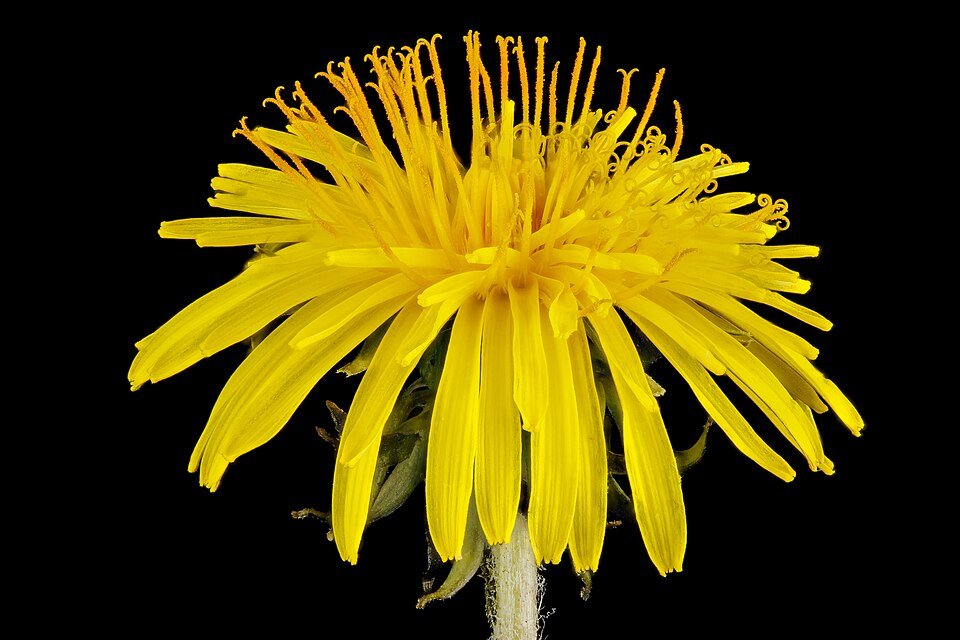
The core idea behind No Mow May predates its American branding. Plantlife, a British conservation charity, introduced the concept in the United Kingdom in 2019 as a way to support pollinators in the critical early-spring window — the period when overwintering bees first emerge and need forage, but before most deliberately planted garden flowers have started blooming. Letting a lawn’s early “weeds” — dandelions, clover, self-heal — flower undisturbed for a few weeks fills exactly that seasonal gap. It’s a genuinely sound piece of ecological reasoning, distinct from the question of how well any specific American implementation has actually delivered on it.
Appleton, Wisconsin: America’s First Adopter
The idea crossed the Atlantic through a specific, identifiable source rather than spreading anonymously. Israel Del Toro, a biology professor at Lawrence University in Appleton, Wisconsin, encountered Plantlife’s UK campaign and became the driving force behind bringing it to his own city. In 2020, Appleton suspended its municipal lawn weed ordinance for the month of May, making it the first documented U.S. city to formally adopt the practice. From there, the idea spread quickly within the state — reaching around nine Wisconsin communities by 2021 and more than twenty by 2022 — before jumping to other states as local governments and homeowners picked up the same one-month framing.
The Retracted Study Behind the Headline Statistic
Much of No Mow May’s popular momentum rested on one specific, frequently repeated statistic: that No Mow May lawns hosted five times as many bees and three times as many bee species as regularly mowed parks. That figure, drawn from Appleton-based research, was widely cited in news coverage and local government discussions as the evidence base for the whole idea. It’s a genuinely important detail, then, that the journal PeerJ later retracted that study, citing “several potential inconsistencies in data handling and reporting.” A retraction doesn’t necessarily mean the underlying intuition (unmowed spring lawns can support more bees) is wrong — the broader ecological logic behind flowering forage availability is well established independently — but it does mean the specific, dramatic number that made the campaign so shareable no longer stands as reliable evidence, and shouldn’t be repeated as settled fact.
PeerJ’s retraction notice is unambiguous on the reason: the concern was specifically “inconsistencies in data handling and reporting” in the original study — a methodological problem with how the results were produced and presented, not a dispute over whether pollinators exist in unmowed grass.
Why Appleton Moved to “Slow Mow Summer” Instead
Perhaps the most telling detail in the whole story is what the originating city itself did next. In 2024, Appleton dropped No Mow May and reinstated a year-round grass-height restriction instead — up to 8 inches on developed lots and 12 inches on undeveloped ones — under the new name “Slow Mow Summer.” That’s a meaningful shift in philosophy: rather than a single symbolic month of no mowing followed by a return to short, uniform turf for the rest of the growing season, the replacement policy aims for consistently longer, less intensively managed grass across the whole season. It’s a tacit acknowledgment that a one-month pause, however well-intentioned, may do less for pollinators over a full year than a permanent, smaller change in mowing habits.
So Does Skipping Mowing Actually Help Bees?
Set aside the retracted headline number, and the honest answer is: probably somewhat, but less reliably and less dramatically than the original campaign implied. Letting dandelions and clover bloom for a few weeks does provide real early-season forage that a freshly mowed lawn doesn’t — that basic mechanism isn’t in dispute. What’s genuinely uncertain is how much difference one unmowed month makes compared to a lawn that’s simply never been a great forage source to begin with, versus more deliberate, season-long changes to what’s actually planted.
A More Reliable Alternative: Planting, Not Just Not-Mowing
For a beekeeper or gardener who wants a more dependable impact than a single unmowed month, deliberately planting for pollinators across the whole season is the more defensible approach, and it’s one this site covers in detail. Guides like 33 drought-resistant flowers for bees and pesticide-free lawn care focus on what you actively add and how you manage a lawn long-term, rather than relying on one month of neglect to do the job. Appleton’s own pivot to a permanent height policy over a symbolic pause points the same direction: sustained changes tend to outperform one-off gestures, even well-meaning ones.
Frequently Asked Questions
Where did No Mow May originate?
It began in the United Kingdom in 2019 with Plantlife, a British conservation charity, before Appleton, Wisconsin became the first U.S. adopter in 2020.
Is the “5 times more bees” statistic from No Mow May accurate?
That widely cited figure came from a study that was later retracted by the journal PeerJ over data-handling and reporting concerns, so it shouldn’t be treated as reliable evidence.
Does Appleton, Wisconsin still do No Mow May?
No — in 2024, Appleton replaced it with “Slow Mow Summer,” a year-round grass-height limit rather than a one-month mowing pause.
Should I still try No Mow May on my own lawn?
It’s unlikely to cause harm and does provide some early-season forage, but it shouldn’t be treated as a proven, dramatic pollinator solution — deliberate planting for pollinators throughout the season is a more reliable long-term approach.
Has any U.S. city other than Appleton adopted this idea?
Yes — the concept spread to roughly 20 Wisconsin communities by 2022 and has been adopted in various forms by towns in other states since.