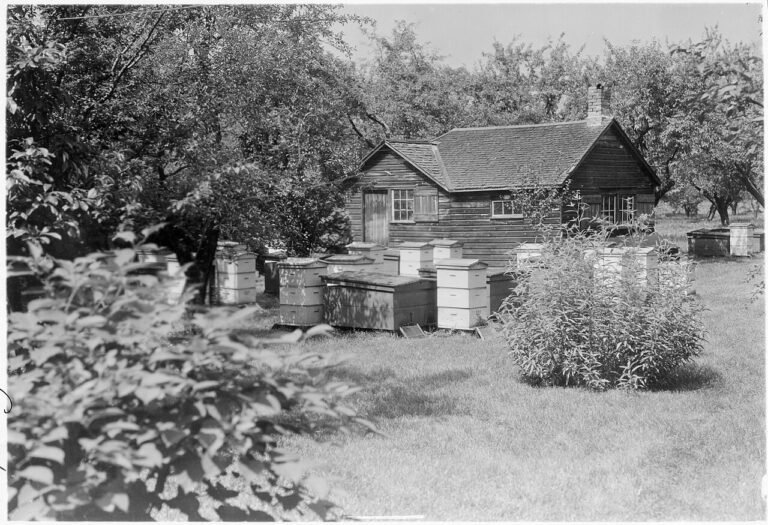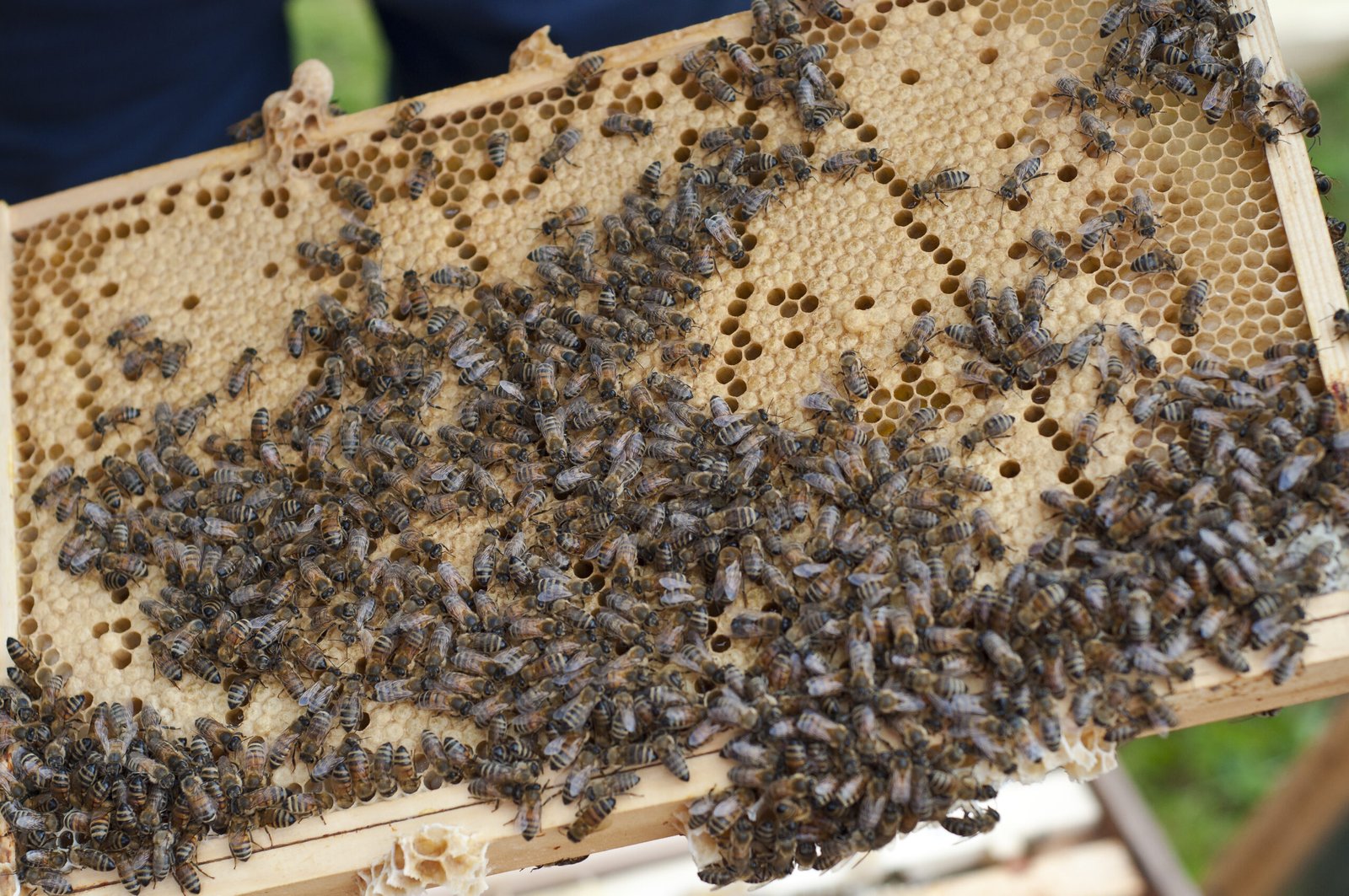
You don’t need a licence, permit, or planning permission to keep honey bees anywhere in the United Kingdom. A back garden, a rooftop, an allotment, or a field all qualify without any formal authorisation — a striking contrast to the mandatory state-agency registration required in every US state covered elsewhere on this site. But “no licence required” doesn’t mean “no legal obligations”: UK beekeepers face real, enforceable legal duties around disease reporting, movement restrictions, veterinary medicines, and what they can call the honey they sell.
This guide covers the legal responsibilities that do apply to UK beekeepers under the Bee Diseases and Pests Control (England) Order 2006 and its equivalents across the UK, the voluntary-but-essential BeeBase registration system, the rules for importing bees into the country, veterinary medicine record-keeping requirements, and the Honey Regulations 2015 that govern how honey can be labelled and sold.
Key Takeaways
- No licence, permit, or registration is legally required to keep honey bees anywhere in the UK — but several separate legal duties still apply once you do.
- Reporting suspected American foulbrood, European foulbrood, small hive beetle, Tropilaelaps mite, and the presence of Varroa destructor to the National Bee Unit is a legal requirement, even though registering with BeeBase itself is not.
- A standstill notice, if issued after a notifiable disease or pest is confirmed, legally prohibits moving colonies or equipment until it’s officially lifted.
- Importing honey bees requires registration on the IPAFFS system, an export health certificate, sourcing from an approved country, and — unless the bees come from New Zealand — importing queen bees only, not packages or full colonies.
- Records of veterinary medicines administered to colonies must be kept for at least five years; failing to do so is a specific offence under the Veterinary Medicines Regulations.
Table of Contents
- No Licence Required — But Not Unregulated
- Mandatory Disease and Pest Reporting
- Standstill, Treatment, and Destruction Notices
- BeeBase: Voluntary Registration, Real Benefits
- Importing Bees Into the UK
- Veterinary Medicines and Record-Keeping
- Selling Honey: Labelling Rules
- Frequently Asked Questions
No Licence Required — But Not Unregulated
Unlike beekeepers in every US state covered elsewhere on this site, UK beekeepers don’t register with a state or national agriculture department before starting an apiary. There’s no fee, no application, and no waiting period — you can place a hive in a garden, on a rooftop, on an allotment, or in a field with no formal authorisation whatsoever. Neither honey bees nor any native bee species are protected under UK law, which surprises some newcomers who assume otherwise. That doesn’t mean beekeeping in the UK is a legal free-for-all, though: a distinct set of statutory obligations kicks in around disease control, bee health, imports, and honey sales the moment you actually have bees — obligations that exist independently of any registration step, and that apply whether or not you’ve ever signed up for BeeBase.
Mandatory Disease and Pest Reporting
Under Article 3 of the Bee Diseases and Pests Control (England) Order 2006 (with equivalent legislation in Scotland, Wales, and Northern Ireland), it is a legal requirement to notify the National Bee Unit if you know or suspect your colonies have a notifiable disease or pest. The notifiable diseases are American foulbrood (Paenibacillus larvae) and European foulbrood (Melissococcus plutonius); the notifiable pests are small hive beetle (Aethina tumida) and any species of Tropilaelaps mite. Separately, under Article 3A of the same Order, reporting the presence of Varroa destructor is also a legal requirement — an interesting distinction from most US states, where Varroa is treated as an endemic, unreportable pest rather than a notifiable one, since it arrived in the UK later and has historically been managed as part of the country’s formal disease-surveillance programme.
Standstill, Treatment, and Destruction Notices
If a notifiable disease or pest is confirmed, the National Bee Unit can issue a standstill notice under Article 6 of the 2006 Order, legally prohibiting the movement of colonies and equipment until the notice is officially lifted. Standstill notices aren’t limited to confirmed disease cases — they can also be issued if a beekeeper refuses an inspector access, or if the use of illegal veterinary medicines is suspected or proven. Depending on what’s found, a treatment or destruction notice follows under Articles 7 and 8, specifying exactly what happens to affected colonies; complying with the conditions of these notices is itself a legal requirement, not a recommendation. In limited circumstances, the NBU can issue special licences allowing honey to be removed from EFB-infected colonies or allowing infected colonies to be moved — but only under the specific conditions the licence sets out.
BeeBase: Voluntary Registration, Real Benefits
BeeBase is the National Bee Unit’s registration and information platform, and — despite covering the same disease-reporting obligations described above — signing up for it is not itself a legal requirement. Beekeepers who register gain access to their own apiary records, diagnostic histories, disease alerts targeted to their area, and the ability to report Varroa or other findings directly through the system; unregistered beekeepers can still report Varroa through a separate public-facing form, but they miss the localised alerts that make BeeBase genuinely useful for spotting an outbreak before it reaches their own apiary. BeeBase originally covered England and Wales, and has since incorporated Scotland’s inspection programme as well, making it the closest thing the UK has to a unified national beekeeping registry — voluntary in name, but functionally close to universal among serious beekeepers precisely because of what it offers in exchange for a free sign-up.
Importing Bees Into the UK
Anyone intending to import honey bees into the UK faces a considerably more involved legal process than the voluntary domestic registration system might suggest. The import must be registered on the Import of Products, Animals, Food and Feed System (IPAFFS), and the bees must come from an approved country, accompanied by an export health certificate confirming pre-dispatch inspection and disease-free origin. With one specific exception — bees exported from New Zealand — only queen bees may be imported into the UK; packages and full colonies are not permitted from any other source. Imported queens must be transferred into new cages before being placed in their intended hive, and the original transport cages, along with their attendant bees, must be sent to the NBU laboratory at Fera Science Ltd in York for examination. These requirements stem from the Trade in Animals and Related Products Regulations 2011, Commission Regulation (EU) 206/2010, and Article 11 of the 2006 Order — a considerably heavier compliance burden than the used-equipment or interstate-transport rules found in most individual US states, reflecting the UK’s position as an island nation managing bee health at its actual borders rather than between adjoining states.
Veterinary Medicines and Record-Keeping
UK beekeepers may only use veterinary medicines specifically authorised for honey bees, applied according to their label instructions; using unauthorised substances — whether non-UK medicines or other unapproved treatments — is an offence under the Veterinary Medicines Regulations (VMR), unless prescribed by a vet. Beekeepers can verify a product’s authorisation status through the Veterinary Medicines Directorate’s product database, filtering by “Honey Bees” under species. Separately, and just as legally binding, records of every veterinary medicine administered to a colony must be kept for at least five years — a requirement that persists even if the colony in question later dies or is no longer in the beekeeper’s possession. Failing to keep these records is itself an offence under the VMR, and the relevant authority or a bee inspector can request them at any time. Honey intended for human consumption also falls under separate residue-control legislation limiting veterinary medicine and contaminant levels, which matters directly for anyone planning to sell what they harvest.
Selling Honey: Labelling Rules
The Honey (England) Regulations 2015 (and its equivalents in Wales, Scotland, and Northern Ireland) legally define what can be called “honey” and how it must be labelled — the term itself, along with descriptions like “comb honey” or “blossom honey,” is a reserved description that can only be used if the product meets the regulation’s compositional definition, and nothing with an added ingredient can be called honey at all. Every prepacked honey must be labelled with the food’s name, the manufacturer or responsible business’s name and address, the country or countries of origin, a durability (“best before”) date, any required storage conditions, and a net quantity indication. Honey sold non-prepacked or prepacked-for-direct-sale carries a lighter but still mandatory set of requirements: the name and the country or countries of origin, displayed on a label, ticket, or notice clearly visible to the buyer. Where honey blends origins from more than one country, the label can use “blend of honeys from more than one country” or, more specifically, “blend of EU honeys,” “blend of non-EU honeys,” or “blend of EU and non-EU honeys” instead of listing every source individually. Any label claiming a specific plant, blossom, or regional origin must be accurate — the honey must genuinely come wholly or mainly from that source, not just imply it through marketing language.
Frequently Asked Questions
Do I need a licence to keep bees in the UK?
No, no licence, permit, or planning permission is required to keep honey bees anywhere in the UK.
Is it a legal requirement to report Varroa mites in the UK?
Yes, reporting the presence of Varroa destructor is a legal requirement, even though registering with BeeBase itself is not.
Can I import a full colony of bees into the UK?
Generally no — only queen bees may be imported, with the sole exception of bees exported from New Zealand.
How long must I keep veterinary medicine records for my bees?
At least five years, even if the colony treated has since died or left your possession.
Can I call my honey “Manuka honey” if only some of it came from manuka blossom?
No, any label referencing a specific plant or blossom must reflect honey that came wholly or mainly from that source.
FAQ
Do I need a licence to keep bees in the UK?
No licence, permit, or planning permission is required.
Is it a legal requirement to report Varroa mites in the UK?
Yes, though BeeBase registration itself is voluntary.
Can I import a full colony of bees into the UK?
No, only queen bees, except from New Zealand.
How long must I keep veterinary medicine records for my bees?
At least five years.
Can I call my honey “Manuka honey” if only some of it came from manuka blossom?
No, the honey must come wholly or mainly from that named source.
Related Reading
- Canada Beekeeping Laws and Regulations
- U.S. Beekeeping Regulations by State Explained
- Oxalic Acid Vaporization for Varroa Mites
- Australia Beekeeping Laws and Regulations
- New Zealand Beekeeping Laws and Regulations
- Ireland Beekeeping Laws and Regulations
- Germany Beekeeping Laws and Regulations
- South Africa Beekeeping Laws and Regulations
- Mexico Beekeeping Laws and Regulations
- India Beekeeping Laws and Regulations
- Kenya Beekeeping Laws and Regulations