Published October 13, 2023 · Last Updated September 4, 2026
Beekeeping, also widely known as apiculture, is the ongoing practice of maintaining and carefully caring for bee colonies, usually housed in managed hives, by humans. While beekeeping can be a genuinely rewarding hobby or full-time profession, it’s consistently essential to prioritize safety for both the beekeeper and the bees themselves. Bees play a genuinely crucial role in pollinating a huge share of the foods we eat every day, but they can also pose real risks to beekeepers if not handled correctly and respectfully. This article will delve into the essential Beekeeping Safety Precautions to ensure a harmonious relationship with these vital insects.
Key Takeaways:
- Understanding Bee Behavior: Recognizing the early signs of agitated bees quickly can genuinely prevent many potential stings before they happen.
- Proper Equipment is Crucial: Wearing the right protective gear, properly fitted, can genuinely make all the difference between a calm inspection and a painful one.
- Regular Hive Maintenance: Keeping the hive genuinely clean and in good overall condition steadily reduces both health and safety risks over time.
- Stay Informed: Continual learning and staying updated on best practices is essential.
Table of Contents
- Understanding Bee Behavior
- The Importance of Protective Gear
- Regular Hive Maintenance and Inspection
- Educating Yourself and Others
- Beekeeping Equipment and Tools
- Hive Components
- Advanced Beekeeping Techniques
- Requeening
- Integrated Pest Management (IPM)
- Frequently Asked Questions (FAQs)
Understanding Bee Behavior

Bees are, in most everyday circumstances, genuinely non-aggressive creatures that would rather forage than fight. However, they can become noticeably defensive if they feel their hive itself is directly threatened. It’s essential to understand bee behavior to prevent unnecessary stings.
Signs of Agitated Bees:
- Loud Buzzing: A sudden, noticeable increase in the volume and pitch of buzzing coming from the hive can indicate genuine agitation building among the colony.
- Increased Flight Activity: Bees flying erratically, in tighter circles, or in noticeably larger numbers than usual around the hive entrance can signal rising defensiveness.
- Head-Butting: Bees might fly directly into your veil or body, a deliberate warning signal that you’ve gotten too close to their hive for comfort.
By learning to recognize these signs quickly, beekeepers can take steps to calm the bees with smoke, slow their own movements, or simply back away and remove themselves from a potentially risky situation before it escalates.
The Importance of Protective Gear
One of the most crucial aspects of beekeeping safety is wearing the right protective gear. This equipment is specifically designed to protect beekeepers from painful stings and make the whole process of handling bees noticeably safer and less stressful, especially for beginners.
Essential Protective Equipment:
- Beekeeping Suit: A full-body suit, usually made from lightweight cotton or a ventilated mesh fabric, that covers the beekeeper from head to toe while still allowing reasonable freedom of movement.
- Veil: Protects the face, eyes, and neck from bee stings, which is especially important since facial and neck stings tend to be the most alarming for new beekeepers.
- Gloves: Shield the hands, which spend the most time working directly among the bees and are therefore often closest to being stung during a hive inspection.
- Boots: Ensure that bees can’t easily crawl inside your shoes or up your pant legs while you’re working near the hive, which is a common and unpleasant source of stings.
Regular Hive Maintenance and Inspection
Maintaining the hive is not only crucial for the health of the bees but also for the safety of the beekeeper. A well-maintained hive genuinely reduces the chances of bee diseases and pest infestations, both of which can indirectly make a colony far more defensive and unpredictable.
Hive Maintenance Tips:
- Regular Inspections: Check consistently for early signs of diseases or pests, ideally before they have a chance to spread and weaken the whole colony.
- Clean the Hive: Remove any dead bees, wax debris, or other buildup from the bottom board, since accumulated debris can attract pests and encourage disease.
- Ensure Adequate Space: Bees can become noticeably more aggressive and prone to swarming if the colony feels cramped and overcrowded within its current hive space.
Educating Yourself and Others
Beekeeping is a continually evolving field. New research, refined techniques, and unexpected challenges all emerge fairly regularly, sometimes shifting long-held assumptions within just a few beekeeping seasons. Therefore, it’s essential for beekeepers to stay informed.
Ways to Stay Updated:
- Attend Workshops: Many local and regional beekeeping associations offer hands-on workshops throughout the season, often covering exactly the seasonal challenges beekeepers are facing at that moment.
- Read Books and Journals: There are many well-regarded books and journals dedicated specifically to apiculture, ranging from beginner guides to detailed scientific research.
- Join Online Forums: Connect with other beekeepers from very different climates and share real-world experiences, troubleshooting tips, and honest advice that books alone rarely cover.
Beekeeping Equipment and Tools

Beekeeping, while a rewarding hobby and profession, requires the right equipment and tools to ensure safety and efficiency. The specific equipment you choose can make a genuinely significant difference in your overall beekeeping experience, both in terms of safety and efficiency during hive work. Here’s a breakdown of essential beekeeping equipment and tools:
Mid-Atlantic Apiculture Research and Extension Consortium
Hive Components
The hive is the central component of beekeeping. It’s where your bees will live, reproduce, and produce honey. There are various types of hives available, but the most common is the Langstroth hive. This hive consists of:
- Hive Stand: Elevates the entire hive off the ground, reducing dampness underneath and considerably extending the working life of the bottom board and other wooden components.
- Bottom Board: Serves as the hive’s floor and provides a convenient landing platform for returning foragers heading back into the hive.
- Hive Bodies: These stacked boxes are where the bees actually live, raise brood, and produce honey. They come in various standard sizes, including full-depth, medium-depth, and shallow-depth, each with its own tradeoffs in weight and capacity.
- Frames and Foundations: Suspended within the hive bodies, these frames provide the structural guide where bees build out their wax comb, keeping it neatly organized and removable for inspection.
- Inner and Outer Covers: Protect the colony from rain, wind, and temperature swings, while the inner cover also helps regulate ventilation and moisture inside the hive.
Protective Gear
Safety should always be a priority when working with bees. Essential protective gear includes:
- Bee Veil: Protects your face and neck from bee stings.
- Bee Suit: A full-body suit that prevents bees from stinging through your clothing.
- Gloves: Protects your hands from stings, especially useful for beginners.
Smoker
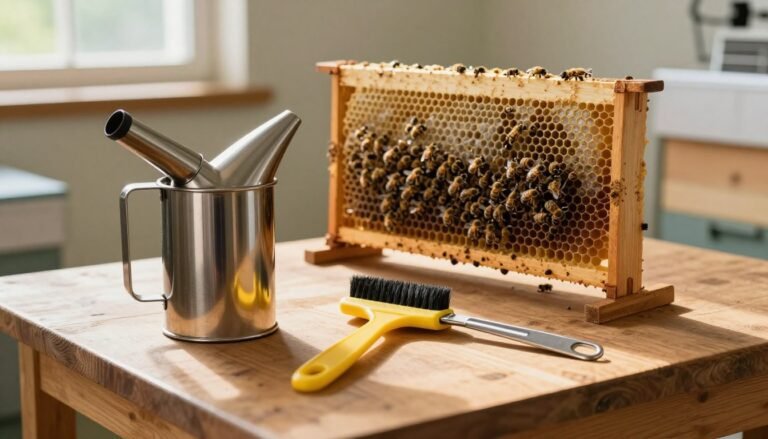
A smoker is an essential tool for calming bees. By producing smoke, it masks the alarm pheromones produced by bees, making them less aggressive. This simple but crucial tool makes nearly every hive inspection noticeably calmer and safer, and most experienced beekeepers consider it non-negotiable equipment rather than optional.
Hive Tool
This simple metal bar is genuinely indispensable for prying apart frames that bees have glued together, separating stacked hive bodies, and scraping away excess wax and sticky propolis buildup during routine inspections.
Advanced Beekeeping Techniques

Beekeeping is a craft that evolves with experience. As beekeepers gain more knowledge and familiarity with their bees, they often explore advanced techniques to optimize honey production, maintain healthier colonies, and tackle challenges that arise.
Splitting Hives
One of the advanced techniques in beekeeping is hive splitting. This method involves dividing a single, strong colony into two separate colonies. Hive splitting, done at the right time, can help prevent unwanted swarming, meaningfully increase overall honey production, and establish healthy new colonies from an already-thriving parent hive.
Steps to Split a Hive:
- Choose the Right Time: Spring is generally considered the ideal time for hive splitting, when the parent colony is strong and building up quickly, and there’s plenty of fresh forage available to support two colonies instead of one.
- Select a Strong Colony: The parent colony should be genuinely healthy, robust, and well beyond the minimum population needed to support splitting off resources without weakening itself.
- Prepare New Hive Equipment: Ensure you have a complete new hive box, matching frames, and every other piece of necessary equipment ready and assembled before you actually open the parent hive.
- Transfer Frames: Carefully move frames containing a good mix of brood at different stages, stored honey, and pollen over to the new hive, giving it the best possible start.
- Introduce a New Queen: If the new split doesn’t come with an existing queen, introduce a properly mated queen as soon as reasonably possible to give the fledgling colony its best chance of success.
Requeening
Requeening simply means replacing an aging or clearly underperforming queen with a fresh, healthy new one. This technique can revitalize a weak colony, prevent swarming, and improve honey production.
Benefits of Requeening:
- Improved Colony Health: A fresh, healthy new queen can noticeably boost the entire colony’s overall health, egg-laying rate, and general vigor within just a few weeks.
- Increased Honey Production: A young, actively laying queen produces considerably more eggs than an aging one, leading directly to a larger, more substantial workforce available for foraging and honey production.
- Disease Resistance: Some beekeepers deliberately requeen with specific breeder queen lines known for stronger disease and mite resistance, gradually improving the genetics of their entire operation over time.
Integrated Pest Management (IPM)
IPM is a holistic approach to pest and disease management in beekeeping. Instead of relying solely on chemical treatments as a first resort, IPM deliberately combines several different strategies together to keep pests and diseases genuinely at bay over the long term.
IPM Strategies:
- Regular Hive Inspections: Monitor for signs of pests and diseases.
- Cultural Controls: Implement specific beekeeping practices that reduce pest populations naturally, such as periodic drone brood removal, which targets a favorite breeding site for Varroa mites.
- Biological Controls: Introduce or encourage natural predators of common bee pests where appropriate, reducing reliance on chemical intervention.
- Chemical Controls: Reserve chemical treatments strictly for when other approaches have failed, opting for organic acids or otherwise less harmful options whenever a reasonable alternative exists.
Frequently Asked Questions (FAQs)
- Q: How often should I inspect my hive?
- A: Regular inspections are genuinely crucial for both hive health and beekeeper safety. During peak season, inspect roughly every 7 to 10 days; during the off-season, once a month is usually sufficient to keep an eye on things.
- Q: Can I manage multiple hives simultaneously?
- A: Yes, absolutely; many beekeepers successfully manage multiple hives at once. However, it’s important to honestly ensure you have the time, physical stamina, and resources to care for each individual hive adequately.
- Q: How do I prevent my bees from swarming?
- A: Regular hive inspections that catch overcrowding early, consistently providing enough available space, and proactive hive splitting are all genuinely effective strategies to prevent unwanted swarming before it happens.
In the world of beekeeping, there’s always more to learn and explore. Advanced techniques can genuinely enhance your overall beekeeping experience, but they require a solid foundation of knowledge, real patience, and plenty of hands-on practice before attempting them confidently. Always prioritize the well-being of your bees above short-term convenience, and continue educating yourself consistently to become a genuinely successful, confident beekeeper over time.
FAQ
What’s the most important piece of protective equipment for a beekeeper?
A well-fitted veil is generally considered the single most important piece of gear, since facial stings carry the highest risk and cause the most alarm, though a full suit and sturdy gloves add valuable further protection.
How can beekeepers recognize when bees are becoming agitated?
A rising buzzing pitch, bees repeatedly bumping into the veil, and a noticeable rise in guard bee activity right at the entrance are all early, worthwhile warning signs of agitation to take seriously.
How does regular hive maintenance improve safety?
A clean, consistently well-maintained hive is genuinely less likely to harbor the pests or disease that make colonies more defensive, so routine upkeep indirectly but meaningfully reduces overall sting risk too.