Published September 2, 2026
Fireweed honey has one of the more unusual origin stories among the single-source honeys covered on this site: it comes almost entirely from a plant that thrives specifically on disturbed, burned, or freshly logged land, meaning its supply is tied directly to wildfire and clear-cut activity in a handful of northern regions. That connection between destruction and one of the beekeeping world’s most delicately flavored honeys is genuinely worth understanding on its own, well beyond the marketing appeal of the name. This guide covers what fireweed honey actually is, why wildfire and logging activity shape its supply, its light, tea-like flavor, and how it compares to the site’s other rare regional honey varieties.
Table of Contents
- What Fireweed Honey Actually Is
- The Wildfire and Logging Connection
- The Flavor: Light, Delicate, and Almost Water-White
- Where Fireweed Honey Is Produced
- A Short, Fast-Moving Bloom Window
- Price and Value
- Culinary Uses and Fireweed Cream Honey
- How It Compares to Other Rare Honeys on This Site
- How Beekeepers Position Hives for a Fireweed Flow
- Common Mistakes
- Verifying Authenticity
- Frequently Asked Questions
What Fireweed Honey Actually Is
Fireweed honey is a monofloral honey produced when honeybees forage predominantly on fireweed (Chamerion angustifolium, also classified in some references as Epilobium angustifolium), a tall, pink-to-magenta-flowered perennial plant native across much of the northern United States, Canada, and Alaska. Fireweed earns its name from its distinctive ecological role as a pioneer species, one of the very first plants to colonize land recently cleared by wildfire, and it grows just as readily on other disturbed ground like logging clear-cuts, avalanche paths, and roadside embankments. That pioneer behavior, rather than any connection to the honey’s flavor or color, is the actual source of the plant’s name and, by extension, the honey’s.
The Wildfire and Logging Connection
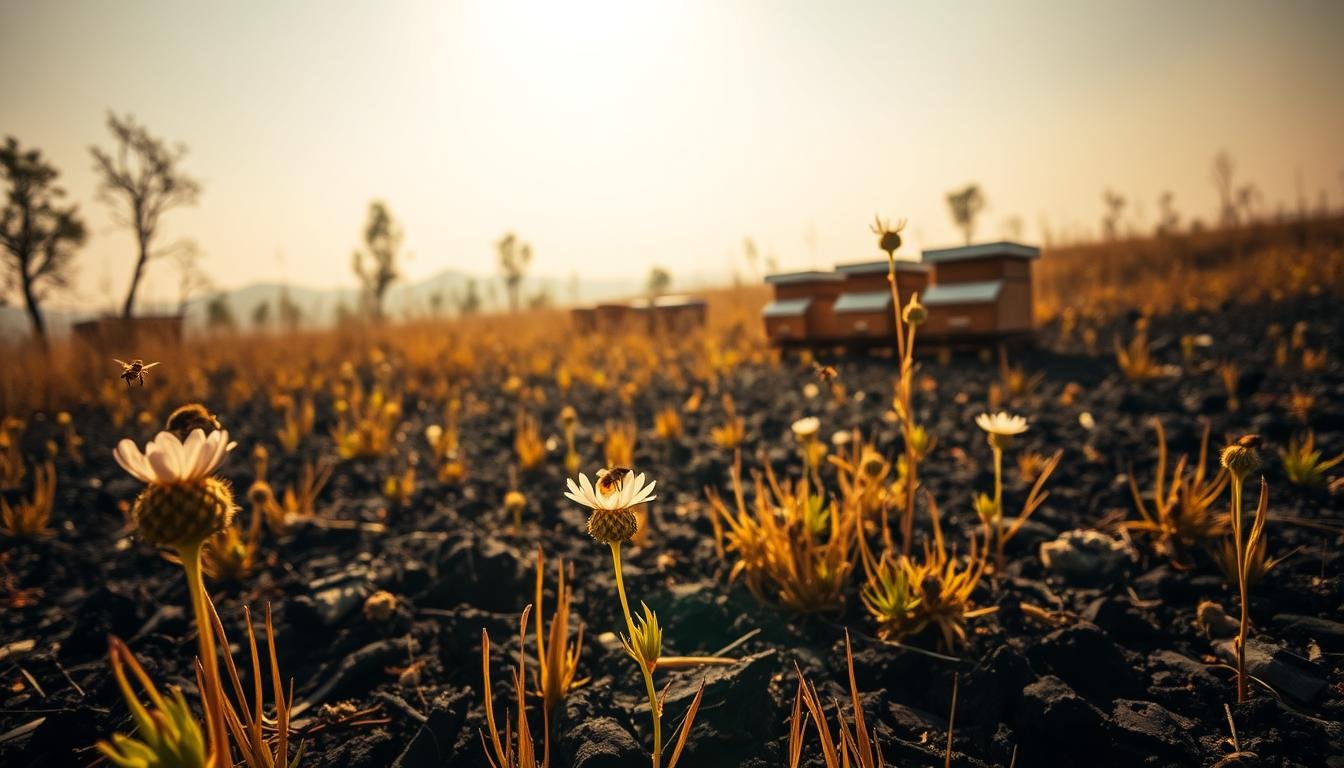
Because fireweed specifically requires open, sunlit, recently disturbed soil to establish and thrive, its abundance in a given area tracks closely with recent wildfire activity or timber harvesting, and large, dense fireweed stands are a well-documented, predictable feature of the years immediately following a major burn or clear-cut. Beekeepers working fireweed country, concentrated heavily in Alaska and parts of the Pacific Northwest and interior Canada, often follow this pattern deliberately, positioning hives near recently burned or logged land specifically to capture a fireweed bloom that may only be strong for a handful of years before surrounding vegetation matures and crowds the plant back out. This makes fireweed honey supply genuinely tied to regional disturbance events in a way that’s fairly unusual among the honey varieties covered on this site.
Does this mean fireweed honey production actually goes up after a bad wildfire season?
Often yes, with a lag; a significant burn typically creates strong fireweed stands beginning the following growing season and continuing for several years afterward, so beekeepers in fireweed-producing regions do sometimes see increased fireweed forage in the years following major regional fire activity, though the relationship depends heavily on burn severity, soil conditions, and how quickly other competing vegetation returns.
The Flavor: Light, Delicate, and Almost Water-White
Fireweed honey is prized specifically for its exceptionally light color, often described as water-white or pale straw, paired with a delicate, subtly spiced flavor that many tasters compare to light caramel, a faint tea-like quality, or occasionally a hint of buttery smoothness. It’s a notably mild, gentle honey with none of the bold, assertive character of darker varieties, closer in general lightness to tupelo honey, covered elsewhere on this site, though the two have genuinely distinct flavor profiles beyond their shared pale coloring. That lightness and subtlety are a large part of why fireweed honey commands real interest from honey enthusiasts specifically seeking out delicate, low-intensity varieties rather than the bolder wildflower or dark honeys more commonly found in stores.
Where Fireweed Honey Is Produced
Alaska is the single most significant fireweed honey producing region in the United States, with the plant blanketing huge swaths of the state’s roadside, forest-edge, and post-disturbance land during peak summer bloom, and Alaskan fireweed honey has developed a genuine regional identity and following as a result. Parts of the Pacific Northwest, particularly areas with active logging or recent wildfire history in Washington, Oregon, and interior British Columbia, also produce meaningful quantities, along with similar high-latitude regions internationally, including parts of Russia and Scandinavia where fireweed grows under comparable ecological conditions. Beekeepers in these regions frequently combine fireweed honey production with broader wildflower honey operations, since the two blooms often overlap seasonally in the same general areas.
A Short, Fast-Moving Bloom Window
Fireweed has a distinctive, highly visible blooming pattern that beekeepers in the region use as a practical seasonal marker: flowers open progressively up the tall flower spike from bottom to top over roughly four to six weeks during mid-to-late summer, meaning the plant’s bloom stage is easy to gauge at a glance simply by how far up the stalk the flowers have opened. Once the very top of the spike blooms and fades, that’s traditionally treated as a reliable signal that summer’s peak nectar flow is winding down in many northern beekeeping regions, a well-known enough pattern that “fireweed is topping out” functions as informal shorthand among beekeepers working these areas for the changing of the season.
Why is the bloom window for fireweed shorter than for many other single-source honeys covered on this site?
Fireweed’s bloom is compressed into the relatively short northern summer growing season common to the high-latitude regions where it thrives, unlike lower-latitude single-source plants such as orange or avocado trees that can bloom over a longer calendar window, so beekeepers working fireweed country generally have a narrower, more time-pressured harvest period to work within.
Price and Value
Fireweed honey is a genuine specialty product, typically priced in the $12 to $20 per pound range from Alaskan and Pacific Northwest producers, a premium reflecting its regional limitation, relatively short and unpredictable bloom window, and strong existing following among honey enthusiasts who specifically seek it out. That pricing places it in a similar general tier to other rare regional single-source honeys covered on this site, including sourwood and tupelo, each commanding a comparable premium for broadly similar reasons: geographic scarcity combined with a genuinely distinctive flavor experience.
Culinary Uses and Fireweed Cream Honey
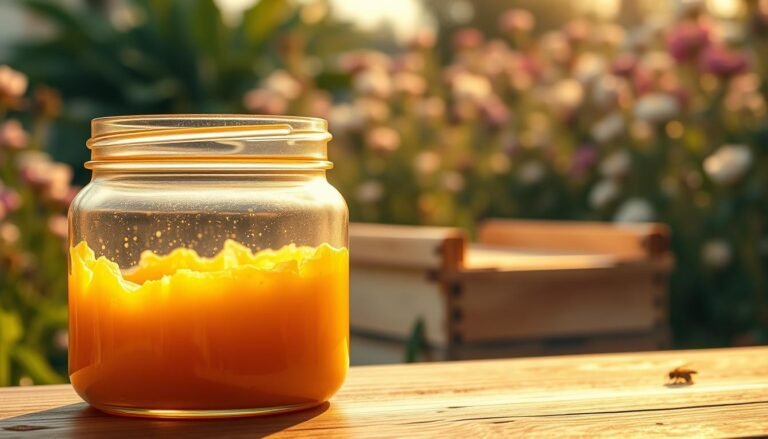
Fireweed honey’s light, delicate flavor makes it a popular choice drizzled over mild foods where a stronger honey would overpower the dish, including plain yogurt, delicate pastries, or a simple cup of tea, and its subtlety is often specifically preferred by people who find darker, bolder honeys too intense for everyday use. It’s also commonly sold as creamed or whipped honey, sometimes marketed as “fireweed cream honey,” a controlled, finely crystallized texture achieved by seeding the honey with a small amount of already-crystallized honey and holding it at a cool, stable temperature, producing a smooth, spreadable consistency that’s become something of a signature format for the variety in Alaska specifically.
Why does fireweed honey seem to get creamed or whipped more often than other single-source honeys on this site?
Fireweed honey’s naturally fine crystal structure lends itself particularly well to the creaming process, producing an unusually smooth, non-gritty texture compared to some other honey varieties when whipped, which is part of why Alaskan producers in particular have leaned into creamed fireweed honey as a recognizable regional specialty product.
How It Compares to Other Rare Honeys on This Site
Fireweed honey shares the general “rare, regionally limited, premium-priced” category with several other single-source honeys covered on this site, but its underlying story is genuinely distinct: where tupelo honey depends on a narrow swamp habitat and orange blossom honey depends on cultivated citrus groves, fireweed honey depends specifically on disturbance ecology, wildfire and logging activity creating the open ground the plant needs to thrive. That makes fireweed honey supply somewhat more variable and less predictable year to year than honey tied to a stable cultivated crop, since it’s ultimately downstream of unpredictable natural and land-management events rather than planned agricultural cycles.
How Beekeepers Position Hives for a Fireweed Flow
Because fireweed stands are tied to specific disturbance events rather than being reliably present everywhere year after year, beekeepers working fireweed country generally need to actively track wildfire history, logging schedules, and land-access permissions across a wider area than they would for a honey source tied to a stable, permanent crop. Many Alaskan and Pacific Northwest beekeepers maintain relationships with logging companies, land managers, or forest service contacts specifically to learn about newly accessible burn or clear-cut areas likely to support strong fireweed stands in the coming seasons, then move colonies into those areas for the relatively brief bloom window once conditions look promising. This kind of opportunistic, disturbance-tracking approach to hive placement is a genuinely distinctive aspect of fireweed beekeeping compared to the more predictable seasonal routines built around established agricultural or orchard forage covered elsewhere on this site.
Do beekeepers ever need permission to place hives on recently burned or logged public land for a fireweed flow?
Often yes; much of the prime fireweed habitat in Alaska and the Pacific Northwest sits on public or timber-company land, so beekeepers frequently need to secure access permits or informal permission before placing colonies there, an additional logistical step not required for hives kept on private agricultural land near a cultivated crop.
Common Mistakes
The most common mistake is assuming any pale, light-colored honey from Alaska or the Pacific Northwest is automatically genuine fireweed honey, when much of what’s sold regionally is actually a broader wildflower blend that includes fireweed alongside other northern forage plants rather than a true single-source product. Another mistake is assuming the “fire” in the name means the honey has any smoky or scorched flavor characteristic, when its actual profile is delicate and mild, essentially the opposite of anything smoky. People also sometimes assume fireweed is a rare or endangered plant given its wildfire association, when it’s actually an extremely common, fast-spreading pioneer species precisely because it’s so well adapted to exploit disturbed land.
Verifying Authenticity
Because genuine single-source fireweed honey requires bees foraging predominantly on fireweed specifically during its bloom window, rather than just general regional proximity to fireweed stands, buying from a known Alaskan or Pacific Northwest producer transparent about hive location and harvest timing remains the most reliable way to get an authentic product. Readers wanting broader guidance on identifying adulterated or mislabeled honey in general can consult this site’s complete guide to detecting fake honey, and those weighing a specialty regional honey like this against imported alternatives may find this site’s local honey vs. imported honey guide useful context as well.
Frequently Asked Questions
Does fireweed honey crystallize the way other light honeys do?
Yes, and it’s known for crystallizing into a particularly fine, smooth texture, which is part of why it’s such a popular candidate for creamed or whipped honey production; like all honey crystallization, it’s a normal process rather than a sign of spoilage, covered in more general depth in this site’s guide to why some honeys crystallize faster than others.
Is fireweed the same plant used in fireweed tea or other herbal fireweed products?
Yes, it’s the same plant; fireweed leaves are also used to make an herbal tea popular in Russia and parts of the Pacific Northwest, though the tea and the honey are entirely separate products made from different parts of the plant, and enjoying one doesn’t require any familiarity with the other.
Can home gardeners or small-scale beekeepers plant fireweed deliberately to attract bees?
Yes, fireweed is available through native plant nurseries in regions where it’s indigenous, and it’s a genuinely strong pollinator forage plant, though it can spread aggressively given its pioneer-species growth habit, so it’s generally best suited to larger properties or naturalized areas rather than small formal garden beds.
Is there a health or nutritional reason to specifically seek out fireweed honey over other light honeys?
Not based on any distinct, well-established research specifically singling out fireweed honey; like other light-colored honeys it generally tests lower in antioxidant content than darker varieties, and most of its appeal comes from its distinctive delicate flavor and regional identity rather than any documented unique health property.