Table of Contents
- The Short Answer
- The Real Factor: Processing, Not Just Origin
- What Freshness Markers Actually Show
- Why the Taste Genuinely Differs
- The Environmental Case for Local Honey
- Supporting Local Beekeepers and Pollinators
- Why “Local” Isn’t a Purity Guarantee
- Practical Guidance for Choosing
- Common Mistakes
- Where to Actually Find Genuine Local Honey
- A Note on Seasonal Availability
- Price Comparison: Local vs. Imported
- A Deeper Look at the Pollinator Argument
- A Note on the Local Honey and Allergies Claim
- A Beekeeper’s Honest Perspective
- Raw and Local Aren’t the Same Thing Either
- Local Honey as a Gift Choice
- Why Chefs and Restaurants Often Prefer Local
- A Note on International Honey Standards
The Short Answer
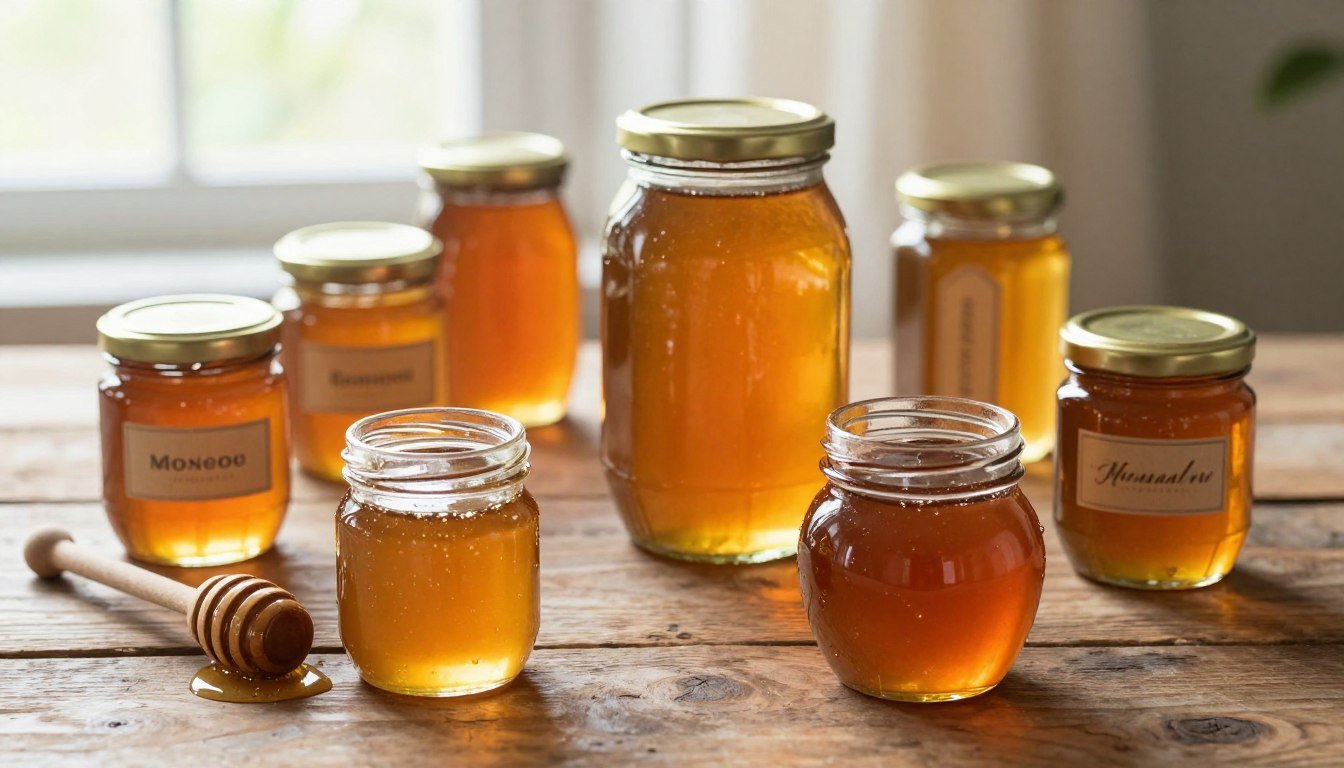
Local honey does have real, measurable advantages over imported honey in typical freshness markers, environmental footprint, and support for local beekeeping, but the single biggest factor affecting honey quality is actually processing, not geographic origin alone. Heavily processed local honey can lose the same qualities as heavily processed imported honey, and minimally processed imported honey can outperform a poorly handled local jar.
The Real Factor: Processing, Not Just Origin
How honey is handled after harvest, whether it’s heavily filtered and thermally processed to prevent crystallization and extend shelf appeal, or left minimally processed and closer to its raw state, matters more for actual quality than simply where the bees happened to forage. Local honey can be heavily filtered and processed just like commercial imported honey, and some imported honey stays genuinely minimally processed, meaning origin alone is an incomplete signal without also considering processing method.
What Freshness Markers Actually Show
At least one published comparative study found local honey with lower moisture content and lower HMF levels (a marker of heat damage and aging) than imported honey samples, alongside higher diastase activity, a specific enzyme marker indicating fresher, less thermally processed honey. This is real, measurable data from an actual comparative study, though it reflects one specific regional comparison rather than a universal law true of every local-versus-imported pairing everywhere.
Why the Taste Genuinely Differs
Local honey typically reflects the specific mix of wildflowers, trees, and crops blooming in a given region throughout the season, often producing a more complex, layered flavor profile than honey sourced from large-scale monocrop farming operations like sunflower or acacia plantations common in some major honey-exporting regions. Imported commercial honey blends also frequently combine honey from multiple countries and floral sources specifically to achieve a consistent, predictable flavor batch to batch, which is a reasonable commercial goal but genuinely trades away the floral-source complexity single-region local honey tends to offer.
The Environmental Case for Local Honey
Transporting honey over long international distances carries a real, documented carbon footprint from shipping and logistics, meaning local honey, produced and sold within a much shorter supply chain, genuinely represents a lower-carbon choice on this specific dimension. This environmental consideration is separate from the quality and freshness factors discussed above, but it’s a real, additional reason favoring local sourcing when all else is roughly equal.
Supporting Local Beekeepers and Pollinators
Buying local honey directly supports beekeepers actively maintaining hives in your region, which in turn supports local pollination of wild plants and, in many cases, nearby agricultural crops that benefit from healthy managed bee populations. This economic-support argument is genuinely distinct from any direct quality claim about the honey itself, representing a broader community and ecological benefit worth factoring into a purchasing decision alongside taste and freshness.
Why “Local” Isn’t a Purity Guarantee
As covered in more depth in our complete guide to spotting fake honey, buying local reduces certain fraud risks tied to long, opaque international supply chains, but it isn’t an automatic purity guarantee on its own; a local seller could still, in principle, sell blended or adulterated product, though this is considerably less common with a direct, known regional beekeeper than with anonymous imported supply chains. Verifying an actual beekeeper’s real hive locations remains a more reliable authenticity signal than the word “local” alone on a label.
Practical Guidance for Choosing
When genuine local honey from a known, verifiable beekeeper is available, it’s generally the strongest overall choice across freshness, flavor complexity, environmental impact, and community support simultaneously, making it a reasonable default preference. When local options aren’t available or practical, prioritizing minimally processed, single-origin imported honey with transparent labeling over heavily blended, unspecified-origin commercial honey captures much of the same processing-quality benefit even without the local sourcing advantage specifically.
Where to Actually Find Genuine Local Honey
Farmers markets, roadside stands, direct farm sales, and local beekeeping association member directories are generally the most reliable places to find genuinely local honey from a specific, identifiable beekeeper rather than a supermarket product simply labeled with vague regional language. A quick conversation with the seller about hive locations and harvest timing, similar to the verification approach covered in our guide to spotting fake honey, helps confirm you’re actually getting a direct, traceable local product.
A Note on Seasonal Availability
Local honey availability naturally follows regional bloom seasons, meaning the specific variety and flavor profile available from a local beekeeper will genuinely shift throughout the year and won’t offer the same year-round, consistent single flavor a large commercial imported brand can guarantee through blending and inventory management. This seasonal variation is arguably a feature rather than a drawback for anyone genuinely interested in tasting how local honey actually changes across a growing season, though it does mean less predictability for buyers wanting one consistent product available every month.
Price Comparison: Local vs. Imported
Genuine local honey typically costs more per unit than mass-market imported honey, reflecting real differences in production scale, labor costs, and the absence of the economies of scale large international commercial operations achieve through bulk processing and blending. This price gap is a genuine trade-off worth weighing against the freshness, flavor, environmental, and community-support advantages discussed throughout this article rather than assuming the cheaper option is simply a better deal without qualification.
A Deeper Look at the Pollinator Argument
Beyond the honey itself, healthy local managed bee populations, supported economically by local honey sales, contribute to pollination of nearby wild plants and, in agricultural areas, nearby food crops that benefit from reliable pollinator activity. This ripple effect, from a honey purchase to broader local ecosystem and agricultural support, is a genuinely distinct benefit from anything measurable in the honey itself, making the pollinator argument worth considering on its own separate merits.
A Note on the Local Honey and Allergies Claim
This article focuses specifically on freshness, processing, environmental, and economic considerations rather than the separate, popular claim that local honey relieves seasonal allergies, a distinct question covered in detail, and honestly debunked as weakly supported, in our dedicated article on that specific topic. These are two genuinely different claims about local honey, and conflating them risks either overselling this article’s practical advantages or underselling the real, separate limitations of the allergy claim specifically.
A Beekeeper’s Honest Perspective
From a working beekeeper’s point of view, the case for local honey is genuinely strong on the merits actually covered in this article, freshness, flavor, environmental impact, and community support, without needing to lean on the weaker allergy-relief claim some sellers still emphasize. A credible case for buying local doesn’t require every possible benefit to be true; the real ones discussed here are already a genuinely solid foundation on their own.
Raw and Local Aren’t the Same Thing Either
Just as “local” doesn’t automatically mean unadulterated, it also doesn’t automatically mean “raw” in the specific sense of minimally filtered and unpasteurized; a local beekeeper can choose to process their honey more heavily for various practical reasons, just as an imported product can be minimally processed. Checking directly with a local seller about their specific processing approach, rather than assuming “local” implies any particular processing method, gives a more accurate picture than the label terms alone.
Local Honey as a Gift Choice
Local honey makes a genuinely thoughtful gift specifically because it carries a real, specific story, where it came from, which beekeeper produced it, what was blooming that season, in a way mass-market imported honey generally can’t offer regardless of its own quality. This narrative dimension, distinct from any measurable quality difference, is part of why local honey remains a consistently popular choice for gifting even among people who might not otherwise think carefully about honey sourcing in their everyday purchases.
Why Chefs and Restaurants Often Prefer Local
Many chefs and restaurants specifically seek out local honey for menu items, both for the genuine flavor complexity discussed earlier and for the marketing and storytelling value of a traceable, regional ingredient that resonates with diners increasingly interested in food sourcing generally. This professional culinary preference reflects the same underlying real advantages, freshness and flavor complexity, that make local honey appealing to home cooks, just applied at a commercial scale with the added incentive of menu storytelling.
A Note on International Honey Standards
Different countries maintain different regulatory standards for what can legally be labeled and sold as honey, meaning imported honey’s actual quality baseline can vary meaningfully depending on the exporting country’s specific enforcement practices and testing rigor, a real regulatory variable separate from the general adulteration concerns covered in our fake honey guide. This regulatory variation is part of why single, verifiable local sourcing sidesteps a whole category of quality-consistency questions that imported honey, however genuinely well-produced, still has to navigate. A buyer who chooses genuinely local, directly verifiable honey never has to think about which country’s enforcement regime applied to their specific jar, since that entire question simply doesn’t arise when the supply chain begins and ends within a single, easily traceable region. That simplicity is itself a genuine, practical benefit worth naming directly, separate from any of the more measurable freshness or environmental advantages already discussed, since peace of mind about a purchase is a real value even when it cannot be quantified on a lab report the way moisture content or HMF levels can. Buyers who genuinely value that reassurance, and plenty reasonably do, are getting something legitimate for the premium they typically pay, even if that particular value never once shows up as its own clearly itemized line on any actual paper receipt they eventually take home from that particular local farmers market, seasonal roadside stand, or nearby neighborhood shop they simply happened to be visiting that particular week, that weekend, or one convenient afternoon off from work.
Common Mistakes
Assuming any honey labeled “local” is automatically superior in every respect overlooks that processing method, not just geographic origin, is the more precise variable actually driving most quality differences. Treating imported honey as inherently lower quality ignores that some imported single-origin honey remains minimally processed and genuinely high quality. Overlooking the real environmental and community-support arguments for local honey, focusing purely on taste or freshness comparisons, misses meaningful additional reasons favoring local sourcing beyond the honey’s measurable properties alone.
Sources
Findings reflect published comparative physicochemical studies of local and imported honey, carbon footprint research on honey production and transport, and general food-sourcing sustainability literature. For further verification, see the FDA’s report on economically motivated adulteration in honey.
FAQ
Is local honey actually better than imported honey?
Local honey does have real advantages in typical freshness markers, flavor complexity, environmental footprint, and community support, but processing method matters more than origin alone for overall quality.
Does local honey have fewer freshness issues than imported honey?
At least one comparative study found local honey with lower moisture, lower HMF (a heat-damage marker), and higher enzyme activity than imported samples, though this reflects one regional comparison rather than a universal rule.
Is local honey automatically pure and unadulterated?
Not automatically, though it reduces certain fraud risks tied to long international supply chains. Verifying an actual beekeeper’s real hive locations remains more reliable than the word “local” alone.
Why does local honey often taste different from imported honey?
Local honey typically reflects a region’s specific mix of blooming wildflowers and plants, often producing a more complex flavor, while imported commercial honey is frequently blended from monocrop sources for consistency.