Published August 31, 2026
Table of Contents
- What the Dakota Gunness Uncapper Actually Is
- A Farmer’s Grocery-Store Idea
- How the Chain-Flail Mechanism Works
- Equipment Specifications
- Uncapper vs. Hand-Held Uncapping Knives
- Uncapper vs. Uncapping Plane
- Real Throughput Advantage at Commercial Scale
- Maintenance and Durability
- Safety Considerations Around Moving Parts
- Who Actually Needs One
- Where It Fits in the Extraction Workflow
- Cost and Realistic Payback Timeline
- Frame and Foundation Compatibility Considerations
- Power Requirements and Honey House Setup
- Buying Used Equipment
- Scaling Up Gradually Rather Than All at Once
- Staffing an Uncapper During Harvest
- Why This Specific Machine Became an Industry Standard Name
- Tracking Performance and Maintenance Over Time
- Does Climate Affect Machine Performance?
- Common Mistakes
What the Dakota Gunness Uncapper Actually Is
The Dakota Gunness Uncapper is a patented mechanical uncapping machine that removes wax cappings from both sides of a honey frame simultaneously as it passes through on a conveyor, replacing the hand-held uncapping knife entirely for operations processing enough frames to justify the equipment investment. It’s one of the most recognized named pieces of commercial beekeeping equipment in North America, and understanding exactly how it works and who genuinely benefits from it helps separate real utility from equipment envy.
A Farmer’s Grocery-Store Idea
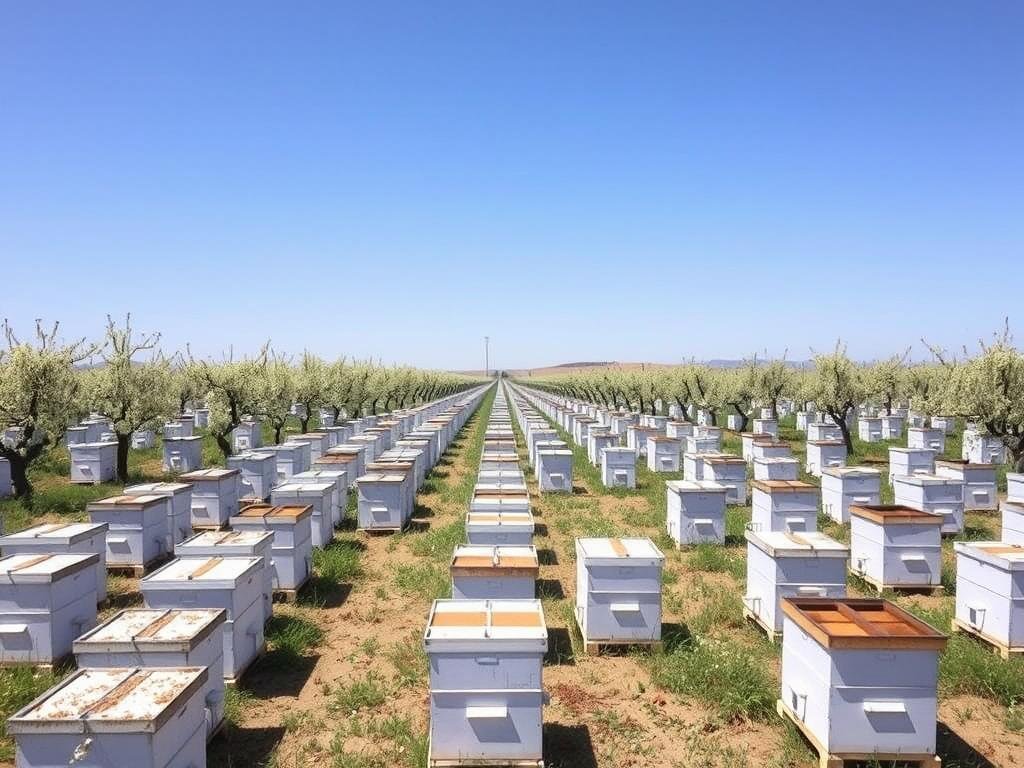
The uncapper was developed roughly two decades ago by a beekeeper and farmer from Abercrombie, North Dakota, with the core mechanical idea reportedly first occurring to him during an ordinary grocery store visit — a genuinely down-to-earth origin story for a machine now used by commercial beekeeping operations worldwide. This practical, farmer-engineered background is part of the equipment’s credibility within the commercial beekeeping community, distinct from equipment developed purely as a corporate product line.
How the Chain-Flail Mechanism Works
The machine uses rotating chain flails positioned both above and below the frame’s path, striking and removing cappings from both faces simultaneously as each frame passes through on a conveyor system, rather than requiring a beekeeper to manually pass a knife or plane across the comb surface by hand. This dual-sided, continuous-motion design is the core mechanical innovation that lets the machine process frames dramatically faster than any hand-uncapping method, since both sides are handled in one continuous pass rather than two separate manual strokes.
Equipment Specifications
The standard Dakota Gunness Uncapper measures roughly six feet long, three feet wide, and about 40 inches high, built from stainless steel throughout for food-safety compliance and long-term durability under the sticky, corrosive conditions of regular honey processing. This is genuinely substantial commercial equipment, not a scaled-down hobbyist version — the footprint alone signals that this machine is designed for operations with dedicated honey-house space, not a garage or small home workspace.
Uncapper vs. Hand-Held Uncapping Knives
Hand-held uncapping knives, whether heated electric knives or simple cold knives covered in our dedicated comparison guide, remain the standard tool for hobbyist and small-scale sideline beekeepers, requiring genuine hand skill but essentially no equipment investment beyond the knife itself — see our uncapping knife types comparison for the full breakdown. The Dakota Gunness Uncapper trades that low upfront cost for dramatically higher throughput, a trade that only pays off once frame volume reaches a scale where the time savings genuinely outweigh the substantial equipment cost.
Uncapper vs. Uncapping Plane
| Factor | Dakota Gunness Uncapper | Manual Uncapping Plane/Knife |
|---|---|---|
| Speed | Very high — continuous conveyor processing | Limited by hand speed and operator fatigue |
| Labor required | One operator can feed many frames | Direct hand labor per frame |
| Upfront cost | Substantial commercial investment | Low — a knife costs a fraction as much |
| Space requirement | Significant dedicated footprint | Minimal, works on a small counter or stand |
This comparison makes the core trade-off clear: the uncapper is a genuine throughput and labor-saving investment specifically for commercial-scale operations, not a general upgrade every beekeeper should aspire to regardless of scale.
Real Throughput Advantage at Commercial Scale
For a commercial operation processing hundreds or thousands of frames during a harvest season, the labor-hour savings from mechanical uncapping compound significantly over a full season, freeing up staff time for other extraction-workflow tasks and meaningfully shortening the total time a large harvest takes to fully process. This compounding labor benefit, not just the per-frame speed alone, is the real economic case for the equipment at genuine commercial scale.
Maintenance and Durability
Stainless steel construction throughout gives the machine genuine longevity under repeated honey-processing conditions, though the moving chain-flail mechanism does require periodic inspection and maintenance to keep functioning smoothly, and thorough cleaning after each use remains important given the sticky, residue-prone nature of honey and wax processing. Operations relying on the machine during peak season should build routine maintenance checks into their harvest-season workflow rather than treating the equipment as maintenance-free simply because of its stainless steel build.
Who Actually Needs One
Commercial and larger sideline beekeeping operations processing enough frame volume that hand-uncapping becomes a genuine bottleneck are the clear fit for this equipment. A hobbyist or small sideline operation processing a modest number of frames per season will almost certainly find a standard uncapping knife or plane more cost-effective, since the substantial equipment investment and dedicated space requirement simply aren’t justified at smaller scale.
Where It Fits in the Extraction Workflow
The uncapper handles the frame-uncapping step specifically, positioned between pulling frames from the hive and loading them into a standard honey extractor, with the removed cappings themselves then processed separately through a cappings spinner to recover residual honey before the wax goes on to rendering. Understanding this position in the broader workflow helps clarify that the uncapper is one specific link in a larger chain of dedicated equipment, not an all-in-one solution replacing every other extraction-process step.
Cost and Realistic Payback Timeline
The Dakota Gunness Uncapper represents a genuinely substantial capital investment compared to a hand knife, and the realistic payback calculation depends heavily on labor cost savings and total frame volume processed per season — operations running enough colonies to fill multiple harvest days with hand-uncapping labor see the clearest, fastest payback, while smaller operations may find the investment takes many seasons to justify, if it ever fully does at their scale. Calculating this specifically against your own labor costs and frame volume, rather than relying on a generic industry rule of thumb, gives the most useful answer for your particular operation.
Frame and Foundation Compatibility Considerations
Because the chain-flail mechanism physically strikes the comb surface on both sides, frames with irregular, bulged, or poorly drawn comb can process less cleanly through the machine than a beekeeper’s careful hand-knife technique might manage on the same imperfect frame, meaning maintaining generally well-drawn, standard-depth comb across your operation helps the equipment perform as designed. This is a genuine practical consideration for operations transitioning from hand-uncapping to mechanical processing for the first time — comb quality consistency matters more with mechanical equipment than it does with an adaptable human hand.
Power Requirements and Honey House Setup
Given its size and continuous-duty motor, the uncapper typically requires a dedicated electrical circuit and adequate floor space integrated into an operation’s broader honey-house layout, positioned logically between frame storage/staging and the extractor line rather than as an isolated afterthought. Operations planning a honey house from scratch, or renovating an existing space to accommodate this equipment, should factor the machine’s footprint and power needs into the overall workflow design from the beginning rather than trying to retrofit around it later.
Buying Used Equipment
Given the substantial cost of new commercial uncapping equipment, a genuine secondary market exists for used Dakota Gunness Uncappers, sometimes offering meaningful savings for operations that don’t need the absolute latest model — buyers should inspect the chain-flail mechanism and conveyor system carefully for wear, confirm the motor runs smoothly, and thoroughly clean and sanitize any used food-contact equipment before putting it into service, the same due diligence that applies to any significant piece of used extraction equipment.
Scaling Up Gradually Rather Than All at Once
Some sideline operations approaching commercial scale choose to rent time on a nearby commercial beekeeper’s uncapper, or share equipment cooperatively with other local operations, as an intermediate step before committing to their own purchase — a reasonable way to confirm the throughput benefit genuinely justifies the investment for your specific operation before spending the full equipment cost. This gradual-scaling approach mirrors similar reasonable caution worth applying to any major equipment purchase in a growing operation.
Staffing an Uncapper During Harvest
Operating the uncapper efficiently generally works best with a dedicated operator feeding frames consistently, paired with someone managing the extractor line downstream, since the machine’s continuous-conveyor design is built for a steady, sustained feed rather than intermittent, stop-and-start operation. Coordinating this staffing specifically for harvest days, rather than treating the equipment as something any available person can operate casually alongside other tasks, gets the most out of the throughput advantage the machine is actually designed to deliver.
Why This Specific Machine Became an Industry Standard Name
Two decades of reliable field use across commercial operations worldwide, combined with the machine’s straightforward stainless steel construction and relatively simple core mechanism (compared to more complex automated alternatives), have given the Dakota Gunness name genuine recognition and trust within the commercial beekeeping equipment world, functioning almost as a generic reference point the way certain brand names become synonymous with their entire product category. This reputation is a meaningful signal worth weighing alongside the pure mechanical specifications when comparing it against newer or less established competing uncapping machines.
Tracking Performance and Maintenance Over Time
Keeping simple records of frames processed per harvest, any maintenance performed, and observed comb-damage rates over successive seasons gives you genuinely useful data on the equipment’s real-world performance in your own operation, both for planning future maintenance proactively and for making an informed decision if you ever consider upgrading or expanding your uncapping capacity further down the line.
Does Climate Affect Machine Performance?
Ambient temperature and humidity can affect wax and cappings consistency somewhat, with warmer conditions generally producing softer, more easily removed cappings than cold-weather processing where wax hardens and can process less cleanly through any uncapping method, mechanical or manual. Operations in cooler climates sometimes find keeping the honey house at a moderate working temperature during processing improves results across their whole extraction workflow, not just the uncapping step specifically.
Common Mistakes
Buying commercial-scale uncapping equipment before your actual frame volume justifies the investment wastes money that could go toward other equipment more suited to your current operation size. Neglecting routine maintenance on the chain-flail mechanism, assuming stainless steel construction alone means the equipment needs no regular care, risks mechanical issues at the worst possible time — during peak harvest season. Underestimating the dedicated space requirement before purchase, then struggling to actually fit the equipment into an existing honey house, is an avoidable planning mistake worth checking before ordering.
Safety Considerations Around Moving Parts
As with any equipment involving moving mechanical parts and a conveyor system, operators should follow standard equipment safety practices — keeping hands and loose clothing clear of the flail mechanism, ensuring proper guards remain in place, and training anyone operating the machine specifically on safe loading and unloading procedures before their first unsupervised use.
Sources
Equipment history, mechanism, and specifications reflect published manufacturer and beekeeping industry documentation on the Dakota Gunness Uncapper’s development and design.
FAQ
How does the Dakota Gunness Uncapper remove cappings?
Rotating chain flails positioned above and below the frame’s path strike and remove cappings from both sides simultaneously as each frame passes through on a conveyor system.
Is this equipment suitable for hobbyist beekeepers?
Generally not — its substantial cost and dedicated footprint only make practical sense at commercial or larger sideline scale; hobbyists typically get better value from a standard hand-held uncapping knife or plane.
How big is the Dakota Gunness Uncapper?
The standard model measures roughly six feet long, three feet wide, and about 40 inches high — a substantial piece of commercial equipment requiring real dedicated space.
What is the machine made of?
Stainless steel throughout, chosen for food-safety compliance and durability under repeated honey-processing conditions.
Can the Dakota Gunness Uncapper damage comb for future reuse?
Well-drawn, standard comb generally passes through cleanly and remains reusable, though frames with irregular or poorly drawn comb can process less cleanly than a careful hand-knife technique might manage, making comb quality consistency a genuine practical consideration.
How many frames per hour can the uncapper handle?
Actual throughput varies with operator experience and comb condition, but the continuous dual-sided conveyor design processes frames considerably faster than any hand-uncapping method, which is the whole basis for its value at commercial scale.