Understanding timing matters when a virgin emerges from her cell in the hive. A first-year beekeeper often asks when egg production will begin, and that question shapes hive management and expectations.
Evidence from M.E.A. McNeil in The Hive and the Honey Bee notes that sexual maturity takes about five to six days after emergence. The full development from egg to emergence is fast—around 16 days—so the cycle is compact.
Biology drives the schedule: chitin must harden, pheromones must form, and mating flights must occur. Weather and drone availability can delay mating and the first egg laid by the mated female.
Patience pays off. Rushing to replace a young reproductive can harm brood and worker cohesion. For beekeepers in the United States, knowing this timeline helps protect colony health through the season.
Key Takeaways
- Virgin maturation usually needs five to six days after emergence.
- Egg-to-emergence takes roughly 16 days in the normal cycle.
- Mating flights, weather, and drones affect when workers see brood.
- Wait before replacing a reproductive to avoid harming the hive.
- Clear expectations help beekeepers manage colonies through the year.
Understanding the Queen Bee Life Cycle
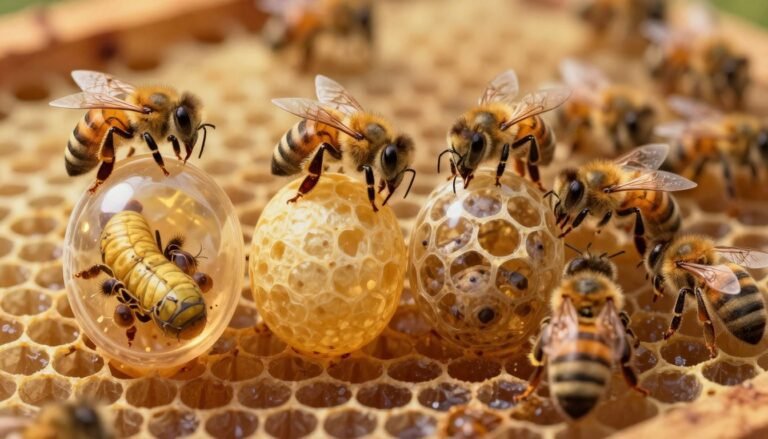
Caste fate in honey bees is set early, driven by food and cell design. A female larva placed into a peanut-shaped structure receives royal jelly and follows a different path than worker larvae. That difference changes development time and future colony roles.
Developmental stages
- The worker cycle takes about 21 days: three as an egg, five as a larva, and 13 capped.
- Queen larvae get an exclusive royal jelly diet from hatching; that diet triggers reproductive anatomy.
- Queen cells are built on the comb edge or surface to hold developing royals.
Nutrition determines caste. On day three, worker larvae get pollen and honey supplements that commit them to worker status. For queen rearing, beekeepers must graft larvae under 24 hours old so nurse bees can produce the necessary brood food.
Practical note: A strong starter colony needs sugar syrup and drawn comb to stimulate nurse bees and manage the cell builder balance for successful rearing. For more on methods, see queen rearing basics.
The Maturation Process After Emergence
Once free of the queen cell, a virgin undergoes a compact maturation that readies her for orientation and mating.
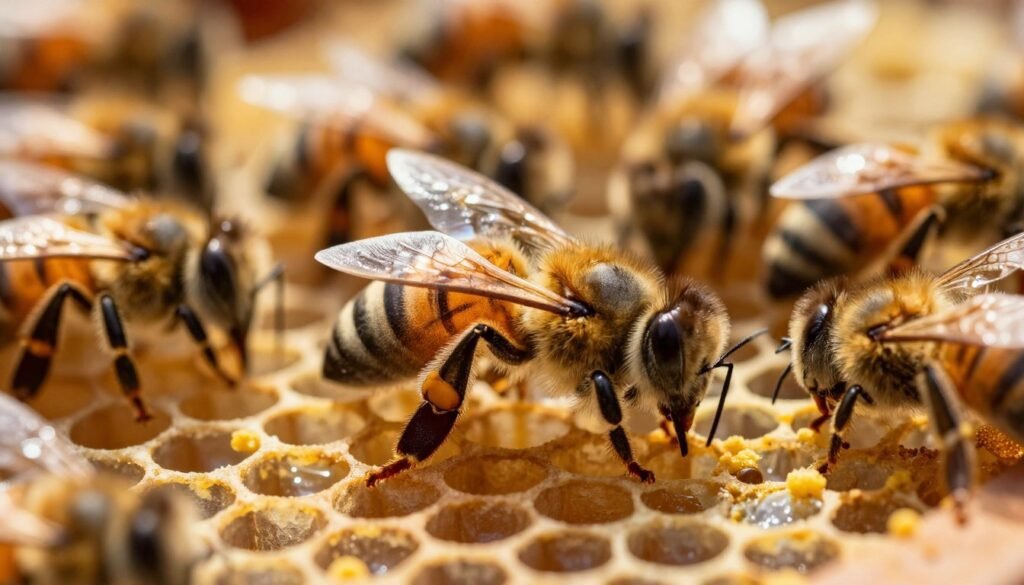
Physical changes follow quickly. Her chitin hardens and the wings firm up over several days. Nurse bees tend her and help with comb and brood duties while she matures.
Pheromones matter. Chemical signals develop that make her attractive to drones during mating flights. That signal also calms workers and stabilizes the colony.
- Typical timeline: about five to six days after emergence before sexual maturity and flight.
- Do not open nucleus hives during this period; disruption harms orientation and mating success.
- Bad weather can delay flights; confinement beyond twenty days raises the risk of drone brood and laying workers.
- Once ready, she will be escorted to sunny afternoon flights and travel to drone congregation areas for mating.
For details on expected brood and timing, refer to the mating timeline and plan inspections accordingly.
How Soon Should a New Queen Start Laying
After successful mating, most queens commence egg deposition within two to three days. That short lag lets sperm migrate into storage and for the queen to resume normal comb work.
From emergence to first egg, plan on about two to three weeks in most cases. This timeline includes days for maturation, one or more mating flights, and biological settling.
Weather can stretch the timetable. A week of rain or few drones raises the emerge-to-lay period to 19 days or longer.
- Typical: 14–21 days from emergence to consistent brood.
- Fast but rare: some queens may begin by day eight after emergence.
- Once the first egg is laid, expect about three weeks until that larva emerges as an adult worker.
“Patience matters: sperm migration and storage are biological steps that take time.”
For beekeepers, the best practice is to allow two to three weeks before making requeening decisions. Intervene only if no brood appears after this window or if laying workers are evident.
The Role of Mating Flights
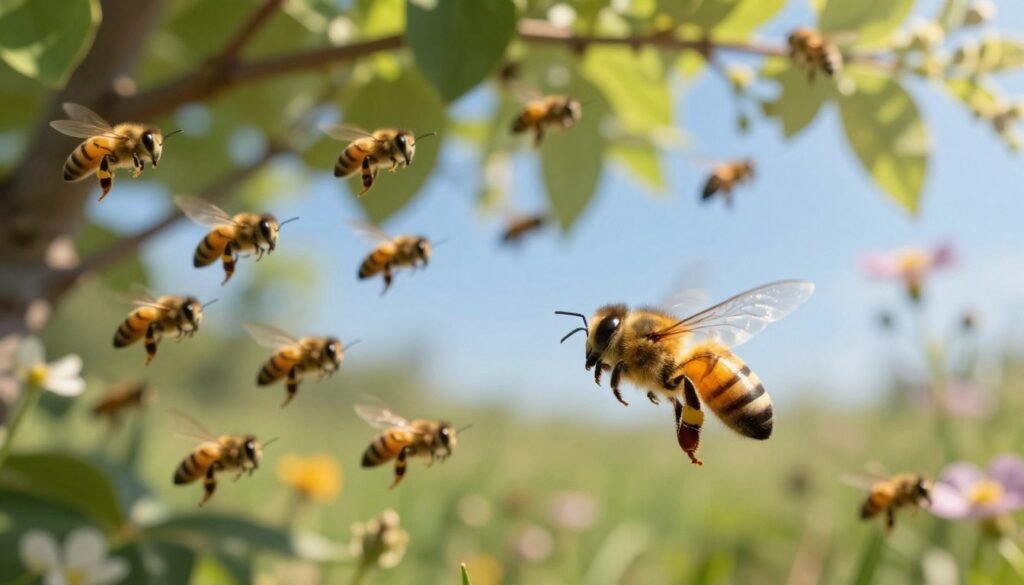
Mating flights are the field test that gives a virgin her sperm supply and sets colony destiny. These trips let her meet many drones and store sperm in the spermatheca for years of egg production.
Drone Congregation Areas
Drone congregation areas are fixed meeting spots where swarms of drones wait for flying queens.
- Drones need about 10–12 days after emergence to be sexually mature, so timing in the hive matters.
- A queen often mates with a dozen or more drones over several flights to ensure enough sperm for brood.
- Mating happens only in open air; poor weather can halt flights and extend the days before regular eggs appear.
- After flights, workers guide her home and she completes sperm storage; any extra is expelled before migration into the spermatheca.
“Good weather and ripe drone numbers are essential for successful mating flights.”
For field detail and flight patterns refer to queen mating flights.
Environmental Factors Influencing Mating Success
Worker bees keep the brood nest tightly regulated between 33°C and 36°C. That stable microclimate, with about 34.5°C in the center, supports pupal development and proper pheromone formation.
Temperature and humidity affect mating flights and post-flight fertility. Cool, wet weather limits flight days and reduces drone activity. Hot, dry stretches risk dehydration of developing queen cells during grafting or starter-box rearing.
Small thermal differences matter. Larvae reared near 32°C show reduced waggle-dance vigor when adult, and abnormal pupal temperatures change neuroanatomical outcomes that affect behavior and navigation.
- Provide shade and airflow for starter colonies during heat to protect queen cells.
- Ensure ample nectar and quality pollen so nurse bees sustain brood and larvae.
- Avoid grafting during very hot or very dry spells to limit cell dehydration.
“Microclimate and forage availability often determine whether mating flights yield stored sperm and timely brood.”
For deeper research on queen biology and colony temperature effects, consult this USDA paper.
Sperm Storage and Biological Readiness
Sperm must travel from the oviducts into the spermatheca before egg fertilization can begin.
After mating flights, the queen uses abdominal contractions to move sperm into the spermatheca. This migration can take up to 40 hours. Until storage completes, she is not biologically ready to lay fertilized eggs.
Excess sperm is expelled through the sting chamber if it is not stored. The spermatheca then serves as long-term storage, allowing fertilization for years and steady brood production.
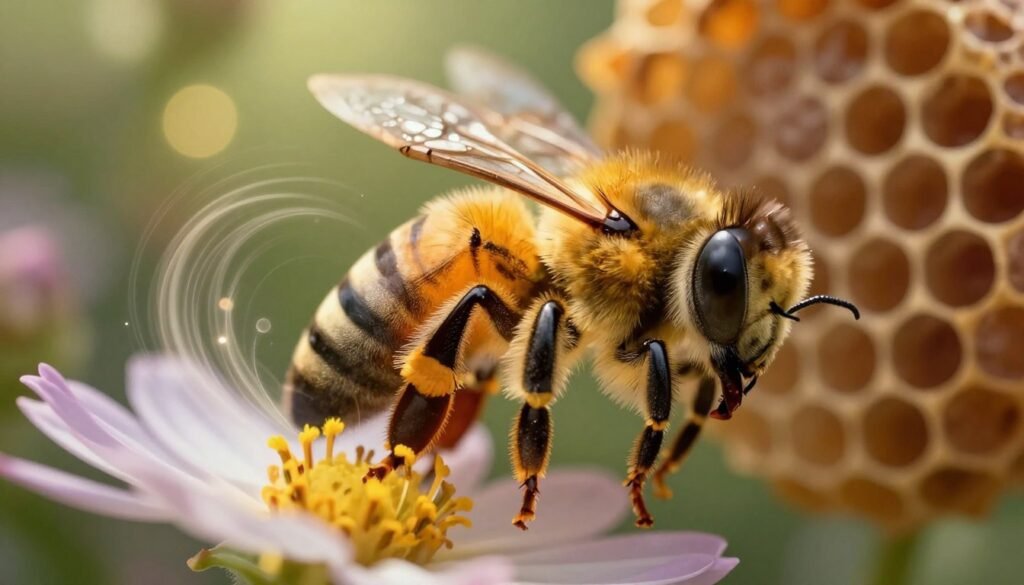
Beekeepers should watch the hive for signs of a laying female; visible brood means the storage worked. If the transfer fails, the colony risks drone-only brood and reduced worker numbers.
Monitoring frames and observing brood patterns helps set realistic time expectations. For methods to support population growth while the process completes, see boost colony population naturally.
“Sperm migration and secure storage are the final biological steps before fertilized eggs appear.”
Identifying Signs of a Laying Queen
A steady brood pattern is the clearest on-hive proof that mating flights and sperm storage finished successfully. Inspect frames gently to confirm that eggs and young brood appear in expected sequence. Keep checks brief to avoid disturbing nurse bees or the reproductive while she deposits.
Inspecting Brood Patterns
Look for uniform brood across the frame. Healthy brood forms dense patches of capped cells with few empty spots. This pattern shows the queen moves methodically and the colony is productive.
Identifying Eggs in Cells
One egg per cell, standing upright at the cell bottom, signals a properly mated female. Multiple eggs in a cell often point to laying workers, not a fertile queen.
| Sign | What it Means | Action |
|---|---|---|
| Uniform brood | Queen active and healthy | Monitor every 7–10 days |
| Single egg per cell | Successful mating and storage | Avoid disruptive inspections |
| Multiple eggs in cell | Laying workers likely | Consider requeening or intervention |
“Confirming eggs in cells is the surest sign the colony has a future generation developing.”
Note: A queen emerges 16 days after her egg was laid. If you see eggs within this timeframe plus expected flight days, the reproductive role is established and the hive is on track.
Why Some Queens Experience Delays
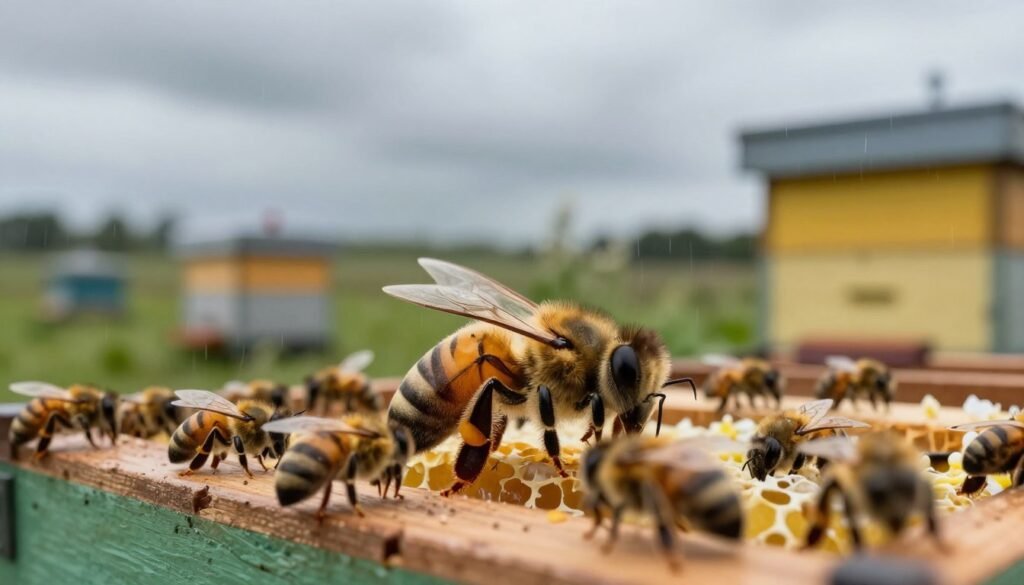
Autumn and fickle spring weather frequently cut the number of viable flight days for mating, stretching the timeline. Cool, wet stretches keep virgin females hive‑bound and cut drone activity. That simple change in conditions can add many days before eggs appear.
Physical damage also matters. Wing tears or poor wing formation can prevent successful flight and delay colony recovery. In such cases, the hive may see drone brood or no brood at all.
Some virgins need multiple mating trips when initial matings yield insufficient sperm. If a female stays inside the hive too long, she risks failing to mate and becoming a drone layer.
Practical checks: monitor frames for brood patterns and inspect cells without prolonged disturbance. Track the waiting period, and if eggs do not appear after expected days, consider requeening.
“Unfavorable weather and physical limits are the leading causes of delayed brood in many hives.”
For deeper brood-pattern analysis, review this heat‑mapping guide for brood assessment.
Risks of Extended Hive Confinement
Extended confinement in the hive raises a serious risk that an unmated female will become a drone layer.
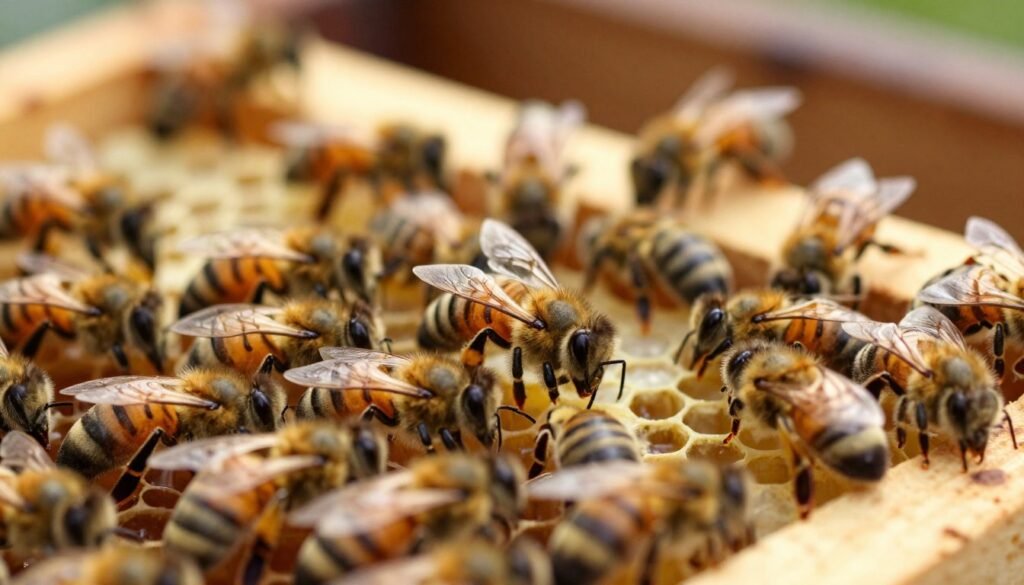
If a virgin cannot take mating flights within twenty days, she often remains infertile and lays unfertilized eggs. This creates drone-only brood and weakens the colony fast.
Watch for irregular brood patches and odd eggs in drone cells. Inspect a frame gently to confirm the problem. If multiple cells hold drone brood where worker larvae should appear, action is needed.
- Confinement beyond 20 days usually leads to drone layers.
- Drone layers reduce worker numbers and harm foraging and hive health.
- Poor weather and wing damage raise the risk in many hives.
| Issue | Sign | Recommended Action |
|---|---|---|
| Drone layer | Drone brood in worker cells | Requeen with a fertile female |
| Infertile virgin | No worker brood after mating window | Monitor 2–3 more days, then replace |
| Weather-limited mating | Delayed brood pattern | Provide shelter and check nearby hives for drones |
Prompt replacement of failed reproductives preserves workers and brood. For further guidance on long confinement cases, see what happens if a virgin is.
Managing Expectations for New Colonies
Set a minimum timeline of about 30 days from egg to an egg-producing female as a dependable baseline for planning. This estimate covers development, maturation, mating flights, and the first fertile deposits in cells.
Be patient. Allow the colony time to settle after introduction. Rushing inspections or swapping reproductives can stress bees and disrupt brood patterns.
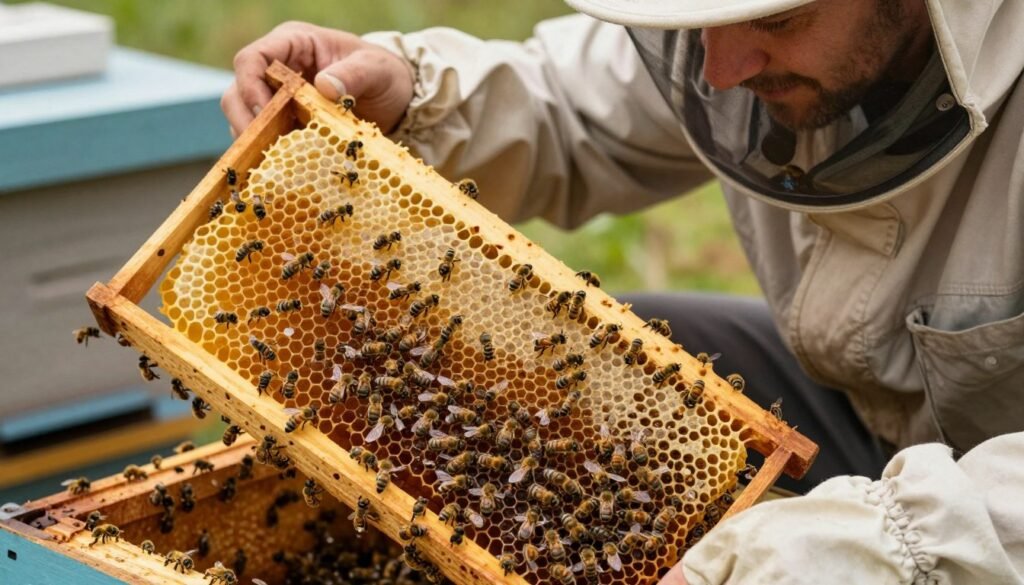
Regular, gentle checks of frames help monitor brood and larvae without undue disturbance. If a hive lacks brood after the expected window, investigate methodically rather than reactively.
- Provide stable food stores and calm conditions to support mating and brood rearing.
- A queenless colony can take several weeks to rear and mate a replacement; plan accordingly.
- Avoid unnecessary interventions that could interrupt pheromone formation or comb activity.
| Issue | Expected Timeframe | Recommended Action |
|---|---|---|
| Egg to egg-producing female | ~30 days minimum | Allow full cycle before requeening |
| Observed no brood | After 30–35 days | Inspect frames; consider replacement if infertile |
| Colony low on stores | Immediate | Supplement food to support brood and mating |
“Patience and steady support give the best chance for a successful transition in a young hive.”
For practical guidance on introductions, review recommended steps for a smooth acceptance and stabilization in this concise guide on successful honey bee queen introduction.
The Impact of Weather on Mating Windows
Local weather patterns are a leading factor that determines whether mating flights occur on schedule. Cold or rainy days often keep the virgin inside the hive and effectively close the mating window.
Sunny afternoons with temperatures in the 60s or higher are ideal for mating flights. When those conditions fail, the emerge-to-lay timeline can stretch; a week of steady rain may push progress to 19 days or more.
Beekeepers should watch forecasts and note warm, calm afternoons. That helps predict when queens will fly and why brood may appear later than expected.
- Weather controls flight opportunities and thus affects mating success.
- When flights are missed, infertility risk rises and the colony may show drone-only brood.
- During poor weather it is best to leave the hive undisturbed to protect orientation and future egg production.
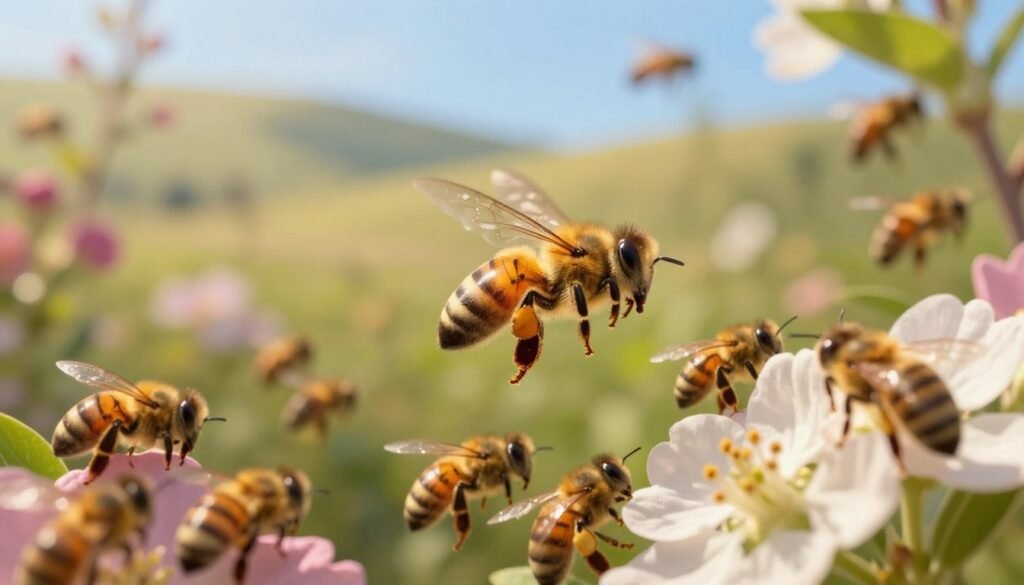
“Monitoring local conditions gives context for delayed brood and supports sound requeening decisions.”
When to Consider Requeening
Requeening becomes necessary when a colony shows sustained drops in worker production and erratic brood. Monitor frames for patchy brood or many drone cells. If no fertilized eggs appear after the expected days, consider replacement.
Common triggers:
- Drone-only brood or many drone cells in worker areas.
- Declining worker numbers or weak foraging over several days.
- Visible physical damage or a failing laying pattern on the frame.
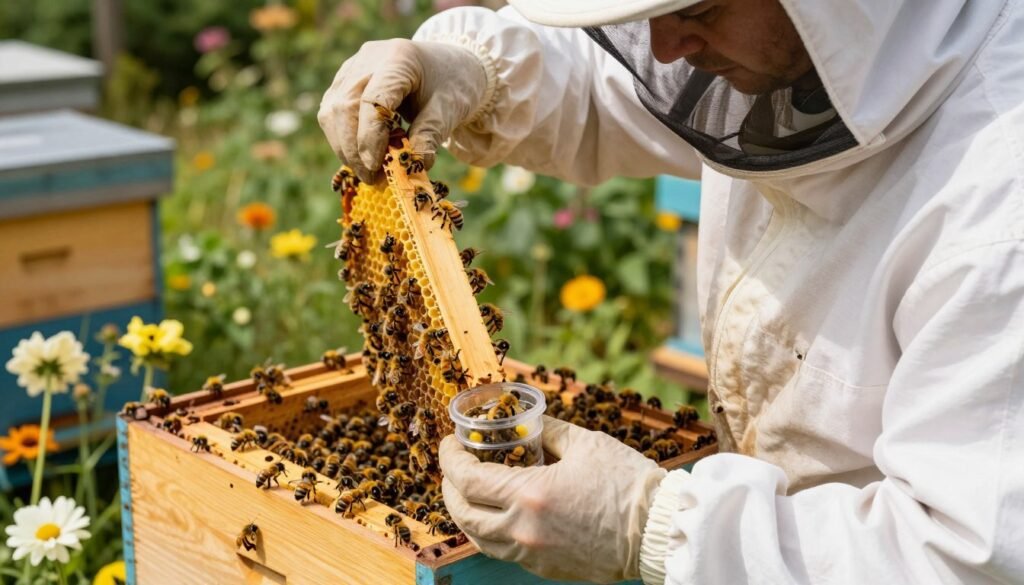
Beekeepers may buy laying queens from reputable breeders or rear their own when skilled. Requeening can also change strains to improve temperament, honey yield, or disease resistance.
Before you act, verify failure is genuine. Allow for mating delays caused by weather or poor drone availability. Check for larvae and single eggs in cells; confirm the problem is not temporary.
“Successful requeening can revitalize a struggling colony and secure long‑term productivity in the apiary.”
Use safe gear and calm techniques when opening the hive. Proper timing and gentle handling increase acceptance and give the colony the best chance to recover.
Monitoring Hive Health During the Waiting Period
Simple temperature and activity checks reveal when brood production ramps up. Use basic monitors to spot warm, steady zones that signal brood rearing.
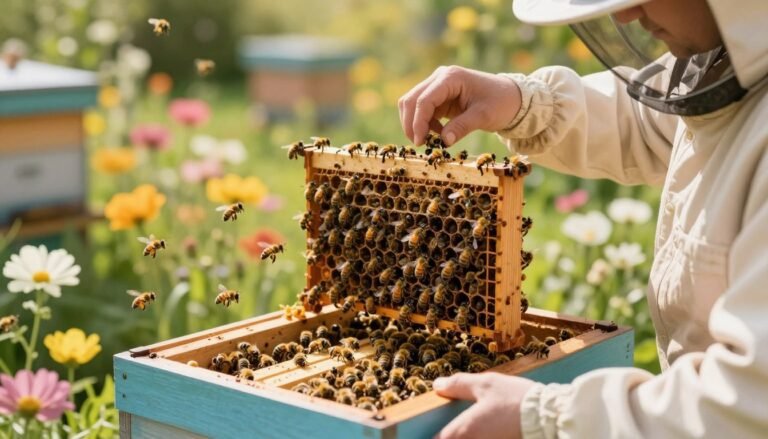
Keep inspections brief. Open the hive only long enough to look for eggs and assess brood condition. Frequent, long inspections disrupt nurse behavior and mating success.
Track key dates: mark the day the queen emerged and note expected flight and deposit days. A short log helps you compare progress across weeks.
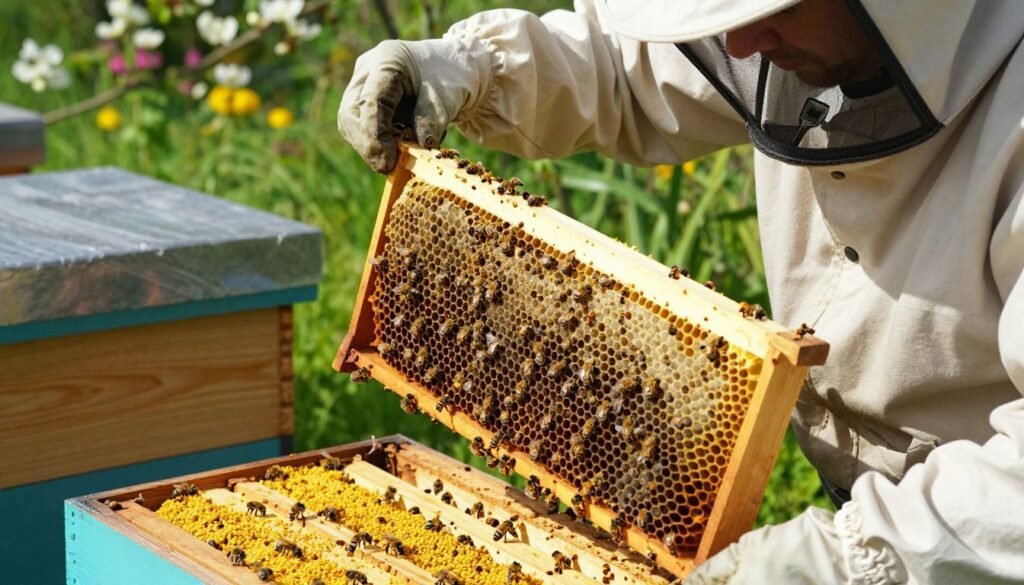
- Use temperature sensors to detect the rise that accompanies brood production.
- Confirm stores of honey and pollen so the colony can feed larvae and maintain brood.
- Watch for stress signs or disease and act early to support the bees.
| Indicator | What to watch | Action |
|---|---|---|
| Stable warm core | Brood rearing likely | Limit inspections; log temperature |
| Single eggs in cells | Fertile female present | Avoid disturbance; monitor weekly |
| Reduced activity | Stress or disease | Inspect gently; treat or supplement food |
“Gentle monitoring gives the reproductive the best chance to complete mating and begin regular brood production.”
Avoiding Common Beekeeping Mistakes
Many hive problems trace back to premature decisions rather than true failure of the reproductive. Panicked replacement of a queen after only a few days often harms brood and worker cohesion.
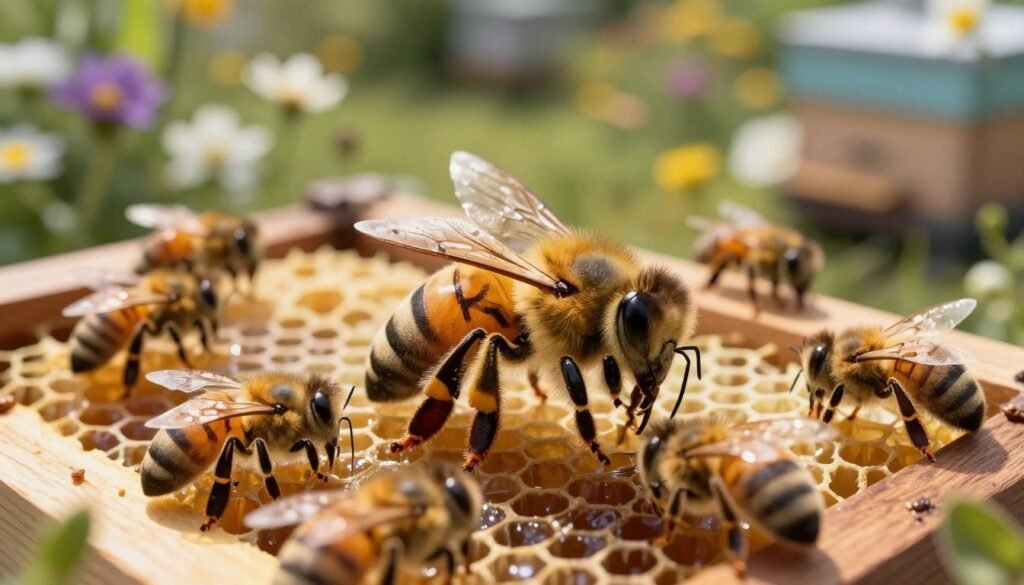
Keep inspections brief. Opening the hive too often during mating disrupts orientation flights and raises the risk of lost bees.
Protect developing cells by providing shade in hot weather and avoiding overcrowding of cell bars. Use proper grafting: only very young larvae produce quality queens.
- Monitor for Varroa and disease; early detection preserves brood and colony strength.
- Know the brood cycle timeline so you avoid unnecessary interventions within critical days.
- Wear proper protective gear and follow safe handling to reduce accidents when working with bees.
| Mistake | Sign | Fix |
|---|---|---|
| Rushed replacement | No brood yet but within expected window | Wait full mating period; monitor gently |
| Frequent hive openings | Disoriented workers; missed flights | Limit inspections to brief checks |
| Poor grafting or overloaded cell bars | Poor acceptance; weak brood | Use fresh larvae and fewer cell bars |
“Patience and proper technique save colonies more often than quick fixes.”
Conclusion
, Understanding invariant timings reduces rushed choices and protects brood rhythm in the hive. Respect biological calendars and let maturation, mating, and brood cycles complete before intervention.
Observe the colony with brief, regular checks during peak season. Note cell development and brood patterns, and record dates so decisions rest on evidence not haste.
Supportive actions—timely feeds, space for comb, and careful inspections—help colonies thrive. For timing details read timing and brood stages and for safe stimulation of brood see brood stimulation tips.
Work with the hive’s natural cycles to avoid errors, preserve worker numbers, and maintain strong, productive colonies into the season.
FAQ
How long after emergence will a queen begin laying eggs?
A mated queen typically begins laying within 3 to 7 days after her mating flights. Virgin queens may take longer because they must complete mating first. Beekeepers often see the first eggs on brood frames about one week after the queen returns from mating flights.
What steps occur in the queen bee life cycle before egg laying?
The queen develops from egg to adult in roughly 16 days. After emergence she receives intensive care from nurse bees, feeds on royal jelly during larval stages, then flies to mate with multiple drones at drone congregation areas. Successful mating and sperm storage in the spermatheca make her biologically ready to lay fertilized eggs.
How important is nutrition for queen development and early laying?
Nutrition is critical. Royal jelly during the larval phase programs queen anatomy and fertility. Once mated, the colony’s pollen and nectar stores support her egg production. Poor nutrition can reduce egg numbers and delay consistent brood patterns.
What is the usual maturation timeline after a queen emerges?
After emergence a queen spends 2–4 days in the hive while workers feed and groom her. She then takes mating flights over several days. Full reproductive maturity and steady laying often follow within a week to ten days of successful mating.
How do mating flights affect when eggs appear in the brood nest?
Mating flights are essential. A queen needs multiple matings with drones to collect enough sperm. Weather, drone availability, and the queen’s age influence mating success. If flights are delayed or unsuccessful, egg laying will be postponed until mating occurs.
Where do queens mate, and why does that matter?
Queens mate at drone congregation areas, locations where drones gather and wait for queens. These areas enable multiple drone encounters during short flights. Good access to healthy drone populations speeds successful mating and earlier egg-laying.
What environmental factors can delay mating and laying?
Rain, low temperatures, strong winds, and short daylight reduce mating flight opportunities. Low drone numbers in the region or early/late season conditions also reduce mating success, causing delays in brood production.
How does sperm storage influence egg production?
The spermatheca stores sperm collected during mating. A well-filled spermatheca lets the queen fertilize many eggs over years. Inadequate sperm leads to spotty brood or drone-biased offspring and can appear as delayed or poor laying patterns.
What signs indicate a queen is laying well?
Look for a consistent brood pattern: eggs in the centers of cells, a mix of larvae and capped brood across frames, and minimal empty cells among brood. Healthy worker bee numbers and foraging activity also suggest good laying performance.
How can I identify eggs and evaluate brood patterns?
Eggs are tiny white rice-grain shapes standing upright at the cell base. Inspect frames early morning for clearer views. Uniform distribution of eggs and development stages indicates a single active laying queen rather than laying workers or multiple failing queens.
Why might a queen experience delays in laying after introduction?
Delays happen when a queen fails to mate, suffers stress during transport, faces poor nutrition, or is superseded by workers. Queens confined too long in cages, poor weather, or low drone availability often cause slow starts.
What are the risks of keeping a queen confined in a hive for too long?
Extended confinement can weaken her, reduce mating chances, and give laying workers time to establish. Colonies with laying workers produce drones only and cannot recover until requeened. Prompt, careful introductions and timely release reduce these risks.
How should beekeepers set expectations for colonies with a newly introduced queen?
Expect 1–2 weeks from introduction to see steady brood, assuming good weather and drone presence. Check for eggs and brood on days 7–10. Maintain adequate pollen and nectar stores and avoid unnecessary disturbance during the waiting period.
How does weather limit mating windows for queens?
Queens typically fly on warm, calm, sunny days with temperatures above about 60°F (15°C). Extended cold, rainy, or windy spells shrink mating opportunities and can push laying back by days or weeks in some regions.
When should requeening be considered if a queen isn’t laying?
Consider requeening if no eggs appear within two weeks after a confirmed mating period, or if brood is mostly drone and the queen shows poor laying patterns. Confirm drone-layer issues before replacing the queen to avoid unnecessary actions.
What health checks help during the waiting period for egg laying?
Monitor stores of pollen and nectar, watch for brood diseases, inspect for mites, and confirm worker population strength. Healthy colony conditions support successful mating and egg laying. Address nutrition or pest problems promptly.
What common beekeeper mistakes delay a queen’s productive laying?
Common errors include introducing virgin queens in bad weather, poor timing with regional drone populations, overhandling or removing queen pheromone cues, and neglecting colony nutrition. Correct timing and care speed successful brood production.