Re-establishing a mated monarch in a hive with laying workers demands careful steps, steady timing, and patience. A healthy ruler emits pheromones that hold social order. When workers have begun laying, acceptance of a newcomer becomes difficult and often fails without proper tools.
Research supported by USDA (CARE grant 2020-68008-31409) emphasizes slow, protected release methods and correct cage use. Purdue Cooperative Extension offers clear guidance on inspecting frames for drone brood or scattered eggs, key signs of a problematic population.
Practical preparation includes confirming the hive is truly queenless, placing a caged mated queen where the cluster will meet her, and using queen candy for gradual acceptance over several days. If workers remain hostile, options include merging or restarting with proper resources.
Key Takeaways
- Confirm queenless status before any introduction.
- Slow release in a cage improves acceptance odds.
- Look for drone brood and scattered eggs as warning signs.
- USDA-funded research and Purdue materials support best practices.
- Patience and proper resources reduce risk of loss.
- Refer to detailed methods at installing a new queen.
Understanding the Challenges of Laying Worker Colonies
Laying worker situations pose unique obstacles that often derail requeening efforts. Inspectors must read signs on the comb and act with caution before any attempt at recovery.
Identifying Laying Workers
Look for scattered eggs across frames and multiple eggs in single cells. These patterns point to unfertilized eggs and drone brood produced by workers.
Check cells and adjacent brood. The absence of queen cells alongside scattered eggs is a strong clue the population lacks a fertile ruler.
Why Acceptance Fails
Worker physiology and pheromones change after prolonged queen absence. Workers that develop ovaries do not respond to the scent profile of a fertile queen.
A defensive group may ball a caged newcomer, causing physical harm despite protective measures. A cage helps, but it is not a guarantee when worker aggression and pheromone mismatch are present.
- Multiple eggs per cell = key indicator.
- Drone brood in worker cells signals prolonged queen loss.
- Inspect frames carefully before any requeening step.
Can You Introduce a Queen to a Laying Worker Colony
Re-establishing a fertile ruler in a population that has shifted to egg-laying by workers is one of the toughest tasks in apiary management.
Success rates are low. Workers that developed ovaries often reject newcomers. Brood patterns remain erratic, with drone brood scattered across frames and multiple eggs per cell.
If an attempt is made, use a proven method such as the BIAS method to transition the hive back to queenright status slowly.
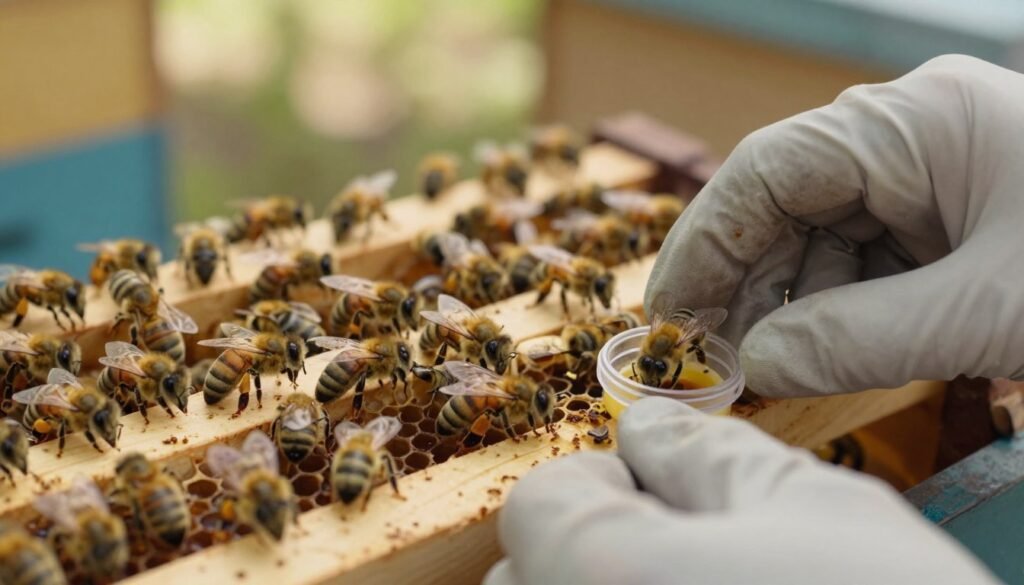
A secure cage is essential to protect the new ruler during acceptance. Even with protection, aggression can persist for days. Monitor the entrance and frames closely after release.
“A cage buys time, but it does not guarantee acceptance.”
- Suppress active layers or consider combining a small group with a stronger colony.
- Use resources wisely; often it is safer to move bees into other hives.
- Read practical guidance on dealing with laying-worker situations and choose the best queen cages for protected release.
Verifying the Queenless Status of Your Hive
A brief diagnostic test at the frames provides clear evidence of the colony’s reproductive state.
The Frame of Eggs Test
Introduce a frame with open brood from a healthy source and watch responses over several days. If the hive lacks a fertile queen, workers will usually begin to draw queen cells on that frame.
Inspect frames carefully for any sign of a hidden queen. Missed queens cause false positives and wasted effort. Note egg placement: centered eggs suggest a true laying female, while eggs on cell sides point to laying workers.
- If no queen cells appear within a few days, assume a queenless colony rather than a recovering hive.
- The presence of drone brood in worker cells is a strong red flag for laying workers and poor requeening prospects.
- Using a queen cage to protect an introduced frame of eggs helps preserve brood while the group evaluates the frame.
Record findings in a logbook and plan follow-up inspections during the post-inspection period. For practical background on hive checks and management, refer to beekeeping basics.
Preparing the Colony for a New Queen
Small changes in feeding and frame placement affect how receptive workers become.
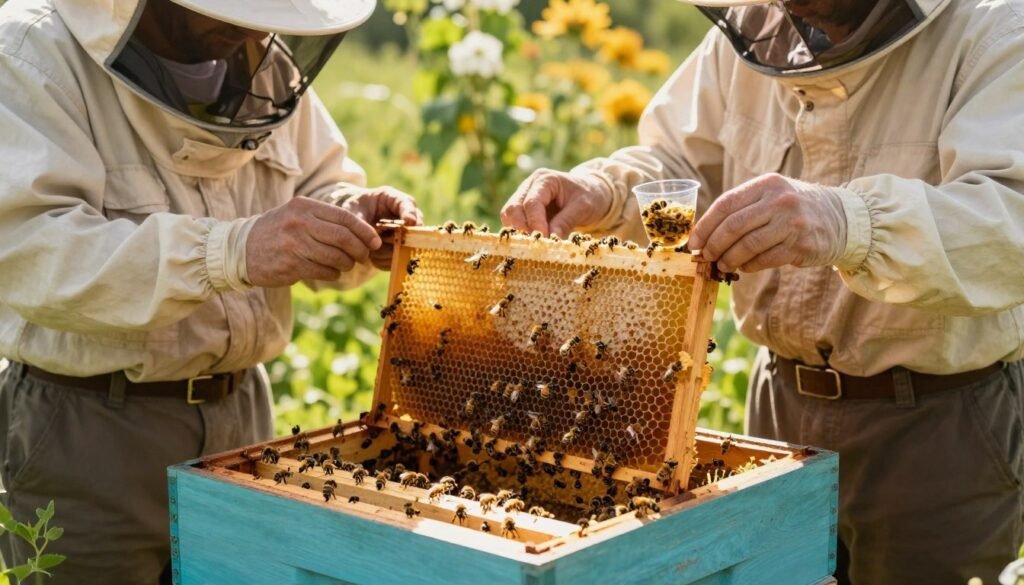
Start by removing any queen cells so attention stays on the incoming mated female. Allow the hive to remain without a fertile ruler for at least 24 hours; this helps workers recognize the need for new leadership.
Feed 1:1 sugar syrup to simulate a nectar flow and calm foraging behavior. A steady sugar boost often improves acceptance and supports brood care during the transition.
- Use queen candy in the cage to ensure a slow release over 2–4 days.
- A 3-by-5-inch push-in cage permits the new royal to begin to lay eggs while still protected.
- Wedge a Butler cage firmly between two frames of brood for natural placement within the nest.
Check the cage after a few days to confirm release and initial egg-laying. Ensure the candidate is vigorous before placement; an unhealthy mated female risks rejection and wasted time.
“Slow, protected release gives the best chance for long-term acceptance.”
For frame inspection guidelines and practical checks, consult the frame inspection guide, and for reasons workers reject newcomers see this acceptance overview.
The BIAS Method for Colony Recovery
Weekly insertion of brood, eggs, and larvae forms the backbone of the BIAS recovery plan. This method supplies young bees and suppresses laying workers by shifting the hive population toward nursing-age individuals.
Weekly Brood Rotation
Place one frame of open brood, eggs, and larvae into the hive once per week for three weeks. Remove the old frame each visit and replace it with a fresh one.
That steady rotation replenishes bees and reduces unfertilized egg laying. Keep notes in a logbook or box with dates and frame sources.
Monitoring for Queen Cells
Watch for queen cells over the three-week period. The appearance of new cells signals the group is recognizing a queenless colony state and may try to raise its own ruler.
- If queen cells appear: document location and number, then decide whether to let the hive rear a queen or to place a caged candidate later.
- No cells after three weeks: the hive is often ready for requeening or merging.
For step-by-step reports from beekeepers who used this approach, see this complete recovery thread and guidance on how to boost colony population naturally.
Advanced Techniques for Queen Introduction
Certain high-skill techniques speed acclimation but require experience and strict hygiene. These methods suit valuable stock when standard approaches fail.
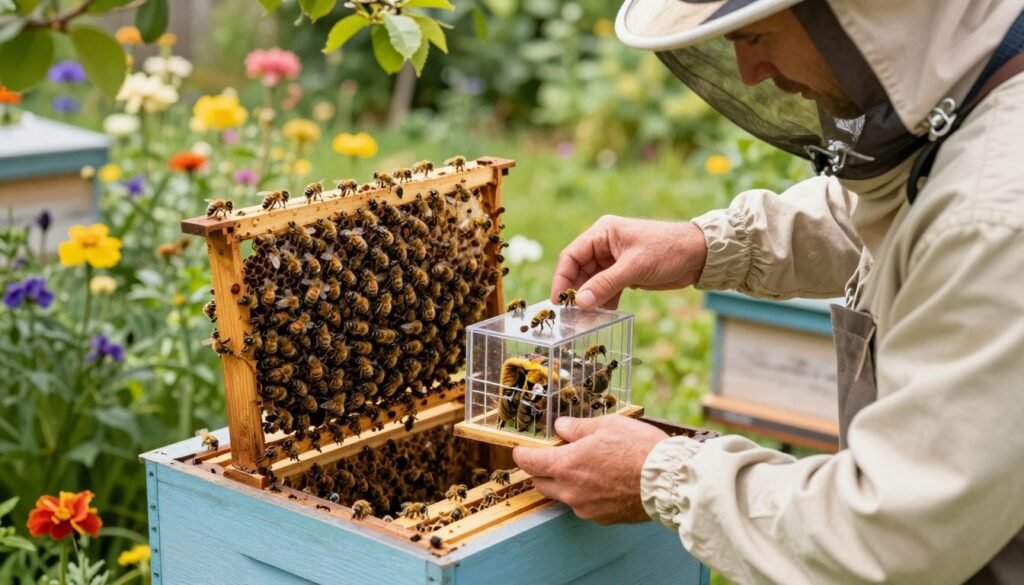
The Nicot cage permits placing a mated queen on a frame of emerging brood. That setting helps pheromones spread while the ruler stays protected. Attendants may travel with her, but manage them carefully to limit pathogen transfer.
Direct-release options include the smoke method. This involves running the queen in through the entrance and following with a gentle puff of cool smoke. Use this only with steady hands and good timing; missteps raise rejection risk.
Ensure the candidate is well-mated and vigorous before any direct step. Use queen candy or a slow-release plug when brief acclimation is needed. Allow time for scent permeation; pheromones must reach workers for stable acceptance.
- Reserve advanced methods for experienced beekeepers handling prized queens.
- Limit attendants and screen for disease when moving brood or bees between locations.
- Combine careful cage use, controlled exposure, and practiced technique for best results.
For step-by-step breeding and handling guidance, review the queen rearing basics before attempting these advanced methods.
Managing Risks During the Requeening Process
Risk control begins before any transfer. Limit hive exposure and plan each step to reduce disease and aggression.
Removing attendants from the shipping cage is advised. Attendant bees may carry pathogens such as Deformed Wing Virus. Wyatt Mangum reported that attendants slow acceptance and extend the time needed for peaceful integration.
Removing Attendant Bees
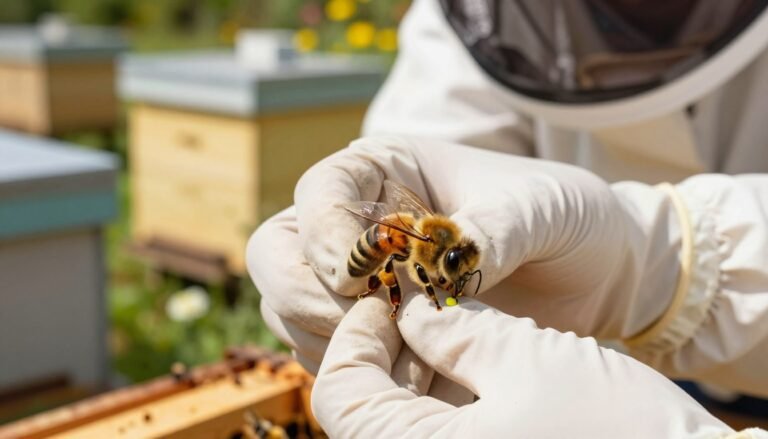
Handle the mated female gently during transfer. Remove escorts in a calm area and use a small cage for the new queen. This lowers pathogen risk and speeds scent recognition by resident workers.
Monitor the hive closely for aggression. Bees biting the cage or intense clustering indicate rejection. If hostility persists, keep the new queen in the cage for an extra 24 hours.
| Risk | Action | Typical time | Notes |
|---|---|---|---|
| Disease spread | Remove attendants; sterilize tools | Before placement | Limits DWV transmission |
| Worker hostility | Use slow-release cage; observe | 24–72 days | Extend cage time if biting observed |
| Pheromone disruption | Place near brood and eggs; minimal disturbance | First 48 hours | Pheromones must permeate for stable acceptance |
Beekeepers should record observations on brood pattern and frame placement after release. Careful handling and methodical checks reduce the chance of losing valuable stock and support long-term hive stability.
When to Abandon the Hive and Combine Resources
When recovery efforts drain time and resources, merging that hive with stronger neighbors may be the best path forward.
Long-term problems with laying workers often leave a hive too weak to recover. Persistent drone brood and scattered eggs waste stores and lower honey production.
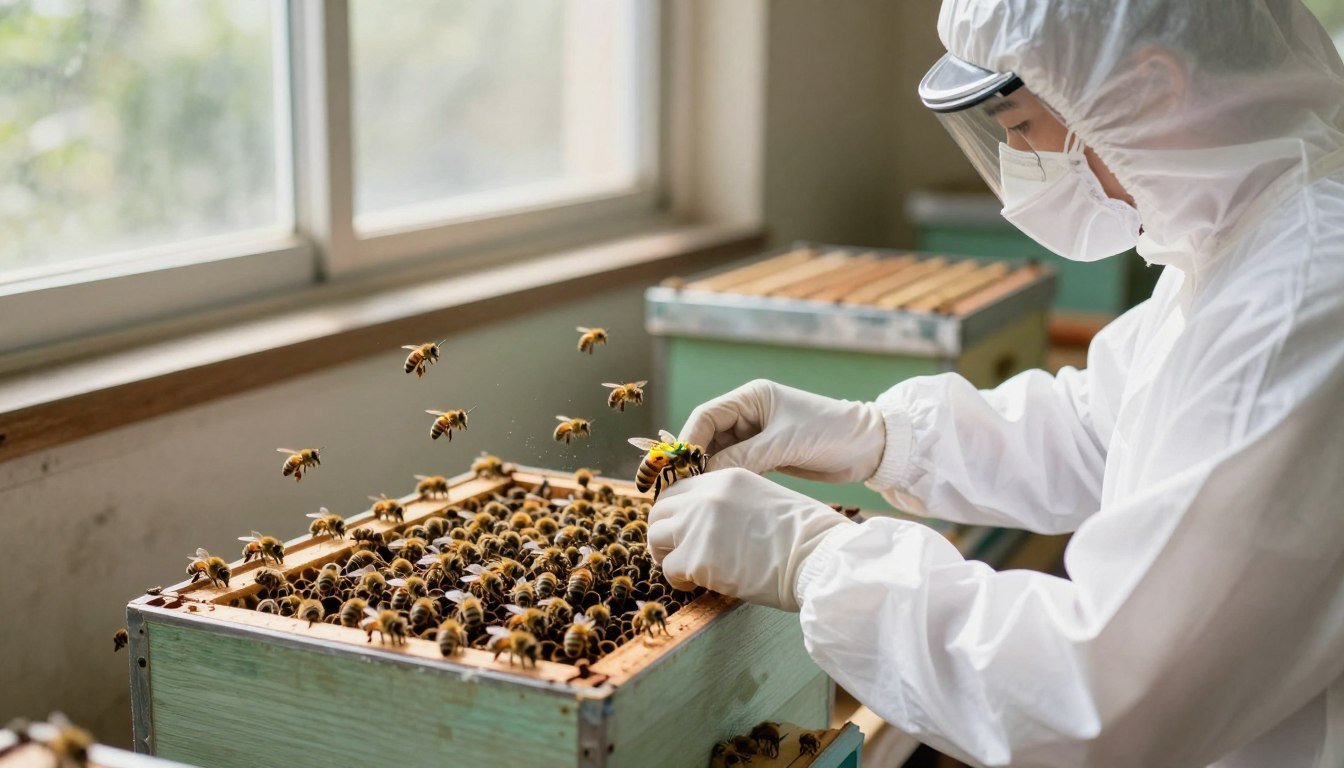
Shaking bees out in front of other hives is a common method to redistribute the population and save the adults. Frames may be split among healthy hives if frames show no disease.

Before combining, inspect brood and cells carefully. Reject frames with suspicious signs that risk spreading pathogens.
If multiple introduction methods and cage releases fail, this is a clear sign the group will not accept a new ruler. The population will dwindle without fertile eggs and steady brood renewal.
- Distribute frames of good brood and stores to bolster other colonies.
- Shake or brush remaining bees into nearby, stronger hives during calm weather.
- Evaluate health to avoid transmitting disease before merging resources.
“Combining resources often gives those bees the best chance for survival in a queenright hive.”
For guidance on assessing brood patterns before transfer, review heat-mapping techniques for brood assessment at brood heat-mapping.
Conclusion
Practical steps, repeated inspection, and measured patience decide whether a hive recovers or must be merged. Success with laying workers is difficult but possible when methods match hive condition and handlers remain observant.
Use slow, protected release methods and a reliable cage for any new queen. Follow evidence-based guidance such as the USDA-backed research and practical notes found at queen introduction.
If efforts fail despite careful management, combining resources may preserve bees and brood. Prioritize colony health, record observations, and adjust tactics based on signs such as scattered eggs or persistent aggression.
FAQ
What is a laying worker situation and how does it start?
A laying worker situation happens when a hive loses its mated queen and fails to rear a replacement. Without queen pheromones, some workers’ ovaries activate and they begin laying unfertilized eggs that develop into drone brood. This leads to patchy worker brood, many drone cells, and an overall decline in colony population and productivity.
How can I identify laying workers in my hive?
Look for many drone-sized cells scattered across frames, multiple eggs per cell, and irregular brood patterns. Workers lay eggs that often sit off-center or on cell walls. You may also see a reduced worker population and excess drone brood across several frames, which signals laying workers rather than a normal drone-laying queen.
Why do new queens often get rejected by laying-worker colonies?
Rejection happens because laying workers emit atypical pheromones and the colony lacks queen substance. The worker population becomes small and hostile; they may remove or kill a introduced mated queen or sealed queen cell. Acceptance fails when the social signals that guide worker behavior are absent or reversed.
How do I confirm the hive is truly queenless before trying requeening?
Inspect frames for the absence of young worker brood and eggs laid singly by a mated queen. Use the Frame of Eggs Test: introduce a frame of freshly laid eggs or young larvae from a healthy colony and check after a week. If no worker brood appears and only drone brood increases, the hive is likely queenless with laying workers.
What steps prepare a colony for accepting a new mated queen?
Reduce laying-worker influence by shaking or removing excess laying workers, combine with a strong queenright colony using the newspaper method, or employ the BIAS approach (brood introduction, isolation, support). Provide ample nurse bees and resources, remove old frames of heavy drone brood, and ensure the hive has sufficient food stores before introducing a mated queen or a caged queen with candy.
What is the BIAS method and how does it help recovery?
BIAS stands for Brood Introduction And Support. It involves weekly introduction of young worker brood and larvae from a strong, queenright source, isolating the affected colony when possible, and supporting population growth with syrup or pollen substitutes. Over several weeks this restores worker numbers and colony pheromones, improving chances that a mated queen or new queen cell will be accepted.
How often should brood rotation occur under the BIAS method?
Rotate in fresh frames of young brood on a weekly basis for three to six weeks. Weekly intervals align with brood development stages, helping boost nurse bee numbers and shifting pheromone profiles. Monitor brood frames and adjust frequency based on population recovery and presence of laying workers.
What advanced techniques increase success when introducing a new mated queen?
Use a caged queen with a candy plug to delay release and allow gradual acceptance. Combine methods: place the queen in the nuc or hive behind a queen-excluder or mesh for several days, introduce frames of young brood first, and reduce aggressive laying-worker numbers by shaking them out or combining with a strong colony. Ensure the new queen is from a reputable breeder and is already mated.
Should I remove attendant bees when adding a new queen or nuc?
Removing large numbers of attendants is risky because queens need escorts for pheromone distribution. Instead, reduce hostile laying workers by removing frames heavy with drone brood, introducing fresh worker brood, or combining with a strong colony. If placing a nuc, transfer minimal frame material and allow gradual mixing using a double-screen or newspaper method.
How do I monitor for new queen cells during recovery efforts?
Inspect frames weekly for queen cups and sealed queen cells. If strong queen cells appear, decide whether to allow natural queen emergence or to requeen with a strong mated queen. Removing hastily built cells can prevent further chaos, but do so only after confirming brood age and colony status.
When is it better to abandon the hive and combine resources?
If laying-worker activity persists after several weeks of intervention, worker numbers remain low, and drone brood dominates, combine that hive with a strong, queenright colony. Use the newspaper method to merge bees smoothly. Salvage frames of honey and viable brood if available, but avoid introducing frames heavy with drone brood to the strong colony.
What are the risks of introducing a new queen into a previously laying-worker hive?
Risks include queen killing, failure to mate or lay properly, and continued drone brood dominance. Reduced worker populations and altered pheromone environments increase rejection risk. Managing these hazards requires population support, careful timing, and gradual introduction techniques.
How long after introducing a good mated queen should I expect normal worker brood patterns?
Expect to see organized worker brood within two to three weeks after the queen begins laying. Full normalization of colony behavior and population may take several brood cycles, roughly six weeks. Continue monitoring for pattern improvement and reduced drone-only cells.
What supplies and resources help during requeening and recovery?
Essential items include a caged mated queen with candy, frames of young brood from a healthy apiary, queen-excluding devices, smoker, proper protective gear, syrup and pollen substitute, and a nuc or extra box. Access to experienced beekeepers, local beekeeping associations, and reputable queen breeders such as Betterbee or Mann Lake improves outcomes.