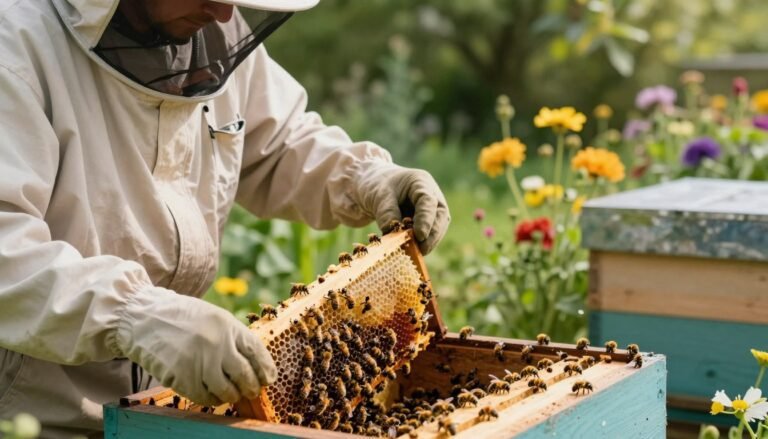
Deciding when to introduce a new queen can shape the life of your hive. Every beekeeper must track brood patterns, egg laying, and worker behavior to spot decline early.
Proactive re-queening often gives the best chance for long-term colony health. Experts note August is usually the last month for planned re-queening, since later attempts lower success rates. For more on signs and timing, see this guide on re-queening decisions: re-queening guidance.
A young, mated queen brings stronger brood patterns and genetic stability. That mix helps colonies build late-season stores and survive winter. Regular hive checks let beekeepers act before gentle declines become serious losses.
Key Takeaways
- Watch brood and egg patterns for early signs of decline.
- Plan proactive re-queening no later than August for best success.
- A young, mated queen improves winter survival and spring build-up.
- Monitor honey and population levels during the season.
- Use trusted sources for timing and technique, such as this expansion and management guide: beekeeping expansion tips.
Identifying Signs of a Failing Queen
Early, focused checks give the best chance of spotting trouble. Inspecting brood and watching worker behavior will reveal most problems. Use quick frame scans and listen at the entrance for unusual noise.
Brood Pattern Analysis
Check frames for consistent laying. No eggs on inspected frames often means the hive has been queenless for at least three days, since an egg stage lasts three days and a worker completes development by day 21.
Spotty brood, mixed worker and drone cells, or many drone combs suggest poor mating or laying workers. If multiple eggs sit in one cell, consult resources like the University of Guelph on identifying laying workers and act fast.
Behavioral Changes
Behavioral shifts help confirm a diagnosis. Colonies without a strong egg-layer may become defensive or produce a loud, continuous buzz known as roaring.
Swarms can leave a hive appearing leaderless for weeks while a new cell matures. In spring, inspect packages and hives carefully; transported bees sometimes supersede a damaged mated female. For practical checks and seasonal prep, see this guide on how to identify and fix a queenless hive and tips on preparing bees for unpredictable seasons.
The Benefits of Proactive Re-queening
Planned re-queening short-circuits many of the causes behind late-season failure in hives. Proactive swaps help avoid sudden loss during late winter and early spring, when colonies face their toughest checks.
Nutrition, pesticide exposure, and transport stressors all shorten lifespan. Replacing older stock gives the colony a fresh, mated leader that sustains brood production through the critical months.
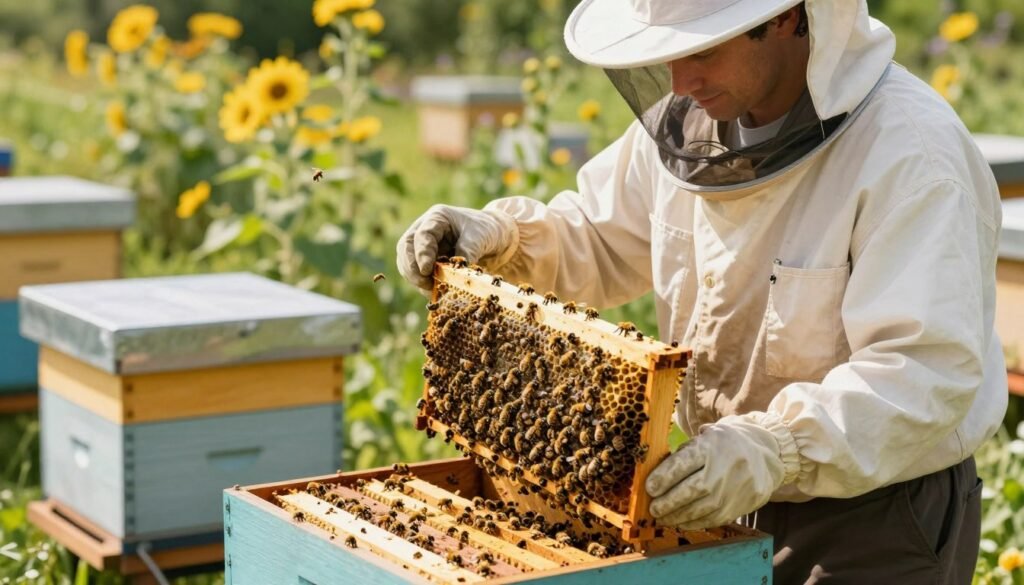
Many beekeepers who replace queens yearly report steadier honey yields and fewer surprise collapses. Long Lane Honey Bee Farms lists a young queen as one of three essentials for colony success.
“A young, vigorous queen is the backbone of strong colonies through winter and spring.”
- Prevent sudden failure: proactive re-queening lowers risk during peak stress periods.
- Improve brood and harmony: a mated queen spreads pheromones that curb swarming and boost cohesion.
- Boost productivity: newer queens often increase honey returns and overall hive vigor.
For practical timing and steps, see this short guide on re-queening decisions and methods to naturally strengthen colony populations: boost colony population.
Determining When to Buy a Replacement Queen
Timing matters for mating success and hive resilience. Plan introductions around peak drone activity in late spring and summer when Drone Congregation Areas are full.
A new queen usually needs about one week after emergence for wing hardening before she can fly and mate. Good weather and abundant drones improve the odds of producing a fully mated female.
Seasonal Considerations for Mating
Early queens ordered in April may not match summer stock for prolific laying, so weigh the risk if you need strong late-season brood and honey stores.
- Evaluate performance: check laying pattern every two weeks and keep records for planning.
- Confirm queenlessness: never rush; verify whether workers are raising a viable queen cell before replacing.
- Mating factors: warm, calm days and plentiful drones matter most; delays in return can leave the hive broodless for weeks.
If unsure, consult a bee mentor or read practical guides on buying queen bees and queen rearing basics.
Best Practices for Successful Queen Introduction
Small steps, clear signals, and patient waiting often win the day with hesitant colonies. Prepare the hive and give the population time to adjust before introducing a new queen.
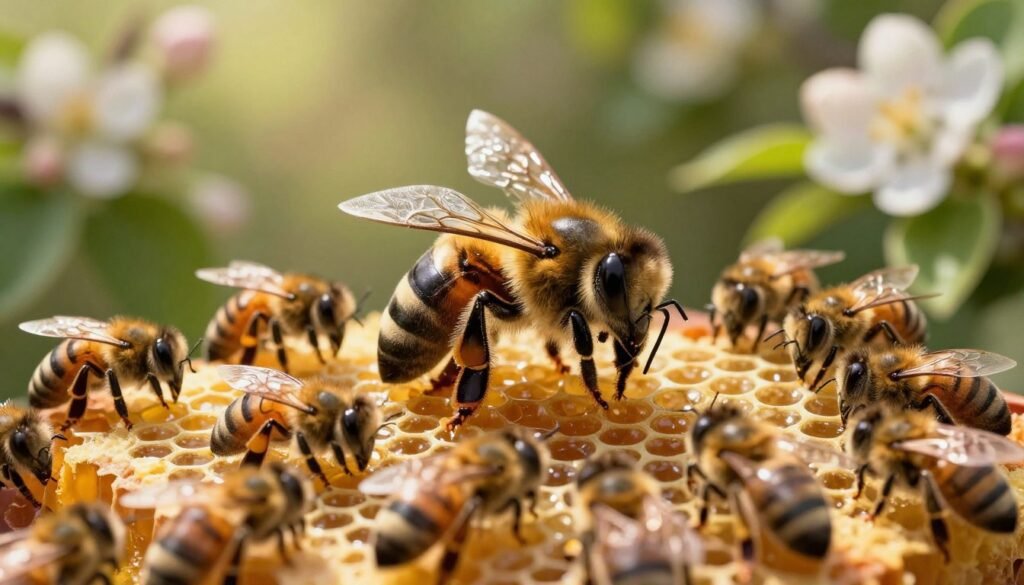
Preparing the Colony
Remove the old queen at least 24 hours ahead. This gap helps workers accept scent changes and reduces aggression.
Place the queen cage near the center of the cluster on a frame with open brood. Lightly spray frames with 1:1 syrup to encourage feeding and pheromone spread.
The Introduction Method
Never pierce the candy plug. Leave the candy intact so bees can chew through at their own pace. Do not release the new queen directly.
If the colony seems defensive, tape the candy plug for extra time. Set the cage at the top of the brood area where workers can reach it.
Post-Introduction Monitoring
Check after one week for release and again after two weeks for laying signs. A new queen may need more than one week to settle and lay eggs.
“Patience and careful placement are the simplest ways to boost acceptance rates.”
- Wait 24 hours after removing the old queen before introducing the new queen.
- Place the queen cage between frames near open brood and do not pierce the candy plug.
- Feed light syrup, avoid heavy inspections, and monitor the colony over the following weeks.
For a practical walkthrough on introductions, see queen introduction guide.
Common Pitfalls During the Re-queening Process
Clumsy handling and poor timing are frequent reasons re-queening fails. Accidental crushing or dropping can kill the new queen during frame checks. Slow, steady moves cut risk.
Never introduce a new queen into a colony with laying workers. Laying workers disrupt acceptance and make success unlikely. Confirm worker-laid eggs before any introduction.
Do not add a cage while the hive is under temperature-based fumigation like formic or thymol. Heat treatments will harm the queen and may end the process in days.
- Avoid blocking entrances: poor cage placement can trap the queen or stop workers from accessing her.
- Do not dig in too soon: opening the hive in the first week can provoke balling and death.
- Keep the candy plug intact: rushing release often brings rejection.
If the old queen dies by accident, bees will start raising a new cell from a young larva the next day. Accepting this natural fallback can save weeks of bother.
Conclusion
Proactive leadership changes offer beekeepers a simple path toward stronger, more resilient hives. Regular checks spot early decline and give time for careful action.
Investing in a new queen supports long-term colony health and steadier honey yields. A healthy, young queen influences brood, worker harmony, and seasonal productivity.
Learn local seasonal factors and refine your method. See seasonal pros and cons for raising queens on the forum: seasonal pros and cons. Start practical care and inspection basics here: start here.
With practice, careful timing, and steady monitoring, each beekeeper will build stronger colonies over the years.
FAQ
What is the right time to invest in a new queen for my hive?
Replace a failing or missing breeder during strong buildup months, typically early spring through late spring. Choose a moment when nectar flow or foraging is increasing and drones are available for mating flights. A young, mated female introduced at this stage helps colony growth, brood production, and honey stores for the season.
How can I identify signs of a failing breeder by examining brood?
Inspect frames for spotty, irregular brood rather than a tight, solid pattern. Excess drone cells, inconsistent egg placement, and many empty cells where brood should be indicate problems. These signs suggest poor laying performance or erratic genetics and often prompt requeening.
What behavioral changes indicate the need for a new breeder?
Look for reduced colony cohesiveness: increased aggression, excessive drifting, slow brood rearing, or early swarming behavior like queen cells along frame edges. A decline in foraging activity and sudden population drops also point to queen failure.
What are the main benefits of proactive re-queening before failure becomes severe?
Proactive introduction stabilizes brood production, improves temperament, reduces disease risk through better genetics, and can increase honey yield. It also lowers the chance of losing the colony to swarming or laying workers, saving time and resources long term.
Which seasonal factors affect successful mating and timing for obtaining a new queen?
Warm temperatures, plentiful drones, and strong forage windows matter most. Early spring and late spring offer reliable drone availability and calmer weather for mating flights. Avoid very hot, cold, or stormy periods that limit drone flights and fertility.
How should I prepare a colony before introducing a new breeder?
Reduce stress by ensuring adequate food and space, removing old or failing queens or queen cells, and placing the new female in a queen cage with a candy release or mesh. Minimize heavy inspections for several days and avoid combining with weak nucs unless needed.
What introduction method works best for acceptance?
Use a confined release: a candy-topped queen cage or a push-in introduction cage in the hive center. Allow workers to smell and feed her through the cage for 3–5 days. Gradual release increases acceptance and lowers risk of rejection or killing.
What should I monitor after introducing a young, mated female?
Check for signs of release, presence of new eggs within 7–10 days, and a improving brood pattern over 2–3 weeks. Watch for aggression or queenlessness indicators. Keep records of dates and any interventions, and avoid major hive moves during this period.
What common pitfalls do beekeepers encounter during the re-queening process?
Mistakes include introducing during poor weather, using unmated or poor-quality stock, immediate removal of the cage before workers accept her, and overcrowding a weakened colony. Also avoid re-queening when nectar flow is absent or drones are scarce.
How long until a newly mated breeder begins consistent egg laying?
Expect initial eggs within a week if mating succeeds. A reliable, solid brood pattern usually appears within 2–4 weeks as the queen reaches full laying rhythm and the colony replaces older brood.
Can I replace a breeder on any hive, or are some colonies poor candidates?
Strong, disease-free colonies with good forage are ideal. Very weak or collapsing hives may need first to be boosted with frames of brood and nurse bees or combined with a stronger unit. Avoid introducing a new queen into colonies with laying workers unless you’ve taken corrective steps.
Should I source queens from local or distant suppliers?
Local breeders often provide stock adapted to regional climate and available drones, improving mating success and performance. Reputable commercial suppliers like Mann Lake or Brushy Mountain offer consistent genetics, but consider local apiaries for better adaptation.
How does replacing brood stock impact disease and honey production?
Fresh genetics can reduce susceptibility to some brood diseases and improve hygienic behavior. A vigorous laying female increases worker numbers and foraging, which often raises honey yields. Still, overall disease management practices remain essential.
What is the typical lifespan of a productive breeder in a colony?
A productive female usually performs best for one to three years. Performance often declines after this, especially in regions with long seasons, so many beekeepers schedule routine requeening every 1–2 years for optimal results.
Are queen cells a reliable sign that I must introduce a new breeder immediately?
Not always. Queen cells can appear from swarming impulse or emergency rearing. Evaluate whether the existing breeder is alive and laying. If multiple cells exist and the colony shows swarm prep, intervene quickly to prevent loss; otherwise, monitor and assess brood quality first.
How can I reduce rejection risk when combining a new breeder with an existing colony?
Use a stepwise approach: introduce the queen in a cage, allow scent exchange, and provide a frame of brood nearby to calm nurse bees. Consider using the newspaper method when uniting two colonies. Avoid sudden, complete introductions without a transition.