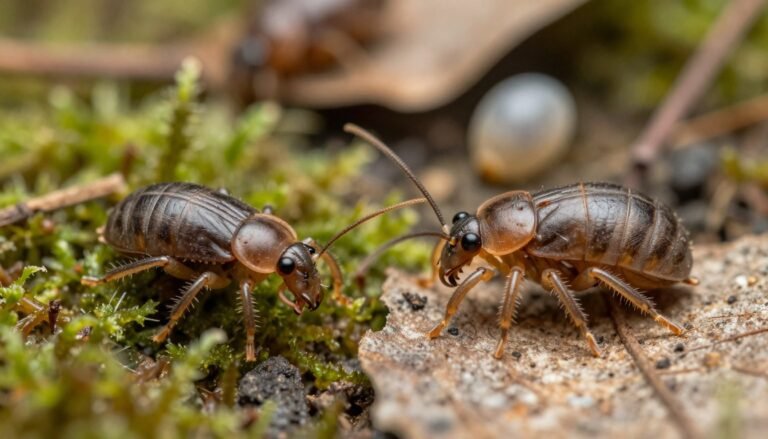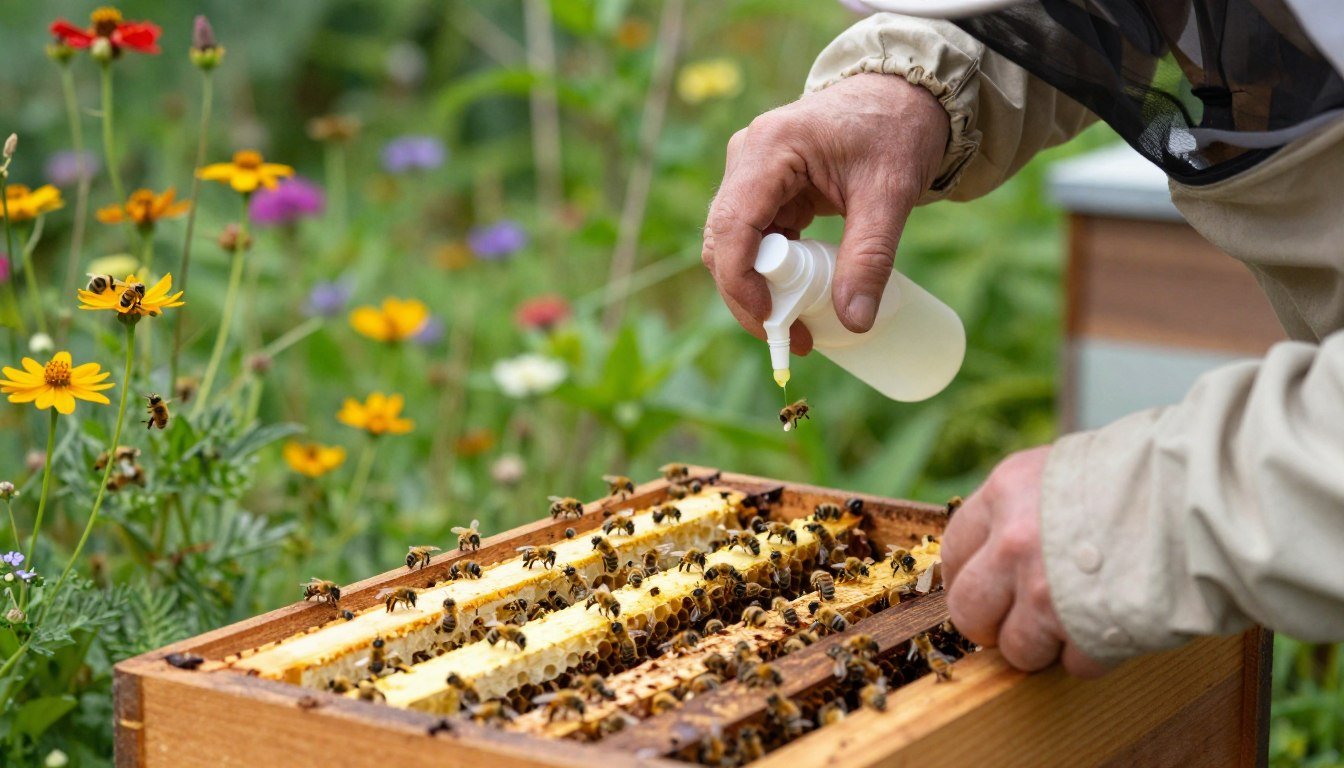
Creating a new colony changes how mites and bees are shared between hives. When you divide a parent group, roughly 30% of the parent colony’s mite population moves with the transferred brood. This sets the starting point for seasonal varroa management in the apiary.
Early checks of brood and queen status help beekeepers protect both colonies. Track mite numbers on frames and foundation, and note how many bees and how much brood moved on the day of division. Quick action keeps populations low before winter and spring build-up.
Good hive management focuses on consistent methods: monitor, document, and adjust the plan by season. Protect honey stores and wax from mite-borne problems, and ensure both the parent and new colony stay strong through key times of the year.
Key Takeaways
- New colonies inherit about 30% of the parent mite load based on brood moved.
- Inspect brood, queen, and frames early to prevent collapse.
- Record mite counts and use a consistent method for monitoring.
- Protect honey and wax to reduce disease risk.
- Timely management preserves productivity through winter and spring.
Understanding Mite Dynamics During a Hive Split
A hive division instantly alters where mites live — on adults or tucked inside capped cells. This shift changes immediate mite pressure and affects how quickly numbers rise in each colony.
Phoretic Mite Distribution
Phoretic mites ride on adult bees and will divide roughly in proportion to the bee population moved. Use a simple sugar roll or alcohol wash to estimate the number on adults in both hives.
Brood-Based Mite Transfer
Frames of capped brood carry the mites sealed inside those cells. When you move brood, you physically transfer that hidden population into the new colony.
Why this matters: Each colony’s mite load depends on which frames and how many bees were selected. The queen’s presence and her egg-laying rate set the stage for rapid growth once new brood cells are available.
- Track brood and adult counts to forecast mite pressure.
- Daily maturation of mites in cells makes timing of inspections critical.
- Compare options and methods like this control comparison when planning management.
Varroa Treatment After Making a Split
Start with a sugar roll or wash to confirm the mite number and let that result drive your next steps. The Penn State Extension advises making decisions from actual counts, not fixed dates.
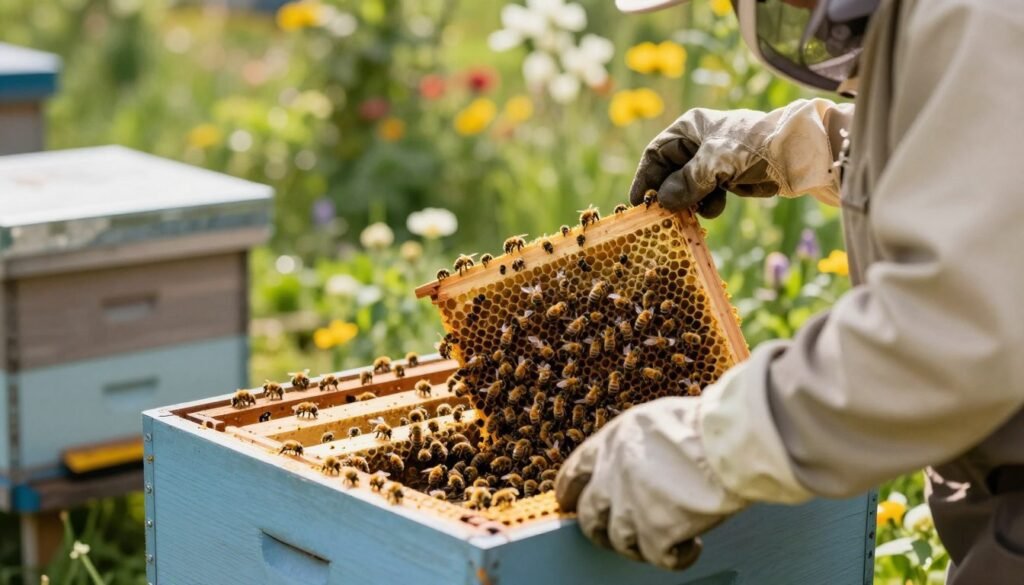
Consider colony size and stores: the amount of honey and the number of bees will affect how well any application works. Oxalic acid is common, but it performs best when little or no brood is present.
Monitor both hives for 2–4 weeks after the application ends to confirm the mite population declined. Manage the queen and brood rhythm; untreated brood can hide living mites and allow rapid rebound.
- Keep thorough logs: date, product, and number of mites counted.
- Use the sugar roll method before and after to check efficacy.
- If counts stay high, review application method or consider resistance as a cause.
For monthly thresholds and seasonal guidance, consult this mite threshold by month chart to align count-based decisions with hive development.
The Importance of Monitoring Before Treatment
A steady monitoring plan is the keystone of good varroa management in any apiary. Regular checks give beekeepers the evidence to act at the right time and avoid guesswork.
Focus your efforts in the fall: frequency matters most then. The window to protect winter bees is short, so monthly checks or more are critical as brood patterns change.
Keep concise logs of mite counts and hive notes each day you inspect. These records show population trends and reveal whether your current method is working.
Use digital tools like VarroaVault to log events, calculate efficacy, and flag when rotation is needed. When spring counts spike, take control quickly to stop spread among colonies.
- Monitor at least once per month during active beekeeping season.
- Wax debris can hint at issues, but it does not replace a proper mite count.
- Good management is proactive: track, compare, and adjust your method as data show.
For integrated guidance, consult this IPM for varroa mite control to align your monitoring and control practices.
Identifying the Queenless Broodless Window
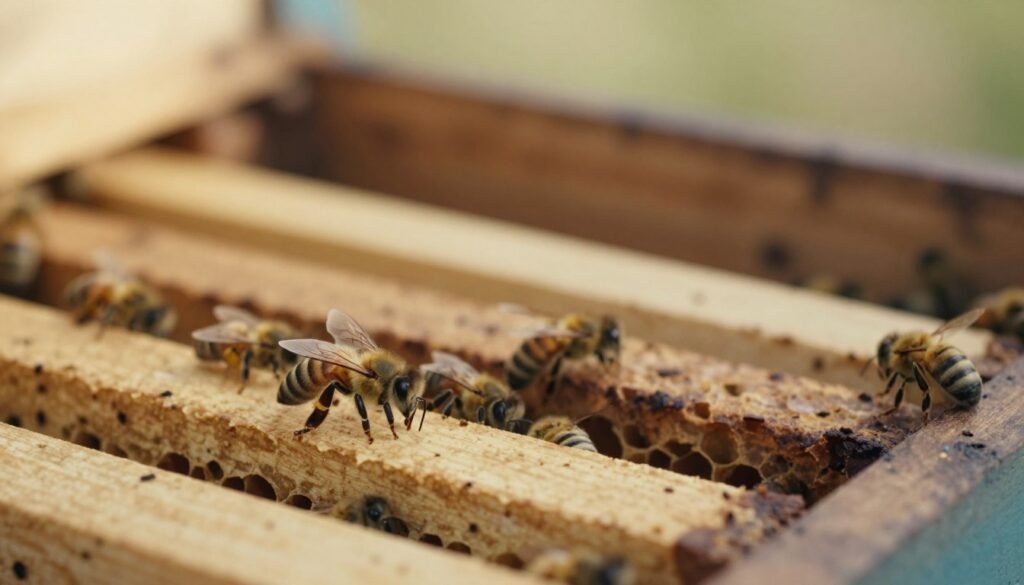
Pinpointing the broodless window gives you the clearest snapshot of mite pressure in a new colony. This brief phase, usually 14–21 days post-division, removes capped brood and forces almost all mites onto adult bees.
Timing Your First Inspection
Make your first sugar or wash count during this gap. The result is more accurate because few mites hide in sealed cells. That number guides whether to act and which tool to choose.
- The broodless window gives a 14–21 day opportunity to lower the population dramatically.
- Nearly all mites are phoretic and vulnerable to oxalic acid applications.
- Track frames, stores of sugar and the return of the queen to avoid missed rebounds.
“Every day in this window is a chance to set the new colonies up with a clean start.”
For gear suggestions when you decide to treat, see the best oxalic acid vaporizer for small apiaries.
Selecting the Right Miticide for Your Apiary
Good miticide choice balances efficacy, residue risk in honey, and regulatory guidance. Check whether honey supers are on the hive before choosing any product; Apivar is suitable only when supers are absent.
Temperature matters. Formic acid and thymol-based products require specific ambient ranges. Always read the label to confirm safe windows and application details.
Manage the queen and brood rhythm when planning control. Some treatments work best when brood is limited; others penetrate sealed cells.
- Consult product labels and local regulations before use.
- Rotate chemistries to reduce resistance risk.
- Keep clear records of each treatment, date, and result.
| Product | When to Use | Key Limitations | Notes for Beekeepers |
|---|---|---|---|
| Apivar | No honey supers | Not for use with honey on hive | Effective for many operations; follow label |
| Formic Acid | Specific temp range | Heat-sensitive; can harm brood if misused | Read label; safe with some supers in certain products |
| Thymol-based | Warm, stable temps | Temperature-dependent efficacy | May leave residues; follow withdrawal guidance |
For practical splitting and selection guidance, see our guide to splitting hives. Choose the method and products that fit your beekeeping goals and local mite pressure.
Applying Oxalic Acid Dribble or Vaporization
Before any application, confirm brood absence and count frames of bees to get the dose right. This ensures the highest efficacy because nearly all mites are on adult bees during the broodless window.
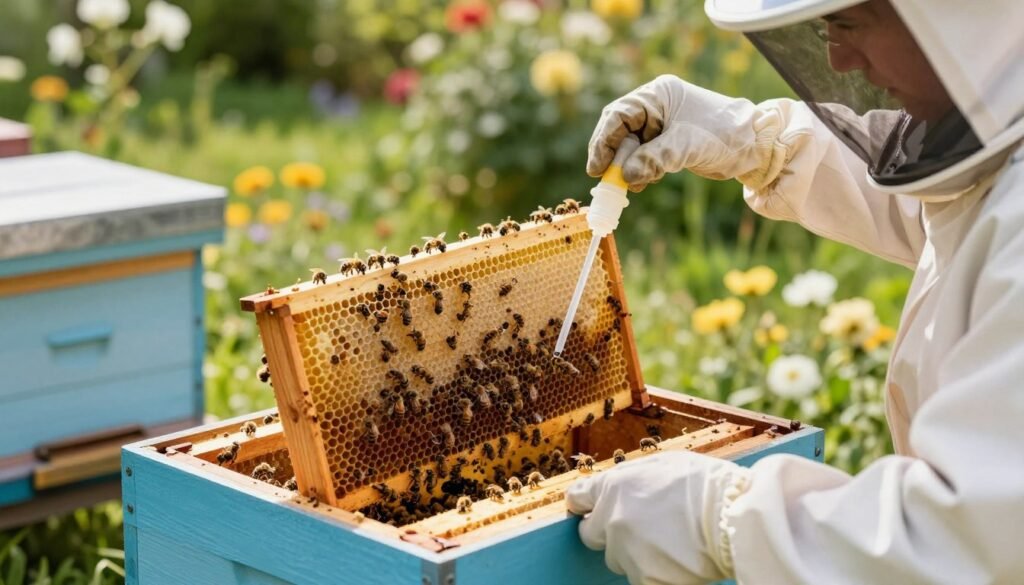
Dribble Application Techniques
The dribble method uses a measured oxalic acid solution poured directly onto clusters of bees. Follow the label for milliliters per frame and work quickly but calmly.
Dribble is highly effective in broodless colonies and is safe when done per instructions. It also suits polystyrene boxes that cannot tolerate heat.
Vaporization Safety and Equipment
Vaporization heats oxalic acid into a fine mist that coats bees and kills mites on contact. Only use electric vaporizers on solid wood hives and keep distance from flammable materials.
Wear a respirator, gloves, and eye protection. Proper gear protects you from fumes and keeps the hive safe.
“Every day you keep mite numbers low is a win for colony health.”
- Match dose to frames of bees.
- Avoid vapor on polystyrene hives.
- Monitor counts in the days following application.
Utilizing Formic Acid for Brood Penetration
Formic acid is one of the few options that can penetrate capped brood cells and reach reproducing mites. That makes it valuable when a colony contains lots of brood and other methods fall short.
Common products include Formic Pro and Mite Away Quick Strips. Proper placement of the strip and following label temperature windows matters for safety and success.
Assess colony strength before any application. A weak hive or high heat can stress the queen and risk loss. Count bees and frames of brood to confirm the colony can tolerate the acid strip.
“Use formic acid when you need to reach mites inside cells, but always match the product to the hive’s condition.”
- Advantage: reaches mites hidden in sealed cells.
- Check product labels for allowed days and honey restrictions.
- Monitor every colony post-application and include oxalic acid in rotation if broodless windows appear.
Managing the Parent Colony Post-Split
The parent hive keeps working hard with its queen in place, so internal mite pressure can change fast. The parent colony will resume brood production and may show higher mites per bee even though total mites fell.
Monitor the parent colony closely. Count mites on adults and check capped cells regularly. Daily mite reproduction in brood means numbers can climb by the day.
Keep records of counts, boxes, and stores of honey. If the parent colony showed high counts before division, expect an early need for treatment and act based on your numbers.

“A vigilant parent colony prevents re‑infestation of other colonies in the yard.”
- Ensure the queen’s egg-laying is stable and frames have space for brood.
- Watch honey and box space so brood and bees stay productive into winter.
- Treat only when counts exceed your threshold and rotate chemistries to reduce resistance.
Avoiding Common Application Errors
Simple mistakes in timing or dose can undo weeks of careful hive work.
Apply products only within the label’s temperature and timing windows. Wrong conditions reduce efficacy and can harm the queen or brood.
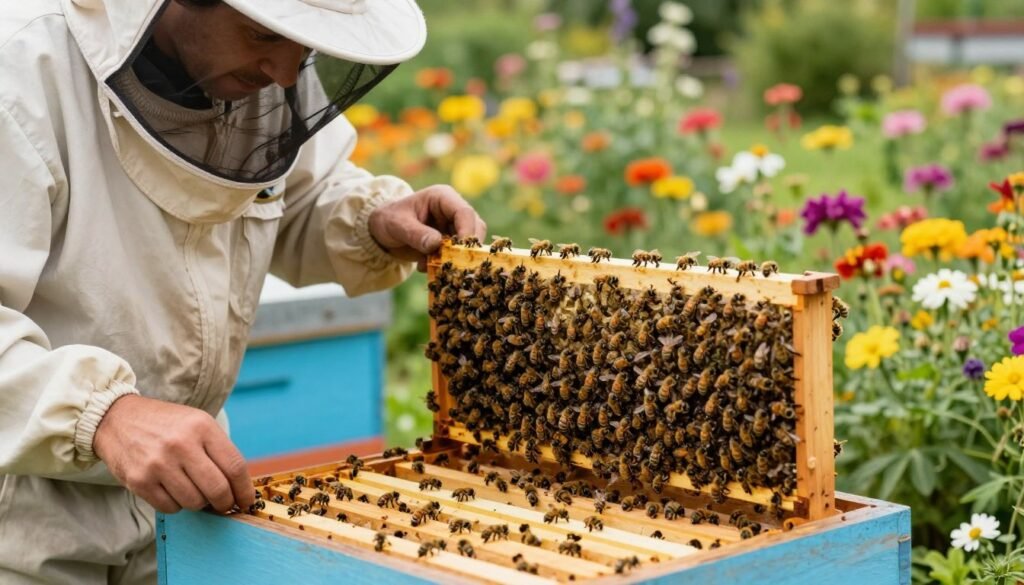
Match dose to colony size. The number of bees and frames of brood changes how the population absorbs any application.
- Read labels closely for dose, days to wait, and weather limits.
- Verify results with a post-application mite count to catch failures early.
- Protect honey and wax by following withdrawal and safety guidance.
- Ask experienced beekeepers or consult federation resources when unsure.
“Every day spent refining your method is an investment in healthier colonies.”
For seasonal timing tips and spring planning, review our spring varroa guidance.
Rotating Treatment Chemistry to Prevent Resistance
Switching modes of action regularly is the most reliable defense against resistant mite populations. Plan your season so no single product is used year after year.
Use a mix of oxalic acid dribble in broodless windows and formic acid strips when brood is present. This gives you two different ways to reach mites, both on bees and in cells.

Keep clear logs of dates, products, and counts. Good records show when a product loses efficacy and prompt a change of approach.
- Rotate chemistry: alternate oxalic applications, strip options, and approved products to slow resistance.
- Match the tool: use dribble during broodless days and strips when brood exists.
- Protect stores: rotation lowers residue buildup in honey and wax.
“A dynamic rotation plan keeps colonies healthier and control reliable through the season.”
Integrating Digital Logs for Better Record Keeping
Logging counts and events each day builds a timeline that guides wise apiary choices. Digital records turn quick notes into usable data you can trust.

VarroaVault and similar platforms let beekeepers record mite numbers, actions, and results in one place. This makes it simple to spot trends in varroa management and see how varroa mites respond over time.
Keeping digital logs helps with state inspections and long‑term planning. A clear history of counts and events supports objective management and protects your apiary investments.
- Record the number counted on each day so trends appear quickly.
- Compare colonies and prioritize visits when you manage multiple yards.
- Use stored charts to evaluate which methods helped your bee colonies most.
For practical tips on inspections and records, review hive inspections and recordkeeping. Digital habits streamline workflow and make your beekeeping more data driven.
“Every logged observation makes your next decision clearer.”
Assessing Treatment Efficacy Through Follow-up Counts
Follow-up counts tell you whether the control steps you took truly lowered mite numbers in each hive. Run a mite count 2–4 weeks after the application ends to measure change in the colony.

Use this formula to calculate efficacy: ((pre-count – post-count) / pre-count) x 100. That percent shows how many mites were removed from each colony.
Be consistent: sample the same number of bees and use the same method each time. Differences in hive size, brood level, and honey stores change counts.
- High post-counts may mean mites hid in capped cells or that re-infestation occurred from nearby hives.
- If efficacy is below 80%, review application error, possible resistance, or reinvasion.
- Every day you delay a follow-up allows the mite population to rebound in your apiary.
“Regular, honest follow-up counts are the only way to protect bees and winter stores.”
Keep clear logs of pre- and post-count numbers, the queen and brood status, and any notes on hive condition. Use those records to guide spring decisions and future control plans.
Safety Protocols for Handling Acid Treatments
Put safety first: prepare your respirator, chemical‑resistant gloves, and eye protection before you open any bottle of oxalic acid or formic acid.

Acid exposure is hazardous. Inhalation and skin or eye contact can cause serious injury. Work outdoors or in a well‑ventilated area when you vaporize or apply acids to colonies.
Work efficiently to limit how many days you breathe fumes. The number of hives you handle increases exposure time, so stage tasks and take breaks with fresh air.
- Always wear PPE: respirator, gloves, and eye protection.
- Secure storage: keep acid containers labeled and out of reach of children and pets.
- Application care: use measured dribble doses and place any strip carefully to avoid splashes.
If you vaporize, stand upwind and avoid breathing the mist. Protect your hands and eyes during every step so you can keep caring for bees long term.
“Your safety gear is as important as your hive tools.”
For detailed safety guidance and product specifics, consult this safety FAQ and the acid options comparison.
Conclusion
Managing mite pressure after a hive division depends on steady monitoring, timely action, and clear records. Use reliable counts to guide decisions and protect both the parent and new colony.
Make the most of the queenless broodless window when possible—this is when oxalic acid applications work best and can sharply cut numbers. Rotate chemistries and keep digital logs to prevent resistance and to track outcomes over the season.
Prioritize safety with proper PPE and always run follow-up counts to confirm success. For practical methods on enforcing a brood break and planning controlled gaps, see this guide on the Scalvini cage and brood break. For accurate sampling, review how to do an alcohol wash for mite counts.
Be proactive. Consistent checks, safe practices, and clear records give your bees the best chance to thrive and produce through the season.