Early detection keeps hives strong and productive. The paralysis problem was first isolated in 1963 and still poses a real threat to honey bee health today.
Know what to watch for. A fast-moving virus can harm adult workers and brood inside a single hive within days. Managing mites and cell hygiene reduces the chance of spread.
Every apiary manager should understand how transmission works and when infections spike during spring and summer. Routine checks help protect colony populations over time.
For lab guidance and diagnosis steps, consult the Diagnosis of Honey Bee Diseases handbook. Practical management tips also appear in a beekeeping guide for protecting hives from chronic infections.
Key Takeaways
- Bee paralysis emerged in 1963 and remains a threat to apiaries.
- Early action limits infection in adult workers and brood.
- Watch hives closely in spring and summer when activity rises.
- Mite control and clean cells are first-line defenses.
- Use diagnostic resources and swift response to save colonies.
Understanding Trembling Bees Disease Signs
Spotting changes in worker behavior often gives beekeepers the first clue of a viral problem.
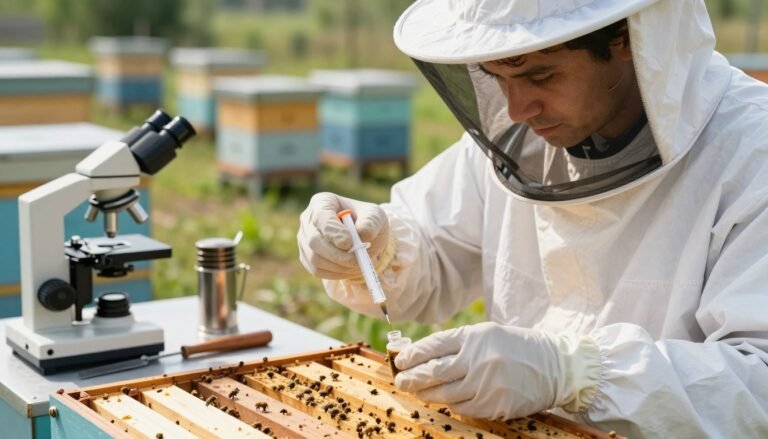
What the pathogen looks like: The paralysis virus is made of oval particles about 22 nanometers in diameter and 30–65 nanometers long. This small size lets the virus attack the nervous system of individual insects quickly.
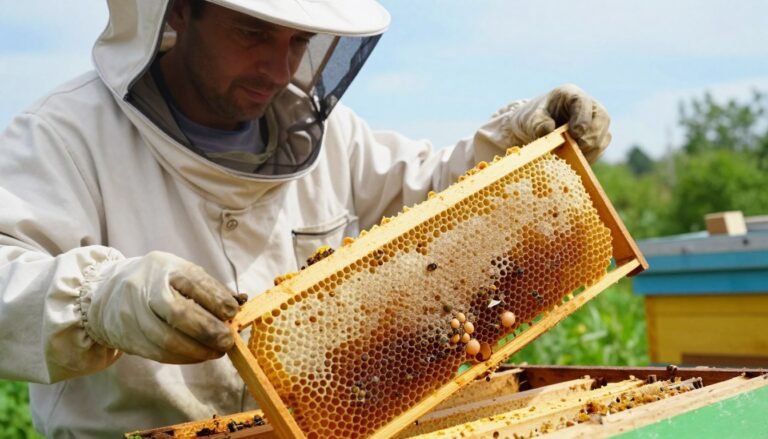
When a colony begins to show symptoms, you may see infected workers near the entrance or clinging to frames. Even a few affected individuals can mean the whole hive faces rapid decline.
Why management matters: Mite control and clean cells reduce viral spread because mites act as vectors. If infection goes unchecked, honey production and brood survival drop fast.
- Oval viral particles target nerves, complicating treatment.
- Early monitoring at the entrance and on frames catches problems sooner.
- Good mite and cell hygiene lowers the risk of widespread infections.
Consistent checks and swift action preserve colony strength and limit losses in honey yield.
For practical guidance on observed shaking behaviors, see this resource: observed shaking behaviors.
For timing and mite control, review an established varroa management plan.
| Aspect | What to look for | Quick action |
|---|---|---|
| Virus structure | Oval particles 22 x 30–65 nm | Use lab diagnosis and isolate affected frames |
| Behavior | Workers at entrance or on frames showing unsteady movement | Increase inspections; check brood and stores |
| Hive hygiene | Dirty cells and high mite loads | Implement mite controls and clean comb |
Identifying Physical Symptoms in Adult Bees
Watch closely at the hive entrance and inside frames for workers that move differently or fail to fly.
Behavioral Indicators
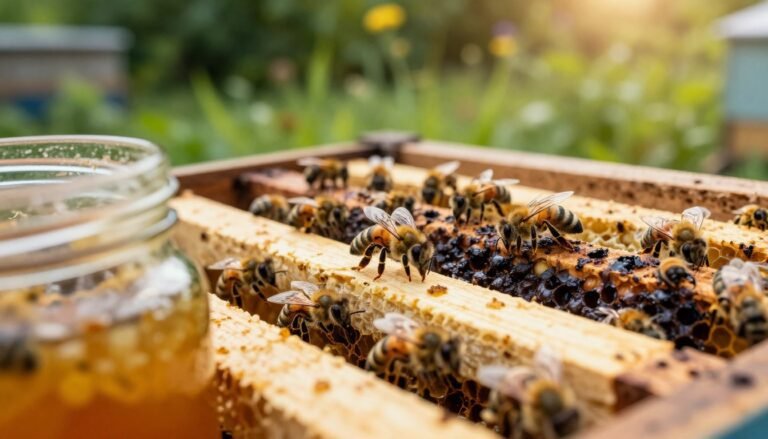
Adult workers affected by the bee paralysis virus often lose the ability to fly. You may see them crawling feebly on frames or clustered near the entrance.
Healthy workers sometimes push affected individuals out of the hive. This expulsion can create a visible pile of dead or dying insects at the landing board.
Physical Appearance
Look for hairless, dark bodies and deformed wings on adult bees. These changes are classic for chronic paralysis infections and reduce a worker’s ability to forage for honey.
- Crawling on frames instead of flying
- Hairless, black bodies and deformed wings
- Piles of expelled workers at the entrance
- Queen and brood vulnerability if infection spreads
Keep hives low in mite load and inspect regularly to catch infections before they impact the entire colony.
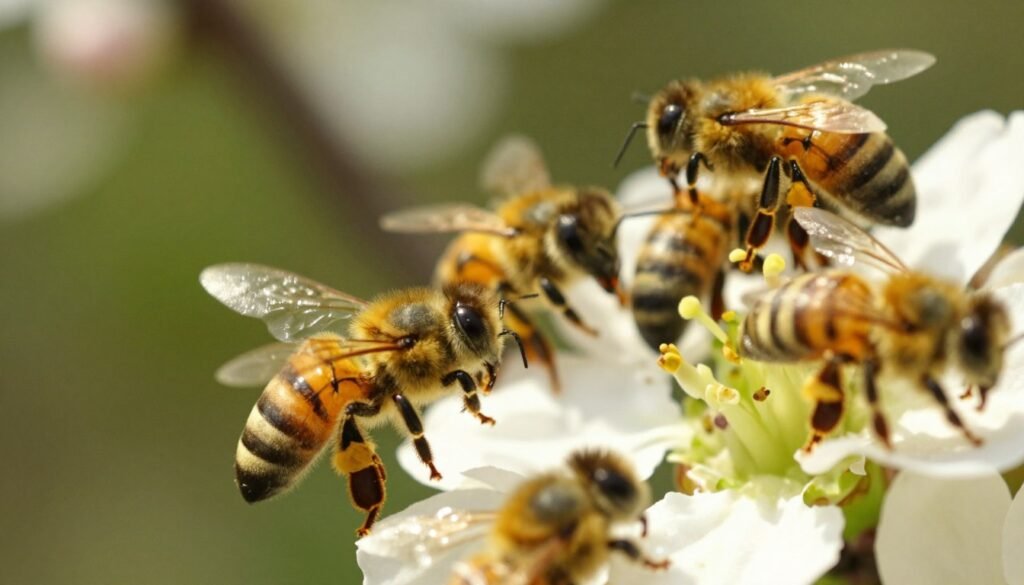
How the Paralysis Virus Spreads Through Colonies
Contact between sick and healthy adults during foraging or comb work fuels rapid spread of the paralysis virus.
Direct contact and routine tasks move the virus through a hive fast. Infected workers that return from foraging or handle brood can pass the virus by grooming and food sharing. Within days, one infected adult may expose many others.
Environmental stress makes transmission worse. High humidity, prolonged rain, or crowded boxes weaken colony defenses. Stressed honey bees have lower resistance and infections climb quickly.
Human and mechanical vectors
Moving frames or boxes between hives can spread the virus across an apiary. A single robbing event can also jump infections from one colony to another.
- Look for dead bees at the entrance and workers with deformed wings.
- Mites carry the virus and make colonies more vulnerable; control mites promptly.
- Monitor brood and adult populations closely to stop collapse within days.
Keep inspections regular and use proven controls, such as an alcohol wash for varroa mites, to reduce transmission risk across hives.
Effective Management and Treatment Strategies
A swift, targeted response can stop a viral outbreak before a colony collapses.
Start with a clear plan: prioritize queen quality, chemical-free controls, and targeted medications only when needed. Acting within days of detecting unusual behavior improves recovery odds.
Queen Replacement
Replacing the queen with a resistant genetic line is highly effective at interrupting the spread of the paralysis virus. A young, vigorous queen helps stabilize brood patterns and worker behavior.
Thymol Treatment
Feed a 4% thymol solution: mix 12 grams thymol per liter of 50% sugar water.
Give 250 mL per colony every other day for five treatments to reduce infection pressure without contaminating honey.
Medication Spraying
For severe infections, spray 200,000 units of neomycin or chlortetracycline mixed in 1 kg sugar syrup onto frames every two days. Limit applications and stop all medication during honey flow.
Act fast; prompt management often saves adult workers and brood from total collapse.
| Strategy | Dose | Frequency | Notes |
|---|---|---|---|
| Queen replacement | New genetics | As needed | Reduces transmission; improves brood health |
| Thymol feeding | 12 g/L in 50% sugar water | 250 mL per colony, every other day ×5 | Safe outside honey production; mite management needed |
| Antibiotic spray | 200,000 units in 1 kg syrup | Every two days (2–3 treatments) | Use only for severe infection; stop before honey harvest |
For lab guidance and treatment safety, consult the apiary disease factsheet.
Best Practices for Long Term Apiary Health
A proactive approach to nutrition, space, and hygiene keeps colonies productive through seasonal stress.
Schedule regular inspections during spring and summer to track population changes and spot early infections. Keep brief notes for each hive so trends show over time.
Rotate frames and clean boxes on a planned cycle. Fresh comb and tidy cells reduce pathogen buildup and make brood care simpler.
Manage mites year-round with integrated methods. A low mite load gives the colony better resistance against virus pressures and other threats.
Provide steady nutrition and space. Add honey or supplemental feed when stores are low and expand boxes before overcrowding stresses the colony.
- Keep records of treatments, queen changes, and population counts.
- Swap older frames on a schedule to limit residues.
- Monitor brood quality and adult behavior to guide actions.
Consistent mite control and good management are the foundation of a resilient apiary.
For deeper protocols on identifying weak colonies, review a sick bees overview and use pre-swarm checks like those at pre-swarm checks.
Final Thoughts on Protecting Your Bee Colonies
Strong, proactive management makes the difference between a minor infection and a collapsing colony.
Keep short inspection routines and clear action thresholds. Watch for trembling and dead bees as early clues. Maintain a healthy queen, rotate comb, and keep mite loads low.
If you detect a problem, isolate the affected hive and limit movement of frames. Follow research-based protocols such as the colony collapse model and guidance on preventing chronic bee paralysis to refine your plan.
Stay informed and act fast. Honey bees are resilient, but swift, consistent steps give your apiary the best chance to recover and thrive.
FAQ
What is chronic bee paralysis and how does it affect adult honey bees?
Chronic bee paralysis virus (CBPV) targets adult honey bees, causing trembling, blackened or hairless bodies, and loss of flight ability. Affected individuals often become detached from normal colony tasks and may die within days. Workers are most commonly impacted, leading to reduced foraging and weaker colonies if not managed promptly.
Which physical and behavioral cues should be monitored in the hive?
Look for trembling or inability to fly, insects clustering near hive entrances, and unusual grooming. Inspect frames for increased dead adults on the bottom board and displaced workers in front of the boxes. Also watch for bees with glossy, hairless abdomens and disoriented movement inside brood frames.
How does the paralysis virus spread within and between colonies?
Transmission occurs through direct contact, contaminated hive materials, and drifting or robbing behavior. Varroa mites and other parasites can increase vulnerability by stressing bees. Beekeeping activities, shared equipment, and close apiary placement also raise the risk of colony-to-colony spread.
What environmental factors increase the risk of outbreaks?
High colony density, poor ventilation in boxes, nutritional stress, and seasonal crowding in spring and summer contribute to outbreaks. Cold, wet weather can exacerbate symptoms by reducing foraging and increasing hive congestion, which facilitates direct contact and contamination.
Can replacing the queen help control an infected colony?
Yes. Queen replacement can restore colony vigor by encouraging a new cohort of healthy workers and improving brood patterns. Introducing a young, vigorous queen reduces stress and can help the colony recover when combined with other management steps like sanitation and mite control.
Is thymol treatment effective against the paralysis virus?
Thymol targets some hive pests and can help reduce secondary stressors, but it does not cure viral infections directly. Use thymol as part of an integrated program to improve hive conditions and reduce mite loads, which helps bees resist viral impacts.
Should medication spraying be used to treat viral infections in hives?
Systemic antivirals are not available for honey bees; medication spraying focuses on treating secondary bacterial or fungal issues. Avoid unnecessary chemical sprays that stress colonies. Instead, prioritize sanitation, mite management, and targeted treatments prescribed by a veterinary or extension specialist.
How quickly do infected workers show symptoms and die?
Symptoms can appear within a few days after infection and severely affected adults may die within that same short period. The exact timeline depends on colony health, environmental conditions, and presence of other stressors such as Varroa mites or poor nutrition.
What long-term practices reduce the likelihood of future outbreaks?
Maintain good apiary hygiene, rotate and disinfect equipment, monitor and control Varroa, ensure diverse forage and supplemental feeding when needed, and avoid overcrowding of boxes. Regular inspections during spring and summer help detect early problems and protect colony populations.
How should beekeepers handle heavily infected colonies to protect the apiary?
Isolate or requeen infected colonies, remove and replace contaminated comb if necessary, and limit movement of frames between hives. Strengthen nearby colonies by improving nutrition and controlling mites. Consult local extension services if multiple colonies show widespread severe symptoms.
Are brood and the queen equally susceptible to the paralysis virus?
CBPV primarily affects adult workers; brood shows limited direct symptoms. The queen can be affected indirectly if colony strength falls, but she is not typically the primary target. Protecting adult worker health preserves brood care and overall colony resilience.
What role do mites play in viral infections and colony decline?
Varroa mites weaken individual bees and act as vectors for several viruses, increasing infection rates and symptom severity. Effective mite control reduces viral transmission and improves the colony’s ability to withstand infections and maintain foraging and brood care.