In 2015 the U.S. approved oxalic acid for hive treatment, giving producers a powerful tool to manage Varroa mites. This short guide explains how a compact acid vaporizer can treat colonies with speed and precision while limiting disturbance to brood.
Correct timing and technique matter. Treatments work best during broodless or low-brood periods, when most mites are exposed on adult bees. Following protocols helps maximize effectiveness and protect colony health.
Personal protective equipment, measured dosing, and sealed boxes reduce risk during application. This method often removes a high percentage of phoretic mites in one pass and can be faster and less intrusive than dribble methods.
For practical steps and labeling guidance, see a beekeeper’s guide, and to compare compact units consult reviews like best oxalic acid vaporizer options.
Key Takeaways
- Approved in 2015, this treatment targets Varroa with high short-term efficacy.
- Apply during low-brood windows to reach the most mites.
- Wear respirator, gloves, and eye protection and follow labeled doses.
- Vaporization can be quicker and less disruptive than dribble methods.
- Integrate vapor treatments into an IPM plan and monitor mite levels.
Understanding the Role of Oxalic Acid in Beekeeping
Across Europe and Canada, beekeepers have long relied on oxalic treatments to curb Varroa populations. The compound is an organic molecule with the formula C2H2O4. It occurs naturally in many leafy greens, seeds, and fruits.
Research shows the most accepted theory of how this treatment works is mechanical entry through the mite’s feet, then transit into its body. This explains the quick impact on phoretic mites.
Important limitation: it does not penetrate capped brood cells. That means treatments target mites on adult bees, not those hiding in sealed cells.
“When applied correctly, the treatment reduces varroa mite loads without harming colony activity.”
- Proven history: used in Europe and Canada for many years and adopted in the United States since 2015.
- Structure: a colorless solid made of two carbon, two hydrogen, and four oxygen atoms.
- Management: integrate this acid treatment into broader mite control and monitor results closely.
| Characteristic | What to know | Practical note |
|---|---|---|
| Molecular make-up | C2H2O4 — organic natural compound | Colorless solid found in plants |
| Target | Phoretic varroa mites on adult bees | Minimal effect in capped brood cells |
| Geographic use | Long history in Europe & Canada; in US since 2015 | Accepted as part of integrated management |
To compare treatments and application methods, see a detailed comparison of options comparing formic and oxalic approaches.
Essential Safety Protocols for Safe Oxalic Acid Vaporizer Use for Beekeepers
A strict set of precautions protects the person handling treatments and limits exposure to fumes and splashes. Everyone who prepares an application must plan their gear, storage, and hive management before opening containers.
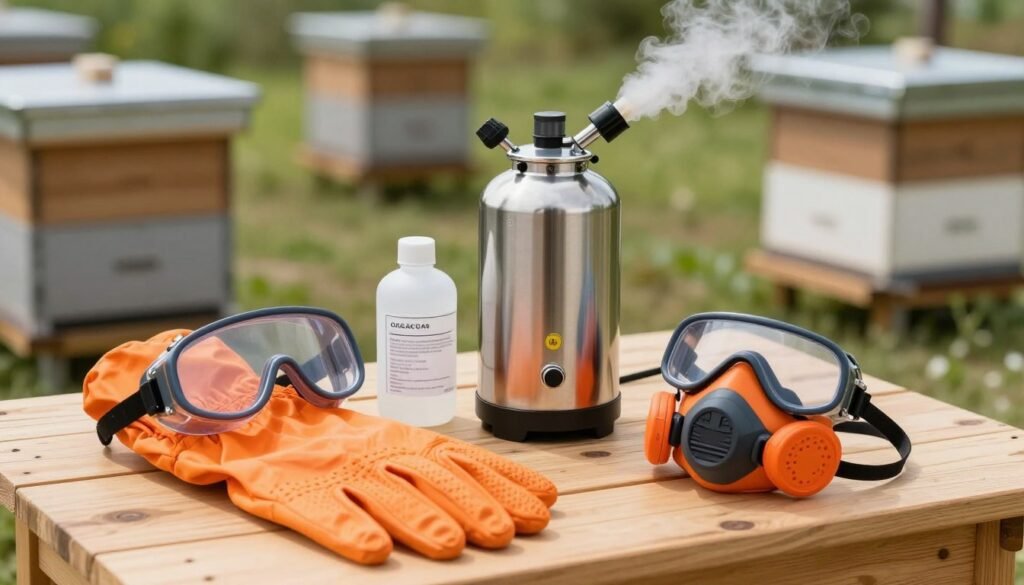
Personal Protective Equipment Requirements
Respiratory protection is mandatory. Use a half-face respirator with the correct filters to prevent inhalation of harmful fumes.
Wear chemical-resistant gloves and splash goggles. Cover exposed skin with long sleeves and a lab coat or disposable suit. Replace filters and gloves after any contamination.
Handling and Storage Cautions
Recognize that this compound carries Category 1 toxicity and irritates the eyes, mouth, and skin. Store it in clearly labeled, dedicated containers marked “POISON” and never reuse containers that might hold food or drink.
Keep a supply of clean water nearby to flush any accidental contact immediately. Check the vaporizer and seals before each session to prevent leaks.
- Manage the hive entrance to limit vapor escape during treatment.
- Label storage with hazard warnings and date opened.
- Train helpers on emergency flushing and first aid steps.
| Risk | Recommended action | Practical note |
|---|---|---|
| Inhalation | Half-face respirator with filters | Replace filters per manufacturer |
| Skin/eye contact | Gloves and goggles; water for flushing | Flush 15 minutes and seek medical help |
| Storage risk | Dedicated labeled container, locked area | Never store near food or drink |
Before treating a hive, review equipment and emergency steps. For related tool hygiene and contamination control, see how to sanitize hive tools.
Determining the Optimal Timing for Mite Treatment
Choosing the right time to treat a colony depends on brood patterns and the share of mites roaming the hive.
The Impact of Brood Cycles on Treatment Efficacy
Understand the numbers: during the summer only about 15–20% of varroa mites are phoretic and exposed on adult bees. That leaves most mites hidden under capped brood.
The brood cycle matters. From egg to adult takes roughly 21 days. While brood is present, many mites remain protected and evade treatments.
- When the colony is broodless, a single treatment can achieve ~90% reduction in exposed mites.
- In summer, expect to perform multiple applications spaced over several days to catch mites as they emerge.
- Monitor mite load across years to build a calendar that matches your local state and seasonal patterns.
| Situation | What to expect | Recommended action |
|---|---|---|
| Broodless colony | Most mites are phoretic; high exposure | Treat once; high effectiveness (~90%+) |
| Active brood (summer) | Only 15–20% of mites exposed | Staggered treatments over days; monitor mite load |
| Mixed brood | Partial exposure; variable results | Delay until brood break or plan multiple passes |
To learn more about timing and the best windows in your region, see the guide on the optimal time to perform oxalic acid.
Comparing Vaporization and Dribble Application Methods
The choice of delivery affects how much the colony is opened and how mites are reached.
Dribble is the syringe method that deposits a measured solution directly onto bees between frames. It requires opening the box and causes brief disturbance. Because the mixture contacts the bees, monitor the dose closely and avoid repeated contact treatments.
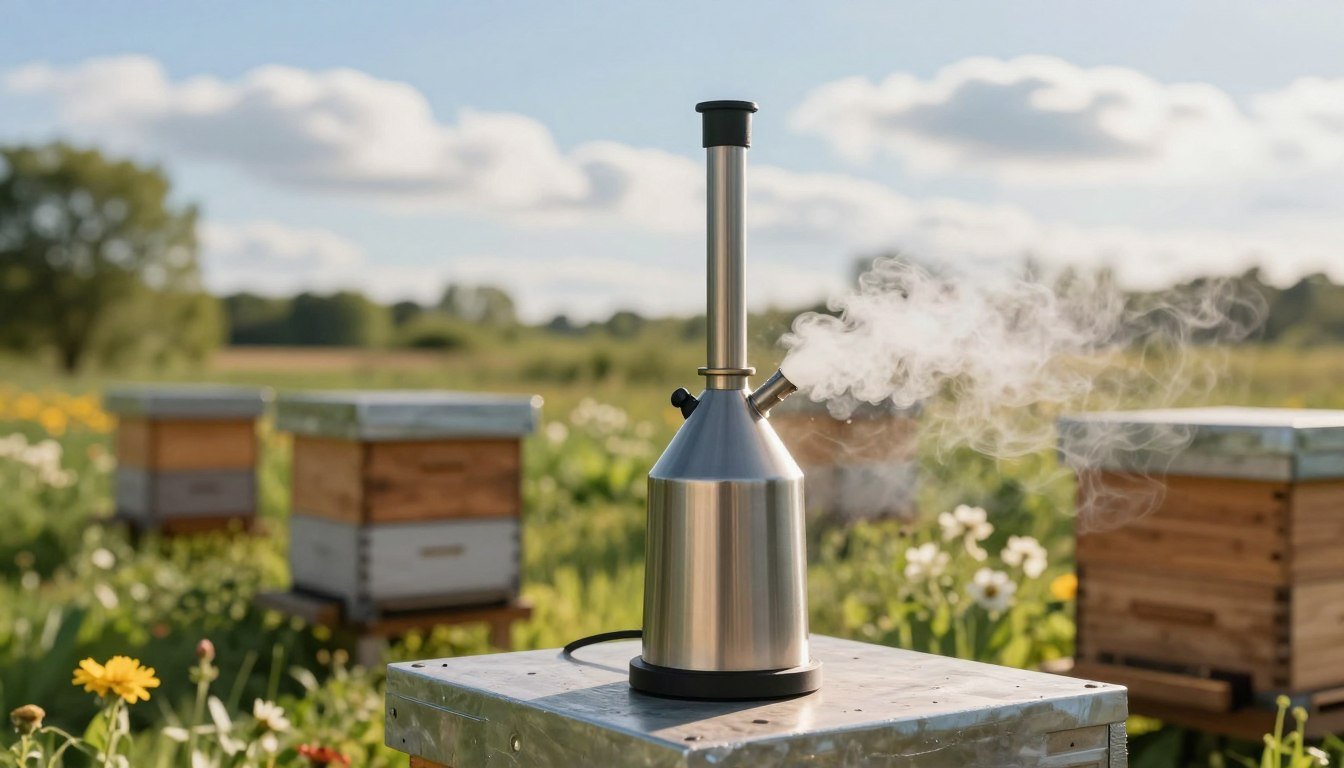
Vaporization treats the entire hive without lifting frames. When heated to about 157 degrees C, the substance begins to sublimate into a gas that moves through comb and corners. That makes it an efficient way to reach hard-to-reach areas.
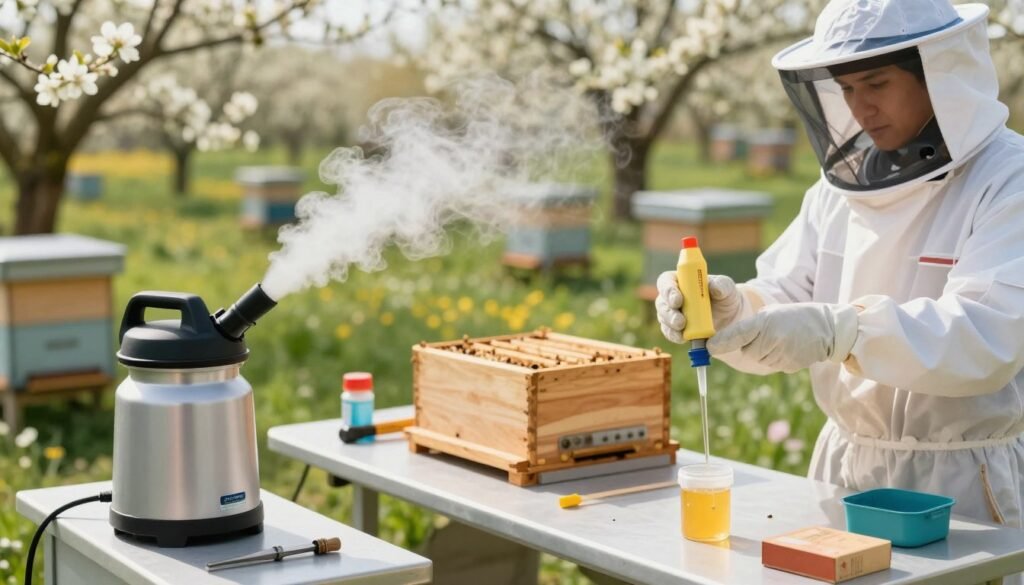
Winter treatments usually favor vaporization to prevent chilling the bees. In summer, expect to repeat a treatment every few days to catch mites emerging from brood. Always calibrate equipment to deliver the correct amount and confirm that a single dribble dose is not over-applied.
“Choose the method that matches colony condition, season, and your operational scale.”
- Dribble: direct contact, single-dose recommended.
- Vaporizer: faster, covers whole hive, less disturbance.
- Large apiaries often prefer vaporization to save time.
Preparing Your Equipment for Effective Fumigation
Confirming fit, charge, and cleanliness of your device speeds the entire operation. Inspect the cup and remove any residue before adding the measured dose. A clean cup ensures even heat transfer and consistent output into the box.
Charge matters. Lightweight models such as the Varrox Eddy weigh under 1.3 lbs with battery and can treat up to 15 hives on one charge. That portability removes the need for heavy generators or long cables.
Measure the insertion opening before you begin. The Varrox Eddy requires at least 0.6 inches high and 3.54 inches wide to fit into the entrance. Clear any obstructions so the unit slides in smoothly.
The process usually runs about 2.5 minutes on a standard 12-volt supply. Test the device on a single hive first to confirm dose, timing, and seal. Always follow the manufacturer’s instructions to prevent overheating and unwanted byproducts.
- Use fresh crystals or a prepared solution to maintain potency.
- Verify the cup is free of residue and properly seated.
- Confirm the hive entrance is clear and dimensions match the unit.
- Run a trial on one box before treating the apiary.
| Item | Specification | Practical tip |
|---|---|---|
| Unit weight | < 1.3 lbs (Varrox Eddy incl. battery) | Light enough to carry between hives; reduces fatigue |
| Required entry opening | 0.6″ high × 3.54″ wide | Measure entrances and clear debris before insertion |
| Run time | ~2.5 minutes on 12V | Monitor charge and treat up to 15 hives per charge |
| Cup condition | Clean, residue-free | Ensures even heat transfer and correct dose delivery |
For dosing details and equipment tips, review a practical vaporization guide at equipment reference and check seasonal thresholds at mite threshold by month.
Executing the Vaporization Process
A precise, repeatable routine makes vapor treatments reliable and quick across an apiary. Follow simple steps to protect the colony and get consistent mite reduction.
Sealing the Hive Entrance
Measure and prepare one gram of oxalic acid per brood chamber before you begin.
Insert the device into the entrance, then seal the gap with foam or a damp cloth so vapors stay inside the hive.

Managing Treatment Duration
Timing matters. Run the unit until the indicator shows completion—models like the Varrox Eddy turn green when finished.
After removing the cup, keep the hive sealed for at least 10 minutes to let vapors circulate and work through frames and cells.
In summer, plan four treatments spaced five days apart to reach mites as they emerge.
Post-Treatment Hive Management
Wear full protective gear during handling and avoid skin or eye contact with the solution.
Swap in a second cup when treating many hives to speed the workflow, then open boxes and check brood and bees after the waiting period.
Purpose: the post-treatment phase lets the hive return to normal while the acid effective action finishes. For a side-by-side comparison of methods, see a formic vs oxalic comparison.
- Measure 1 g per brood box; do not guess the dose.
- Seal the entrance and confirm LED or timer completion.
- Keep hive closed 10 minutes after removal, then inspect.
Managing Mite Resistance and Long-Term Hive Health
A sustainable plan mixes chemical and mechanical tools to protect colonies over time. Rotating treatment type each year reduces pressure that drives mite adaptation.
Overuse of a single option, including repeated oxalic acid applications, raises the risk that varroa will become less responsive in coming years.
Monitor mite load regularly. Routine checks let you decide when to intervene and when to hold off.
- Vary treatments across seasons and seasons to delay resistance.
- Keep records of dates, doses, and observed mite counts.
- Balance interventions to minimize stress on brood and bees.
| Strategy | When to apply | Key benefit |
|---|---|---|
| Chemical rotation | Annually or by need | Slows resistance development |
| Mechanical controls | Throughout season | Reduces overall mite load |
| Monitoring & records | Monthly or post-treatment | Informs next-season planning |
At season end, evaluate success and adjust next year’s calendar. For practical references on application and trends see an oxalic acid vaporization guide and an oxalic acid treatment overview.
Conclusion
A clear endgame ties timing, protective gear, and monitoring into a repeatable hive health plan.
Proper application of oxalic acid remains one of the most reliable tools to reduce mites and protect bees when used thoughtfully.
Prioritize timing to match brood cycles, keep records, and rotate control methods to limit resistance. Wear the correct protective gear and follow documented procedures on every treatment.
Continue learning: review recent research (recent study) and standard sampling techniques like an alcohol wash (monitoring guide) to track results.
Final note: thoughtful planning, consistent checks, and varied strategies keep hives productive and resilient over time.