Secure reliable pollination to boost fruit set and overall yield. One-third of the human diet depends on pollination, and about 130 U.S. crops need bee activity. That makes managed colonies a core part of modern agriculture.
Commercial growers often choose a rental model to match hive placement with bloom windows. Timely delivery and healthy colonies drive uniform fruit development and higher quality harvests. Missing peak bloom can cut yield with no second chance.
Partnering with expert providers lets growers focus on harvest tasks while specialists handle colony health and timing. Learn more about coordinated pollination options through a trusted marketplace like bee pollination services or a practical guide on renting bees for pollination.
Key Takeaways
- Managed colonies increase fruit set and crop quality.
- Timing delivery to bloom is essential—missed bloom lowers yields.
- Over 130 U.S. crops rely on bee pollination and need healthy bees.
- Using professional pollination services reduces management burden.
- Investment in a rental agreement can safeguard seasonal production.
The Agricultural Impact of Renting Hives for Berry Farms
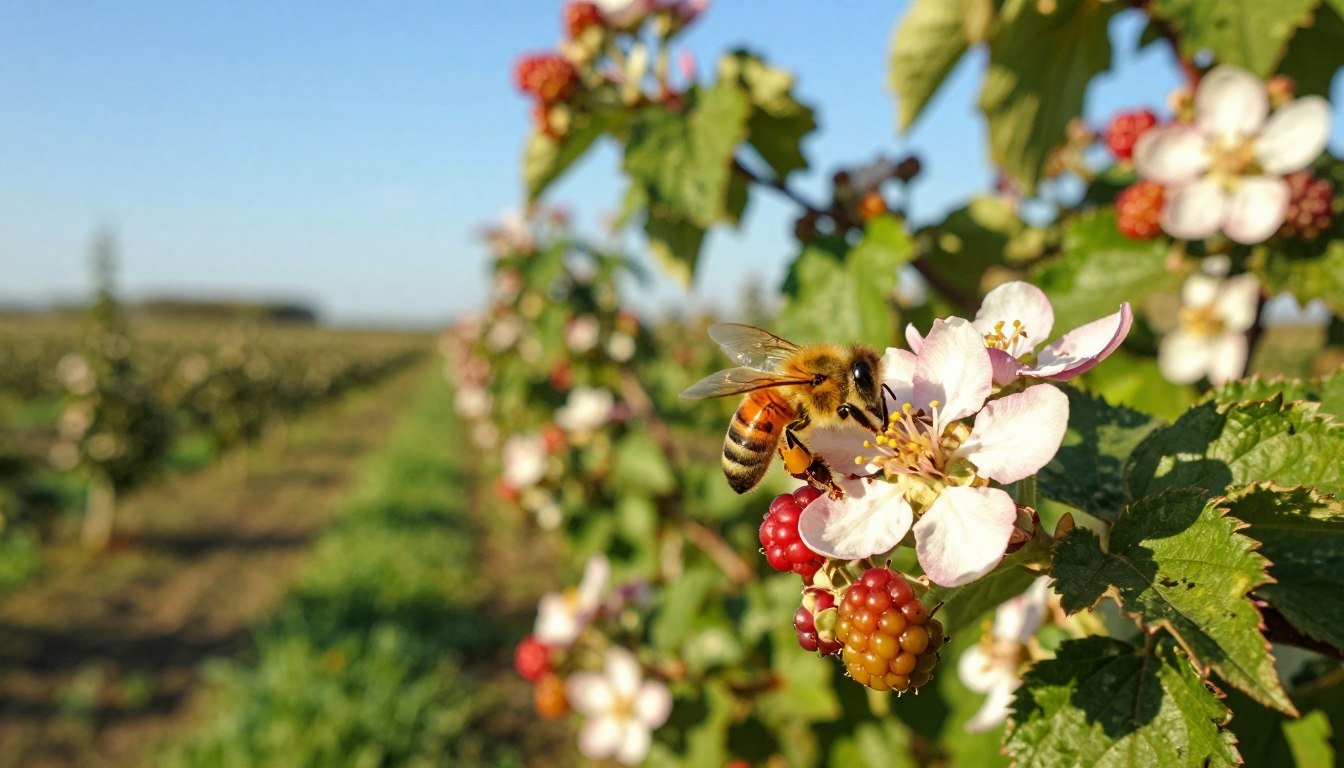
A dense population of honey bees during bloom is one of the most reliable ways to increase fruit set and overall yield.
Boosting Crop Yields and Quality
A healthy hive can contain about 30,000 residents in mid-summer. That density improves flower visits and fruit set. Growers see better uniformity and larger berries when pollination is managed.
Local production also adds value. With roughly 70% of U.S. honey imported, hosting a hive helps produce raw, regional honey while supporting harvests.
Supporting Local Ecosystems
Colony losses are real—up to 40% per year to Colony Collapse Disorder. Managed placements help restore numbers and stabilize pollination across the landscape.
“Every managed colony acts as a cornerstone for a thriving local environment.”
| Metric | Benefit | Outcome |
|---|---|---|
| 30,000 bees | High flower visitation | Improved crop set |
| Reduced colony loss | Stronger local populations | Reliable pollination |
| Local honey | Regional product | Added farm revenue |
Learn more about targeted bee pollination, practical beekeeping benefits, and climate-resilient practices to protect yield and promote sustainable agriculture.
How Our Professional Pollination Services Work
We deliver targeted pollination support that aligns colony activity with your crop’s critical flowering period.
Guaranteed yield of local honey: Each honey hive we install is tracked and managed so you receive at least 15 pounds of raw honey annually. Our team extracts and bottles that honey and returns it to you as a premium, local product.
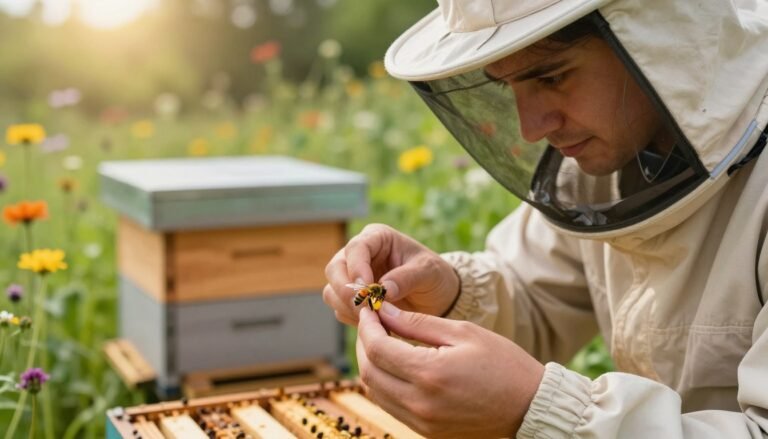
Routine care and clear reporting: Our beekeepers perform scheduled inspections and provide concise health reports. These checks keep colonies productive and reveal issues early.
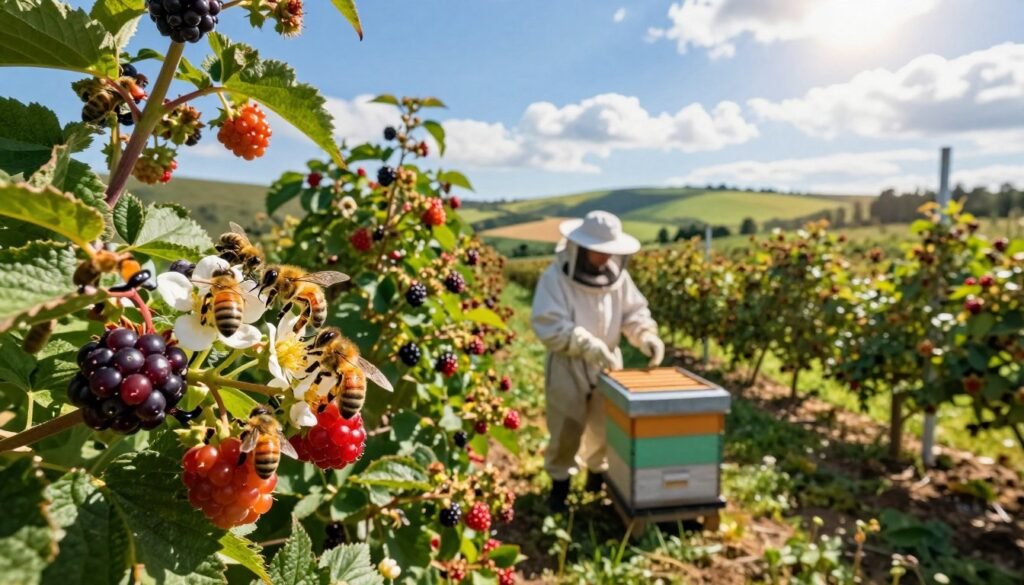
- Professional beekeepers handle installation through extraction, simplifying the rental and maintenance process.
- Regular site visits ensure strong pollination and season-long support.
- We involve growers with on-site observations so you can learn practical beekeeping techniques.
Transparent services and results: We focus on colony welfare while boosting your crop via dependable pollination. Learn more about expanding your program in our beekeeping expansion guide.
Essential Site Requirements for Successful Hive Hosting
Proper placement and clear flight paths are essential to safe, effective hive hosting. Start by selecting a location at least 20 feet from all property lines. This distance helps reduce unwanted neighbor encounters and directs bee traffic away from shared areas.
Our professional beekeepers will inspect your site and mark the best spot. They ensure bees have a clear flight path and nearby forage without crossing busy walkways.
Safety and Placement Guidelines
- Setbacks: Keep each hive at least 20 feet from property boundaries to minimize interactions.
- Capacity limit: Rural sites are capped at 20 hives to protect local resources and prevent overcrowding.
- Access: We require 24/7 access to the property for routine checks and emergency care.
- Compliance: Your rental agreement includes all equipment and ensures local regulations are met.
- Community safety: We provide guidance to create a honey hive area that is safe for children and pets.
| Requirement | Why it matters | Action we take |
|---|---|---|
| 20 ft setback | Reduces neighbor contact | Site survey and marking |
| Max 20 hives (rural) | Prevents resource strain | Limit enforcement in agreements |
| 24/7 access | Ensures timely health care | Key access in contract |
| Equipment & compliance | Meets local rules and safety | Full rental package provided |
For practical examples of site planning and neighbor strategies, see uncommon bee farm practices at uncommon bee farm practices and tips on urban beekeeping challenges.
Conclusion
, Coordinated colony management gives growers a reliable path to stronger yields and uniform fruit. This approach boosts productivity while delivering consistent quality across harvests.
By hosting a honey hive, you support vital bee populations and gain access to local honey as an added benefit. Our professional team keeps each hive healthy and active through scheduled inspections and clear reporting.
We commit to sustainable practices that balance crop goals with environmental care. Contact us today to start a program that maximizes your season—learn more about practical pollination services or explore beekeeper income models at beekeeping as a side income.