Choosing the right temporary home for a growing colony is a key step in beekeeping success. This introduction outlines how a nucleus unit differs from a full hive and why that matters to beekeepers in the United States.
A standard nuc typically holds two to five frames, while a full-size hive holds eight to ten. That size gap shapes purpose: a nuc is a short-term tool to start a colony before moving into larger hives.
Construction materials like wood or plastic affect thermal regulation and overall equipment choice. Understanding that difference helps you protect bees during early growth and makes the step to larger hives smoother.
Key Takeaways
- Decide early: the right temporary box supports colony health and future success.
- Frame count matters—nucs hold fewer frames than a full hive.
- Material choice (wood or plastic) influences temperature control for bees.
- Use a nucleus unit to nurture packages, nucs, or new colonies before expansion.
- Proper equipment selection is the first step to reliable beekeeping results.
Understanding the Role of the Nucleus Colony
A nucleus colony acts as a compact, functioning hive that speeds early population growth. It gives beekeepers a reliable starting point when creating a new colony. This starter unit shortens the time from installation to strong colony activity.
Defining the Nuc
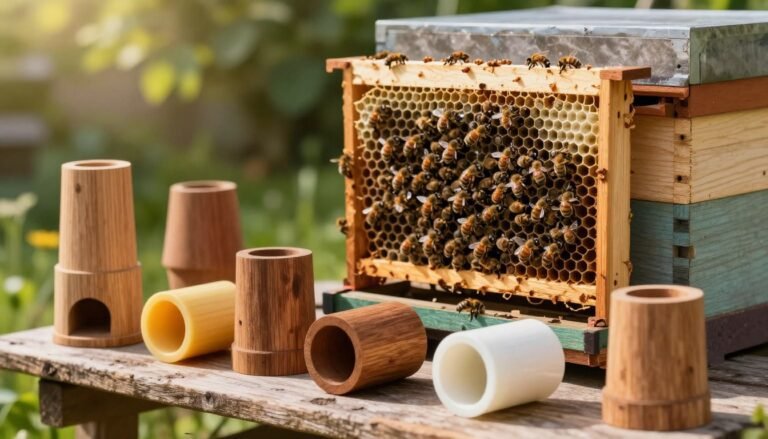
A nucleus colony contains all essential parts of a full hive: a laying queen, worker bees, drones, frames with brood and eggs, plus food stores such as pollen and honey.
Compared to a package of bees, which includes 8,000–12,000 adults and a caged mated queen, a nucleus arrives with established comb and brood. That makes it easier for the population to rise quickly in spring.
Purpose of Starter Colonies
- A nucleus is a miniature functioning hive with roughly 10,000 adult bees and a laying queen.
- It provides frames of brood, eggs, and honey so the colony grows without waiting for mating flights.
- Beekeepers installing these units must keep frame orientation consistent to avoid stress.
“Every step from first eggs to a full hive is easier to manage with an established starter colony.”
| Feature | Nucleus Colony | Package Bees |
|---|---|---|
| Queen status | Laying queen | Mated queen in cage |
| Comb and brood | Established frames with brood | No comb; must build |
| Typical adult bees | About 10,000 | 8,000–12,000 |
| Best use | Quick spring growth, easy integration | Cost-effective starts, requires more time |
For a deeper comparison, many beekeepers refer to resources like comparing nucleus hives and package bees or guides on best options for transporting colonies.
Insulated Nuc Box vs Standard Nuc Box: Key Differences
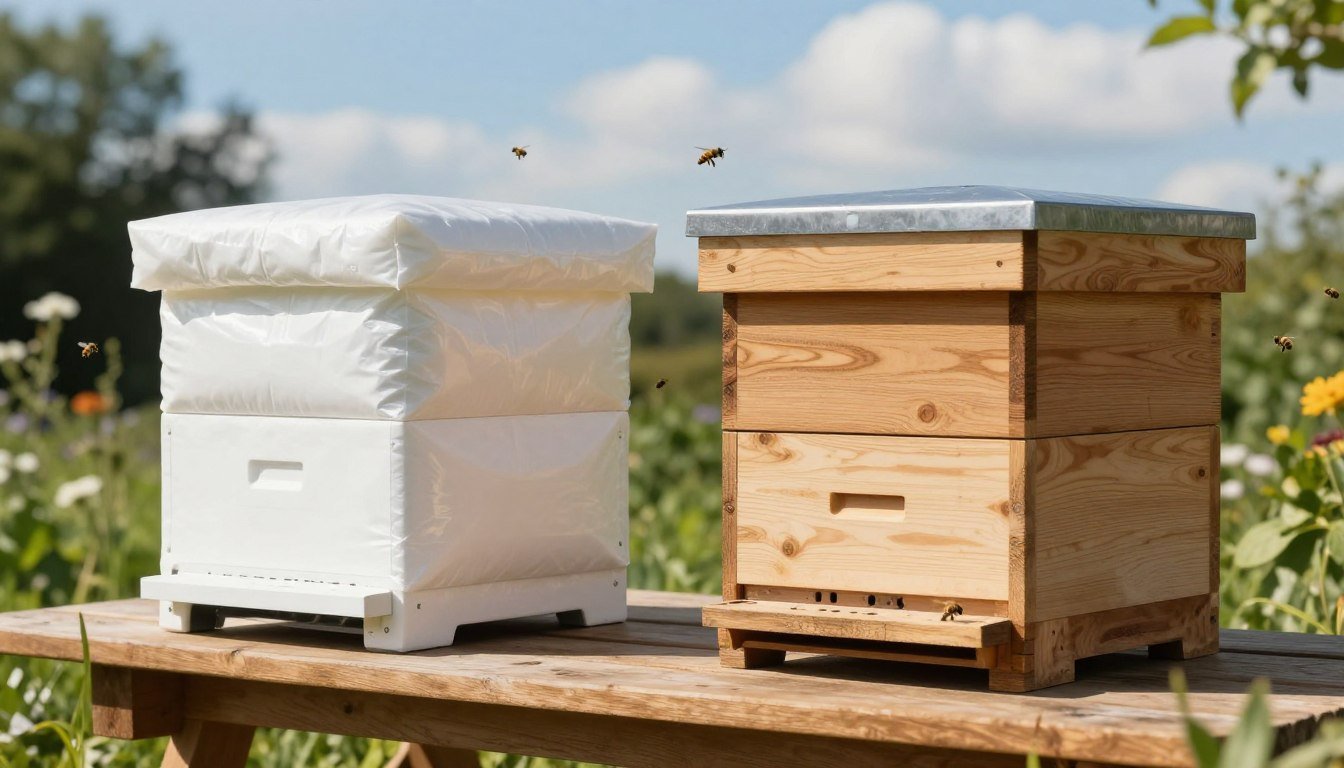
Temperature control is the clearest functional distinction when comparing a smaller transport unit to a plain wooden hive chamber. A unit that matches Langstroth height and depth keeps frames interchangeable, so moving frames into full-size hives is straightforward.
The reduced width concentrates heat and resources, which helps a small colony manage brood rearing and food stores more efficiently during cool spells.
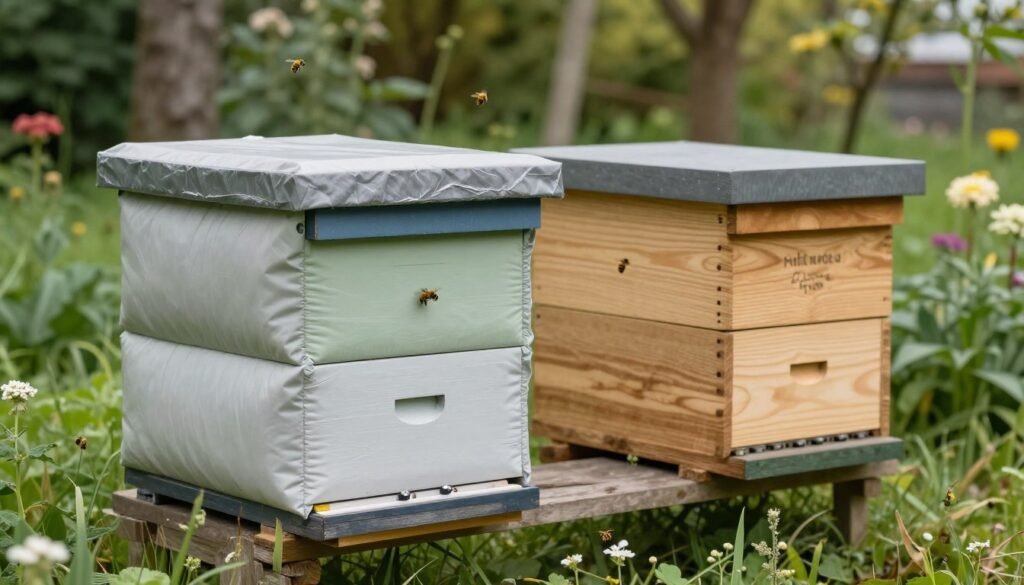
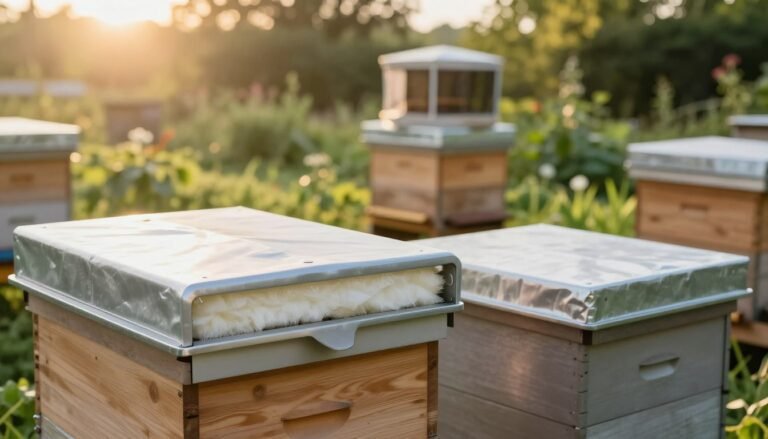
Choose a warmer-lined option when the queen is actively laying; better thermal protection raises survival during cold snaps. Many beekeepers still pick plain wooden equipment for cost reasons, but warmer-lined units can improve outcomes for small colonies.
- Interchangeable frames: Fits 2–5 frames that work with full hives.
- Thermal advantage: Keeps brood nest stable during mating and growth phases.
- Practical choice: Balance budget, climate, and colony goals when selecting equipment.
For more on available starter containers and buying options, see a guide to types of nuc boxes and a resource on purchasing packages and nucs in the USA.
The Importance of Thermal Regulation in Bee Colonies
Maintaining steady warmth and dry conditions inside a starter unit directly affects how quickly a colony grows. Small hives must keep a narrow temperature band so the queen and worker bees can rear healthy brood and sustain steady egg laying.
Managing Heat and Moisture
Temperature control is critical: a nucleus must hold warmth for larvae to develop. When the internal climate drifts, workers spend more time clustering and less time foraging or caring for eggs.
- Energy use: In a plain wooden nuc, bees burn more honey and food to generate heat, which slows growth.
- Moisture control: Proper housing reduces condensation that can chill brood and harm eggs.
- Colony focus: With stable conditions, bees gather more pollen and nectar, improving food stores and frame development.
Good thermal management is a core practice in professional beekeeping. Whether you start with a package or a nuc, the ability of the colony to regulate its environment often decides success.
For technical details on equipment that helps mating and rearing, see technical advantages of insulated foam mating.
Evaluating the Benefits of Standard Wooden Nucs
A classic wooden nucleus offers practical benefits that suit hands-on beekeepers.
Durability and repairability make wooden hive equipment a top choice. Wood is easy to fix, repaint, or modify to match your hive layout. Local suppliers and DIY shops stock parts year-round, so replacements are simple to find.
Many keepers report that bees accept wooden frames readily. In spring, these units let a queen start laying and workers build comb fast. Frames fit standard Langstroth hives, making moves to larger hives smooth.
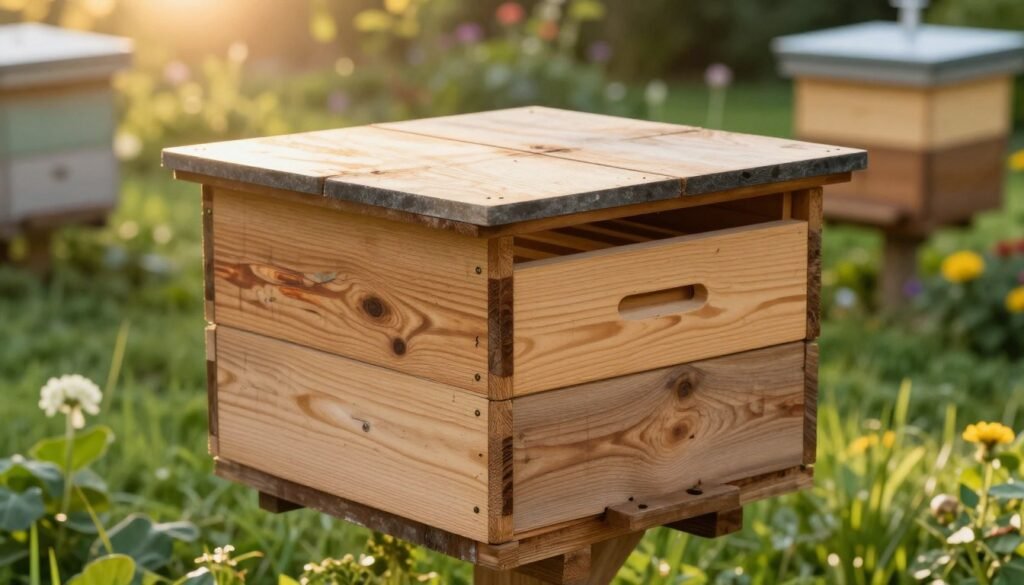
Cost and hands-on management are key. Wooden units are affordable and straightforward for inspections. Beekeepers must watch food stores and manage swarm risk, since wood offers less thermal buffering.
| Advantage | Benefit | Action for Beekeeper |
|---|---|---|
| Durable | Reusable across seasons | Repair frames, repaint, reuse |
| Compatible | Standard frames fit full hives | Transfer frames without change |
| Affordable | Easy to source locally | Buy or build as needed |
| Traditional | Simple inspections, queen checks | Monitor brood and food closely |
“Wooden units are a reliable step for beekeepers who prefer direct control over colony development.”
Advantages of Using Insulated Equipment
When a fledgling colony spends less energy on heating, it can put more effort into growth and foraging.
Energy efficiency is the first clear benefit. Reducing heat loss lets worker bees conserve honey and food stores. That means more adults can forage and care for brood instead of clustering to generate warmth.
Seasonal protection matters as well. Quality lined units shield a queen and brood from sudden temperature swings in early spring and cold nights in fall.
- Lower energy use helps a small colony maintain steady brood rearing with fewer food resources.
- Reduced stress on worker bees speeds growth and improves overall colony health.
- Plastic or foam-lined options create a stable interior for comb building and frame development.
- Investing in better equipment often means higher survival through unpredictable weather.
Practical tip: consider using a hive wrap or similar protection in very cold regions. See a guide to best hive wrap for cold climates for options that complement lined starter units.
Factors Influencing Your Equipment Choice
Local climate and season length should guide your pick of hive equipment. In cold regions, thermal performance helps a small colony maintain brood and protect the queen. In warm climates, breathable wood can reduce overheating and moisture issues.
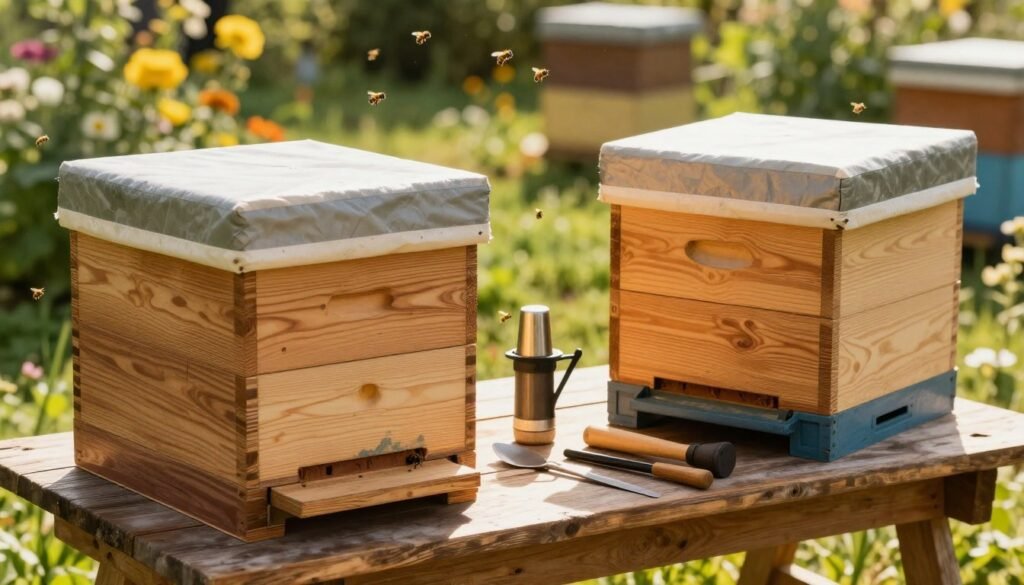
Cost matters, but long-term colony success is more important. A cheaper unit may save money now but cost more in lost honey or extra management later. Durable materials reduce repairs and keep frames compatible when you move frames into larger hives.
- Check that frames fit your full-size hive to avoid stress during transfers.
- Consider transport needs: plastic options are often lighter for mobile beekeeping.
- Match equipment to goals—mating, swarm control, or honey production require different setups.
“Choose equipment that balances climate, budget, and your management goals.”
Quality and fit trump trends. Invest in a well-made hive box that protects the queen and supports steady bee growth so your colony can thrive through the season.
Impact on Colony Growth and Honey Production
A small starter unit that keeps brood secure gives the colony a measurable production advantage in the first weeks. This head start shifts labor from comb construction to foraging and nectar storage.
Resource Allocation
A nucleus provides about a two-week boost to honey production because bees do not waste time building comb. With frames already in place, worker bees focus on collecting nectar.
Packages often struggle in the opening weeks. A nucleus arrives with brood and food, so the queen resumes laying eggs faster and the colony grows sooner.
- Equipment quality matters: stable housing lets the queen keep laying and supports steady brood development.
- Less stress, more stores: when worker bees conserve energy, the hive stores more honey.
- Swarm vigilance: beekeepers must manage growth so the population stays focused on resource collection, not splitting.
“Every frame of brood and honey contributes to the overall success of the hive.”
In short, choosing the right box and managing resources early in spring can translate to higher honey yields by season’s end and stronger colony health over time.
Best Practices for Managing Your Nuc
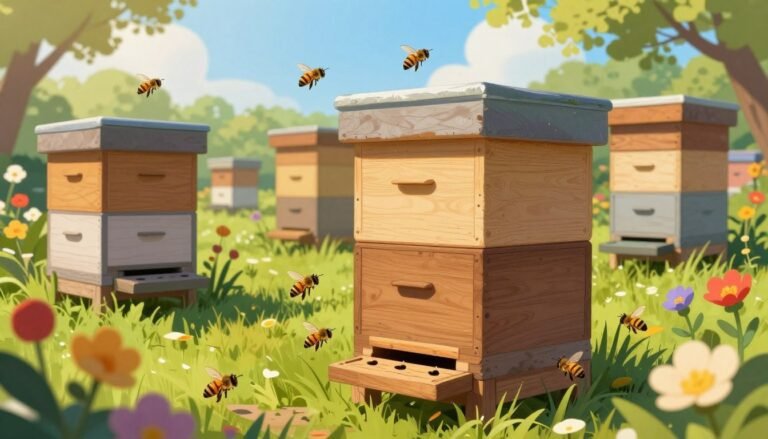
Good placement and calm handling make the biggest difference when starting a new hive. Place the unit where it gets morning sun, some wind protection, and easy access for inspections.
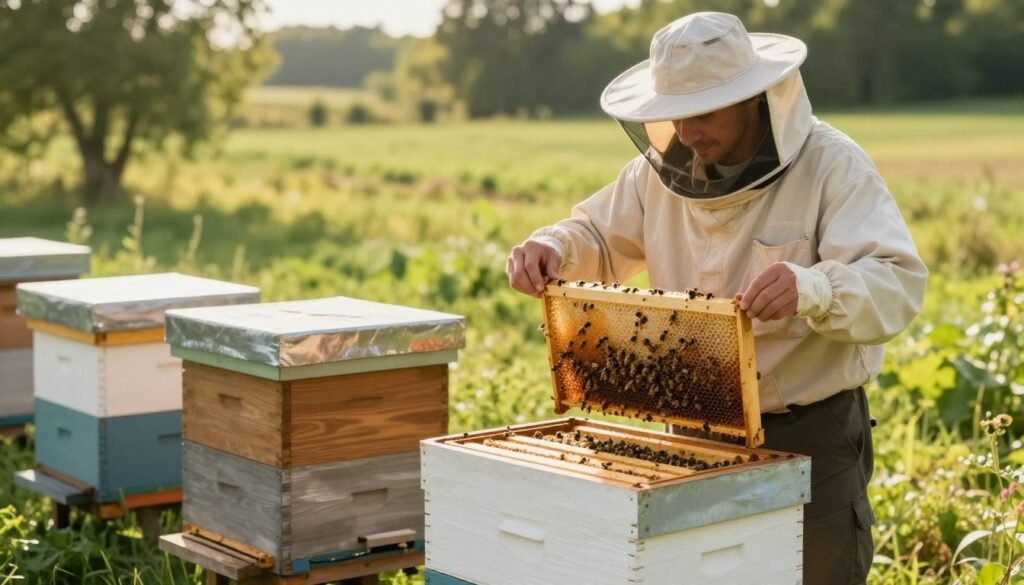
Install frames gently and keep orientation consistent when you move them. Transfers from a nucleus to a full hive stress bees less than installing a package because comb and brood stay intact.
Inspect often but briefly. Check that the queen is laying, brood looks healthy, and food stores support growth. If you bought a starter, learn how to spot disease by following a guide to inspect purchased nucs.
- Protect location: shield from wind and rain.
- Watch frames: look for queen activity and swarm signs.
- Feed when needed: support bees that are still building comb or low on honey.
Use a mix of wood and plastic equipment as needed, but keep routines consistent. Track inspections and notes—good records help a beekeeper expand space at the right step for lasting success.
Conclusion
The right temporary hive can determine whether a colony thrives or struggles this season. , choose equipment that matches your climate and management style.
Insulated options offer a clear thermal benefit, letting bees conserve food and focus on brood and honey. Wooden alternatives stay reliable and cost-effective when tended well.
Match gear to the needs of your bees, and practice calm, consistent management. For practical buying notes and types of starter containers, see this nuc box guide.
Good equipment and steady care set a foundation for stronger colonies and better yields, whether you are new or experienced.