Research shows the social environment and reproductive center shape hive success. Studies on social insects reveal that the role of the queen and the makeup of workers guide brood production and honey yields. This article reviews past results to clarify links between life stage and output.
Beekeepers managing Apis mellifera in the United States benefit from clear information on the interaction between the lead female and workers. Worker demographics and the queen’s time on the nest influence brood care and resource collection.
We examine senescence, older queens, and worker shifts to show practical implications for management. The goal is to give evidence-based insight that helps improve colony productivity and meet colony needs under varied environmental conditions.
Key Takeaways
- Social context matters: the hive’s structure affects reproduction and production.
- Worker age interacts with the reproductive female to shape brood production.
- Older queens can change colony productivity; monitoring is essential.
- Good brood care and resource access support honey and population goals.
- Past research offers practical guidance for U.S. beekeepers on management choices.
Understanding the Role of the Queen in Colony Success
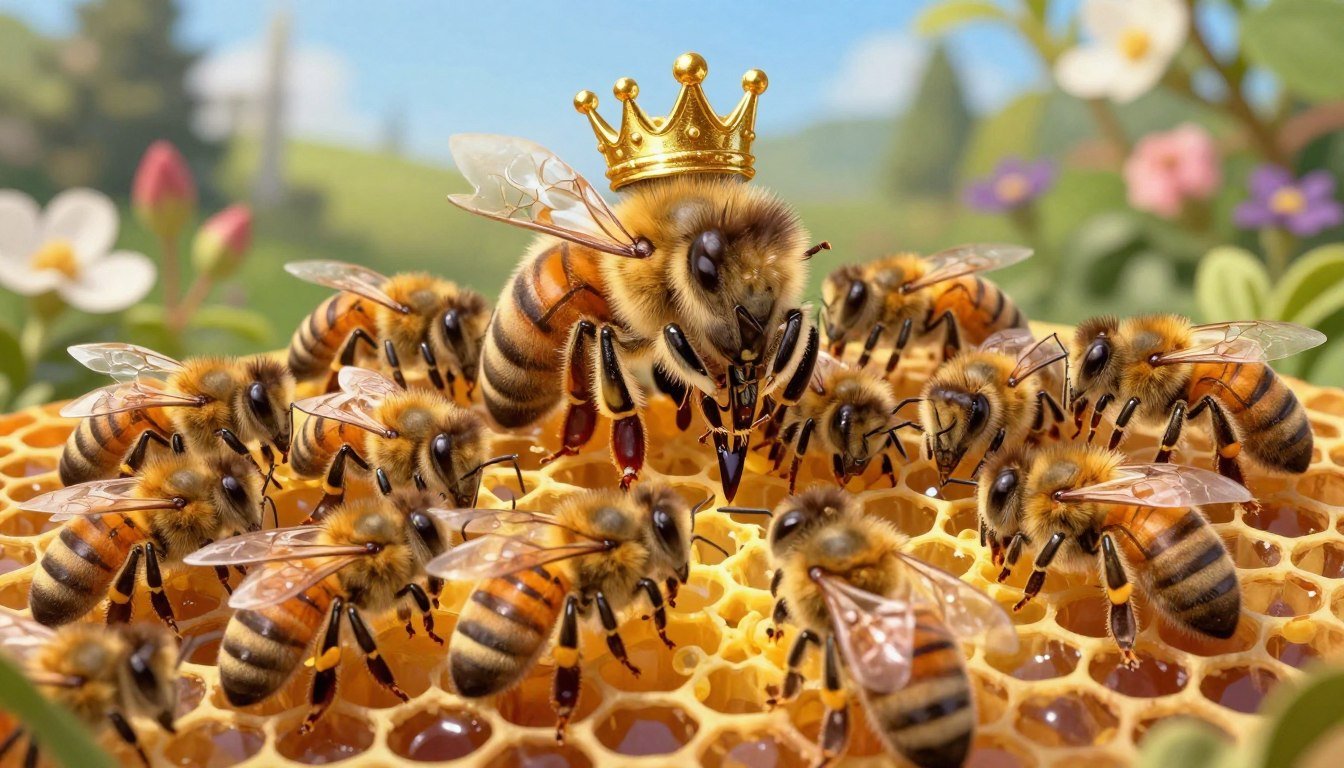
The reproductive female anchors daily life in a hive, setting the pace for growth and stability. Her egg-laying ensures population continuity, and that steady output allows workers to divide tasks predictably.
The Queen as the Reproductive Core
As the primary breeder, the queen controls brood production and helps maintain worker numbers. Her ability to adjust egg rates responds to seasonal needs and resource changes.
Division of Labor
In Apis mellifera, caste defines work. Young workers focus on brood care and nest duties. Older workers shift to foraging and resource collection to support the hive.
These role shifts keep the hive functional. The interaction between the queen and workers creates a balanced social system that supports strong colonies.
For beekeepers in the United States, recognizing this central figure helps with management choices. See tips to boost colony population naturally for practical steps.
How Queen Age Affects Colony Performance
Multi-year studies link the reproductive female’s years of service to measurable shifts in brood area and honey stores.
Research on Apis mellifera bandasii shows that younger breeders, especially those in their first and second years, lay more eggs and sustain larger sealed brood areas than older individuals. Data collected over three years found 1- and 2-year-old breeders produced significantly more brood than 3-year-old counterparts.
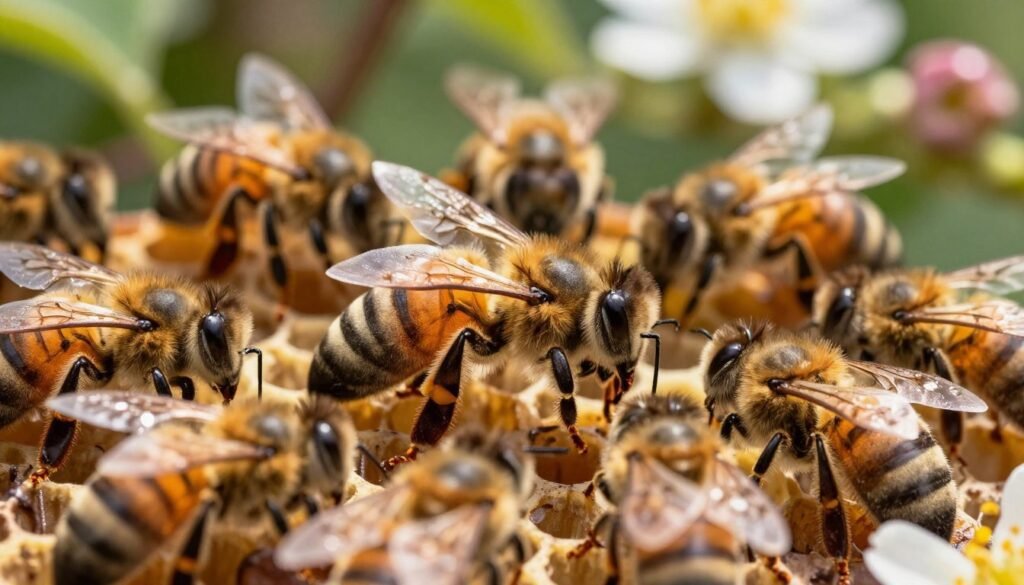
Time is a critical variable. After the second year, laying rate and vigor often decline. This trend translates to lower sealed brood area and reduced honey yield in heads led by older females.
Beekeepers in the United States commonly search for evidence to guide requeening decisions. The results suggest that replacing older breeders with younger, vigorous ones helps colonies perform better in brood production and resource collection.
- Metric: Sealed brood area
- Metric: Honey yield
- Action: Monitor and consider requeening after two productive years
| Breeder Years | Relative Brood Area | Honey Yield | Management Note |
|---|---|---|---|
| 1 year | High | Above average | Optimal for growth and expansion |
| 2 years | High | Average to above | Monitor; still productive |
| 3+ years | Reduced | Below average | Evaluate requeening |
For practical guidance on scaling and maintaining productive apiaries, consult this beekeeping expansion guide.
Biological Mechanisms of Aging in Social Insects
Mechanisms that drive aging in social species combine physiology, behavior, and the hive environment.
Senescence in Social Insects
Senescence in social insects is not a simple clock. Internal wear interacts with social signals to change the pace of decline.
Studies in Cardiocondyla obscurior show that age polyethism drives task allocation. Younger workers begin with brood care and later shift to foraging.
Research also finds that the demographic makeup of a nest alters life expectancy. A balanced mix of ages can extend worker life and boost resilience.
“Social interactions can delay the onset of senescence, creating measurable differences in longevity.”
- Social modulation: cues from nestmates adjust physiological aging.
- Environmental role: food and stressors change the rate of decline over time.
- Task flexibility: workers switch roles to meet needs, affecting individual life span.
| Mechanism | Effect on Individuals | Implication for Apis mellifera |
|---|---|---|
| Age polyethism | Ordered task shifts; variable risk levels | Explains worker role distribution in honey bee nests |
| Social feedback | Delays physiological decline | Supports stronger brood care and steady production |
| Environmental stress | Accelerates wear; shortens life span | Suggests need for habitat and forage management |
Impact of Queen Age on Brood Production
Sealed brood measurements offer a direct window into reproductive vigor across different breeder years.
Measured data show clear differences by breeder year. Colonies led by 1-year breeders produced 4721.43 cm2 of sealed brood. Two-year breeders were even higher at 5523.08 cm2.
Production drops notably for 3-year breeders, which averaged 3433.82 cm2. These results confirm that brood output depends strongly on the reproductive female’s years of service.
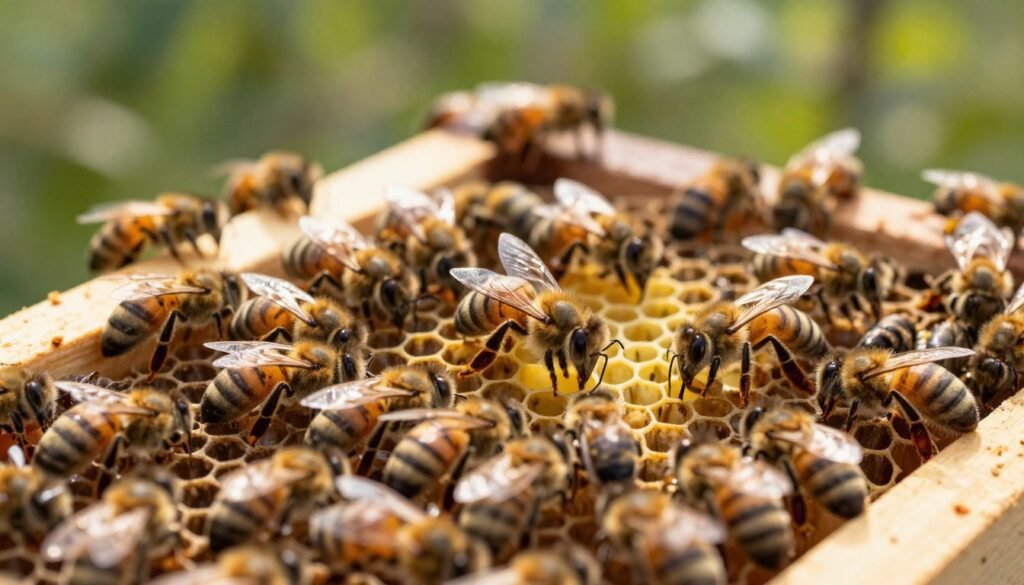
Brood production serves as a key indicator of reproductive potential and overall hive health. As the breeder grows older, her capacity to sustain a large brood area declines, and colony population growth slows.
For U.S. beekeepers managing apis mellifera, routine brood area checks help guide requeening decisions. Maintaining high brood production during the active season supports better honey yield and long‑term productivity.
- Data point: 1-year = 4721.43 cm2
- Data point: 2-year = 5523.08 cm2
- Data point: 3-year = 3433.82 cm2
Evaluating Honey Yield and Resource Collection
Harvest weights and forager output provide a practical gauge of hive reserves.
Measured yields show variation by breeder tenure. Colonies led by 1-year breeders averaged 13.34 kg per harvest. Those with 3-year leaders averaged 10.50 kg.
These figures show young breeders tend to support higher honey totals. Still, honey production does not always drop as sharply as brood measures do.
Worker foraging and resource flow determine how much nectar becomes stored honey. Strong worker numbers and good brood care boost collection rates.
Seasonal timing and floral availability shift results between apiaries and years. Beekeepers often combine yield data with brood checks to guide requeening and management choices.
For practical steps to scale output and manage resources, review methods for improving apiary productivity in this apiary productivity guide.
| Metric | 1-year breeder | 3-year breeder | Management note |
|---|---|---|---|
| Average honey (kg) | 13.34 | 10.50 | Consider requeening if yields decline |
| Resource collection | High (with strong workers) | Moderate | Monitor forage and worker numbers |
| Brood vs. honey | High brood and honey | Lower brood; honey may vary | Use both metrics for decisions |
Swarming Tendencies and Queen Cell Construction
Swarming risk often rises when inhibitory signals from the hive’s lead female decline.
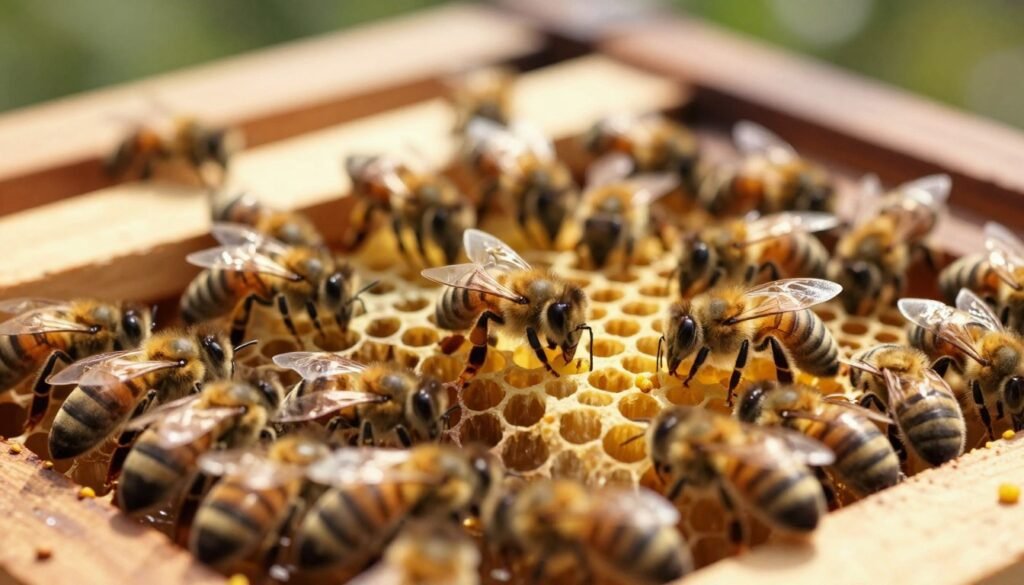
Observed data show a stark contrast: colonies led by 3-year breeders built an average of 9.90 queen cell cups and swarm cells, while 1-year leaders averaged only 0.07. This difference is a clear indicator of increased swarm tendency tied to breeder tenure.
Pheromone influence matters. Older breeders may emit fewer inhibitory pheromones, and workers respond by starting new brood intended for replacement females. That shift often precedes a split.
Pheromone Influence
Inhibitory pheromones suppress swarm cell construction when they are strong. As those chemical cues weaken, workers gain the signal to rear new queens. Monitoring pheromone strength—indirectly via brood pattern and worker behavior—helps predict swarming.
Swarm Prevention
Swarm control is a top management goal because a departing cluster reduces population and honey stores. Practical steps include routine inspections, timely requeening, and splitting strong hives early in the season.
- Inspect frames for queen cups during buildup.
- Consider requeening to maintain strong inhibitory signals.
- Use splits or artificial swarms to retain workforce and brood.
For more on identifying and managing queen cell development, see this resource on queen cells in the hive.
The Interaction Between Queen and Worker Age
The match or mismatch of life stages among nest members defines task allocation and overall vigor. This interaction between the reproductive female and worker cohorts shapes daily duties and long‑term growth.
Workers are highly flexible. They shift tasks when demographics change, trading brood care for foraging or nursing as needed. Research on Cardiocondyla obscurior found old workers exposed to founding conditions lived about 50% longer, showing social context can extend life.
When workers and the lead female are of similar years, colonies often reach higher reproductive output. That alignment strengthens the queen worker relationship and streamlines division of labor.
Old queens may need a specific worker demographic to sustain vigor. Beekeepers should watch both breeder and worker structure when making decisions. Practical checks of brood pattern and workforce age help guide requeening or splits.
For related breeding and hygienic traits, review research on predisposition to hygienic behavior. This article supports a targeted search for tactics that optimize apis mellifera colonies in U.S. apiaries.
Environmental Conditions and Colony Demography
Seasonal shifts force beehives to rebalance worker roles and population to match available resources.
Environmental conditions like temperature, forage timing, and rainfall drive rapid changes in nest demography. Workers shift duties from nursing to foraging as needs change.
Population structure is not fixed. A hive will expand brood or conserve stores depending on the season. That flexibility depends on the interaction between breeders and workers.
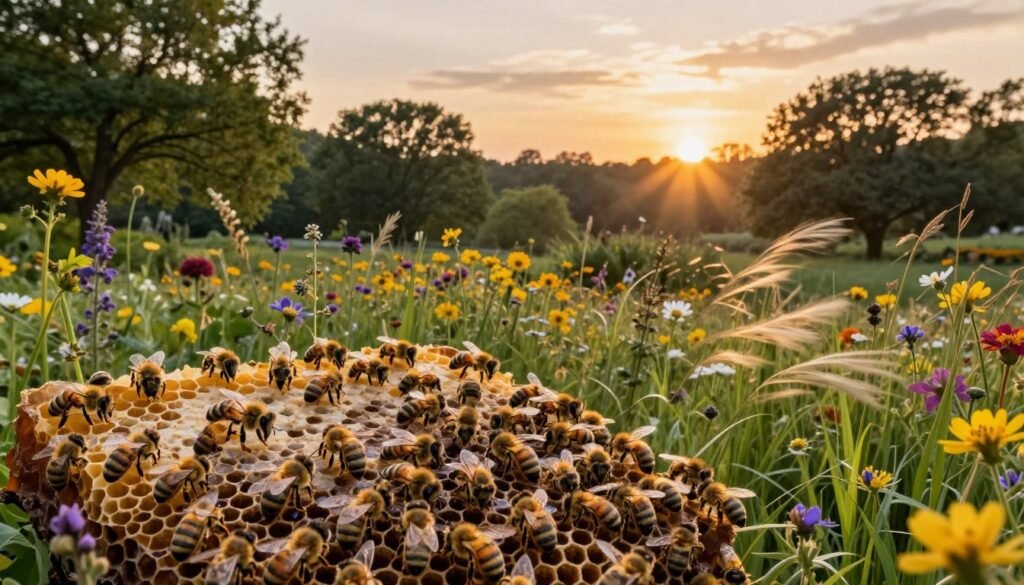
Adapting to Seasonal Changes
Young, vigorous queens and a balanced worker mix make it easier to respond to sudden resource shifts. Old queens may lag when conditions change quickly, and that can reduce brood adjustments.
Successful colonies manage worker allocation and reserves to ride out lean periods and exploit peak blooms. Beekeepers can support this by monitoring workforce and timing interventions.
- Inspect workforce strength before major seasonal shifts.
- Adjust feeding and splits to balance population and resources.
- Plan requeening or reinforcement when resilience is low.
| Condition | Worker Response | Role of Breeder |
|---|---|---|
| Spring bloom | Increase foragers; expand brood care | High laying supports growth |
| Summer dearth | Reduce brood; conserve stores | Adaptive laying helps survival |
| Sudden cold/drought | Shift to maintenance tasks; lower foraging | Older breeders may struggle to adjust |
For guidance on managing hives across varied climates, see a practical guide to beekeeping in different climates and recent reviewed findings on demographic resilience at demographic responses in social insects.
Physiological Changes and Reproductive Potential
Physiological shifts in the reproductive female drive measurable changes in brood output over time.
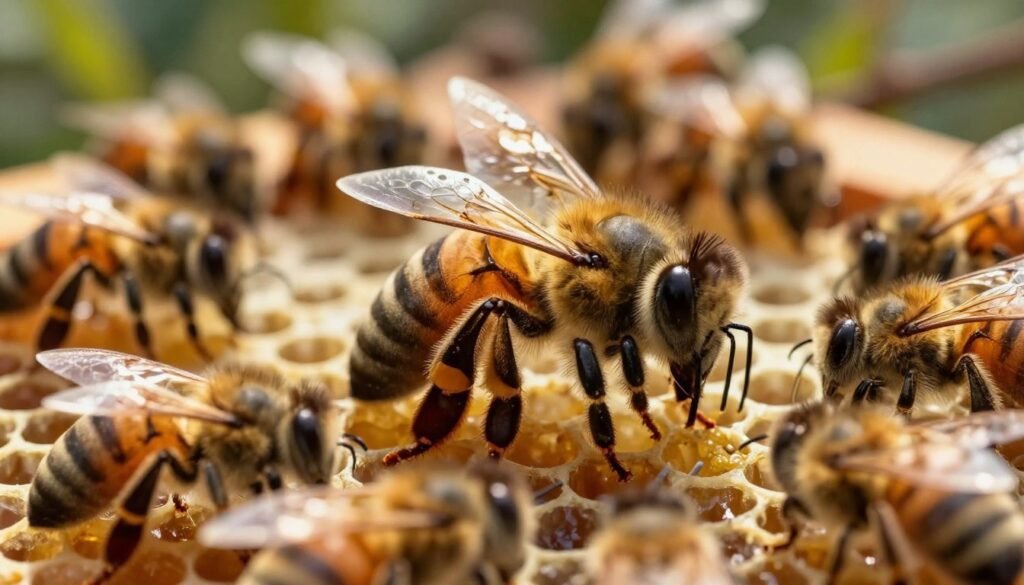
As the breeder grows older, internal systems that control laying slow down. Egg rates fall and brood area shrinks. Workers can support care and feeding, but they cannot restore lost reproductive capacity.
Time leads to reduced ovariole function, hormonal shifts, and lower sperm viability. These changes explain lower reproduction and smaller sealed brood in colonies led by old queens.
Beekeepers in the United States watch brood patterns and worker behavior to time interventions. Regular checks and attention to breeder genetics can extend productive windows. See breeder genetics at breeder genetics for more on heredity and vigor.
| Factor | Effect on Reproduction | Management Note |
|---|---|---|
| Ovariole decline | Lower egg output | Consider requeening after signs appear |
| Hormonal shifts | Irregular laying patterns | Monitor brood continuity |
| Worker support | Maintains brood care but not egg rate | Use worker checks to detect breeder decline |
Management Strategies for Requeening
A clear requeening plan helps beekeepers protect brood continuity and honey reserves. Requeening every three years is a common rule to keep colonies vigorous and reduce swarm risk. Regular checks of brood pattern, worker numbers, and stored honey guide timing.
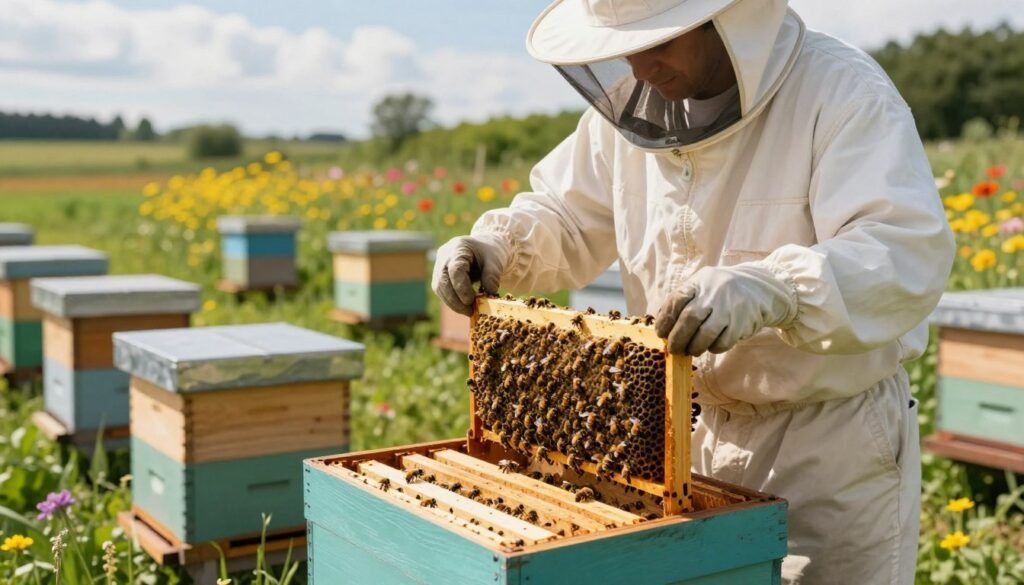
Introduce new queens slowly using cages or timed release. Workers accept a newcomer more readily if pheromone disruption is minimized and feeding is adequate. Proper introductions cut rejection and limit disturbance.
Evaluate the laying record and worker behavior before replacing older queens. Replacing old queens is proactive—it can prevent declines and protect apiary yields.
| Interval | Signs to Watch | Recommended Action |
|---|---|---|
| Every 3 years | Reduced brood, many queen cups | Plan requeening in spring |
| As needed | Patchy laying, fewer workers | Introduce a young, mated queen |
| Preventative | Strong workers, steady honey | Monitor; delay if stable |
For tested methods and detailed timing, review these requeening solutions to refine your management plan.
Future Directions in Honey Bee Research
The next wave of research aims to map the traits that extend reproductive life and stabilize colony growth.
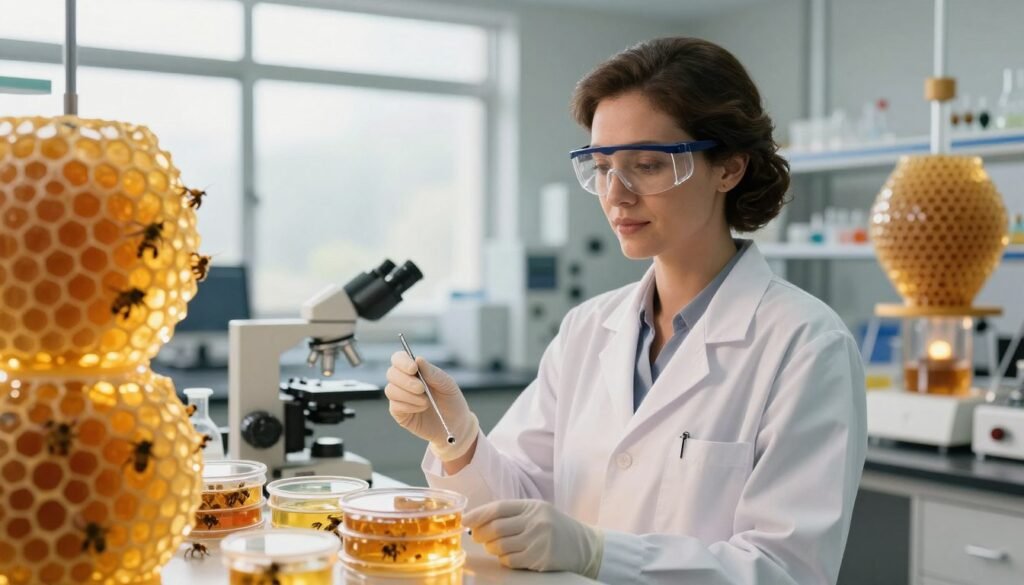
Scientists and beekeepers are intensifying the search for genetic and environmental levers that support longer-lived breeders and resilient colonies.
Key priorities include breeding programs to enhance reproductive potential and studies that link landscape stressors to breeder decline. Researchers will explore molecular markers, sperm viability, and hormone regulation in queens to guide practical requeening strategies.
Expected outcomes will give managers clearer tools to sustain hive health and productivity. Field trials and genomic work should produce recommendations adapted to U.S. apiaries.
“Understanding the interaction between genetics and environment is central to reducing losses and improving sustainability.”
- Map genetic traits tied to longevity and brood rate.
- Test management methods that slow age-related decline.
- Translate findings into rearing and requeening best practices.
For breeding and rearing guidance, consult practical methods in this queen rearing basics, and review current scientific synthesis at recent peer-reviewed work.
Conclusion
Managing breeder turnover is a practical lever for keeping hives productive and stable. Research confirms that queen age links directly to brood and honey output, and that younger leaders help colonies perform better with higher reproduction and steadier population levels.
Regular checks of brood pattern, worker numbers, and stores let beekeepers detect decline early. Strong workers and timely requeening support brood production and honey collection, limiting swarm risk and protecting population growth.
Access to accurate information on breeder quality and simple management steps improves control over hive health. Future work should focus on sustainable practices that extend life and productivity in Apis mellifera and help U.S. colonies thrive.