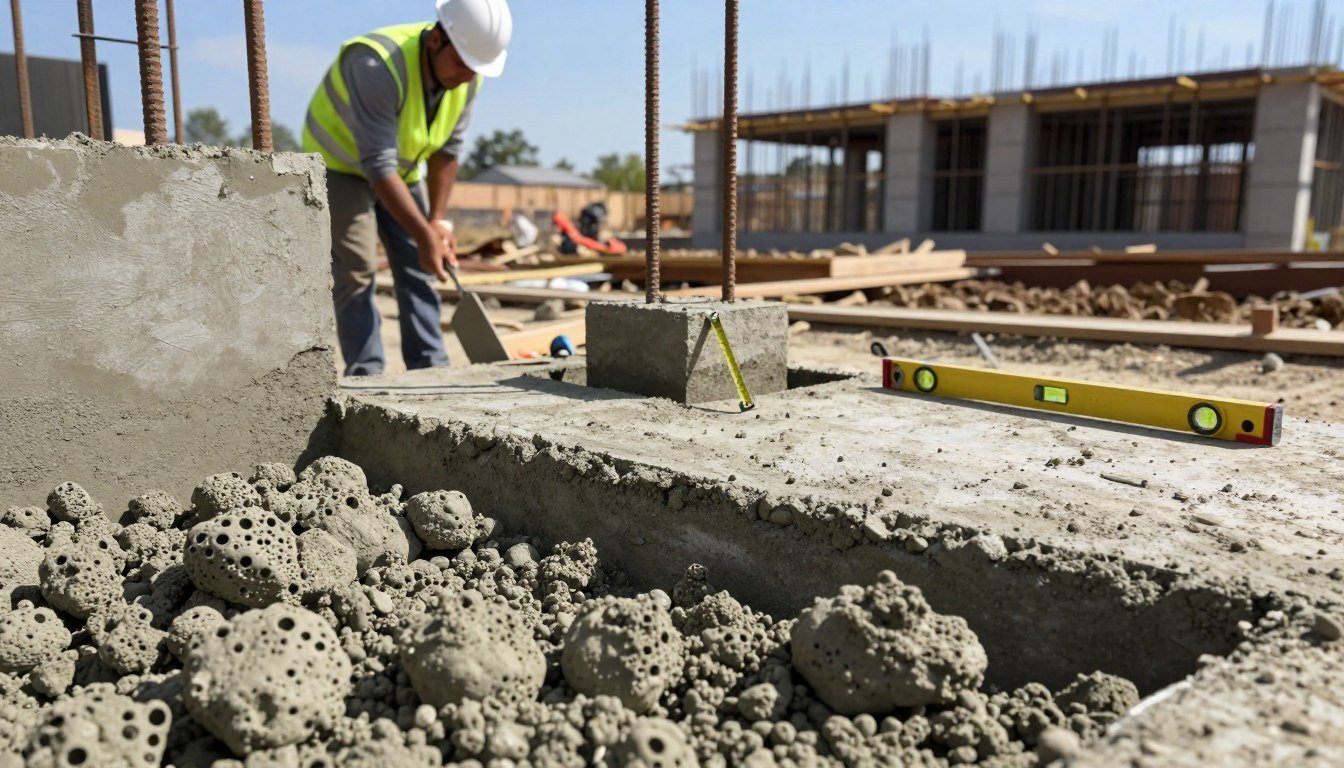
Building a home starts under the ground. The quality of the base sets how safe and stable your house will be for decades.
Many who lack construction experience miss signs of weak soil or poor material that lead to uneven floors, stuck doors, or major cracks.
This short guide explains common pitfalls and how to prevent them. You’ll learn why soil testing, quality concrete and proper reinforcement matter.
Follow these professional tips to manage your project with confidence. For a deeper look at site investigation and design, see site investigation and construction basics.
Key Takeaways
- Soil testing helps avoid settlement and long-term damage.
- Use quality concrete and correct reinforcement for strength.
- Proper curing and drainage prevent cracks and dampness.
- Regular inspections catch errors before they grow costly.
- Hire qualified professionals to review critical design steps.
Understanding the Importance of a Solid Foundation
Every successful building begins with a stable base that carries loads safely into the ground. A well-planned start protects the home from common issues and preserves value over time.
Structural Integrity
The foundation acts as the backbone of the entire structure by bearing the load of walls, floors, and roofs. Without a properly designed concrete base, uneven settlement can occur and lead to structural failure.
Long-term Stability
Shallow systems that extend roughly 1.5 meters are often suitable for single-family homes. Deep foundations are required for multi-storied buildings or sites with weak soil.
- Proper soil analysis ensures balanced load distribution and lasting stability.
- Good design and materials prevent costly settling and preserve the home’s integrity.
- Experienced builders treat the base as the most critical component in any construction project.
Common Foundation Installation Mistakes Beginners Make
Skipping a proper site check is one of the fastest routes to costly structural problems. Failing to assess soil type and load capacity leads to uneven settlement and eventual failure of the base.
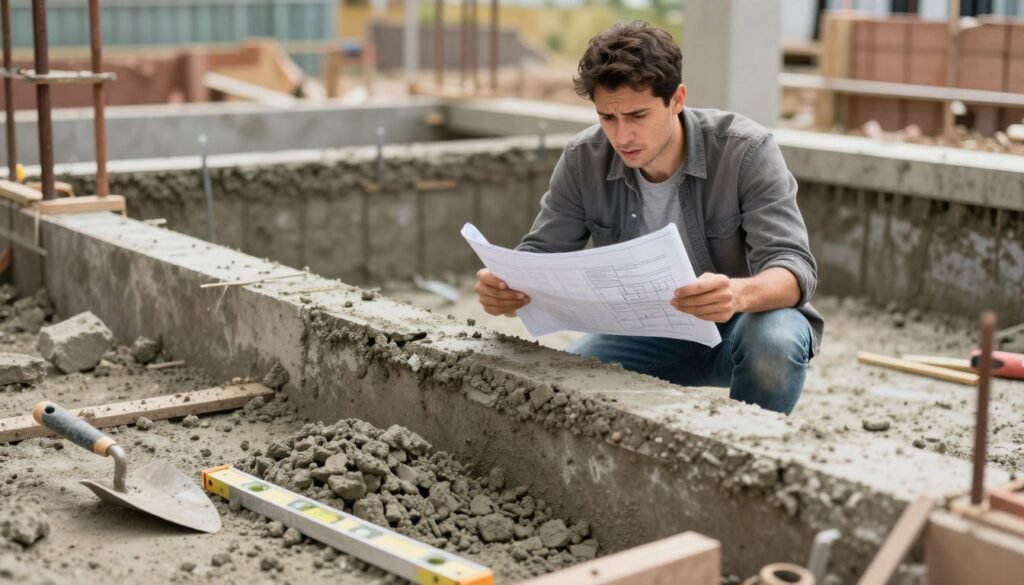
Ignoring the need for a solid concrete base often shows up later as visible cracks in walls or floors that are out of level. Small ground cracks can widen and, in severe cases, become sinkholes under a home.
- Not monitoring every step of construction allows hidden movement before finishes are applied.
- Homeowners sometimes try repairs during renovations, but that can worsen underlying issues.
- Discipline in site prep and choosing quality materials reduces long-term risks.
| Issue | Common Cause | Likely Result |
|---|---|---|
| Uneven settlement | Poor soil assessment | Door binding and floor sloping |
| Surface cracks | Weak concrete base or poor curing | Water ingress and cosmetic damage |
| Sinkhole risk | Unaddressed ground voids | Major structural failure |
Essential Tools and Materials for Your Project
A well-stocked toolkit and quality supplies set the tone for a smooth build. Gather tools such as a shovel, pickaxe, trowel, spirit level, measuring tapes, wheelbarrow, and a concrete mixer before work begins.
Good materials prevent costly delays. Stock reinforcement steel, concrete blocks, gravel, construction sand, cement, and clean water. Use clean sand and proper cement ratios to protect the base and concrete performance.
A professional crew always brings precision gear. The spirit level and measuring tapes ensure accurate grades. A concrete mixer speeds mixing and reduces human error.
- Wheelbarrows and formwork keep pours organized and efficient.
- Gravel aids drainage and extends the life of the base.
- Reinforcement steel and quality blocks add structural strength.
For a practical checklist and tips on selecting the right equipment, see this guide to essential tools for DIY projects.
Site Selection and Soil Analysis
A careful site survey reveals whether the ground will hold your home or cause trouble later.

Selecting the right site means choosing stable, compacted soil with high load-bearing capacity. Avoid lots with loose fill or deep sand, as these ground types often shift and need special engineering solutions.
Testing Soil Capacity
Before digging, conduct a thorough soil analysis to learn the soil type and its capacity to support the building. Core samples, hand augers, and simple penetrometer tests give fast insight into soil conditions.
- Check drainage: a high water table can press on the base and weaken concrete over time.
- Survey for utilities and roots: underground cables, pipes, or large tree roots can obstruct work and cause damage.
- Mandate load testing: verifying capacity prevents uneven settlement and protects long-term performance of foundations.
Document results and use proven solutions if tests show weak soils. A clear site report guides contractors and helps protect your investment.
Excavation Depth and Precision
Accurate excavation sets the stage for a level base and long-term stability. The required depth depends on soil type and the total load of the building. Typical shallow footings often need about 8 to 12 inches below finished grade for many small homes.
Use a spirit level and string lines to check grade and alignment before any concrete goes in the base. Those simple tools keep edges true and prevent offsets that cause future settlement.
Bring the right tools for the materials you face. A pickaxe helps in tough terrain while shovels and tampers finish the grade. Measure frequently to keep a uniform depth across the entire site.
- Sandy or loose soil often requires deeper footings to protect the home from sinking.
- Uneven excavation produces an unstable base and uneven concrete pours.
- Follow precise depth and level checks to ensure durable foundations and correct concrete placement.
For more on correct digging methods and equipment, review proper digging techniques at proper digging techniques.
The Role of Proper Compaction
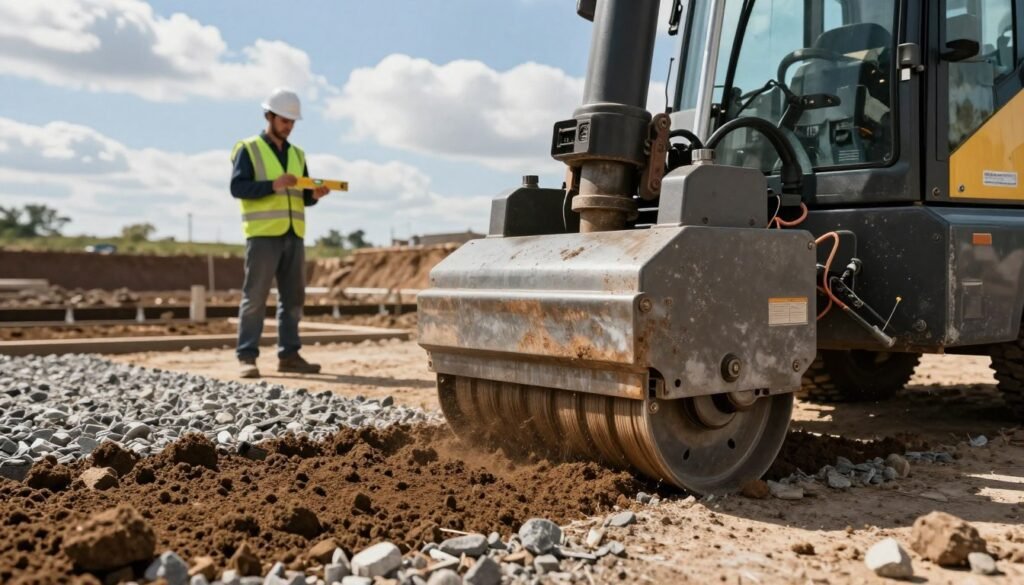
How soil is compacted beneath the slab often decides whether a house stays level or shifts over time. Proper compaction increases density and improves load-bearing capacity for a reliable foundation.
Avoiding Overcompaction
Compressing soils too much lowers permeability and can cause poor drainage. That traps water under the base and raises hydrostatic pressure.
Balance compaction with permeability checks. Monitor moisture and stop if the ground becomes impervious.
Using Plate Compactors
Mechanical plate compactors deliver consistent results. Make multiple passes in overlapping patterns to get uniform compaction across the surface.
- Keep the soil slightly moist so particles lock together during compaction.
- Avoid excess water; saturated soils lose capacity and can push against systems below grade.
- Test small areas for level and density as you go to confirm expected results.
| Task | Key Point | Expected Outcome |
|---|---|---|
| Plate compaction | Multiple overlapping passes | Uniform density and improved capacity |
| Moisture control | Keep soil damp, not saturated | Good particle cohesion without excess water pressure |
| Permeability check | Avoid overcompaction | Maintained drainage and long-term stability |
For guidance on concrete behavior and related on-site checks, review concrete mix tips at concrete mix tips. Proper compaction paired with good materials helps foundations resist settlement and stay level over time.
Reinforcement and Formwork Best Practices
Sturdy formwork and correct rebar layout are the difference between a lasting base and early repairs.
Erect wooden formwork square and true to hold the concrete pour and preserve the planned dimensions of the structure.
Apply a release agent to the forms. This prevents sticking and yields cleaner surfaces for the home foundation.
Place reinforcement steel according to engineered drawings so it carries tensile loads and limits cracks in the concrete base.
Use metal bar chairs to keep the rebar cage at the right height. Proper spacing and concrete cover improve long-term durability.
- Integrate waterproofing membranes or coatings during the formwork stage to defend the concrete from moisture.
- Label tools and materials clearly on site to keep teams aligned and reduce errors.
- Consult a structural engineer for rebar layout to meet safety and code requirements.
“Good formwork and correctly placed reinforcement turn raw concrete into a resilient structure.”
Managing Drainage and Moisture Control
Heavy seasonal rain can turn a solid site into a waterlogged hazard if drainage is overlooked.
Proper water management protects the concrete base and surrounding soil. It also reduces long-term issues that lead to cracks and damp walls.
Preventing Water Pooling
Design simple slopes so runoff moves away from the home. A slope of about 1/4 inch per foot directs water off the base and lowers standing water risk.
In rainy regions like Orlando or Miami, annual totals can exceed 50 inches. This makes reliable drainage systems essential. Check downspouts and drainage tubing regularly to keep flow clear and away from foundations.
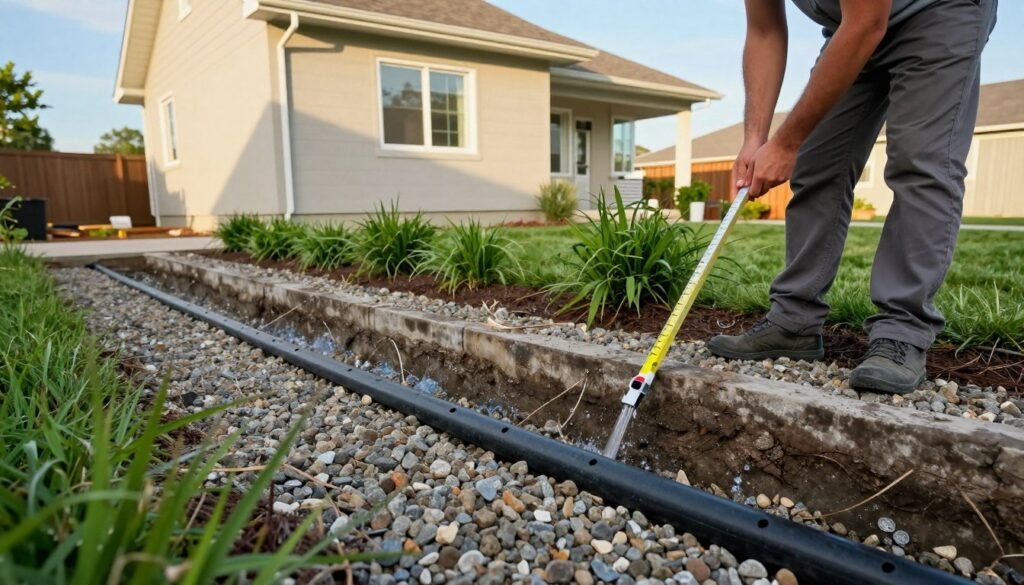
Use gravel layers and perforated pipe in collection trenches to keep soil near the structure drier. Add a quality waterproofing membrane to walls to stop moisture from seeping into concrete.
- Keep gutters and downspouts clean and extended away from the base.
- Install perimeter gravel and drainage tubing to relieve water pressure.
- Waterproof below-grade walls to reduce damp and limit cracks.
| Risk | Control Measure | Expected Benefit |
|---|---|---|
| Surface pooling | Grade 1/4 inch per foot away | Reduced standing water near structure |
| Saturated soil | Perimeter gravel with drainage pipe | Improved soil drainage and load capacity |
| Wall moisture | External waterproofing membrane | Less seepage and fewer cracks |
Environmental Factors and Frost Protection
Protecting a building from freeze-thaw cycles starts with correct depth and a clear plan for ground water. Digging to the proper depth below the frost line prevents ice in the soil from lifting slabs and causing long-term damage.
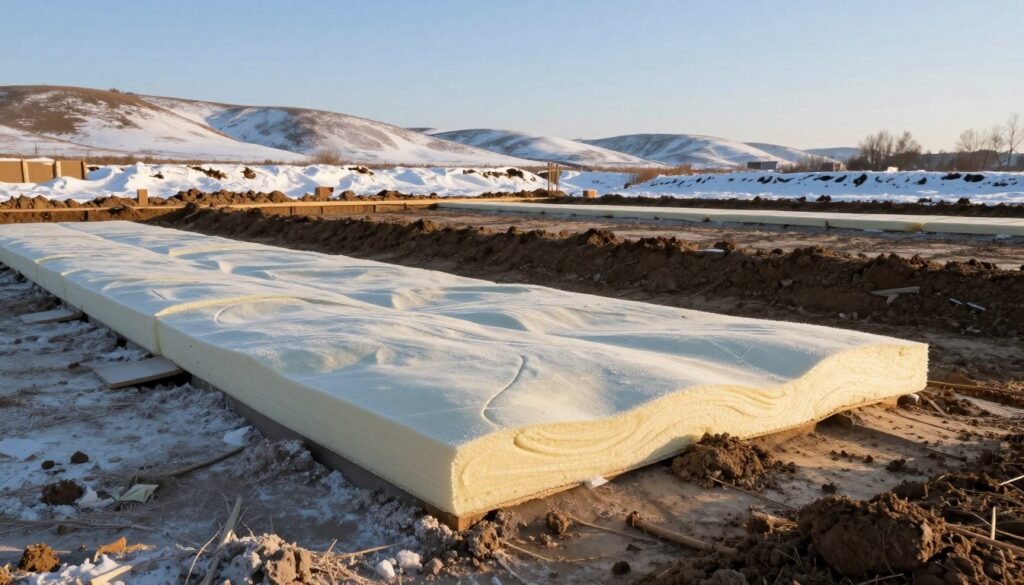
Good drainage and a compacted gravel base reduce water retention near the base and keep the home dryer through winter. Manage surface runoff and use perimeter drains so water moves away from the slab.
Soil type and local conditions dictate the approach. Sandy soils drain faster, while clay holds moisture and can expand when frozen. Match concrete mixes and reinforcement to the climate to limit cracks and weather-related harm.
Reinforcement steel and correct depth help foundations resist seasonal ground movement. Use engineered details for your area and verify frost depth with local building codes to avoid costly repairs.
Post-Installation Inspection and Maintenance
A careful post-pour check helps catch small issues before they grow into costly repairs.
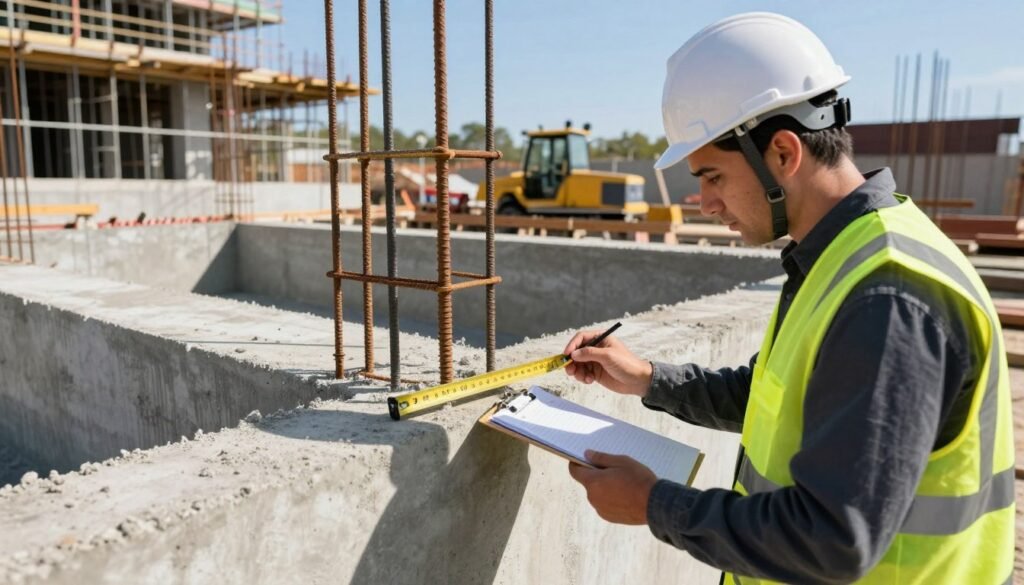
Inspect the slab and surface for level, alignment, and finish quality within the first week. Curing concrete by applying water for at least 7 days boosts long-term strength and helps avoid early cracking.
Regular upkeep preserves durability. Clean and reseal exposed concrete as needed to protect against water and soil stains. Check waterproofing barriers and drainage systems so the home stays dry and stable.
Address minor settling promptly. Use a plate compactor or hand tools to recompact small low spots soon after the work step is complete. This limits further movement and reduces repair costs.
Document issues and call professionals if you notice shifting or new cracks. Langenfeld Masonry & Concrete, serving counties since 1912, stresses that scheduled maintenance is key to results that last.
- Check levels and metal reinforcement exposure along edges.
- Verify drains and downspouts move water away from the base.
- Reseal surfaces and monitor for hairline cracks over the first year.
For guidance on related red flags during renovations, review this short guide on DIY home improvements and inspection red.
| Task | When to Check | Expected Action |
|---|---|---|
| Level and alignment | Within 7 days | Record measurements; correct minor offsets with compaction |
| Concrete curing | First 7 days | Keep surface moist to improve strength |
| Drainage & waterproofing | After heavy rain and quarterly | Clear lines; repair membranes or seals |
| Surface maintenance | Annually | Clean, reseal, and monitor cracks |
Conclusion
Successful construction depends on disciplined steps and on verifying every critical detail.
Avoiding common mistakes during this step protects your home and saves money over time. Plan the site, choose quality materials, and follow inspection routines.
Your project benefits from clear records and timely checks. Whether you hire pros or work hands-on, prioritize proven techniques and careful oversight.
With solid planning and practical experience, you can reduce risks and achieve a result that lasts for generations. Trust quality work and stay vigilant through each phase.
FAQ
What are the most common errors beginners make when building a foundation?
Common errors include poor site preparation, inadequate soil testing, incorrect excavation depth, weak compaction, insufficient reinforcement, and improper drainage. Each can lead to cracks, settlement, or structural failure if not corrected before pouring concrete.
How do I know if my soil can support my structure?
Perform a soil bearing capacity test through a geotechnical engineer or use a standard plate load test for small projects. Results tell you required footing size, depth, and whether you need soil replacement, stabilization, or a different footing type.
What depth should footings be for a typical home in frost-prone areas?
Footings must extend below the local frost line to prevent heaving. Frost depth varies by region—check local building codes. In many U.S. areas this ranges from about 12 to 48 inches; always verify with your municipality.
How important is compaction and what tools should I use?
Proper compaction increases soil capacity and reduces settlement. Use a plate compactor for granular fills and a rammer for cohesive soils. Aim for the compaction level specified by your geotechnical report, typically 95% of standard Proctor density.
Can you overcompact soil and why is that a concern?
Yes. Overcompaction can reduce permeability and create hard layers that trap water, increasing lateral pressure on walls. Follow recommended compaction energy and layer thickness to avoid this issue.
What reinforcement is required for concrete footings and slabs?
Use rebar sized and spaced per structural plans—commonly #4 or #5 bars in footings—and place chairs to hold bars off the ground. Wire mesh helps control shrinkage cracks in slabs, but rebar handles tensile loads and settlement risks.
How do I prevent water from damaging the base and structure?
Install perimeter drains, slope the surface away from the building, use waterproof membranes on walls, and add gravel drainage layers under slabs. Effective surface grading and gutters also redirect runoff away from the structure.
What are signs of poor installation after the concrete cures?
Look for hairline to wide cracks, uneven floors, doors and windows that stick, or new settlement near edges. These signs indicate underlying soil or reinforcement issues and should trigger a professional inspection.
Which materials should I prioritize for durability and quality?
Use high-strength concrete mixes suited to exposure, ASTM-compliant rebar, quality formwork, and proven waterproofing products from brands like Sika or Kryton. Choose aggregates and admixtures recommended by your engineer for local conditions.
How do environmental factors like frost and moisture affect foundation choices?
Frost can cause heave if footings are too shallow. High groundwater or expansive clays require deeper footings, engineered drainage, or moisture barriers. Site-specific solutions often include insulated foundations or piers to isolate the structure from variable soils.
When should I call a professional during my project?
Engage a geotechnical engineer before excavation, a structural engineer for reinforcement design, and a licensed contractor for complex builds. Call them immediately if unexpected soil conditions, standing water, or significant cracks appear.
What routine maintenance helps extend lifespan and stability?
Maintain exterior grading and gutters, inspect drains and waterproofing annually, seal minor cracks promptly, and monitor for erosion or new settlement after heavy rains. Regular checks prevent small issues from becoming structural problems.