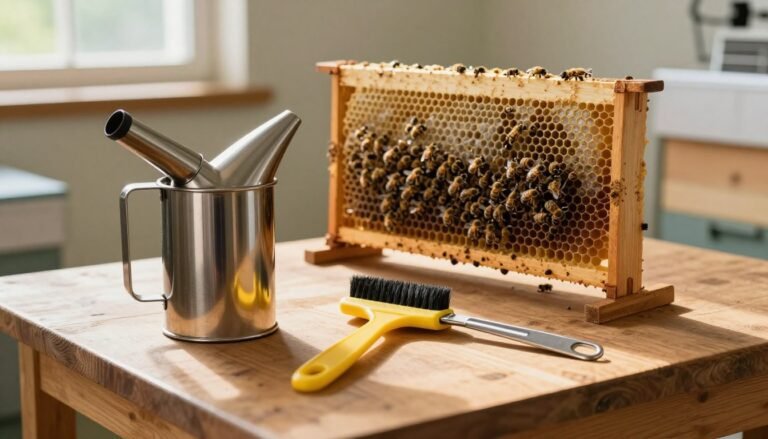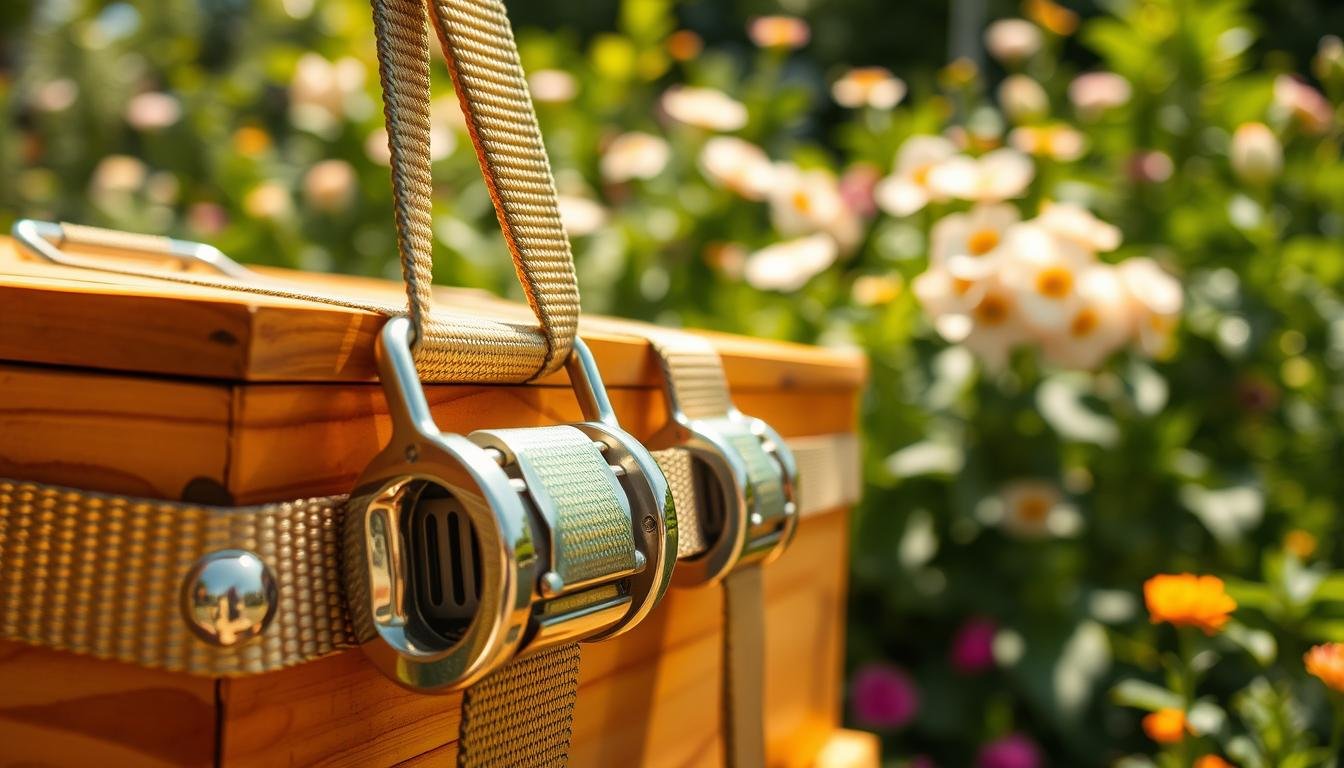
Keeping a hive steady during transit is a core function of good equipment. Bee hive ratchet straps are typically 1″ wide and 180″ long to guard frames from wind and curious animals. These straps form a simple, reliable way to hold boxes together on a truck or trailer.
Style and color may vary, but a consistent set helps you spot gear at a glance. A quality strap prevents a lid from blowing off on a windy day and stops livestock from toppling a load. That protection preserves the number of bees inside and keeps colonies safe during a long-distance event.
When choosing a product, weigh function, price, and durability. Look for clear attachment points and a smooth ratchet action. Small details add up when you haul loads often in the United States.
Key Takeaways
- Use 1″ x 180″ straps to protect hive components from wind and animals.
- A visible color or consistent style makes gear easy to identify.
- Reliable fastening prevents lids from blowing off during transit.
- Durable sets maintain hive structure and keep bees safe over long hauls.
- Consider function and price when selecting products for regular use.
Why Secure Bee Hives Are Essential
A good fastening routine keeps colonies safe when animals or wind threaten a load. Securing boxes is a simple, repeatable function that protects bees and gear during transit or seasonal storms.
Preventing Animal Interference
Use a set of ratchet straps to anchor a hive to a stand, pallet, or blocks. This way a deer, cow, or curious dog cannot knock the stack over.
Function matters more than color or style; a visible set helps locate gear, but the key is that the straps secure the base and lid.
Mitigating Wind Damage
Before winter, strap all components together. Strong gusts can lift lids and scatter frames, which reduces the number of bees that survive a storm.
These fittings are built to handle heavy loads and keep components intact on a truck or during a windy day.
“Secure fastening is not optional — it is the most reliable way to protect colonies during transit and harsh weather.”
- Anchor the hive to a solid support to prevent animal damage.
- Use a tight set before winter storms to hold boxes together.
- Prioritize function and secure loads over matching color or style.
Evaluating the Best Ratchet Straps for Moving Hives
Evaluate straps by how they hold a load and resist weather over repeated use.
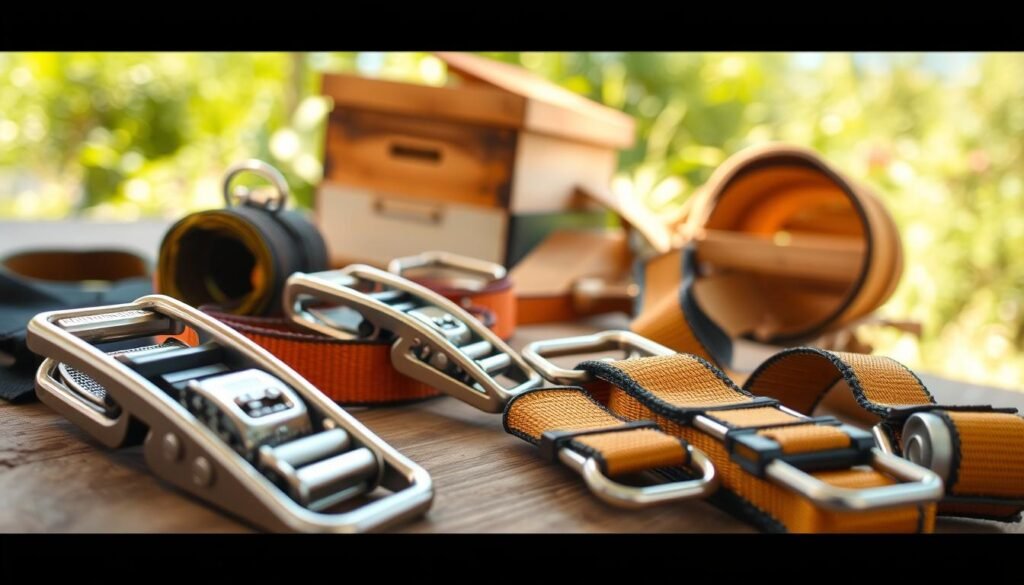
Appliance-dealer straps often offer solid value and reliable function at a fair price. I have tested several designs and favor the toggle style when I need quick tensioning.
Durability matters: when you use ratchet systems you gain a high-value tool that survives outdoors without losing structural function.
- Choose a strap that does not stretch; stable webbing keeps a hive steady.
- Evaluate price, but put securing the load first during any transport event.
- A longer strap length gives flexibility to handle empty boxes and varied loads.
“Avoid shorter straps; longer lengths let you secure multiple boxes and reduce rework.”
| Feature | Toggle Style | Standard Ratchet |
|---|---|---|
| Speed of use | Fast | Moderate |
| Durability outdoors | High | High |
| Best value source | Appliance dealers | Hardware suppliers |
| Stretch resistance | Excellent | Very good |
Choosing the right set helps you manage the number of bees and equipment safely, even during a busy day. For short transfers, see a recommended strategy at how to move a hive without disorienting.
Understanding Webbing Width and Strap Length
Choose webbing dimensions that match the job to keep loads steady and avoid surprises on the road.
Webbing width matters. A 1″ width gives the right balance of hold and gentle contact with wooden boxes. This width secures the stack without cutting into frames or lids.
Ideal Length for Versatility
With a 180″ length (about 5 meters) you get enough material to wrap a full set and still tie off cleanly. That length works well when you stack several boxes or anchor to a pallet.
- Standard width: 1″ webbing protects wood and maintains function.
- Length: 180″ (5 m) handles more boxes and varied loads.
- Durability: quality webbing resists stretch and keeps the price-to-performance ratio solid.
“A longer strap gives flexibility and reduces rework when securing multiple boxes.”
| Spec | Value | Why it matters |
|---|---|---|
| Webbing width | 1″ | Protects wood while providing stable hold |
| Length | 180″ (≈5 m) | Wraps full set; useful for varied loads |
| Stretch resistance | High | Maintains tension and protects bees |
Comparing Ratchet Mechanisms Versus Toggle Styles
Choosing between mechanical and simple tightening systems comes down to tension control, price, and speed. Consider how each option handles repeated use and the core function you need when you secure a load.
Benefits of Ratchet Systems
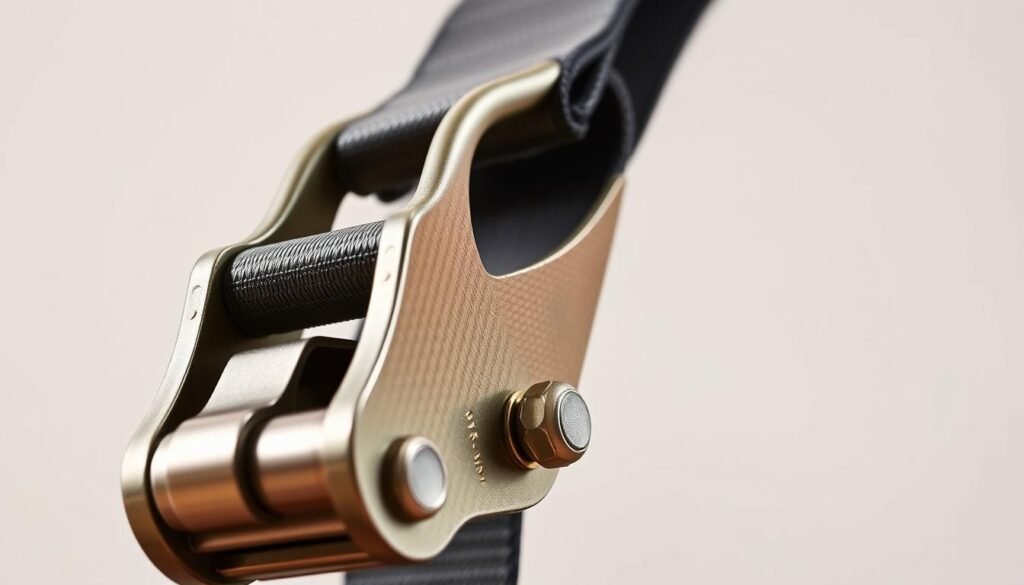
Ratchet systems give precise tensioning. Using a ratchet lets you set a consistent hold on a hive or stack, which reduces shift during transit.
The mechanical action makes operation much easier for beginners. When using ratchet tools you can tighten a strap to a measured tension and trust the function over time.
Advantages of Toggle Designs
Toggle designs omit moving parts and cost less. They often allow a very tight tie and are quick during a busy event.
Roger Patterson demonstrates a toggle set in a video to show how simple toggles can match the job at a lower price. For many beekeepers, the choice between toggle and ratchet comes down to speed, function, and how often you handle heavy loads.
Protecting Hives from Seasonal Weather Damage
Strong seasonal winds expose weak points in a stack, so secure every seam before stormy weather arrives.
Using a quality set of ratchet straps is a primary function of winter prep. Wrap lids and boxes tightly to turn separate pieces into one stable unit.
Do this before cold months hit. High gusts can lift a lid and scatter frames. A proper strap keeps the load sealed and shelters the colony.
- Durable ratchet strap sets resist weather and give long-term value for the price you pay.
- Securing loads prevents lateral shift and protects bee health across seasons.
- These systems are designed to function in harsh conditions and maintain tension over time.
“Strap all components together before winter to stop lids from blowing off.”
| Feature | Typical Value | Why it matters |
|---|---|---|
| Material | Weather-resistant webbing | Holds tension and resists rot |
| Tension control | Adjustable ratchet action | Secures the whole load without crushing boxes |
| Price | Moderate | Durability offsets initial cost |
For detailed storm prep guidance, see how to batten down the hatches and protect your equipment.
Essential Gear for Safe Hive Transit
Keep a small kit of reliable tie-downs in your vehicle; they solve more transport problems than you expect. I always carry several sets because they work for quick tasks like strapping empty boxes on a barrow.
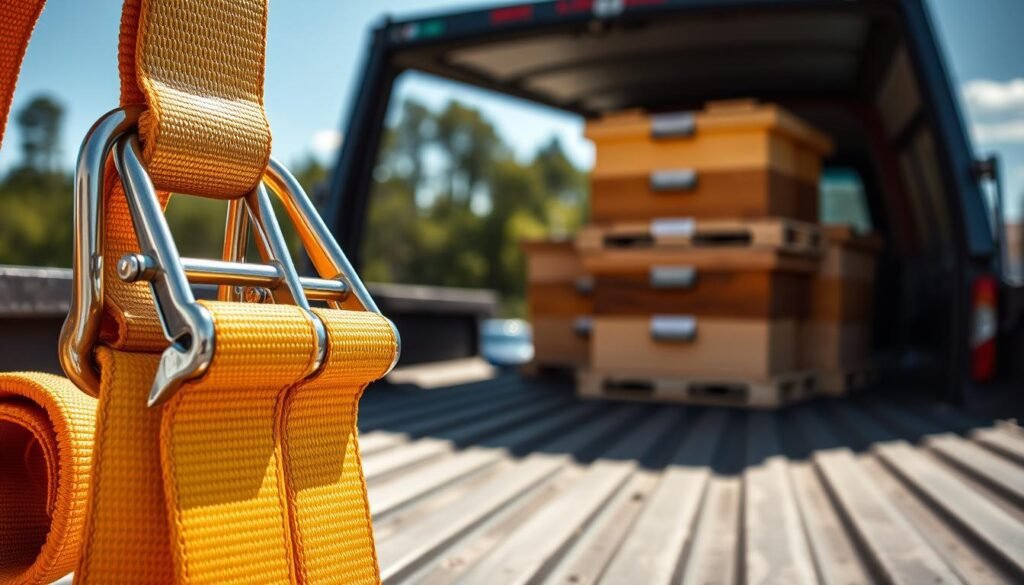
A dependable ratchet strap set handles the weight of equipment and keeps a load steady on trucks or trailers. The function of these tools goes beyond one trip; they help secure odd loads and protect valuable equipment at a reasonable price.
Investing in quality saves time and prevents damage. Roger Patterson recommends keeping multiple straps in the car as a routine habit.
- Choose a set that resists stretch and holds tension without crushing boxes.
- Use them to lock lids and frames so every component stays in place during transit.
- Keep a spare in case you need to tie down extra loads quickly.
“A few reliable straps in the car will save you from many common transport headaches.”
For practical steps on securing a hive during transport, see secure hives during transit and tips on travel-friendly beekeeping gear.
Tips for Loading Hives onto Trucks and Trailers
Thoughtful staging on a pallet makes tensioning a strap quicker and more effective. Plan box order and center weight before you apply any tie-downs.
Securing to Pallets and Stands
Start low and work up. Place heavier colonies at the base and keep boxes tight against each other. This reduces sway and lets a ratchet do its job with less effort.
When you use ratchet systems, the key function is consistent tension. A single strap may hold a single brood box without supers. Add a second strap when you carry a super, as Roger Patterson suggests.
- Loading is much easier when straps secure the pallet before lifting onto a truck or trailer.
- The primary function of a ratchet strap is to hold tension so the load does not shift in transit.
- Secure stands or pallets to prevent tipping; balanced loads travel safer and reduce damage.
| Task | Recommended | Why it matters |
|---|---|---|
| Base placement | Heaviest boxes first | Reduces center-of-gravity shift |
| Tie-down count | 1 for single brood, 2 with super | Maintains steady tension |
| Transport | Secure to truck or trailer | Prevents lateral movement and damage |
“Secure the stack to a solid pallet, then work the ratchet until the webbing holds firm.”
Managing Hive Components During Transport
Treat each hive stack as a single cargo item and fasten it to stop lateral movement. This simple habit improves the overall function of your transit routine and reduces rework at the landing site.
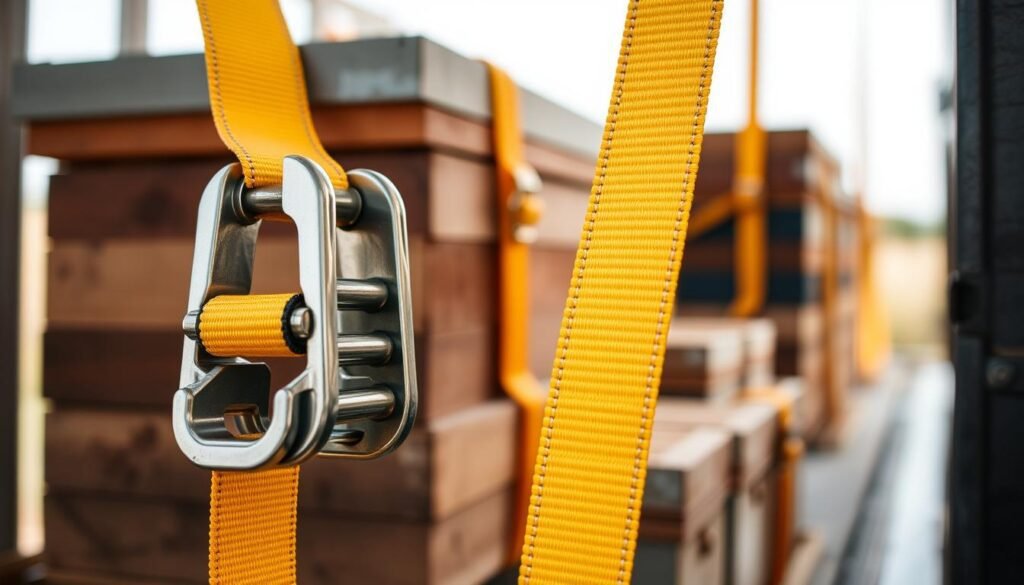
Use a reliable ratchet strap to hold lids and boxes together as one secure load. The core function of these connectors is to prevent sliding when a trailer bounces or you take a turn.
A high-quality ratchet strap provides steady tension so the function you need is predictable. That consistency makes the initial price worth it, since you protect colonies and equipment.
- Keeping components strapped converts multiple pieces into a single, stable load.
- The function of straps is to stop lateral shift and preserve frames during transit.
- Quality gear saves time and justifies the price through reduced damage and faster staging.
“Strap all components together before winter to stop lids from blowing off.”
For step-by-step guidance on short moves and safe handling, see how to move a beehive.
Shipping and Delivery Considerations for Beekeeping Equipment
Delivery options and fees often influence when and how you place large equipment orders.
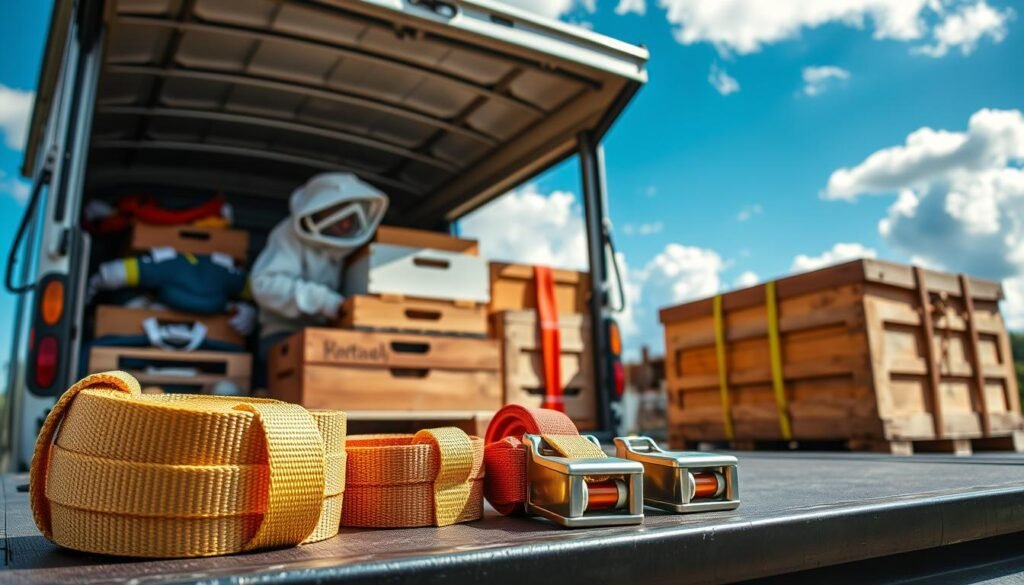
Free shipping is common on many sites. In the US, most orders over $100 ship free. In the UK, standard delivery is free on online orders over £100 (VAT included).
Free Shipping Thresholds
Check the order total before checkout to reach the free-shipping class. This can lower the overall price when you buy multiple pieces or parts.
Handling Heavy Equipment
Careful instructions help carriers handle bulky goods. If a carrier damages your consignment, mark the note on the consignment and call 01673 858555 immediately.
- Report shortages or breakages within 10 days of delivery.
- Some products are collection only — confirm collection options before you place an order.
- Carriers may leave parcels in a safe place at our instruction; check delivery instructions during a busy season.
| Issue | Recommended action | Why it matters |
|---|---|---|
| Damaged goods | Mark consignment note; call carrier contact | Speeds resolution and protects your order |
| Heavy items | Choose delivery class with handling options | Reduces risk to the load and products |
| Collection-only | Confirm pickup place or branch | Avoids failed delivery and extra fees |
For guidance on transporting brood and smaller nucleus colonies see nucleus colony transport. To reduce packaging waste when ordering gear, review tips at reduce plastic use.
Returns and Warranty Policies for Your Gear
Protecting your purchase starts with knowing the return window and the length of the warranty.
All products include a 12-month guarantee that covers defects in material and workmanship. This means the core function of your gear is protected for a full year.
If an item is damaged or not working, you may return it within 28 days for a full refund or exchange. Returns require the goods to be undamaged and accompanied by proof of purchase.
Keep receipts and order confirmations. They speed claims and ensure warranty service goes smoothly.
- Every ratchet strap comes with a 12-month guarantee to protect its function.
- Return undamaged goods within 28 days for a refund or exchange.
- The warranty covers defects so you can secure a heavy load with confidence.
- Retain proof of purchase to simplify any return or warranty claim.
| Policy | Duration | Why it matters |
|---|---|---|
| Guarantee | 12 months | Protects function and workmanship for one year |
| Return window | 28 days | Full refund or exchange if undamaged with proof |
| Coverage | Defects only | Covers faults that affect load security and performance |
Expert Advice on Using Straps Effectively
Learning a few simple techniques makes securing a hive load quicker and far safer.
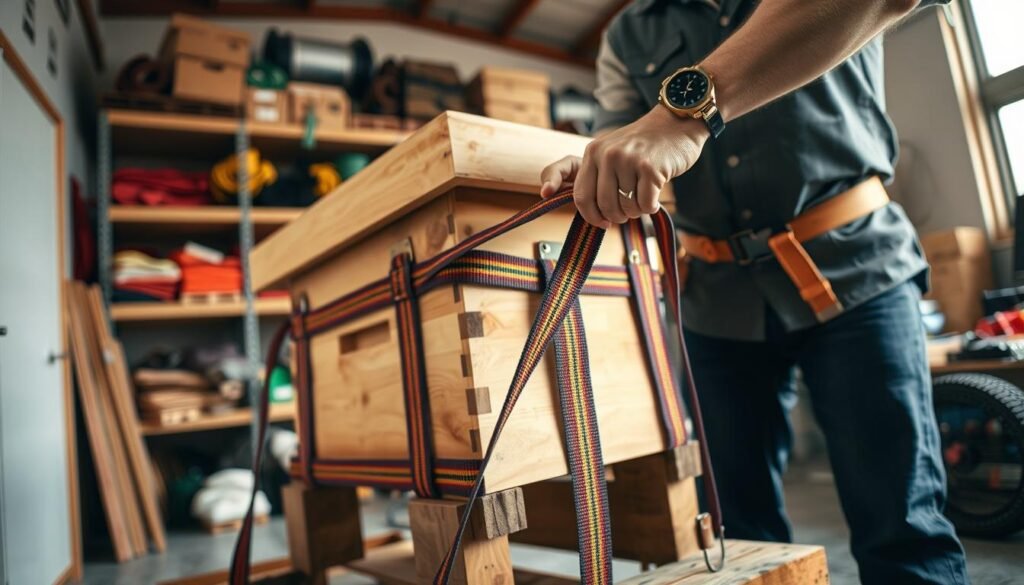
Roger Patterson, a noted editor and expert, says handling ratchet straps becomes much easier with short, regular practice. He demonstrates timing and body position in a video that slows key moves down so a new user can follow along.
Every user should watch the “Using a Toggle Hive Strap” video to see the proper technique for securing a heavy load. Watching real-time and slowed footage clarifies hand placement and tension steps.
Practical tips: start with a loose loop, seat the webbing, then work the mechanism until tension holds. Practice the sequence until repeating it feels automatic. Correct use prevents accidents and protects your bees during transit.
“Practice makes the process much easier and keeps your hive secure.”
| Action | Why it matters | Who benefits |
|---|---|---|
| Watch the demo video | Shows exact hand placement and timing | New and returning user |
| Follow a set sequence | Reduces mistakes and speeds work | Editor-tested method |
| Practice regularly | Builds muscle memory for each load | Every user transporting colonies |
Conclusion
Simple checks before you lift a load save time and protect colonies. Keep a small kit of durable webbing and a reliable mechanism ready. Practice tension steps until they feel automatic.
Choose durable materials and follow expert technique to keep boxes tight and stable throughout the year. Verify shipping options and warranty details to protect your purchase.
Secure preparation and quality gear make each transit safer and more efficient. Invest in reliable equipment now and you will protect bees, tools, and time across every load.