Japanese Knotweed Honey: Taste, Lab Data and Why Not to Plant It
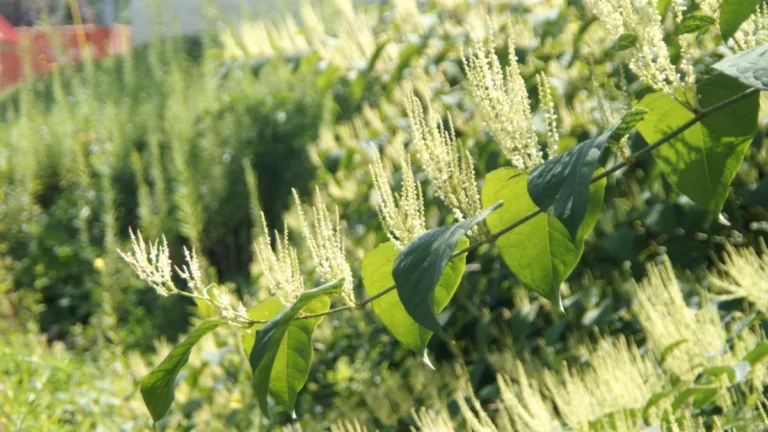
Japanese knotweed honey is a dark, reddish honey like a milder buckwheat. See lab data on its moisture and resveratrol, and where the plant is a regulated weed.


Japanese knotweed honey is a dark, reddish honey like a milder buckwheat. See lab data on its moisture and resveratrol, and where the plant is a regulated weed.
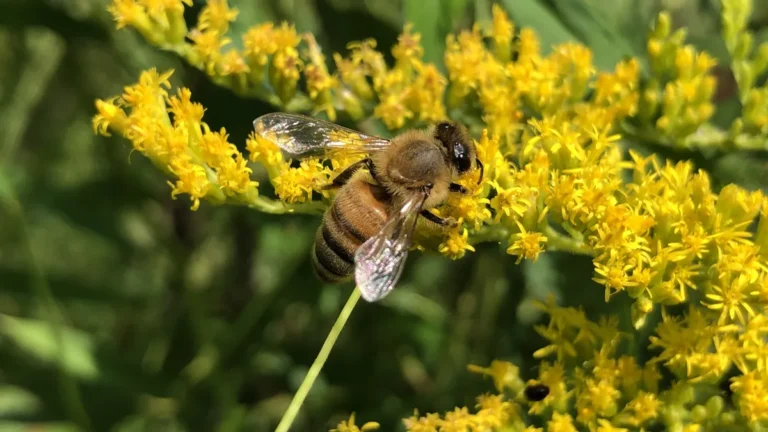
Goldenrod honey is buttery, mildly spicy and quick to crystallize. USDA data on its glucose and color, plus the dirty-sock hive smell and the allergy myth.
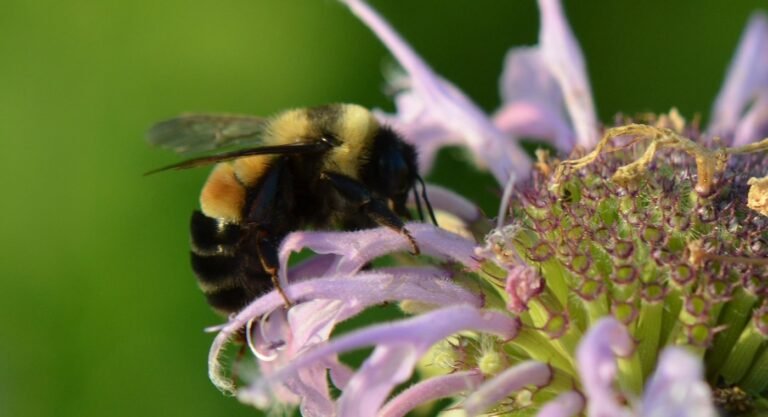
The rusty patched bumble bee became the first federally endangered bumble bee in 2017, and about 1.53 million acres in six states became its critical habitat on July 1, 2026. This guide covers its legal status, current range, field marks, look-alikes and how to help.

China produced 444,800 tonnes of honey in 2024, about 22% of the world total, ahead of India, Türkiye and Ethiopia. A FAOSTAT-based ranking of the top 15 producers, with U.S. production and imports.

What Irish law requires of beekeepers in 2026: DAFM registration to sell honey, the four notifiable bee diseases under S.I. 130/2016, EU rules for bringing bees in, the native bee import-ban bill, and honey labels.
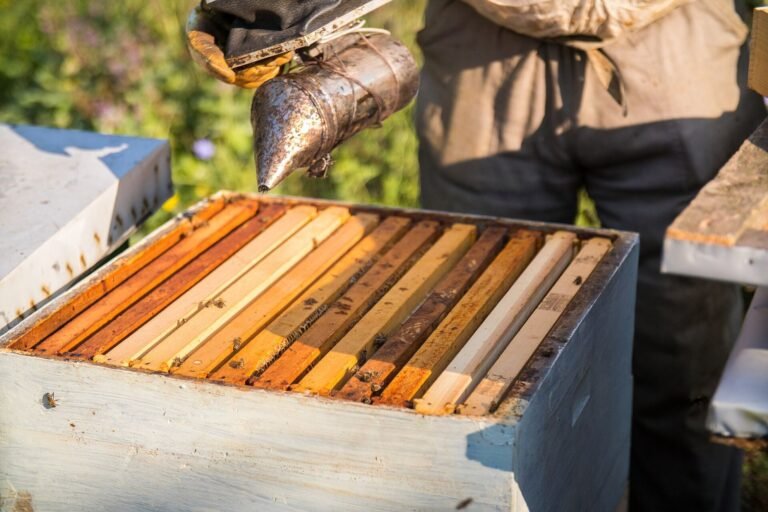
A gift guide for beekeepers sorted by recipient and budget, with prices checked at US suppliers in October 2026 and the fit checks to make before buying hive parts.
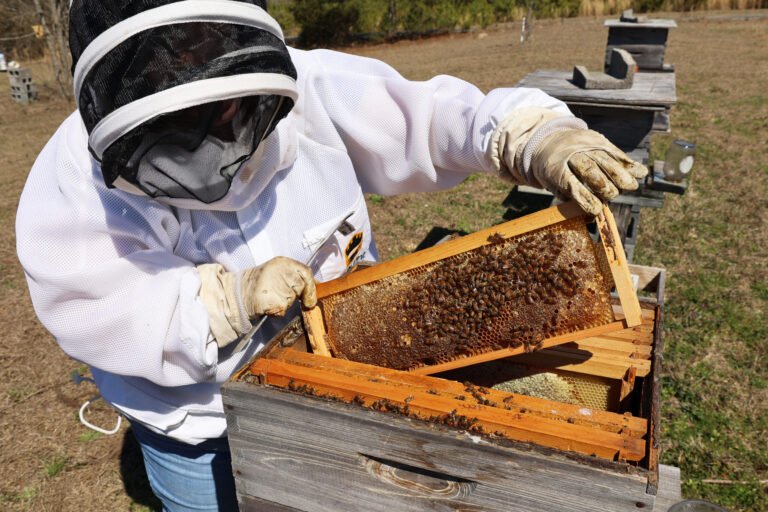
Massachusetts does not require a state permit or registration to keep bees, but state law covers inspections, disease reports and imports. What Boston, Cambridge and Raynham require, and how to sell honey legally.
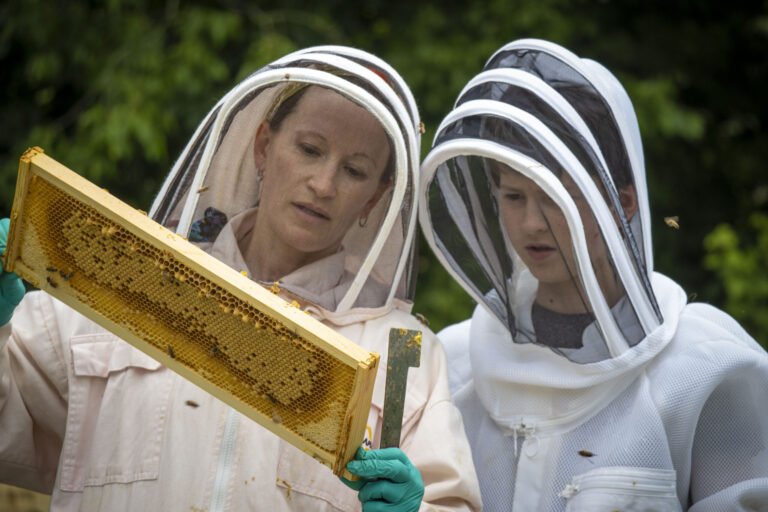
Florida requires every beekeeper to register with FDACS and pass an apiary inspection. This guide covers fees, hive marking, colony limits, HOA rules, moving bees and selling honey, with the statute or rule behind each.
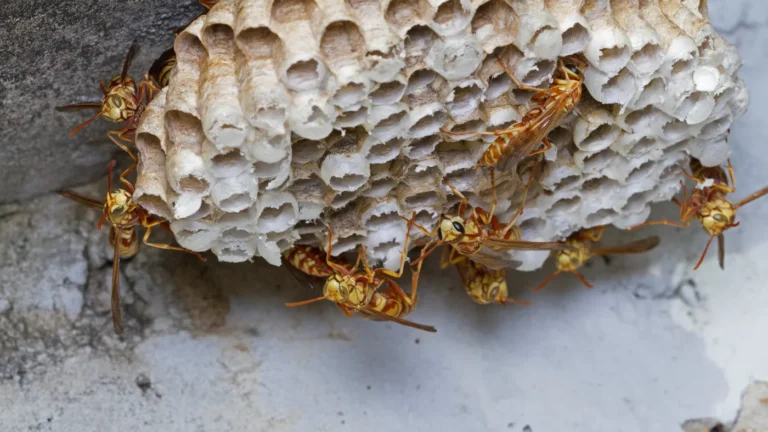
Paper wasps are slender Polistes wasps with open umbrella nests. This guide covers how to identify them, how they differ from yellowjackets, their life cycle and diet, and how likely they are to sting.