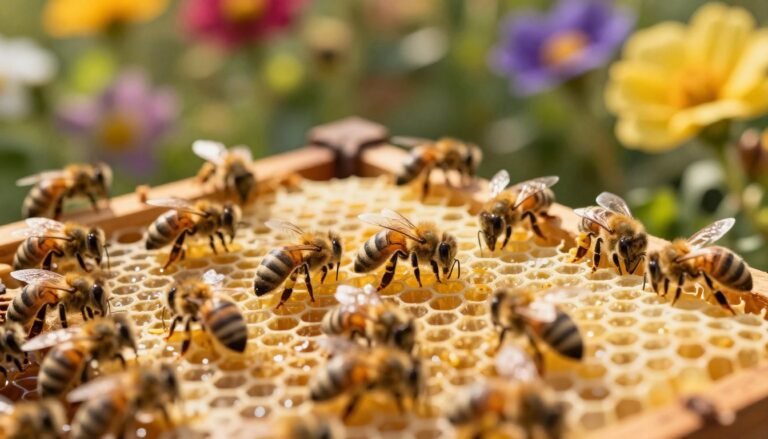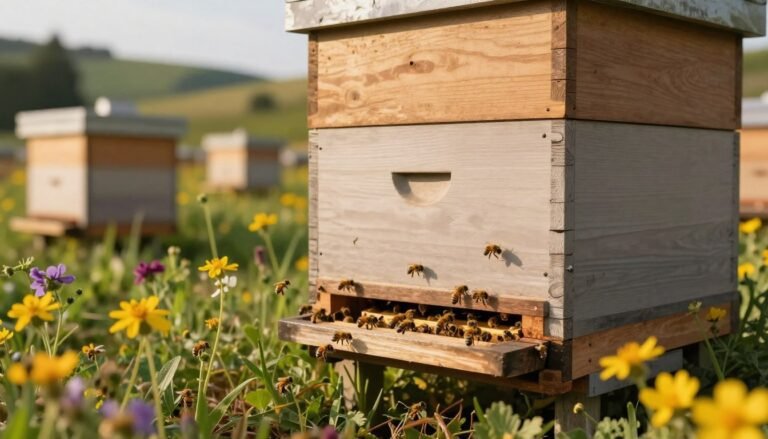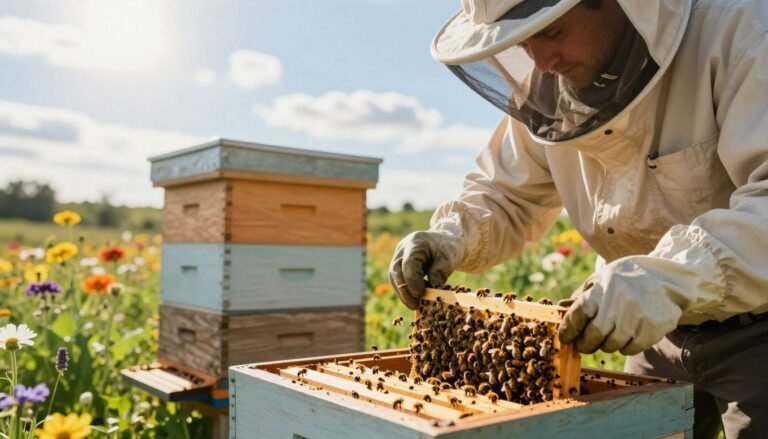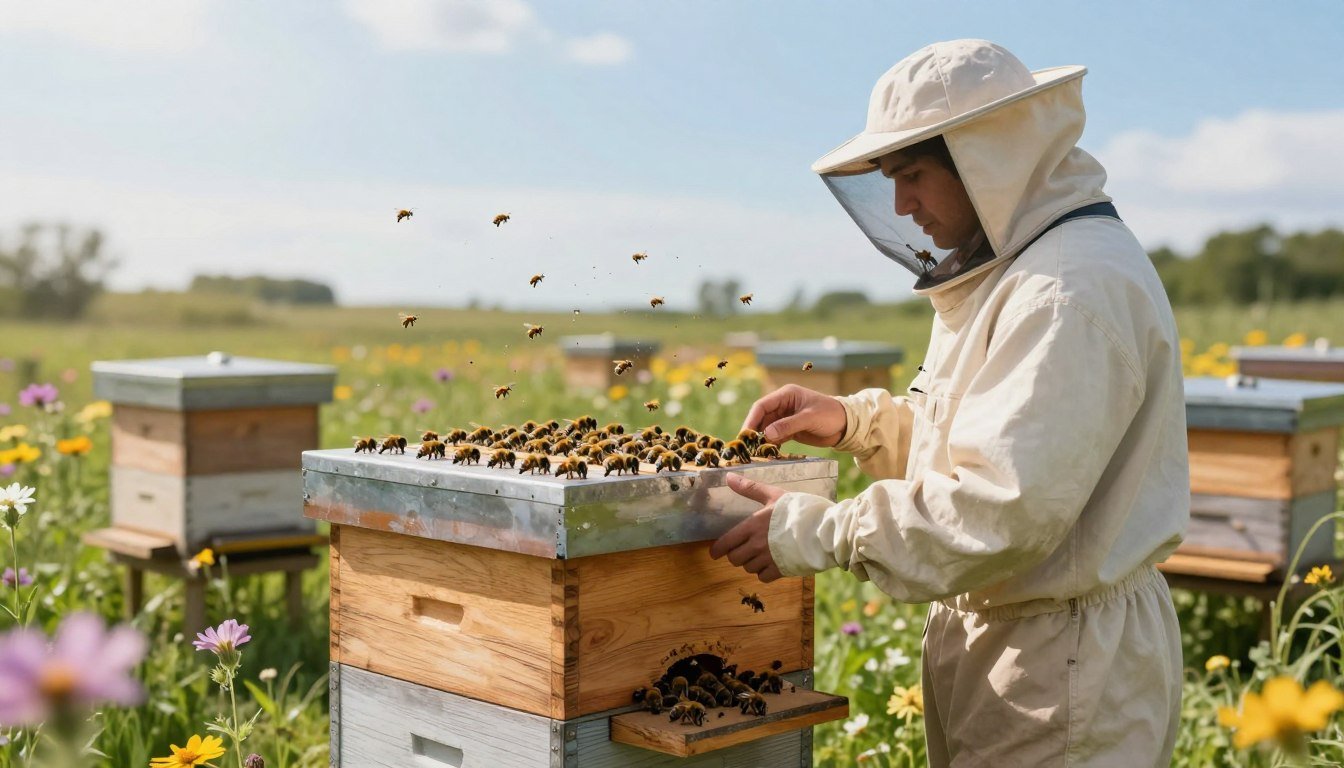
Seeing a mass of insects gathered at the entrance can alarm new keepers, yet this scene often reflects normal colony behavior in the United States.
Understanding why this congregation happens helps you judge whether the group is healthy or signaling stress. High heat, high humidity, crowding, and ventilation needs all prompt such action. The long phrase “what to do if package bees cluster outside the hive” guides this primer and appears here as the focus query for readers seeking clear, practical steps.
This short guide offers professional advice for managers who notice large groups on the box exterior. Expect clear checks: look for signs of ventilation, inspect for space issues, and note activity patterns at the entrance. Small adjustments often restore calm and keep the colony productive through seasonal shifts.
Key Takeaways
- Stay calm; congregations are common and often harmless.
- Check ventilation and space first, then watch activity levels.
- Adjust entrances or add frames if crowding is evident.
- Monitor during hot, humid days; cooling measures help.
- When unsure, consult a local apiary expert for inspection.
Understanding the Phenomenon of Bee Bearding
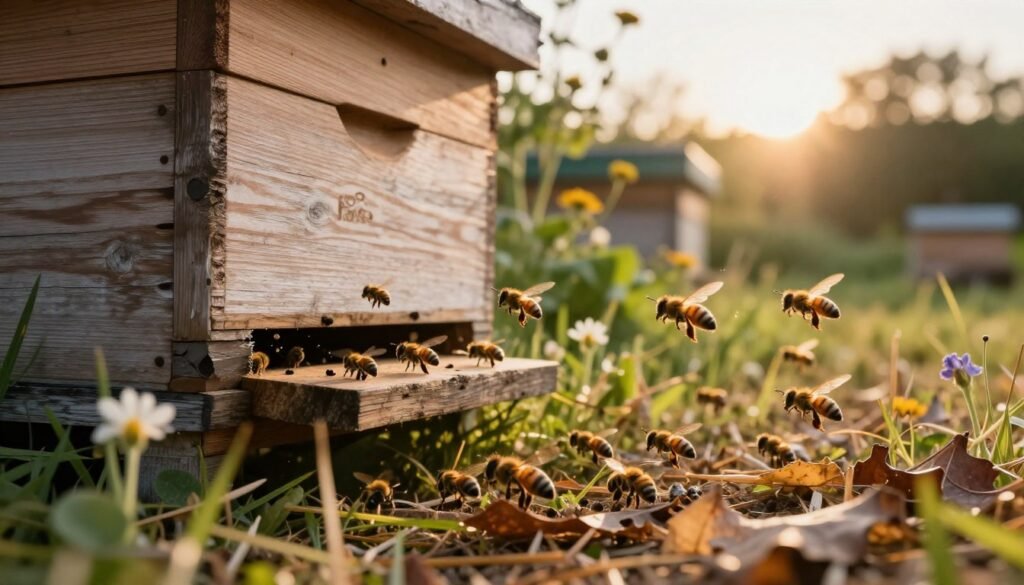
Bearding is a common sight at many apiaries and usually signals active temperature control rather than distress.
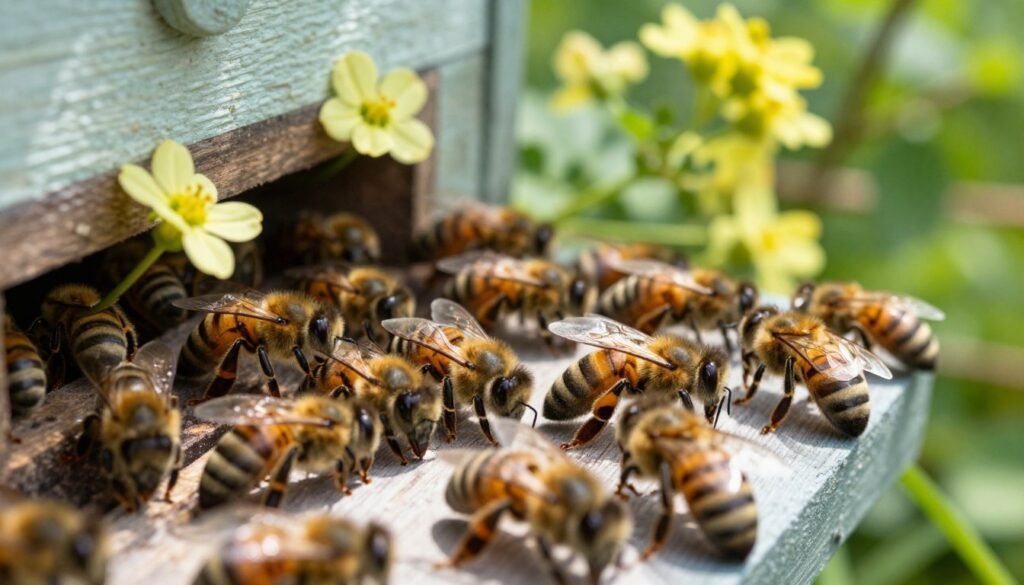
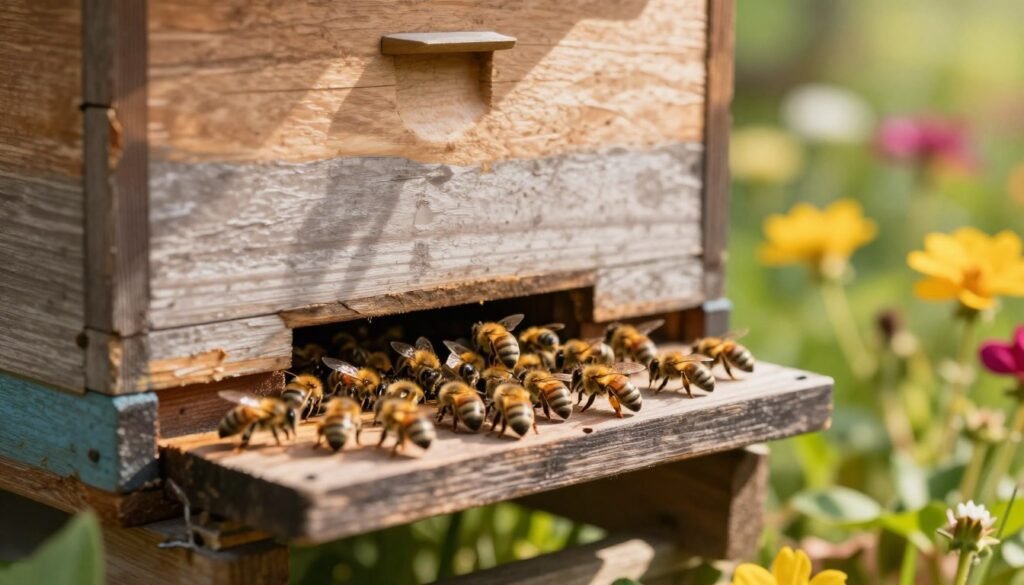
Foxhound Bee Company describes this as a group of honey bees hanging near the entrance. The mass often forms on the landing board and can look like a thick beard.
Defining the Behavior
When bearding occurs, bees leave the inside hive volume and position along the front. This creates a visible beard that helps reduce heat and humidity inside the boxes.
On a hot day, a strong colony may show more bearding because population and activity rise. Watch the entrance for steady movement rather than frantic exits, which points away from swarming.
Why It Is Normal
Bearding is a natural response to high temperatures and poor ventilation. It lets air circulate across combs and lowers internal temperature for brood and honey.
Beekeepers should observe before acting. For notes on seasonal shifts and cooler conditions, see bearding in cool weather.
What to Do If Package Bees Cluster Outside the Hive
A visible congregation on the landing board signals a need for quick, calm checks on ventilation and space.
Start with simple observations. Watch movement at the entrance through midday. Steady traffic and gentle foraging trips usually mean normal bearding behavior. Rapid, frantic exits suggest stress or disturbance.
Ensure adequate ventilation first. Add a screened top or widen the entrance briefly on hot days. Place a shallow water source nearby so workers can cool combs and regulate humidity.
Check whether the group rests on the bottom board or along the front frames. If bearding persists for many hours while temperatures stay high, the colony may need more frames or an extra box.
- Remain calm and observe patterns during the day.
- Improve airflow and offer water.
- Inspect for overcrowding and queen cells before assuming a swarm.
| Sign | Likely cause | Action |
|---|---|---|
| Light bearding at midday | Normal temperature control | Monitor; no immediate action |
| Extended beard for hours | High humidity or crowding | Add ventilation or space |
| Frantic exit activity | Stress, pests, or disturbance | Inspect inside boxes for problems |
| Presence of queen cells | Swarm preparation | Manage frames and plan splits |
Keep a log of when bee bearding happens and match notes with weather and honey flow. For deeper guidance, consult this guide on bearding behavior.
Distinguishing Bearding from Swarming Behavior
Reading movement patterns and interior comb cues reveals whether the congregation is bearding or shifting toward swarming. Observe flight flow and note whether workers return at dusk. Bearding usually ends with cooler evening conditions, while a swarm cluster will remain in place.
Signs of a Swarm
Watch for sustained, frantic exits and multiple queen cells. A real swarm shows very high activity as scouts prepare to leave and new queens are reared.
- Large, tight ball hanging away from the entrance.
- Queen cells along bottom of frames or edges of brood comb.
- Persistent cluster that does not return at night.
Physical Differences
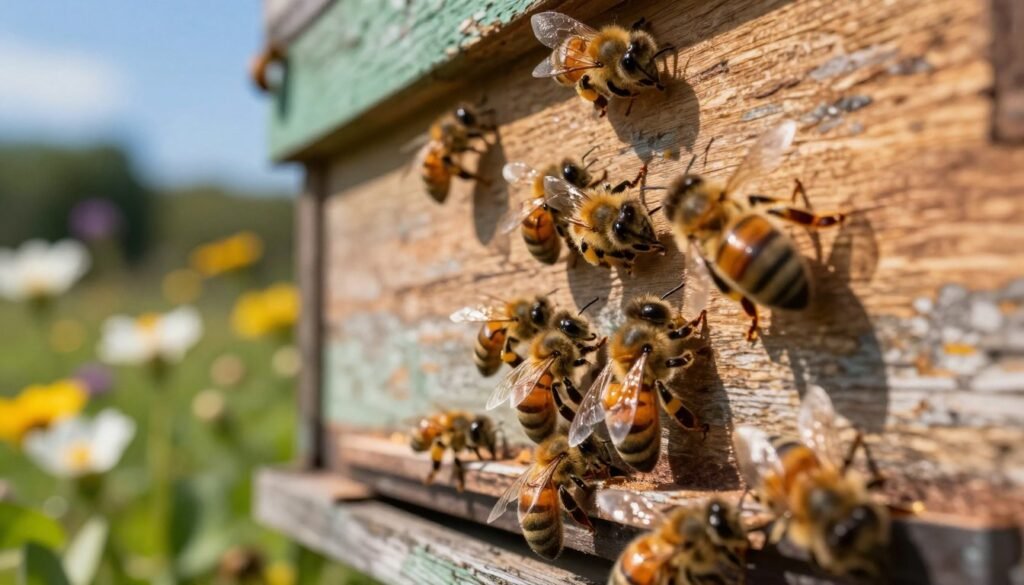
Bearding forms a loose sheet on the front of the box. A swarm is a dense, rounded mass that often hangs from branches or structures away from hives.
Beekeepers should open a single box and check brood frames for overcrowding. Regular inspection helps prevent loss of honey-producing workers and lets you plan splits or space additions.
For a practical comparison and deeper inspection steps, consult this guide on swarm signs and this explanation of bearding behavior.
Why Honey Bees Gather at the Hive Entrance
During hot humid weather, workers often move forward and sit on the box front to help cool brood and lower nest humidity.
This bearding behavior reduces internal population pressure by shifting many individuals outside so those remaining can keep brood temperature steady.
Workers fan wings and create airflow through frames. That steady motion pushes hot air out and draws cooler air in.
When boxes face direct sun, more workers will hang on the bottom board and entrance. Crowded conditions during summer peak boost this activity.
- Fanning aids ventilation and temperature control.
- Hanging on the front buys time until evening returns cooler conditions.
- During nectar dearth, lower foraging raises in-box activity and more front attendance.
| Observed sign | Likely reason | Quick action |
|---|---|---|
| Light bearding at midday | Normal heat response | Watch; provide water nearby |
| Heavy, long bearding | High temperatures or crowding | Add ventilation or space |
| Sun-facing boxes | Increased heat load | Provide shade, improve airflow |
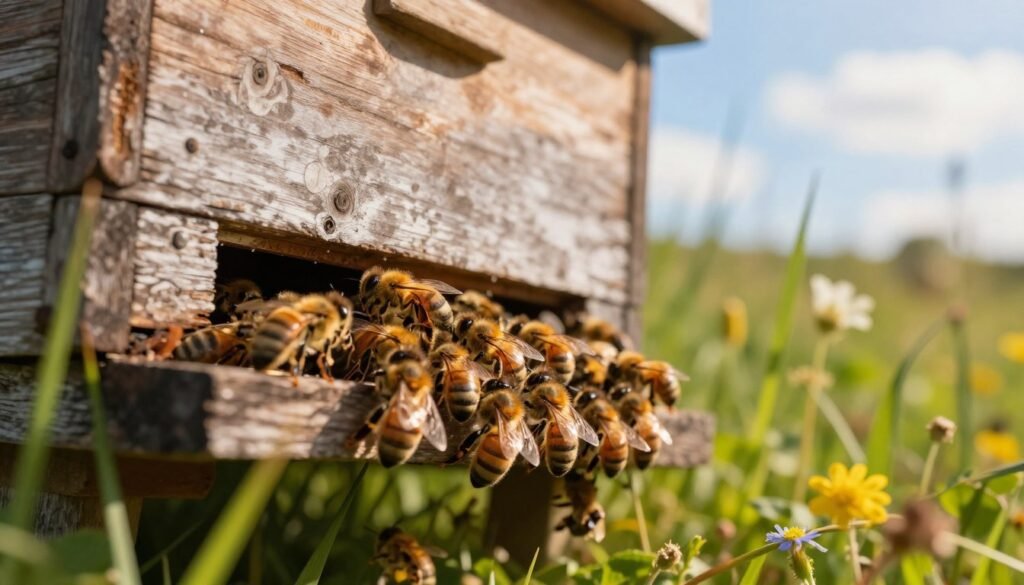
“Bearding often signals good colony thermoregulation rather than immediate danger.”
The Role of Temperature and Humidity Regulation
Temperature and moisture control are central tasks for any strong colony during peak summer days.
Internal temperature control keeps brood development on track. A healthy nest maintains an internal temperature near 95°F to 104°F. Workers adjust behavior quickly when conditions shift.
Internal Temperature Control
When temperature rises, workers form fanning teams at the entrance and on frames. This airflow moves warm, humid air out and draws cooler air in.
Bees on the bottom board often act as a living vent. Their placement helps push hot air away from the brood nest and reduces moisture buildup.
- The colony keeps the brood nest within 95°F–104°F for healthy larval growth.
- Fanning and water foraging lower internal humidity and prevent mold.
- Proper ventilation from the beekeeper amplifies these natural efforts.
| Observed action | Reason | Keeps |
|---|---|---|
| Fanning at entrance | Remove warm, moist air | Stable internal temperature |
| Workers on bottom | Push hot air out | Lower humidity |
| Water retrieval | Evaporative cooling | Brood protection |
Monitor activity during the hottest part of the day. For notes on similar behavior in cooler periods, see bearding in cool weather.
Identifying Washboarding and Other Common Behaviors
You may notice rows of workers rocking and licking the landing; this is commonly called washboarding.
Washboarding shows as a line of bees on the front that move in a rhythmic, back-and-forth pattern. It often looks like surface licking or cleaning and usually appears during warm weather on the bottom board or at the entrance.
Although often confused with bearding, washboarding differs. Bearding reduces internal temperature and humidity. Washboarding likely involves scent marking or entrance maintenance, but researchers still debate its full purpose.
Keepers should monitor motion for a few minutes. If workers fan air, the colony seeks cooler temps. If they rock in place, you are likely witnessing washboarding behavior.
Practical steps: note time and conditions, record humidity and temperature, and compare patterns across days. Clear logs help beekeepers track honey flow, swarm risk, and long-term colony health.
Factors That Influence Cluster Formation
A mix of heat, crowding, and poor airflow often drives large numbers of workers toward the front.
High temperatures top the list. When internal temperatures rise, many honey bees move forward to reduce heat load and protect brood.
Overcrowding is next. A packed brood nest leaves little room, so workers use entrance space as spillover. This often signals a need for more frames or a new super.
Poor ventilation can worsen both problems. Without fresh airflow, humidity climbs and workers respond by forming a beard at the entrance to help cool combs.
Nectar dearth and shifts in forage also change behavior. Less foraging means more idle workers on the front during a hot humid day.
Beekeepers should watch timing and duration. Short, midday bearding usually needs no intervention. Long, repeated gatherings indicate action: add space or improve airflow.
“A strong colony may beard often; that can be a sign of robust population managing heat rather than immediate distress.”
| Factor | Effect | Recommended response |
|---|---|---|
| High temperature | Increased front attendance | Provide shade, water, add ventilation |
| Overcrowding | Spillover on entrance | Add frames or a super |
| Poor ventilation | High humidity, prolonged beard | Install screened top or widen entrance |
| Nectar dearth | More idle workers at entrance | Monitor forage, avoid unnecessary disturbance |
For guidance on managing wet conditions and airflow in hives, see this managing hives in wet climates.
Assessing Colony Health During Hot Weather
Midday behavior at the entrance often reflects a colony’s capacity for temperature control and stress management.
Watch how workers manage internal temperature. A healthy group will fan, fetch water, and form a light beard while trying to keep brood nest conditions steady.
If one hive shows heavy front attendance while nearby hives remain calm, this can point toward a population gap or a queen issue. Track forager returns and brood patterns during regular inspections.
High humidity reduces cooling efficiency. Check ventilation and add a screened top or an extra opening when needed.
If no bearding appears during a heat wave, the colony may lack numbers to cool itself. That absence can signal pests, disease, or recent losses that need swift attention.
- Monitor activity through the hottest part of the day for reliable data.
- Provide shade and nearby water to ease stress and help keep internal temperature stable.
- Inspect frames on a calm day for signs of brood health or early swarm preparation.
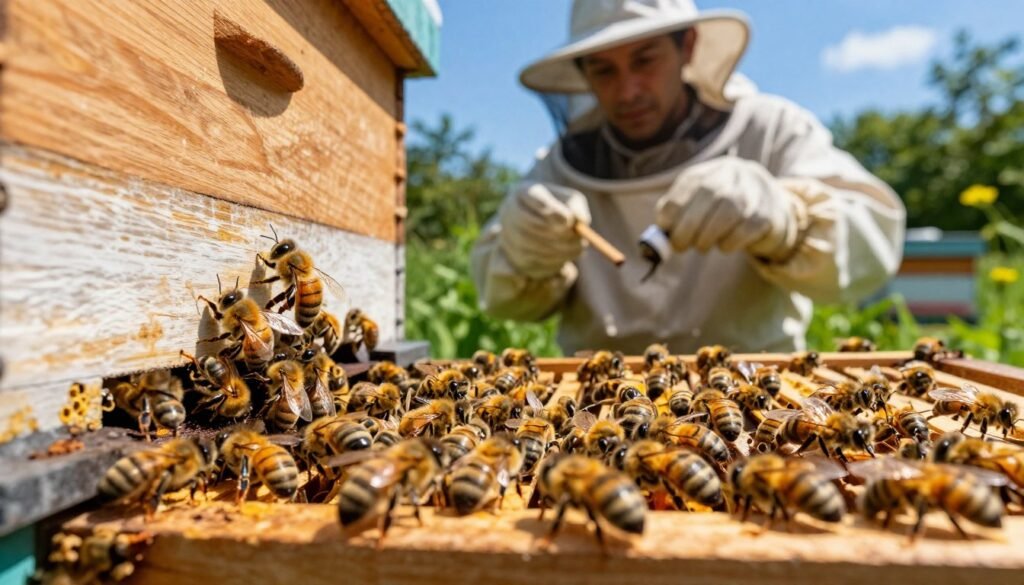
“Regular, short inspections during hot spells give beekeepers the best chance of keeping colonies strong through peak temperatures.”
For detailed methods on managing hive temperature in summer, see this temperature management guide and this hot weather bearding resource.
Providing Adequate Water Sources for Your Bees
A steady, accessible water source helps colonies regulate temperature during hot spells. In warm weather, workers fetch moisture for evaporative cooling. That effort lowers internal temperatures and helps protect brood.
Set up a simple station near the entrance so flying distance stays short. Use a shallow tray with pebbles or floating wood. This prevents drowning and gives landing points for drinking.
- Place water close to hives so workers save energy and return quickly.
- Natural puddles often offer minerals that attract foragers.
- Refill and clean stations daily during peak heat and high humidity.
Observe behavior at the source. Heavy visitors may signal increased bearding and higher cooling needs. If workers form a long beard while temperatures stay high, add more water points and improve ventilation.
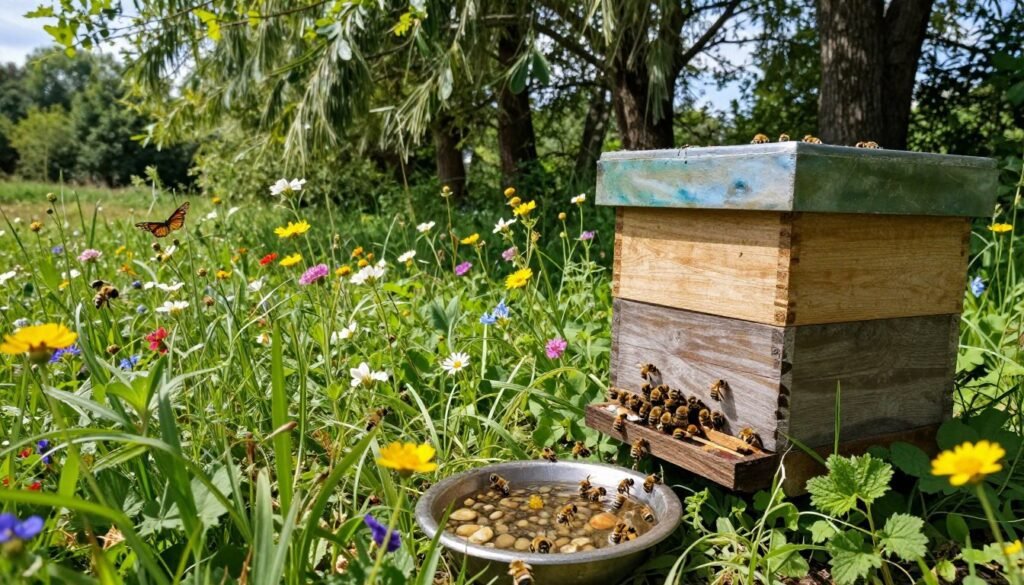
Good water management helps honey production and keeps colonies strong. Beekeepers who plan for hotter days reduce stress and lower swarm risk over time.
Managing Hive Shade and Sun Exposure
Strategic shade placement cuts heat stress and often stops prolonged bearding on hot afternoons.
Shade helps regulate internal temperature and eases cooling duties for a strong colony. In regions that hit 110°F, shade can make a major difference in daily behavior and honey production.
Use natural cover, like trees, or build simple roofs and shade cloths over the hive. Aim for morning sun and afternoon protection. Too much permanent shade can invite pests, so avoid full cover all day.
- Provide partial shade during peak sun; leave some morning light.
- Try a shade cloth or a raised roof that allows air movement and ventilation.
- Monitor how often workers are bearding; frequent bearding signals more shade or airflow is needed.
| Option | Benefit | Drawback |
|---|---|---|
| Natural tree shade | Cooling, low cost | May block morning sun |
| Shade cloth | Adjustable coverage | Needs secure mounting |
| Raised roof cover | Protects while allowing airflow | Higher material cost |
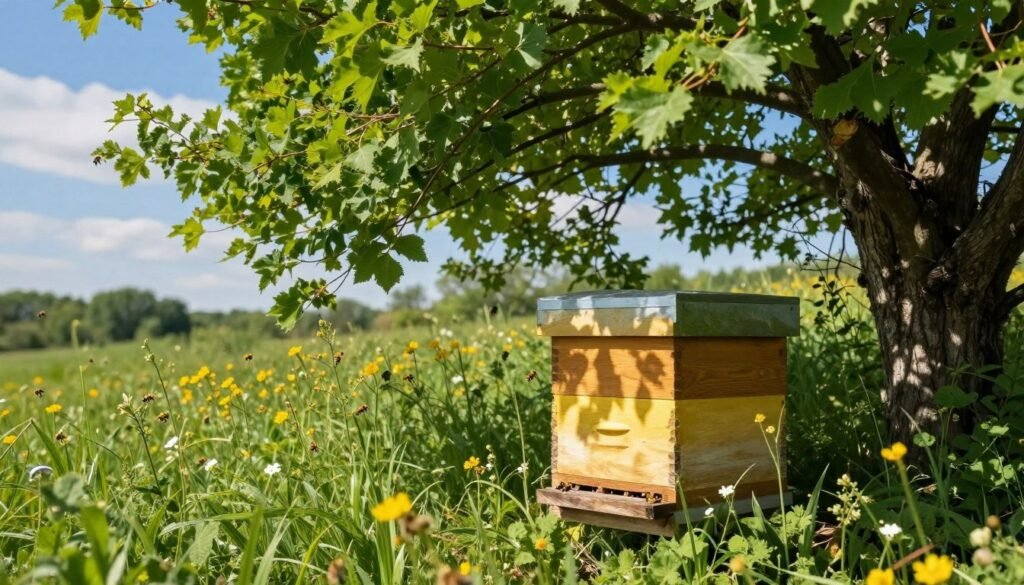
“Balanced sun exposure keeps colonies focused on foraging rather than constant cooling.”
Optimizing Ventilation for a Cooler Hive
A balanced airflow strategy helps a colony manage heat without relying on heavy outside congregation.
Good ventilation is one of the easiest ways to lower internal temperature and humidity. Proper air movement reduces workers fanning at the entrance and limits long periods of bees bearding during a hot humid day.
Screened Bottom Boards
Install a screened bottom board to improve exchange between inside hive air and the garden environment. This allows warm, moist air to escape more freely and gives workers fewer reasons to form a tight beard on the front.
Inspect screens regularly. Debris or propolis can block flow and undo benefits.
Top Entrance Airflow
Adding a small top entrance creates a chimney effect. Cooler air draws in near the bottom while warm air exits above, helping the colony keep brood and honey at good temperatures.
Use caution: too much opening can invite robbing during a nectar dearth. Strike a balance that helps ventilation without exposing frames.
For more on managing nest temperature and moisture, see how bees manage temperature and moisture.
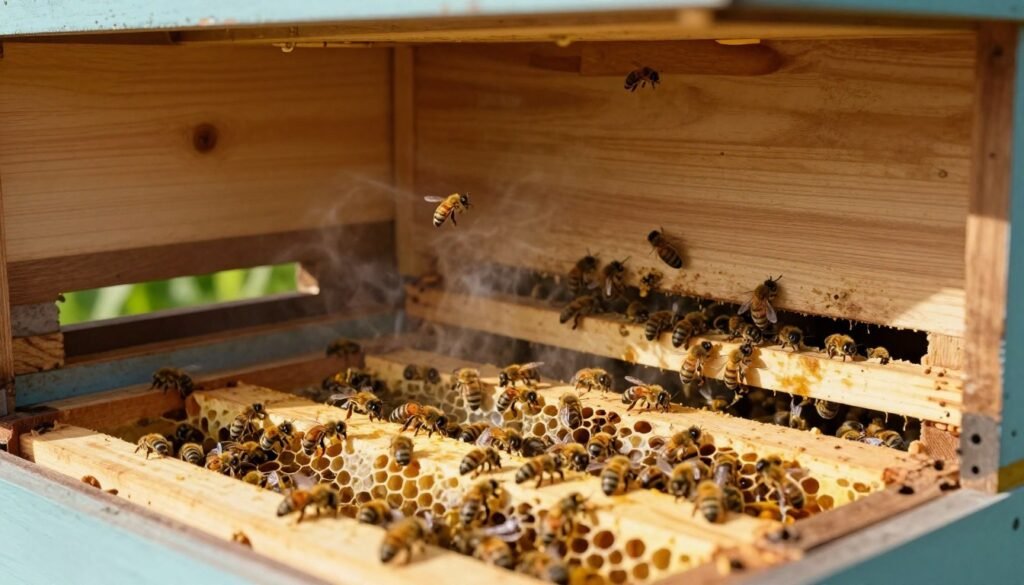
Evaluating the Need for Additional Space
A quick frame check reveals whether limited interior space is driving many workers forward.
If a colony is overcrowded, workers often form a beard because there is no room inside hive for brood and stores. Open a single box on a calm day and count frames with brood, pollen, and honey.
Check for honey-bound frames. This shows the queen lacks laying space and the population will push forward during hot weather.
Add a super or an extra box when frames are full. Extra boxes give room for honey and for brood growth and can reduce swarm risk.
- Evaluate population trends across inspections.
- Avoid adding too much space at once; colonies must defend and maintain boxes.
- Fit boxes snugly to prevent drafts and keep internal temperature steady.
| Sign | Likely cause | Suggested action |
|---|---|---|
| Honey-bound frames | No laying room | Add super; rearrange frames |
| Large population | Outgrown boxes | Provide extra box; plan splits |
| Persistent bearding | Space or ventilation | Improve airflow; add space |
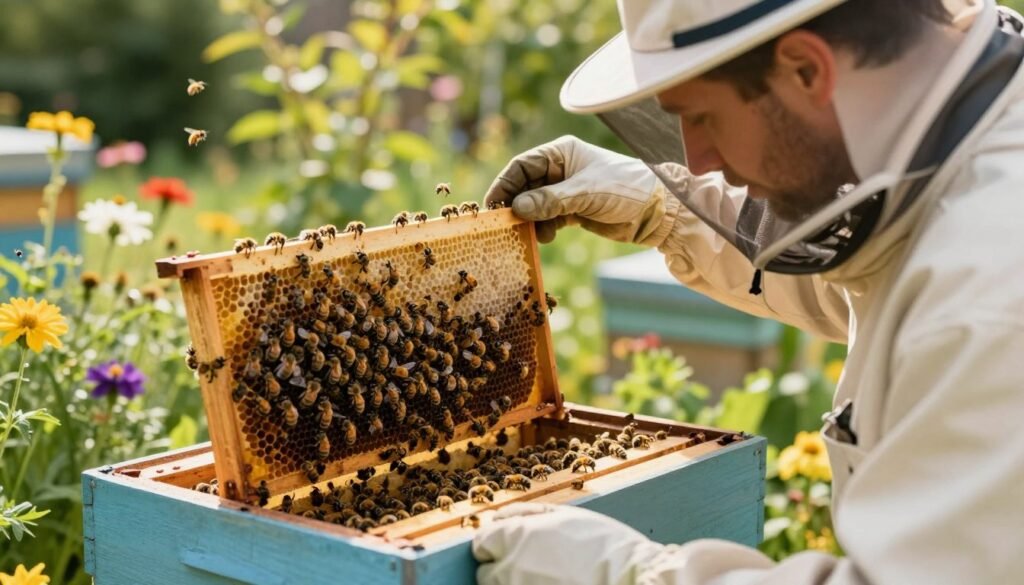
“Providing the right amount of space is a proactive step that keeps colonies productive and lowers swarm pressure.”
Using Entrance Reducers During Peak Activity
A well-placed entrance reducer can calm busy front activity while keeping security high.
Reducers give the colony a smaller, defendable opening. This helps prevent robbing during high traffic months and lets workers focus on brood care and honey storage.
Reducers slightly limit ventilation, so balance is key. Keep them during hot weather if robbing risk exists. If pronounced bees bearding appears at midday, resist removing the reducer immediately; it often protects the colony better than an open entrance.
- Security: Smaller entrance is easier for guards to patrol.
- Ventilation trade-off: Monitor internal temperature if activity and temperature rise.
- Adjustments: Use a larger opening for very strong colonies, but watch for robbing signs.
| Situation | Recommended reducer action | Check |
|---|---|---|
| High robbing risk | Install small reducer | Watch entrance traffic |
| Strong colony, hot weather | Use medium opening | Monitor temperature inside hive |
| Low activity months | Remove reducer | Ensure space for foragers |
Special Considerations for Top Bar Hives
Top bar equipment needs tailored care when front attendance rises on hot days.
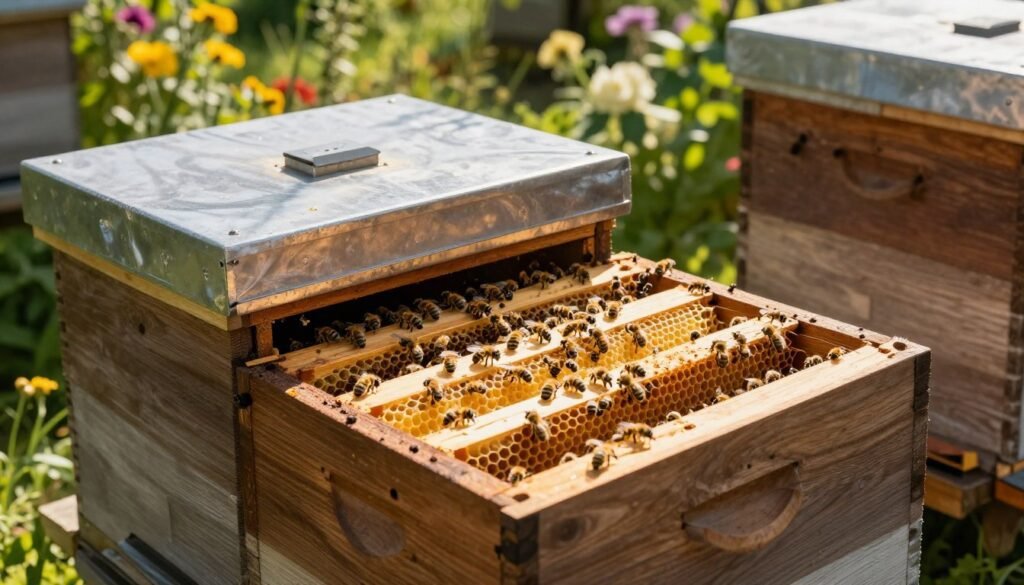
Top bar units lack Langstroth-style stacking. Cavity size is fixed, so watch space and shade closely. If workers form a beard, check ventilation bars and holes for blockages.
Install specialized ventilation bars to boost airflow. That helps lower internal temperature during warm weather and eases fanning duty.
Provide a nearby water station and add shade over the box. Since you cannot add a super, keep combs organized and frames easy to rearrange.
- Inspect regularly for honey-bound comb and brood crowding.
- Clear any blocked vents, fit ventilation bars when needed.
- Monitor behavior for prolonged front attendance; act quickly.
| Issue | Likely cause | Quick action |
|---|---|---|
| Prolonged beard | High temperature or poor ventilation | Open vents, add shade, supply water |
| Honey-bound comb | No room for brood | Rearrange combs, create space |
| Blocked ventilation | Debris or propolis | Clean vents, install ventilation bars |
| Frequent front attendance | Fixed cavity limits | Increase shade, monitor for stress |
“Understanding the unique needs of a top bar system helps keep honey bees comfortable and productive.”
Monitoring Your Colony for Potential Swarm Preparations
Routine checks prevent surprise swarms and keep colonies productive.
Inspect every 7–10 days during cooler months and note weather, flight activity, and comb changes. At or below 50°F (10°C) some bearding behavior may appear even in cool conditions. Use these visits to search brood frames for queen cells and other early swarm signs.
Keep a concise record of dates, weather, and observations. That log helps spot patterns across months and guides timing for adding space or planning splits.
- Watch for queen cells in the brood nest; they are a clear signal of swarm intent.
- Heavy bearding in large numbers warrants an inspection, though it does not always mean a swarm is imminent.
- Check for overcrowding and ventilation limits; cramped comb often raises swarm risk.
| Sign | Possible cause | Recommended action |
|---|---|---|
| New queen cells present | Swarm preparation | Plan split or remove excess cells carefully |
| Frequent bearding | Temperature or crowding | Improve ventilation, add space |
| Less forager return | Loss of workers or stress | Inspect for pests, disease, queen vigor |
“Vigilance and records give keepers the best chance of preventing an unwanted swarm.”
Conclusion
Knowing simple responses makes handling heavy entrance activity straightforward and safe.
Stay calm and watch flight patterns, ventilation, shade, and stores. Good checks protect brood and honey and help a colony keep working through heat.
Provide water, add airflow, or give more space when frames look full. Regular inspections reveal early signs of swarming and overcrowding so you can act before losses occur.
For expansion guidance and planning, consult this beekeeping expansion guide. Careful timing keeps hives healthy and supports long-term honey production for a thriving colony.
FAQ
What causes bearding at the hive entrance?
Bees form a beard or congregation on the front when internal temperatures rise or humidity becomes high. This behavior helps cool the colony by increasing airflow and reducing heat buildup in the brood nest. Crowding, large population size, and limited ventilation also encourage bees to hang outside.
How can I tell bearding from an imminent swarm?
Bearding usually appears as a thin curtain of workers near the entrance and lasts during the hottest parts of the day. Swarm preparation involves queen cells, reduced incoming foragers, and a sudden buildup of restless flight activity. Inspect frames for queen cells and look for repeated absconding behavior to confirm swarming.
Are clustered workers a sign of an unhealthy colony?
Not necessarily. Clustering on the exterior often reflects environmental stress rather than disease. Check brood pattern, food stores, and mite levels during an inspection. Poor brood, patchy frames, or large mite populations indicate health problems needing intervention.
When is extra hive space necessary?
Add supers or brood boxes if the colony has strong foraging activity, filled frames, or intense congestion at the entrance. Providing room before nectar flows peak reduces swarming pressure and lowers exterior congregation as bees expand storage and brood areas.
How does ventilation affect bearding behavior?
Improved ventilation lowers internal hive temperature and humidity, reducing the need for bees to move outdoors. Use screened bottom boards, top vents, or a small upper entrance to encourage crossflow without creating drafts that chill the brood nest.
Is providing water helpful for reducing entrance gatherings?
Yes. A nearby water source lets foragers collect liquid without overloading brood-area cooling tasks. Shallow trays with landing stones or a bird bath with floating corks help bees cool the hive and dilute nectar during hot spells.
What role does shade play in hive placement?
Afternoon shade lowers direct solar heating and reduces exterior clustering. Position hives with morning sun and afternoon shade when possible, or install a shade cloth to limit peak temperatures without blocking flight paths.
Can entrance reducers prevent excessive bearding?
Entrance reducers help smaller colonies defend and control airflow, but they can trap heat in very hot, humid conditions. Use reducers in spring or during robbing risk, and remove or widen them when temperatures rise and bearding becomes pronounced.
How should I modify ventilation for top bar or langstroth hives?
For top bar hives, ensure secure but ventilated covers and provide screened vents near the top to release heat. In Langstroth setups, consider screened bottom boards, upper vents, and a telescoping cover vented with mesh to optimize escape paths for warm air.
Does bearding increase in hot, humid months?
Yes. High heat and humidity force workers to adopt external cooling strategies, including bearding. Monitor internal temperature and moisture; if conditions persist, improve airflow, add water, or adjust shade to stabilize the colony environment.
What signs indicate a colony is preparing to swarm?
Look for multiple sealed and open queen cells, sudden population booms, reduced pollen and nectar return rates, and scouts clustering on nearby structures. Swarm preparation tends to be sustained, while bearding fluctuates with daily heat cycles.
How can I reduce internal temperature without stressing the brood?
Increase passive ventilation with screened sections and a small top entrance to promote convection. Avoid large forced openings that expose brood to cold drafts. Provide shade, water, and additional space so bees can manage temperature naturally.
When should I inspect a hive that shows heavy exterior clustering?
Inspect during cooler hours—early morning or late evening—when most foragers are in the hive and clustering is minimal. That lets you evaluate brood, stores, queen status, and signs of disease without disrupting cooling behavior.
Could overcrowding cause washboarding or other surface behaviors?
Overcrowding contributes to surface behaviors like washboarding and increased entrance activity. Bees redistribute adults along combs or cling to surfaces when space is limited. Adding frames, supers, or splitting a strong colony reduces these behaviors.
What immediate steps should a keeper take during extreme heat?
Provide shade, set out water sources, add ventilation without exposing brood to drafts, and consider adding supers for storage space. Avoid heavy manipulations during extreme heat; small adjustments preserve colony stability while cooling needs are addressed.
How often should ventilation and shade be reassessed?
Reassess weekly during heat waves and after major weather shifts. Continuous monitoring of activity at the entrance, brood condition, and stores helps determine whether further adjustments—such as moving hives or adding insulation—are needed.
When could external congregation indicate robbing or predator pressure?
If clustered bees show aggressive behavior, alarmed flight, or dead bees near the entrance, investigate for robbing or predators. Strengthen defense with reduced entrances, grease boards, or temporary screens and address resource imbalances that attract robbers.
How does colony population affect outside gatherings?
Large populations increase internal heat and require more ventilation and space. Strong colonies often show more pronounced bearding during peak daytime heat. Manage population through supering, splits, or queen management to balance numbers with available space.
Are there seasonal patterns for bearding and related behaviors?
Yes. Late spring through summer brings higher incidence due to increased population, nectar flows, and hotter weather. During cooler months, exterior congregation drops as bees prioritize thermoregulation and cluster tightly around the brood.