Choosing the right frame design shapes hive work and affects colony health. This choice matters for every beekeeper managing a Langstroth hive.
The grooved design uses a pre-cut channel that lets rigid plastic foundation snap into place quickly. That speed helps when assembling many frames during busy inspections or when preparing boxes for peak honey flow.
By contrast, a wedge approach uses a removable wooden strip to clamp delicate beeswax foundation. This method secures thin wax and supports natural comb growth, which some beekeepers prefer for brood and honeycomb quality.
Material, assembly time, and the rigidity of your foundation drive the decision. Consider whether you favor the convenience of plastic or the traditional feel of pure wax. The right frame design helps the queen lay evenly and makes inspections and honey harvests more efficient.
Key Takeaways
- Frame design affects assembly time and hive efficiency.
- Grooved systems speed installation for rigid plastic foundation.
- Wedge-style strips secure delicate beeswax foundation.
- Choose based on material preference, colony size, and inspection frequency.
- Proper selection supports queen space and consistent comb development.
Understanding the Basics of Hive Frames
Hive frames form the backbone of a Langstroth setup, holding comb where the queen lays eggs and workers store honey. A proper frame keeps comb straight and lets beekeepers inspect brood and stores without disturbing the colony.
Langstroth boxes come in two common sizes: 8-frame and 10-frame. The 10-frame box is the U.S. standard and helps apiaries swap equipment easily across locations.
Frames may be wooden or plastic. Many beekeepers choose wooden parts for tradition and beeswax foundation, while others favor the ease and durability of plastic frames and synthetic foundation.
- Bee space matters: correct spacing prevents burr comb between frames.
- The frame is the main unit used during inspections to check brood health and honey reserves.
- Standardizing box size simplifies management and speeds up routine tasks.
- Whatever the material, each frame must support a full honey super without sagging.
The Mechanics of Grooved Top Bar vs Wedged Top Bar Frames
A frame’s fastening method changes how you prepare foundation and assemble equipment.
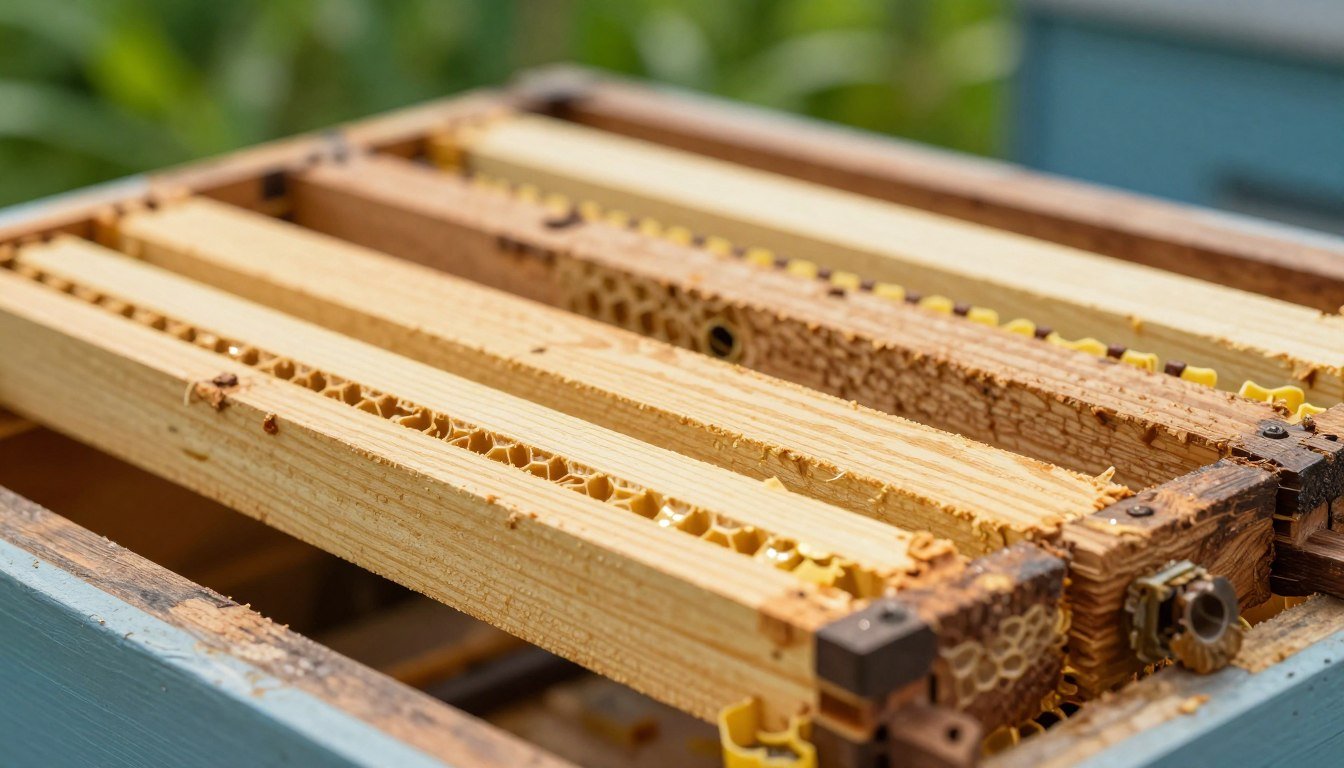
The grooved style uses a continuous channel that accepts rigid plastic foundation, relying on the material’s stiffness to stay in place. The wedge approach clamps flexible beeswax sheets with a removable strip nailed back into the rail for mechanical pressure.
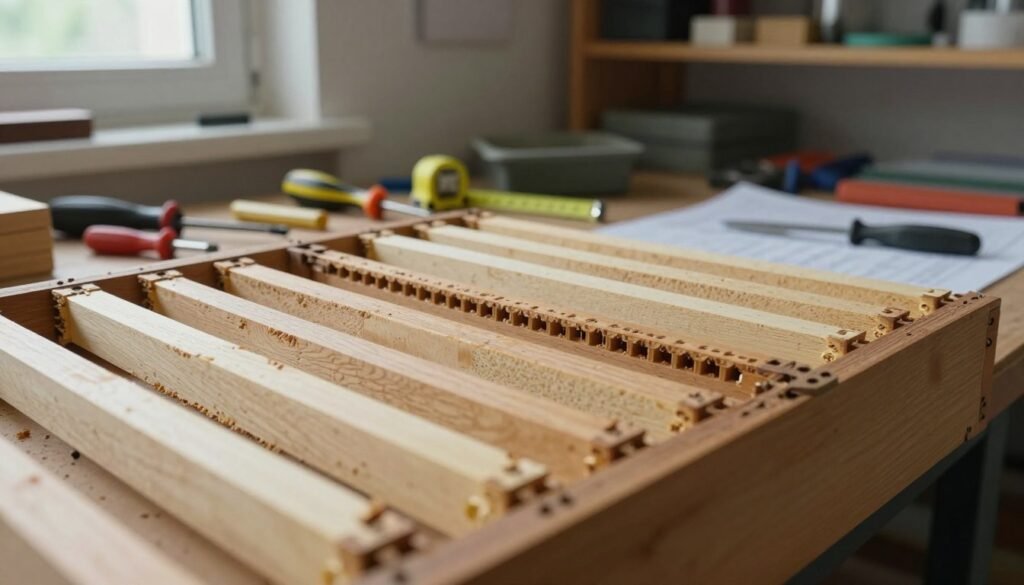
These mechanical differences determine how beekeepers set foundation before placing frames into a hive. Use the correct rail for the foundation material to avoid sagging comb and to keep inspections efficient.
- Grooved rails suit stiff plastic foundation and speed assembly.
- Wedge rails provide a firmer grip for delicate wax and reduce slippage.
- Both systems work with standard Langstroth box equipment when matched to the right foundation and tools.
Choosing the proper bar style impacts long-term comb integrity and honey production. For practical guidance on assembly and tools, see the frame assembly FAQs.
How Grooved Top Bars Function
A simple slot in the rail lets a stiff sheet snap straight into place, cutting prep work drastically. This approach is engineered so a rigid plastic foundation stands upright without nails or clamping hardware.
Design Benefits
Speed of assembly is the chief advantage. A plastic foundation can be sprung into the groove, producing a ready-to-use unit in seconds.
The precision groove keeps the foundation centered and provides enough rigidity to support comb and honey during inspections. That reduces workshop time and lowers labor for large apiaries.
Best Use Cases
- Large operations that prepare hundreds of frames before peak flow.
- Beekeepers who prefer durable, low-maintenance plastic components.
- Any hive where quick, repeatable assembly saves time and minimizes handling.
When installed correctly, the foundation locks into place and creates a reliable plane for the colony to draw comb. That makes this design a practical pick for many modern beekeeping setups.
How Wedged Top Bars Function
This design locks flexible foundation between a main rail and a detachable wooden strip to keep wax straight as bees draw comb.
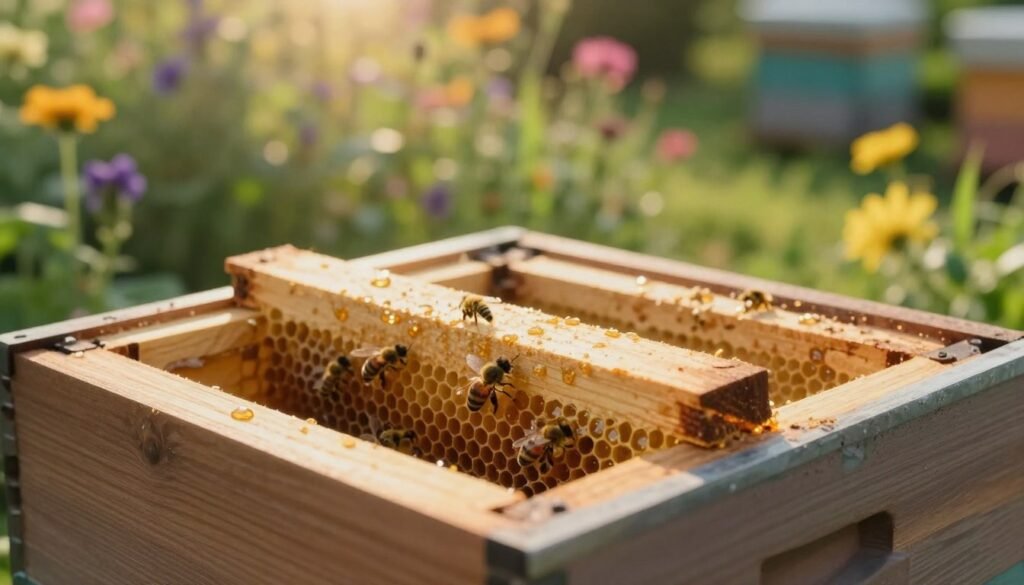
The Clamping Mechanism
The wedge feature requires the beekeeper to remove the wooden strip, place the foundation in the slot, then nail the strip back to clamp the sheet. This sandwiching action gives a firm mechanical grip on soft or flexible material.
Because pure beeswax lacks rigidity, the clamp stops sagging and prevents sheets from falling out of the frame. Proper alignment is critical; the strip must hold the wax without cutting or bending it.
Advantages include natural comb development and compatibility with beekeepers who avoid plastic. The trade-off is more time and careful use of a small hand tool during assembly.
- The wooden wedge sandwiches foundation for secure placement.
- Install foundation by removing the strip, placing the sheet, then re-fastening it.
- Holders like this support efficient comb building across the whole frame.
For practical tips on handling cross-comb and installation technique, see a guide on managing cross-comb and this FAQ about functional differences for more context: wedge vs groove FAQ.
Foundation Compatibility and Material Selection
Choosing the right foundation material starts with matching its strength to the frame fastening method. Your selection affects comb stability, honey stores, and routine inspections.
Rigid plastic foundation pairs best with a grooved top rail because it stays upright without extra support. That combination shortens prep time and lowers the chance of sagging under heavy honey loads.
For beekeepers who favor pure beeswax foundation, a wedge-style strip is essential. Pure beeswax foundation is fragile and must be handled gently during transit and installation to avoid breaks. Embedding crimped wire adds strength and helps the wax sit securely when clamped.
- Match material to rail: plastic foundation with a grooved top; beeswax foundation with a wedge strip.
- Protect fragile sheets: transport beeswax flat and install on a calm day.
- Optional: paint a thin layer of melted wax on plastic foundation to speed comb draw.
- Think long term: choose materials that support your honey goals and hive health.
Correct compatibility between the frame and foundation prevents common problems like slipping or sagging comb. Make the choice based on material, equipment, and the scale of your beekeeping operation.
Comparing Assembly Time and Labor Intensity
When you time assembly in a busy workshop, small design differences add up quickly.
Grooved-style rails save hours because the foundation snaps in without extra pieces. This makes building many frame units fast and repeatable for commercial beekeeping operations.
By contrast, the wedge approach needs removal of the strip, precise alignment of the foundation, and re-nailing. That extra work slows the process but secures delicate beeswax for natural comb quality.
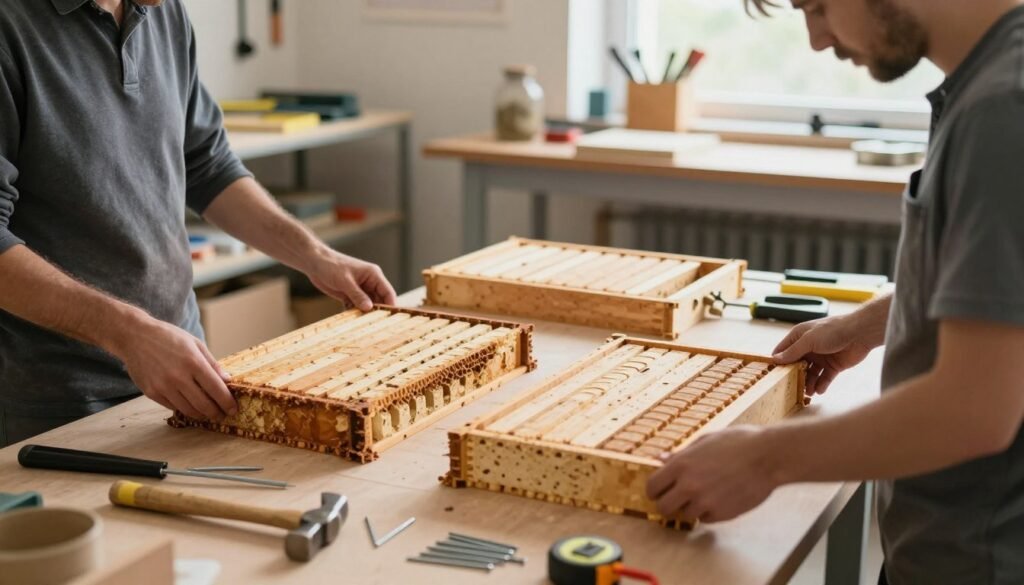
Practical tips: many beekeepers use an assembly jig and a simple tool to speed nailing of side bars and to keep units square. The time saved with quicker assembly translates to more hive inspections and better yard productivity.
- Speed: rapid build for plastic foundation reduces prep before honey season.
- Labor: wedge clamps increase hands-on time but favor beeswax users.
- Trade-off: choose based on scale, equipment, and the value placed on natural comb.
For a factory-scale view of efficient production, see the factory-scale guide.
Structural Integrity and Reliability
A frame’s long-term strength depends on how the foundation is gripped at the rail and the lower support. This contact controls whether comb stays straight when filled with honey and handled during inspections.
Friction-based Holds
Friction systems rely on the spring tension of a stiff plastic foundation to seat firmly in a groove. When sized correctly, the fit resists movement and offers fast assembly time.
However, if a plastic foundation is slightly undersized, the hold weakens and the sheet can slip under load. Beekeepers must verify fit before placing units into the hive.
Mechanical Fastening
Mechanical fastening clamps a delicate beeswax foundation so it cannot sag. A wedge-style strip lets you tighten the grip manually to account for small thickness differences.
“Whether using friction or a clamp, the objective is the same: a stable plane for the colony to build reliable comb.”
| Method | Best for | Key benefit |
|---|---|---|
| Friction hold | Rigid plastic foundation | Fast assembly and consistent alignment |
| Mechanical clamp | Beeswax foundation | Adjustable, secure grip for delicate sheets |
| Combined fit + tool | Any foundation with slight size variance | Improves corner squareness and overall frame strength |
Practical tip: use the correct assembly tool to keep corners square and prevent buckling. For guidance on selecting the right foundation, see our guide to the best foundation for honey production.
The Role of Natural Beekeeping Philosophies
Natural beekeeping emphasizes choices that let the colony build natural comb with limited human shaping.
Many beekeepers adopt foundationless units or use a pure beeswax foundation to let bees draw comb in their own pattern. This method supports bee behavior and often appeals to those who avoid synthetic materials.
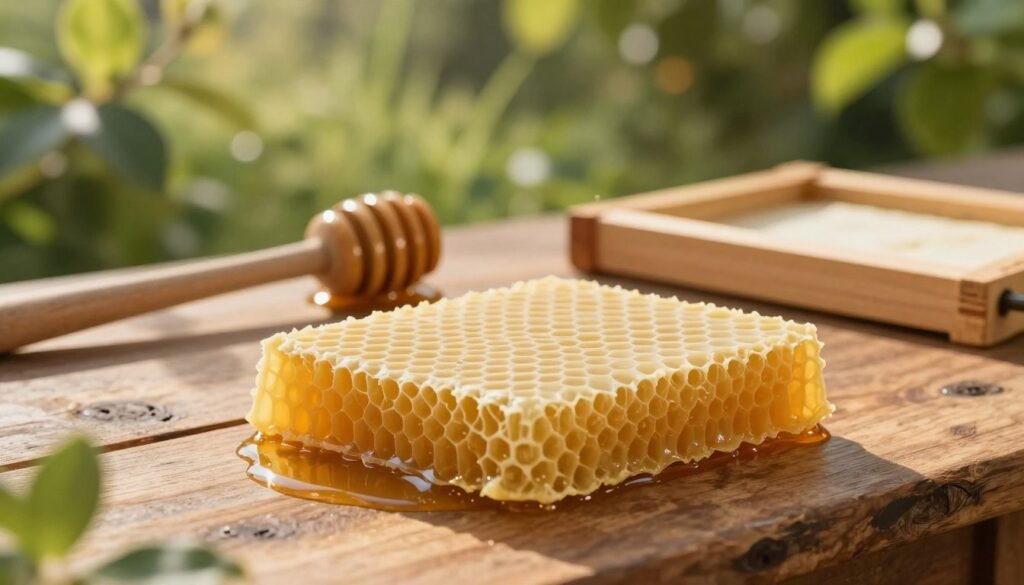
While plastic frames speed assembly, proponents of a natural approach prefer wooden rails and a simple wedge to hold wax. They believe avoiding plastic helps create a cleaner hive environment for the colony and may reduce exposure to unwanted compounds.
Natural methods demand more hands-on management. Beekeepers must monitor comb alignment and guide the queen to maintain good brood pattern and consistent honey stores.
| Approach | Typical foundation | Pros | Cons |
|---|---|---|---|
| Foundationless | None | True natural comb, minimal material | Requires close monitoring |
| Pure beeswax | Pure beeswax foundation | Natural comb, bees accept quickly | Fragile during install |
| Plastic frames | Plastic foundation | Durable, fast prep | Less natural, synthetic material |
Practical note: You can use these practices in Langstroth hives by selecting the right combination of frame and foundation. For guidance on choosing parts, see the frames and foundation buyer’s guide.
Essential Tools for Frame Assembly
A well-equipped bench makes frame building faster and keeps each unit square.
Start with a sturdy assembly jig. A good jig holds side bars and the top bar in place so you can hammer without shifting. This ensures each frame meets correct dimensions and preserves bee space inside the hive.
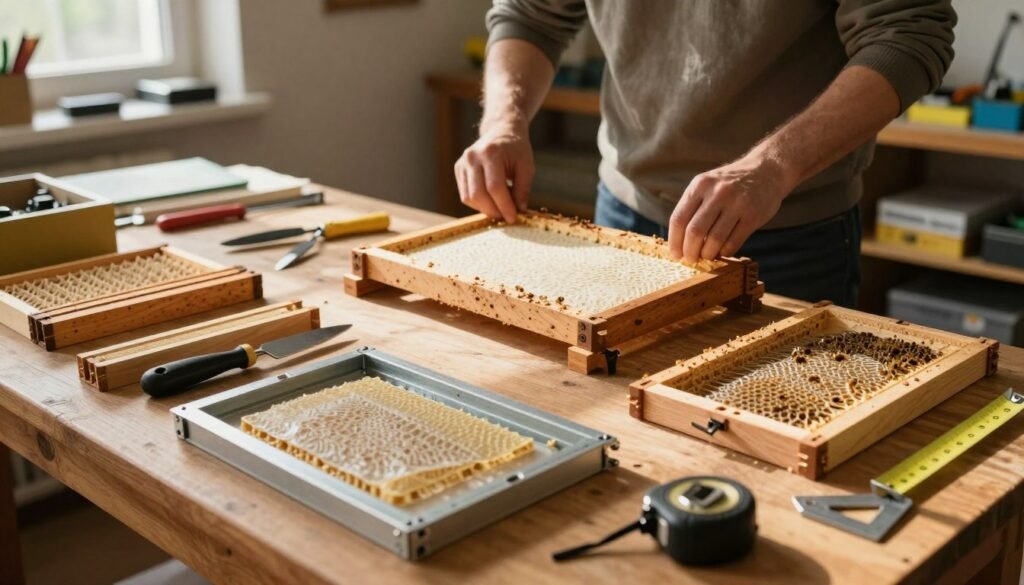
Basic tools include a hammer, the right nails, a measuring square, and a clean workbench. For wedge-style rails, use nails sized for the wooden strip so you can re-attach it after you install foundation. For plastic foundation, confirm fit before final nailing.
Using Assembly Jigs
Assembly jigs speed production. They let beekeepers build many frames consistently, which cuts prep time before honey season. A jig also helps when building a full 10-frame box.
- Jigs keep corners square and reduce rework.
- Proper nails matter for securing a wedge or strip.
- Designate a workspace to lay out wood, wax, and plastic foundation for quick flow.
Investing in quality equipment pays off. Durable tools and a reliable jig improve comb alignment and the long-term strength of each unit, helping your apiary run more efficiently. For minimal-gear approaches see a guide on minimalist beekeeping setups, and for functional differences consult this wedge and groove FAQ.
Scaling Your Apiary Operations
Scaling an apiary means shifting focus from DIY builds to efficient production lines that supply dozens or thousands of units.
Efficiency in the workshop directly improves productivity in the field. Professional-grade equipment lets beekeepers assemble a high volume of frame and foundation quickly. That reduces prep time and frees up staff for inspections and colony care.
HONESTBEE supports commercial apiaries with industrial machinery and wholesale supplies. They offer solutions whether you need thousands of snap-fit plastic foundation units or precision-cut wedge rails for beeswax sheets.
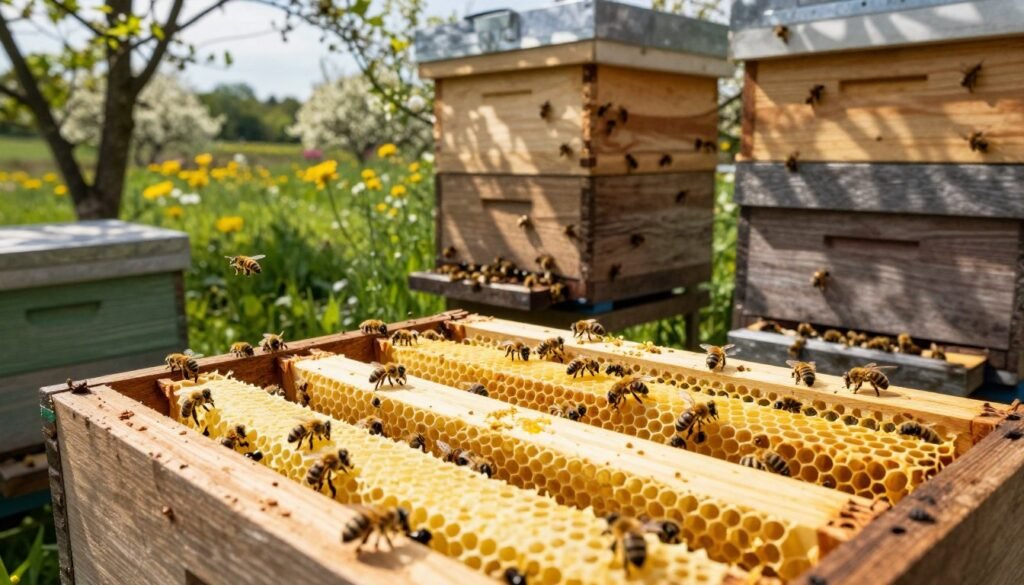
Standardized equipment keeps each box and frame interchangeable across all hives. Consistency cuts errors, speeds hive replacement, and helps manage honey storage as colonies grow.
| Scale | Key equipment | Primary benefit |
|---|---|---|
| Small apiary (10-50 hives) | Assembly jig, nails, hand tool | Affordable, flexible production |
| Mid-size (50-500 hives) | Semi-automatic press, bulk foundation | Faster build, uniform comb |
| Commercial (500+ hives) | Industrial machines, wholesale supplies | Max output, reduced labor |
- Automate repetitive steps to spend more time on queen health and hive inspections.
- Keep a steady supply of frames and foundation to prevent swarming and lost honeycomb space.
- Partner with experts for equipment that scales with your operation and supports bee health.
For bulk purchases and details on compatible parts, consider a guide to buying Langstroth frames that matches your production goals.
Conclusion
Choosing the right rail and fastening method shapes how your colony builds comb and how much time you spend in the workshop.
For large-scale honey production, a snap-fit approach speeds assembly and pairs well with plastic foundation and durable plastic frames. For beekeepers who favor a natural method, a clamp-style rail secures pure beeswax foundation and supports authentic natural comb.
Whatever you pick, build each frame with care. Use a reliable jig, the right tool, and quality foundation to protect comb during inspections and harvest. Learn more about common choices in our beehive frame types guide to match selection to your hive size and goals for honey and colony health.
FAQ
What are the main differences between the grooved and wedged styles for hive bars?
The primary difference is how foundation or comb is secured. One style uses a narrow channel machined into the wood that holds wax or plastic foundation by friction. The other relies on a tapered wedge that clamps the foundation between the wedge and the underside of the bar. Each affects assembly speed, rigidity, and how easily bees draw natural comb.
Which style works best with pure beeswax foundation?
Both styles accept pure beeswax foundation, but the channel approach often gives a neat seat for thin wax sheets and reduces movement during inspections. The wedge method can provide a tighter mechanical clamp for slightly thicker foundation or starter strips, helping colonies start comb faster.
Can I install plastic foundation in these bars?
Yes. Plastic foundation fits well in both designs if dimensions match. The channel model usually needs a secure press fit or hot-glued edge. The wedge clamping system can compress the plastic and hold it firmly, lowering the chance of comb detachment during honey flows.
How do I choose between using wax foundation, plastic foundation, or no foundation at all?
Choice depends on beekeeping goals. Pure beeswax foundation and starter strips encourage natural comb and are favored by natural beekeepers. Plastic foundation offers durable support and is easy for commercial operations. Foundationless frames let bees build natural comb but demand careful inspections and stronger side support.
Are there differences in assembly time and labor between the two designs?
Yes. The channel approach typically requires less fiddling once frames are cut and groove-routed. Wedge systems need precise tapering and often clipping or tack-gluing wedges into place, which adds time. For large apiaries, the faster method can cut build hours significantly.
Which option provides greater structural integrity during inspections and honey extraction?
The mechanical clamp style generally offers superior resistance to comb sag and detachment during heavy manipulations. The friction channel can be robust when well-fit, but poorly seated foundation may loosen under load. Reinforcing side bars or using metal wires increases reliability for either option.
Do either design affect bee behavior or honey production?
Bees adapt to both. Frames that hold foundation firmly and maintain comb alignment reduce stress and risk of cross comb, which supports efficient foraging and honey storage. Foundationless systems may change brood pattern and storage distribution but can produce high-quality, natural comb honey when managed correctly.
What tools and jigs do I need to assemble frames for each type?
Basic tools include a miter saw, router or table saw for the channel design, a plane or tapering jig for wedges, nails or staples, and a frame assembly jig to square and speed production. A heated knife or narrow bit helps seat wax foundation without cracking it.
How do side bars, rays, or reinforcement options factor into durability?
Reinforcing with metal wires, comb clips, or thicker side rails improves strength regardless of design. For heavy honey flows or long frames like Langstroth, reinforcement prevents sagging. Side bars that fit snugly into hive box rabbets also help maintain overall box alignment.
Are either style better for natural beekeeping philosophies that favor minimal intervention?
Natural beekeepers often prefer foundationless or pure beeswax approaches that allow natural comb geometry. The channel design can support thin wax sheets that still permit natural building, while wedges may force more uniform comb spacing. Either can be used with low-intervention practices if management goals align.
Can standard Langstroth supers and brood boxes accept both designs?
Yes. Both fit standard Langstroth dimensions when bars are cut to the correct length and thickness. Ensure the gauge and rabbets of your boxes match the frame shoulder placement so bars sit level and comb aligns across the hive.
How does frame design influence inspections and queen management?
Frames that hold foundation firmly allow quicker, cleaner inspections and reduce comb damage when moving brood or locating the queen. Foundationless or loosely held comb can make finding the queen harder and increase the chance of breaking brood comb during handling.
What maintenance is required for frames with wax compared to plastic foundation?
Wax foundation may require occasional rebating, patching, or replacement after melting or beetle damage. Plastic foundation lasts longer but can harbor residues; periodic sanitizing or replacement may be needed. Both benefit from routine checks for burr comb and warped frames.
Are there recommended suppliers or brands for pre-made frames and foundation?
Reputable suppliers include Mann Lake, Kelley Beekeeping, Betterbee, and Dadant. These companies offer various frame styles, pre-waxed foundation, plastic foundation sheets, and assembly kits. Choose products that match your hive type and management style.
How do I scale assembly for a growing apiary?
Use assembly jigs, buy pre-made frames or pre-waxed foundation, and standardize one frame design to reduce complexity. Batch work—routing channels, cutting wedges, and gluing—saves time. Outsourcing some components from established suppliers speeds expansion.