Published March 31, 2026
European foulbrood challenges beekeepers because its onset can be subtle. A troubled brood pattern, discolored larvae, and a sour odor can point to a brood disease that threatens colony strength.
Prompt action protects hives and keeps honey production steady. The Australian Government and industry groups invest in management tools to support growers and pollination services. Still, local guidance matters: consult your state inspector or association for rules and treatment steps.
Note: While american foulbrood often gets more attention, efb is contagious and demands quick containment to stop infection from spreading between colonies. Learn routine inspection and tool sterilization methods to limit risk, such as best practices for cleaning gear and flame-sterilizing tools found at a practical resource on hive tool sterilization: sterilize hive tools with flame. For diagnostic details and inspection tips, see the dedicated guide on identification: identifying european foulbrood.
Key Takeaways
- Watch for uneven brood patterns and discolored larvae as early warning symptoms.
- Act fast: efb is contagious and can reduce colony productivity.
- Consult local inspectors and beekeeping associations for rules and recovery steps.
- Proper tool cleaning and hive hygiene cut the risk of spreading infection.
- Use trusted resources for inspection methods and diagnosis.
Understanding the Basics of European Foulbrood
Knowing the pathogen and how it moves through a hive is key to protecting your apiary. The bacterium Melissococcus plutonius colonizes the gut of developing larvae. It competes for food inside the larval gut and can starve young bees before they pupate.
The Role of Melissococcus plutonius
The bacteria grow where larvae feed. Infected brood lose vigor and many die. Loss of larvae reduces the colony’s workforce and lowers honey production.
How the Infection Spreads
Contaminated beekeeping equipment is a common vector. Moving infected combs or using unclean tools lets the bacteria jump between colonies.
- Bees can spread infection by sharing contaminated food.
- Stressful conditions—poor weather or low nutrition—make bees more vulnerable.
- Robbing and pests speed the spread across an apiary.
Prevention is simple: keep hive equipment clean, monitor larvae health, and limit movement of combs. For detailed guidance, consult this resource on european foulbrood management.
Recognizing European Foulbrood Early Signs
Routine inspections during warm seasons let beekeepers spot brood problems while colonies are still recoverable.
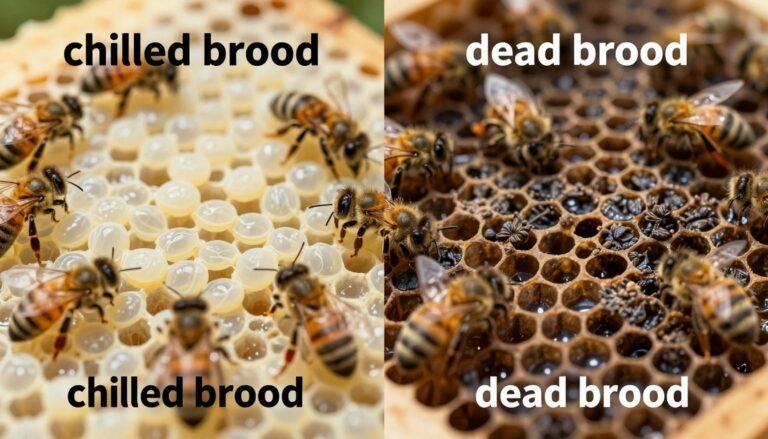
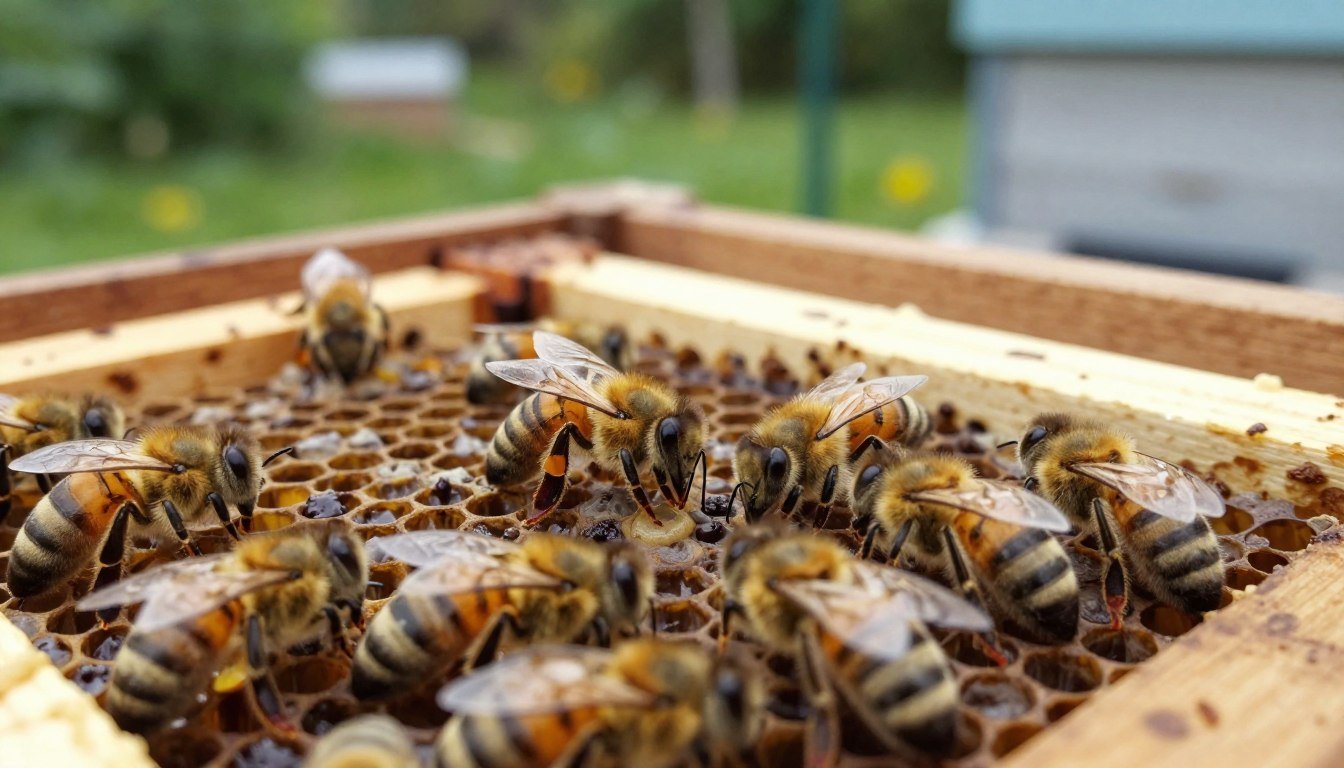
Check frames twice a year, especially in spring. Look for an irregular brood pattern: empty patches or scattered cells where brood should be solid.
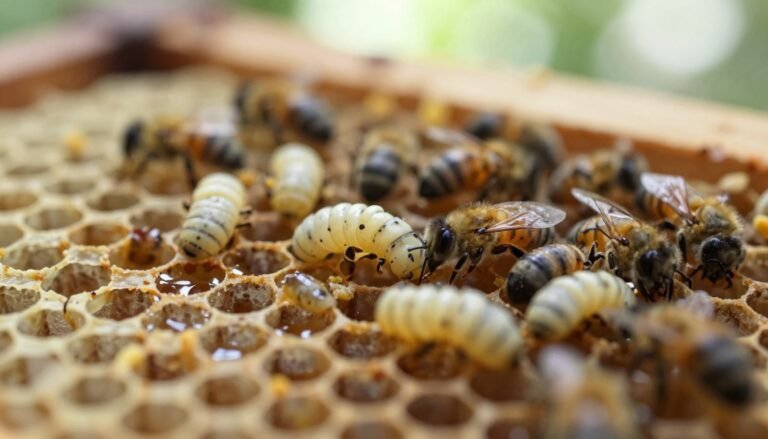
Inspect larvae closely. Infected larvae may shift from off-white to yellow or brown. You might also detect a sour odor as the condition advances.
Open suspect cells and note texture and position. Larvae that curl upward or feel watery and rubbery show common symptoms. Dead larvae harden into a dry, dark scale that sticks to cell walls.
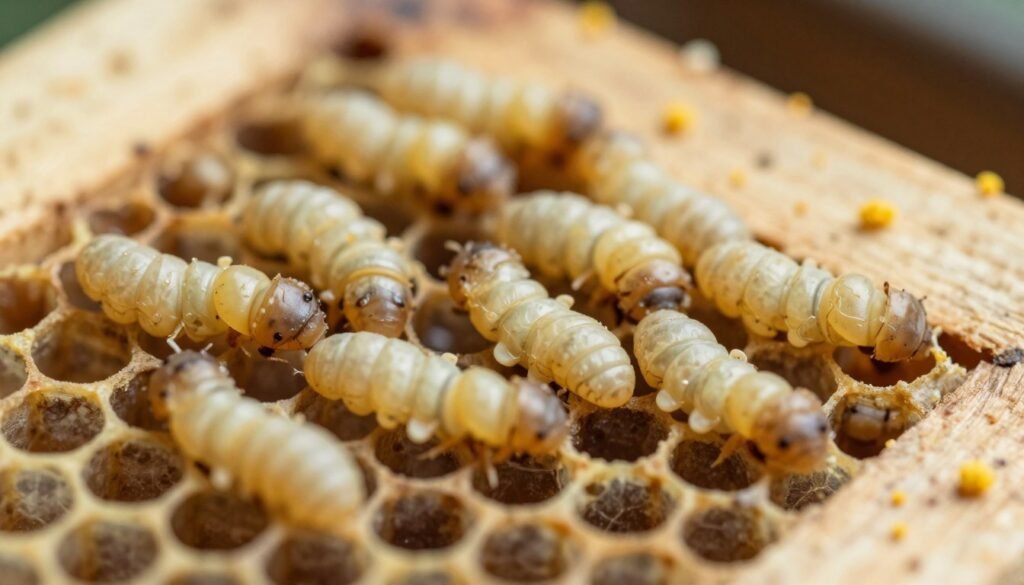
- A strong queen does not guarantee the colony will stay free of infection.
- Cells with visible light-colored tracheae suggest advanced stage disease.
- Early recognition and action stop the spread within and between colonies.
Distinguishing EFB from American Foulbrood
A precise field test and a close look at affected cells will guide the right treatment choice.
Two bacterial diseases can wreck brood and reduce honey yield, but they behave very differently. One is caused by Melissococcus plutonius; the other by Paenibacillus larvae, which forms hardy spores that resist heat and cold.
Key Diagnostic Differences
- Ropiness test: insert a toothpick into a suspect cell. If the tissue strings out roughly 3/4 inch, it indicates american foulbrood rather than efb.
- Cell appearance: AFB often shows sunken or perforated cappings and a strong fishy odor. EFB larvae usually do not rope when probed.
- Treatment and risk: AFB may require colony destruction in some regions. EFB can sometimes be managed with hive hygiene and, in select cases, antibiotics.
- Reporting: always contact your state apiary inspector if you suspect american foulbrood. Legal rules often apply.
For broader guidance on bee diseases and safe practices, see this bee diseases resource.
Inspecting Your Hives for Potential Infection
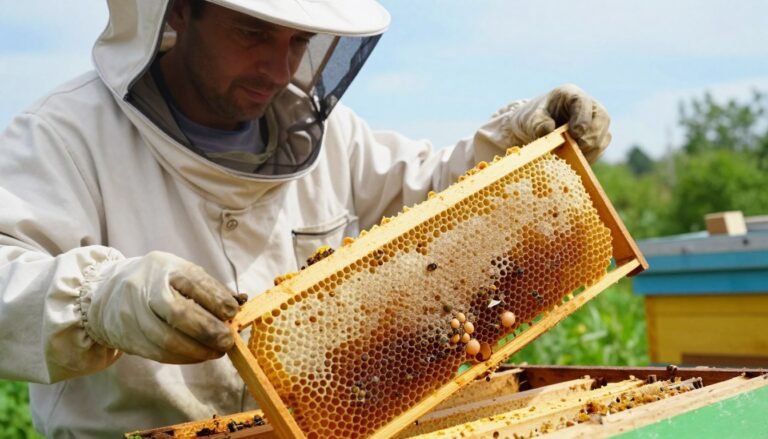
A careful frame-by-frame check reveals subtle changes in brood health before they worsen. Start by moving bees gently to one side and remove every frame so you have a clear view of the brood area.
Look for an irregular brood pattern and open cells where larvae may be discolored or deformed. If a larva has dried into a rubbery scale, treat this as a serious indicator of european foulbrood.
Observe bee behavior. Hygienic bees often uncap and remove diseased pupae, which helps the colony resist infection naturally.
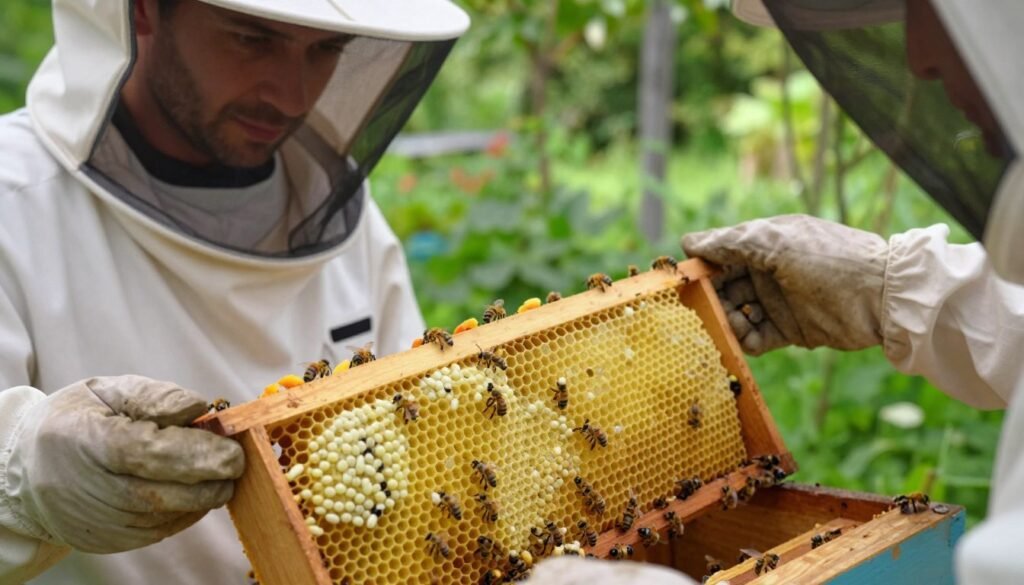
- Do not move suspect combs between colonies; this limits spread of disease.
- Disinfect equipment between hives and document each inspection to track trends in brood and colony health.
- If you find symptoms that worry you, isolate the hive and contact local authorities or a vet for next steps.
Managing Stress to Prevent Bacterial Outbreaks
Reducing hive stress is one of the most effective ways to guard larvae and preserve colony strength. Moving colonies, cold snaps, and sudden food shortages lower immunity in brood and make bees more vulnerable to disease.
Provide steady food in lean periods. Good nutrition helps larvae and adult workers resist infection and recover faster after hardship.
Monitor during spring when queen rearing and virus peaks raise demand on the colony. Check cells and brood regularly for abnormal development or other symptoms.
“A calm, well-fed hive is the first line of defense against bacterial threats.”
Keep disturbance low: avoid unnecessary hive moves and limit inspections during poor weather. That reduces stress and lowers pressure from pests and secondary problems.
| Action | Benefit | When to Do It |
|---|---|---|
| Supplement pollen or syrup | Improves nutrition for larvae and bees | Late winter to early spring |
| Minimize hive moves | Reduces shock and lowers infection risk | Only when necessary |
| Watch queen performance | Stable laying supports even brood | Monthly in buildup season |
| Control pests fast | Prevents secondary stress on colonies | At first detection |
For practical protocols on managing disease and treating affected hives, see guidance on how to treat foulbrood and steps to prevent chalkbrood.
Treatment Methods for Infected Colonies
Practical methods give beekeepers reliable ways to remove contaminated combs and rebuild healthy colonies. Quick action focuses on breaking the bacteria cycle and protecting larvae and honey stores.
The Shook Swarm Technique
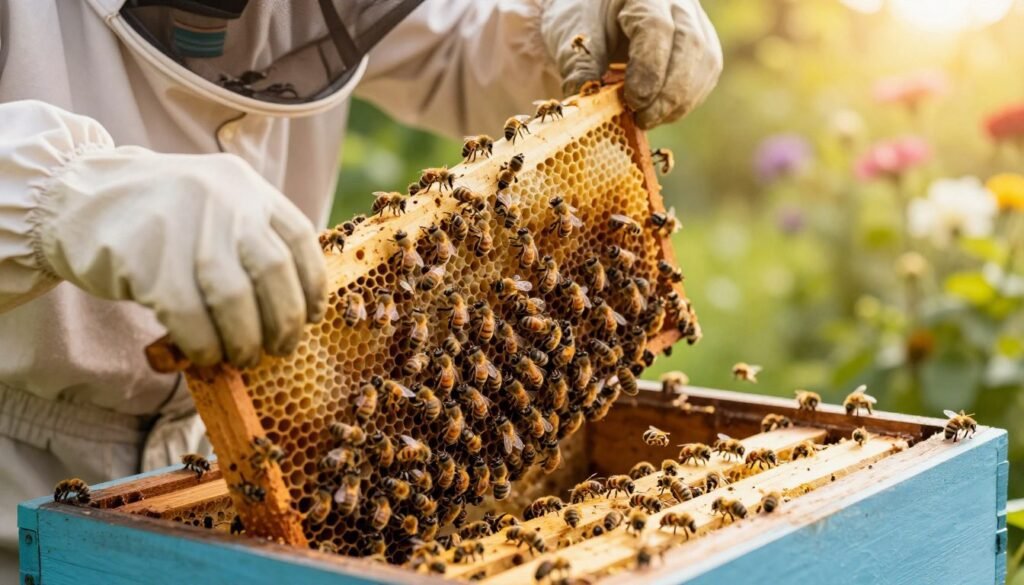
The shook swarm method removes old brood combs that act as bacterial reservoirs. Shake adult bees into a clean hive on fresh foundation and discard old combs.
This breaks the brood cycle and reduces infection while keeping the adult workforce intact.
Requeening for Genetic Resistance
Introduce a young, prolific queen to improve brood vigor and long-term resistance. A strong queen helps colonies recover faster and can lower recurrence of disease.
Professional Veterinary Consultation
Federal rules now require a licensed veterinarian to prescribe antibiotics. Oxytetracycline hydrochloride is commonly used and is often given three times at five to seven-day intervals.
Follow prescriptions carefully to avoid resistant bacteria. For practical treatment steps, see this guide on how to treat foulbrood.
- If you suspect efb, call the Australian Honey Bee Industry Council at 0402 467 780 for guidance.
- Remember: american foulbrood often requires colony destruction, while these methods can save an efb-infected hive.
Implementing Biosecurity and Hygiene Protocols
A disciplined cleaning routine for hive gear cuts the chance of pathogens moving between colonies.
Start by following the National Bee Biosecurity Program standards for your apiary. Clean all beekeeping equipment after each use and avoid bringing unknown used equipment onto your site.
Replace older queens before they fail to help the colony resist bacteria and maintain steady brood production. Keep nutrition steady with forage or supplemental feed to reduce stress on larvae and workers.
- Hygiene: sterilize tools and discard suspect combs to limit spread.
- Inspection: monitor brood and cells regularly and record findings.
- Isolation: quarantine new colonies and used gear until cleared.
If antibiotics are required, use them only under veterinary supervision. For veterinary protocols and prescribing guidance, consult trusted veterinary guidance.
Proactive steps reduce pests diseases and protect honey production. Learn more about common threats and controls at this guide on common hive pests.
“Good biosecurity is prevention in action; small steps save colonies.”
Conclusion
A focused inspection routine gives beekeepers the best chance to preserve healthy brood. Check frames often for an irregular brood pattern and any unusual cell changes. A clear inspection rhythm helps you act before losses spread.
Learn to tell infections apart — accurate diagnosis matters because management for american foulbrood differs and is regulated. Keep detailed records so treatment choices follow local rules and veterinary advice.
Maintain strict hygiene and reduce hive stress to protect young bees. With good biosecurity, prompt action, and careful monitoring, you can limit outbreaks and keep colonies productive.
FAQ
What bacterium causes this brood disease and how does it act?
The pathogen is Melissococcus plutonius, a bacteria that attacks young larvae through contaminated food. It disrupts gut function, causing larvae to stop developing, often while still creamy or turning brown. Warm, wet conditions and poor nutrition increase the risk of infection spreading within a colony.
How can I tell the difference between this disease and American foulbrood in my hive?
Key differences include texture and odor of dead larvae: this disease usually leaves soft, discolored larvae that may not pull into a dry, ropey scale. American foulbrood typically creates hard, sunken, and sticky scales with a strong, foul smell. Lab testing and microscopic examination of brood samples confirm diagnosis when visual signs overlap.
What early indicators should be visible during a frame inspection?
Look for patchy, irregular brood patterns with uncapped cells containing flattened, discolored larvae. Some larvae remain fed but die late, appearing slimy or yellowish before browning. Spotty brood and increased uncapped cells, especially in spring, should raise concern and prompt sample submission.
Which hive conditions and management mistakes raise the risk of infection?
Stressors like poor nutrition, extended broodless periods, cold snaps, overcrowding, and moving frames without proper hygiene raise susceptibility. Use of contaminated equipment, reuse of old comb, and co-mingling frames between colonies can spread the organism quickly.
Can I treat an infected colony with antibiotics, and what are the alternatives?
Antibiotics such as oxytetracycline have been used, but they may mask symptoms, promote resistance, and leave residues in honey. Non-antibiotic strategies include the shook swarm method to break brood cycles, requeening with resistant stock, comb replacement, and targeted hygienic management. Consult a veterinarian or extension service for legal and safe options.
What is the shook swarm technique and when should I use it?
The shook swarm moves adult bees onto new foundation or frames to separate them from infected comb and brood. It’s effective when the colony is strong and not overwhelmed. This method reduces pathogen load and combined with comb removal and feeding can restore colony health without extensive chemical use.
How important is requeening, and how does genetics affect resistance?
Requeening with stock known for hygienic behavior can significantly reduce recurrence. Queens from resistant lines promote worker behaviors that detect and remove diseased brood, lowering disease pressure over time. Use certified breeders or programs focused on hygienic traits.
When should I seek professional veterinary help or lab testing?
If signs are unclear, widespread across multiple colonies, or not improving after basic interventions, collect samples and contact a bee health lab or avian/veterinary specialist. Lab confirmation guides correct treatment and helps meet regulatory reporting requirements in some regions.
What biosecurity steps should I apply to prevent spread between hives?
Isolate suspected colonies, avoid sharing frames or tools between yards, sanitize smokers, hive tools, and gloves, and quarantine or destroy severely infected comb. Clean transport equipment and record movements. Limit robbing by managing entrances and maintaining strong colony populations.
How does seasonality affect outbreaks, and when are colonies most vulnerable?
Outbreaks commonly peak in spring and early summer when brood rearing resumes and nutrition can be inconsistent. Cold springs, nectar dearths, or abrupt weather swings stress colonies, increasing larval susceptibility. Timely supplemental feeding and good winter preparation reduce risks.
Can honey or extracted products be contaminated, and what precautions should I take?
Contamination risk exists if honey is stored in infected comb. Avoid extracting from suspicious frames, and do not feed infected honey back to colonies. Follow local regulations on honey from diseased hives and consider lab testing before marketing.
What equipment practices help reduce recurrence after treating a hive?
Replace old or heavily infested comb with foundation or new frames, thoroughly clean and disinfect boxes and tools, and rotate combs regularly. Store spare equipment in dry, pest-free conditions and label units with treatment histories to avoid accidental reuse.
How should I manage nutrition to lower disease pressure?
Provide balanced pollen substitutes or supplements during dearths, ensure consistent syrup feeding when nectar is scarce, and maintain adequate forage near apiaries. Good nutrition strengthens brood development and worker immunity, reducing pathogen impact.
Are there any legal or reporting requirements for infected colonies?
Regulations vary by state and country. Some areas require reporting of certain brood diseases or restrict movements of infected colonies. Check with your local agriculture department or state apiary inspector for mandatory reporting, quarantine rules, and approved treatment protocols.
What steps should I take immediately if I suspect multiple colonies are infected?
Isolate affected hives, limit bee traffic between apiaries, collect representative brood samples for lab testing, notify your apiary inspector if required, and avoid sharing frames or honey. Implement sanitation and consider removing and replacing comb to reduce infection reservoirs.