Traceability is now a business essential for producers who ship jars straight to buyers. In the United States, honey production reached 157 million pounds in 2019, which shows the scale and risk tied to food quality.
Good traceability helps brands prove origin, verify purity, and meet regulatory requirements. The FAO stresses that traceability supports safety and quality across global supply chains.
By digitizing the production and data capture stages, producers can show verified harvest details, GPS-tagged hives, and certified processing steps. This transparency builds trust with the market and makes certification easier.
Learn more about hive-to-jar recordkeeping with a practical traceability platform in this guide: hive-to-honey traceability. Review labeling ethics and compliance here: labeling standards for honey.
Key Takeaways
- Traceability secures origin data from hive to jar.
- Digital records simplify certification and audits.
- Clear labels confirm quality and boost brand trust.
- Capturing GPS and harvest timestamps reduces fraud.
- Proactive systems help meet evolving market requirements.
The Importance of Traceability in Honey Sales
Documenting where and how honey is gathered protects ecosystems and reassures shoppers about quality.
Traceability links each jar back to a hive, giving producers proof of origin and meeting rising food safety standards. The FAO notes that traceability is essential to protect food quality across the supply chain.
Clear records help beekeepers maintain colony health and follow best practices. They also reduce the risk of adulteration and support state and international certification.
Transparency is now a market expectation. Consumers expect origin details on labels, and regulators in the U.S. and EU demand documentation that verifies purity and handling.
Key benefits:
- Verifies origin and supports ethical beekeeping.
- Improves hive management and colony health.
- Builds consumer trust through clear provenance.
| Aspect | What it shows | Benefit |
|---|---|---|
| Hive location | GPS and site notes | Protects bees and ecosystem health |
| Harvest record | Date, floral source | Ensures quality and origin claims |
| Chain-of-custody | Processing and packaging logs | Meets safety standards and builds trust |
Learn how advanced systems support these needs through advanced honey traceability systems.
Implementing Lot Tracking for Direct-to-Consumer Honey Sales
Establishing clear batch IDs gives producers a reliable way to map each jar back to its hive and harvest.
Defining Batch Identification
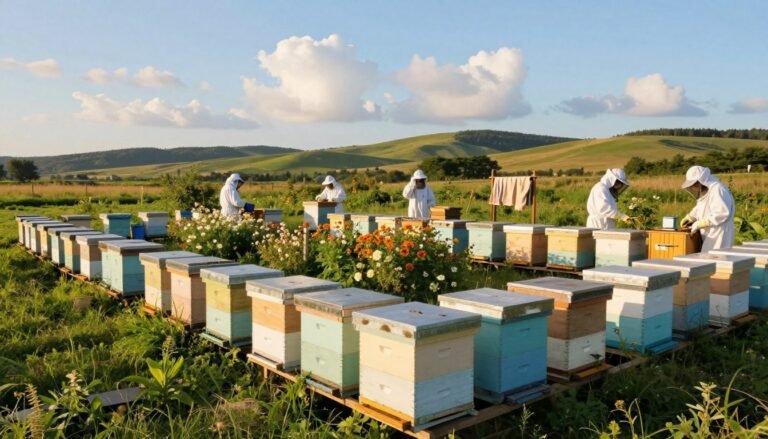
Batch identification begins at the hive. Beekeepers record the harvest date, floral source, and hive location.
These identifiers then travel with the product through processing and packaging.
Managing Inventory Flow
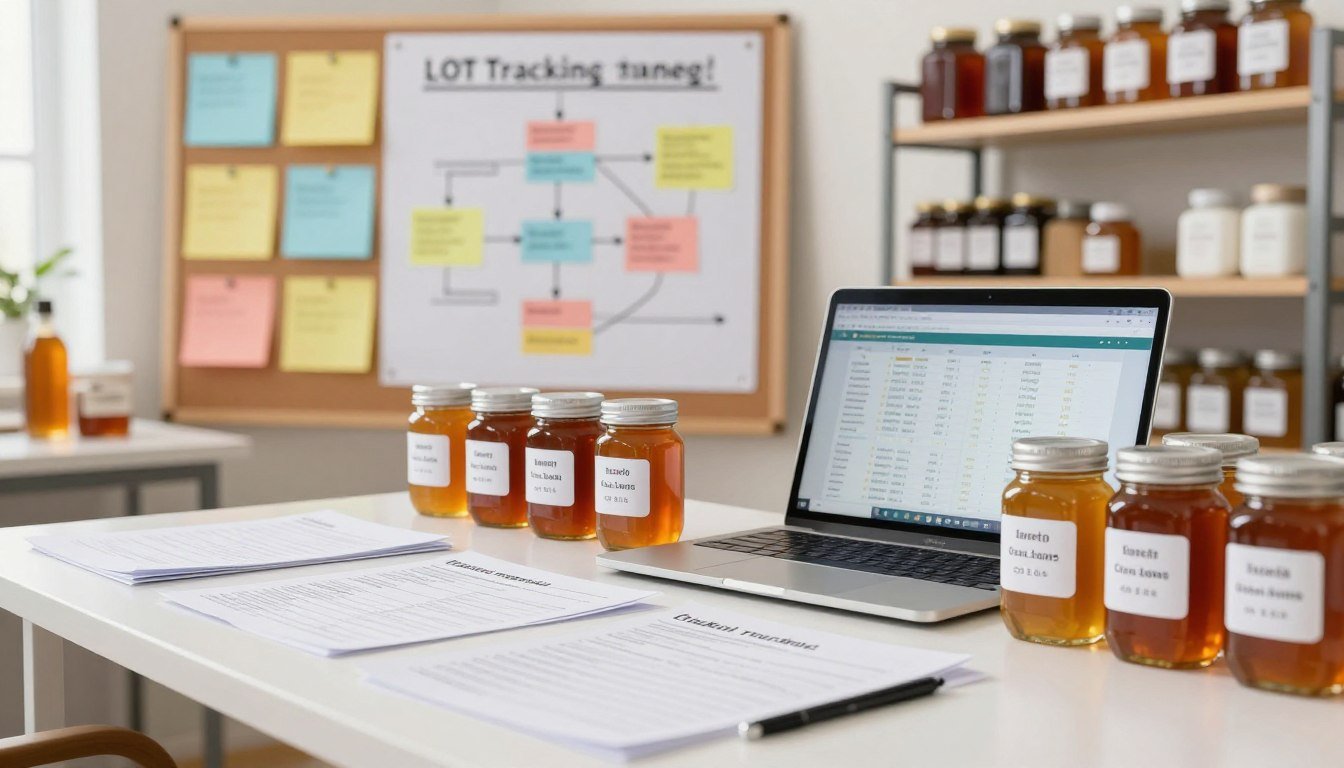
Assigning a unique number to every batch lets producers isolate inventory quickly if a quality issue appears.
Digital tools capture every step, keeping data consistent and audit-ready.
- Record hive origin and harvest timestamps.
- Link lab results and packaging details to the batch code.
- Label jars clearly to preserve traceability and meet certification requirements.
Standardized practices protect purity and support state or organic certification. A well-kept system also helps protect the brand and lets teams respond fast to any food safety concern. Learn more about batch coding and traceability systems in this concise guide: batch coding and traceability systems.
Capturing Critical Data at the Hive Level
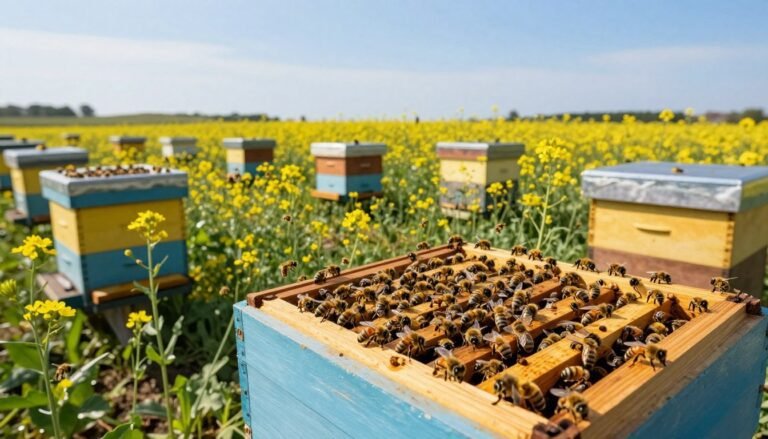
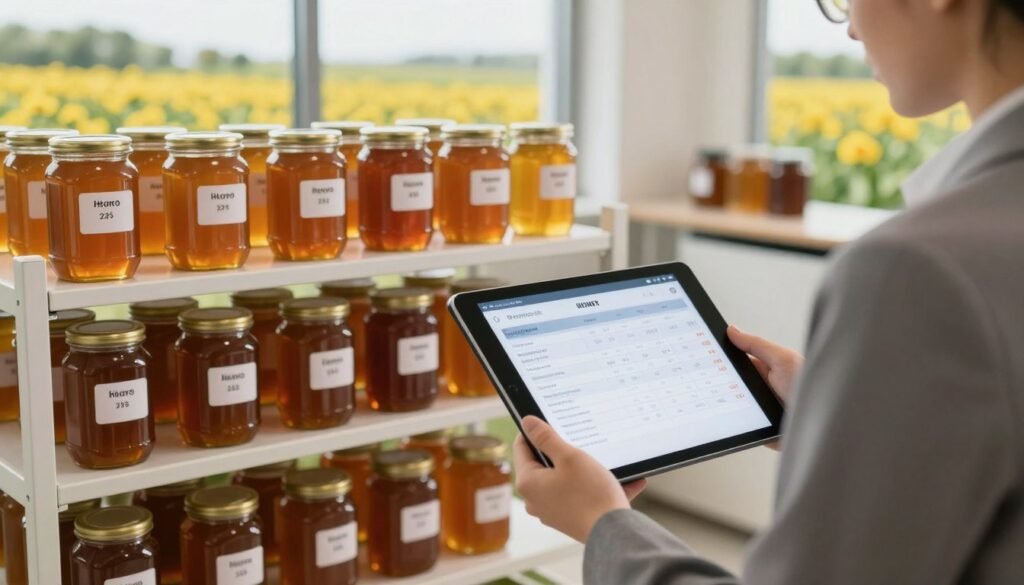
Collecting precise field data at each apiary gives producers the proof needed to support floral origin claims. This step starts the digital trail that underpins modern traceability systems.
Recording Floral Origin and Harvest Timestamps
GPS coordinates of bee boxes record exact location and likely floral exposure. Recording the beekeeper’s name, the unique box ID, and an exact harvest timestamp ties that place to a specific batch.
Linking timestamps to bloom cycles helps label jars by floral type and boosts product quality claims. It also lets teams monitor hive state and the health of the bees during collection.
Mobile-first tools let beekeepers capture this information in real time, even in remote areas. Documenting every step creates a verifiable data trail that supports origin claims and compliance.
- Why it matters: Accurate hive data preserves integrity across the production process.
- Best practice: Use GPS, timestamps, and unique IDs to record each harvest step.
Learn practical market tips and selling guidance at the farmers market guide: selling at U.S. farmers markets.
Leveraging Digital Tools for Supply Chain Transparency
Modern platforms let producers record hive activity and harvest notes in real time, creating a searchable digital record. These tools make it easier to show origin, validate quality, and keep certification files current.
Mobile Data Entry Solutions
Mobile apps let beekeepers capture data at the apiary. Offline entry syncs later, so remote teams never lose critical harvest and hive notes.
TraceX is an example of a platform that digitizes every step from the field to the collection center. That reduces manual errors and speeds audits.
Blockchain for Immutable Records
Blockchain creates an unchangeable ledger of supply chain events. When each step is recorded, the brand gains a permanent proof of origin.
“An immutable record is a powerful trust signal in markets where provenance matters.”
QR Code Integration
Adding QR codes to packaging lets shoppers scan a label and view batch history instantly. This bridges the gap between production data and consumer trust.
Brands that link QR pages to lab certificates and origin notes can justify premium pricing and win loyal buyers.
| Tool | Main Benefit | Practical Result |
|---|---|---|
| Mobile apps | Real-time field data capture | Accurate harvest and hive logs |
| Blockchain | Immutable records | Verifiable provenance and trust |
| QR codes | Consumer access to origins | Transparency at point of purchase |
Takeaway: Digitizing batch processes and labels helps producers meet demand for traceability, keep certification ready, and raise brand trust. Learn practical marketing steps in this guide on selling raw honey online.

Meeting Regulatory Standards and Certification Requirements
To access premium domestic and export markets, brands need traceable records that prove product purity and safe handling at every step.
Agencies such as FSSAI and AGMARK require clear files documenting origin, floral source, and quality parameters. These controls limit adulteration and protect food safety in the supply chain.
Exporters to the EU face strict import checks tied to sustainability and safety norms. Maintaining batch numbers, harvest dates, and lab data makes inspections easier and reduces border delays.
Certification programs demand detailed documentation of production and packaging processes. Transparent labels and accurate packaging notes help producers meet those standards.
- Keep batch and harvest logs to pass audits and protect your brand.
- Document sustainable beekeeping practices to qualify for organic or specialty certificates.
- Store lab reports and origin data so certification bodies can verify claims quickly.
Brands that implement robust traceability systems enjoy faster certification, clearer market access, and stronger consumer trust. Read practical compliance steps for small producers in a guide about selling legally under cottage food rules, and review the export process to EU for more on import checks.
| Requirement | What to record | Benefit |
|---|---|---|
| Origin proof | GPS/site notes, floral source, beekeeper ID | Validates label origin and prevents mislabeling |
| Quality testing | Lab results, purity metrics, contaminant screens | Satisfies safety rules and protects brand reputation |
| Batch control | Batch ID, harvest date, processing logs | Speeds recall actions and audit passes |
| Sustainability proof | Practice records, organic or ethical certifications | Opens premium markets and future DPP readiness |
Building Consumer Trust Through Provenance
Clear provenance data turns a simple jar into a verified product with a story consumers can trust.
Buyers now expect to see origin details on labels and to confirm purity. Brands that show harvest dates, floral region, and hive coordinates make the claim credible.
Scientific certification adds weight. Manuka Health uses Oritain to validate geographical origin with lab methods that prove authenticity and protect purity.
QR codes on each label let shoppers scan and view batch records, lab notes, and the path from field to shelf. This level of transparency converts interest into loyalty.
Accurate labeling and packaging reinforce claims. Read practical steps on how to prepare clear labels in this guide to packaging and labeling, and learn about batch systems in the batch coding and traceability systems.
Takeaway: Share the story of your beekeepers and the land they forage on. Provenance, good labels, and third-party certification help a brand stand out in competitive markets and build lasting trust.
Overcoming Common Barriers in Honey Production
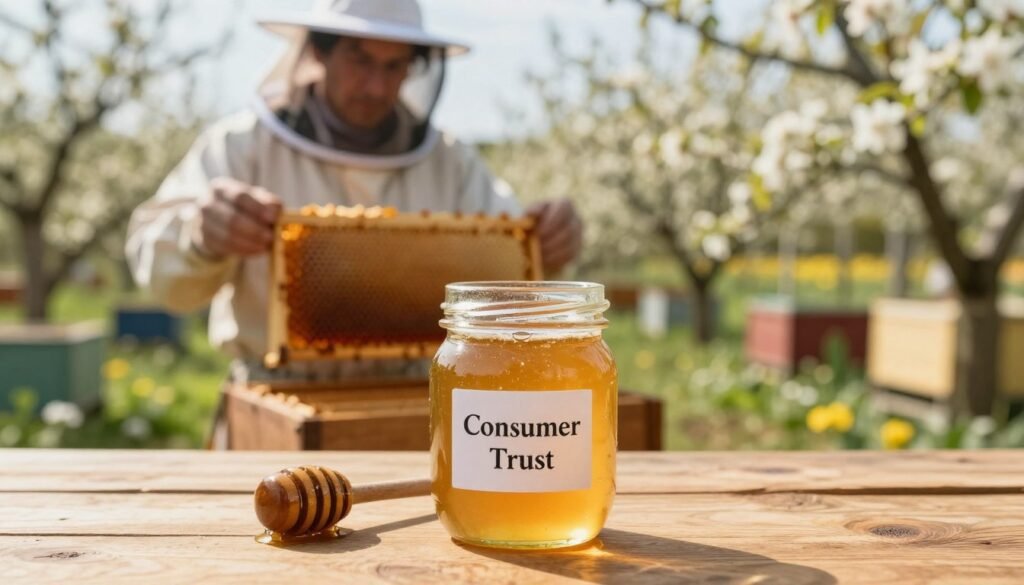
Adopting simple mobile tools removes friction and helps beekeepers log harvest events accurately in the field.
Training beekeepers to enter bee box IDs and harvest notes is essential. Hands-on demos, short videos, and multilingual guides shorten the learning curve. Accurate data at the hive preserves traceability and protects quality.
Training Beekeepers for Digital Adoption
Include inclusive workshops and peer mentors. Provide ongoing tech support and offline app modes. This helps teams meet state and certification requirements without heavy paperwork.
Smart-hive monitors such as Buzzbox reduce stress on colonies by recording temperature and humidity without opening frames. That real-time data supports bee health and better production outcomes.
“When field teams trust the tools, data quality improves and the entire supply chain benefits.”
| Barrier | Solution | Result |
|---|---|---|
| Low tech literacy | Hands-on, multilingual training | Consistent hive data entry |
| Colony stress | Smart-hive monitoring | Improved bee health and quality |
| Regulatory complexity | Guides and cooperative support | Smoother certification |
Meeting demand for traceable jars needs cooperation among producers, cooperatives, and tech providers. Learn practical B2B approaches in this B2B honey strategy guide.
Conclusion
Strong traceability systems turn field notes and lab data into a single, verifiable narrative about each jar. Digitizing production creates clear records that meet modern food rules and protect product quality. Every jar should carry origin details, lab proofs, and readable labels that build customer trust.
Adopting digital solutions now helps brands stay ahead as premium markets grow. Producers can learn practical steps in a legal selling guide at start selling legally and study technical traceability models in this research overview: traceability architecture. Invest in these systems today to protect reputation and support long-term industry health.
FAQ
What is batch identification and why does it matter for honey produced at specific hives?
Batch identification assigns a unique code to each harvest or processing run so you can trace every jar back to its hive, harvest date, beekeeper and floral source. This aids quality control, supports label claims about origin and purity, and speeds up responses to contamination or recall events.
Which critical data should be captured at the hive and during harvest?
Capture hive location, beekeeper name, colony health notes, floral origin, harvest timestamp, extraction method, and initial weight. Recording these data points creates provenance records that prove authenticity and help meet food safety and certification requirements.
How can mobile data entry tools help small-scale producers?
Mobile apps let beekeepers record hive inspections, harvests and sample results in real time. That reduces paperwork, cuts errors, and syncs field data with inventory and packaging systems so each jar links to accurate provenance information on labels or QR codes.
Is blockchain necessary for documenting honey provenance?
Blockchain is not mandatory, but it offers immutable recordkeeping that strengthens trust in origin and handling claims. It’s useful for brands selling premium, single-origin products because it prevents retroactive data changes and provides an auditable chain of custody.
How does QR code integration improve transparency on retail labels?
QR codes let consumers scan jars to view harvest date, floral source, beekeeper profile, lab test summaries and certification badges. This builds confidence, differentiates brands in the market and gives buyers immediate access to provenance without adding label clutter.
What inventory flow practices reduce the risk of mixing different harvests?
Use sequential numbering, segregated storage for batches, first-in-first-out handling and clear packaging windows. Maintain a digital inventory ledger that updates with every movement—receiving, processing, bottling and shipping—to keep batch integrity intact.
How do producers meet state and federal food safety regulations for jarred honey?
Maintain sanitary extraction and bottling practices, document thermal processing if used, keep lab test results for contaminants and pollen analysis, and follow labeling laws for weight and ingredient claims. Certifications such as USDA Organic require additional documented controls and audits.
What training do beekeepers need to adopt digital provenance systems?
Training should cover basic mobile app use, standardized data entry, barcode/QR scanning, sample handling and chain-of-custody principles. Short, hands-on sessions with reference guides and ongoing tech support improve adoption and data accuracy.
How can provenance and traceability increase consumer trust and brand value?
Transparency about origin, beekeeper practices and test results reassures buyers about purity and sustainability. Brands that show verifiable provenance can command higher prices, attract niche markets and reduce reputation risk from supply issues.
What common production barriers hinder effective traceability, and how do producers overcome them?
Barriers include inconsistent recordkeeping, limited connectivity in the field, and small teams with multiple roles. Solutions involve simple standardized forms, offline-capable mobile apps, batch segregation protocols and partnerships with lab services for routine testing.
Which certifications and labels are most relevant for premium jarred honey?
Relevant credentials include USDA Organic, True Source Certified, and local state agricultural certifications. Pollen analysis reports and third-party laboratory results also bolster claims about floral origin and purity for specialty markets.
What level of supply chain detail do retailers and marketplaces typically require?
Retailers often request harvest date, country and state of origin, batch ID, safety test summaries and any certifications. Online marketplaces may also ask for traceable QR links and shipping-level tracking to support return or recall procedures.
How should producers label jars to balance marketing and regulatory information?
Prioritize required elements—net weight, producer name and address, ingredient statement and any allergen notes—then add origin storytelling, beekeeper details and a QR code linking to extended provenance. Keep text clear and compliant with FDA labeling rules.
Can small producers use the same traceability tools as larger brands?
Yes. Scalable solutions exist: simple spreadsheets and barcode labels for micro-producers, and cloud-based traceability platforms for growing operations. Choosing modular tools lets you expand capabilities without replacing systems as volume increases.