Published March 31, 2026 · Last Updated August 26, 2026
Turning a tiny plot into steady revenue starts with smart plant choice and simple management. Honey bees and other pollinators support about 75% of global food plants and add roughly $15 billion a year to the U.S. economy. That makes pollinator-friendly planning a sound step for any small farm or garden.
The Backyard to Income Starter Pack shows what to plant, when to plant, and how to time harvests to match market demand. Evaluate your soil, season, and local market before you commit to a single crop.
Focus on varieties that attract pollinators and suit your space, greenhouse, or field. Ginger, grapes, lavender, and cotton are common high-value options, but local demand and management determine real success. Link resources on pollinator habitat and native plants can help refine choices: see pollinator planning tips and native plant lists at U.S. native plants for pollinators.
Key Takeaways
- Pollinators drive major food production and have a large U.S. economic value.
- Assess soil, season, market, and space before choosing high-value plants.
- Use varieties that attract pollinators and match local demand.
- Stagger planting and greenhouse timing to extend harvest and sales.
- Starter guides and native plant lists help new growers plan effectively.
Evaluating Your Environment for Maximum Profit
Start by mapping who buys at nearby markets, then match that demand to what grows well on your land. Conduct a quick survey of local people and markets to learn which plants sell at which price and week of the season.
Market Analysis
Before launching a market garden, study the 1,500-person village or neighboring towns. Note peak demand in summer, fall, and winter. Alex Just of Just Farms in Alexandria proves this works: multiple plantings, mulch, row cover, and overhead irrigation helped him sell 14 flats of strawberries at a single market.
Method Selection
Choose methods based on soil conditions, greenhouse space, and field layout. Reuse winter mulch in garden aisles to cut weeds and keep moisture in the root zone.
- Use greenhouse space to start beets, carrots, and herbs early and build a customer base.
- Plan staggered plantings and irrigation to extend harvest and production through the year.
- Match your crop choice to local market trends and your available space.
For drought-tolerant flower lists and planting timing to boost garden sales, see drought-resistant flowers for bees.
The Best Crops for Small-Scale Pollination Income
Select a handful of high-return plants that match your soils, market window, and labor rhythm.
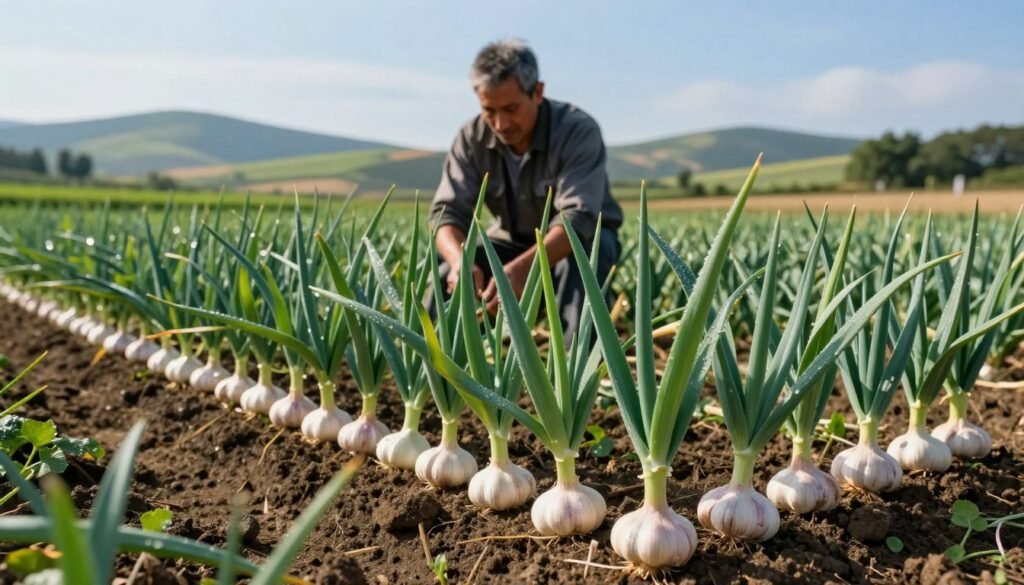
Garlic stands out as a low-labor, high-return crop. Plant cloves in late fall or early winter and plan to harvest in mid-July after curing. The Music variety often earns top marks, but check with local extension agents to pick the best variety for your soil and climate.
Borage is a top plant to support hive health. Its blue flowers produce abundant nectar and pollen, feeding bees across the season and boosting pollination rates for nearby fruit and herbs.
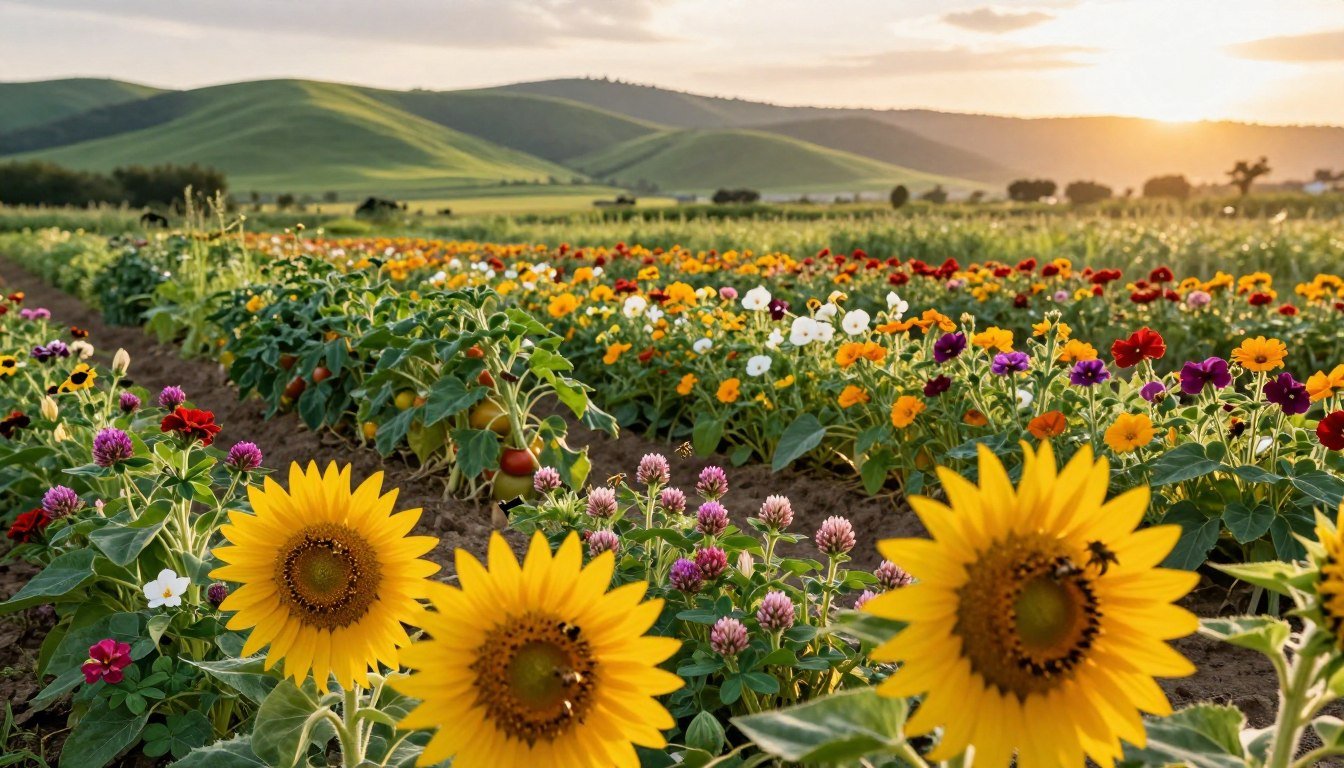
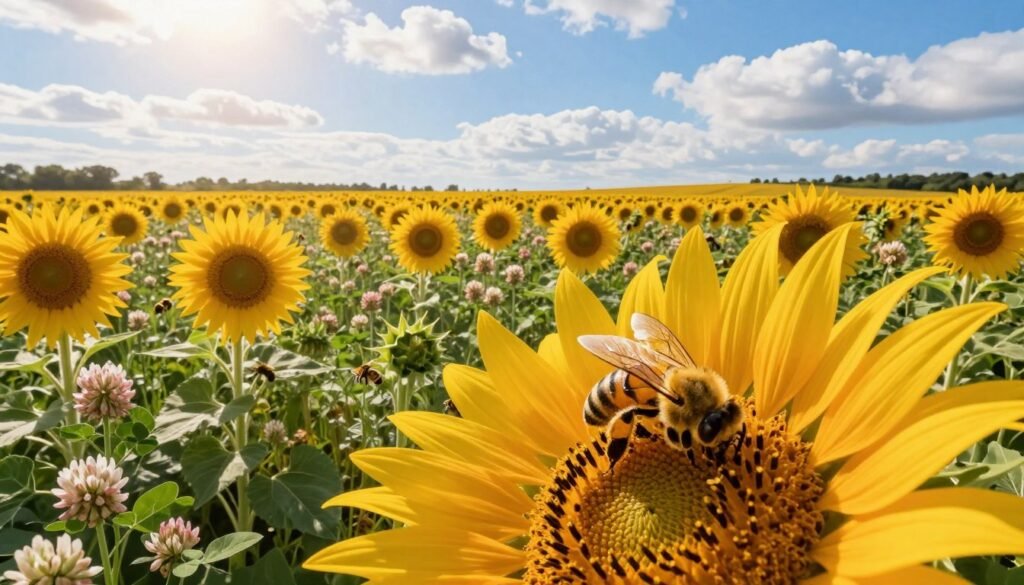
Sunflowers shine in summer when other nectar sources fade. They supply both pollen and nectar and attract steady bee activity. Include rows near market beds to keep pollinators working through hot weeks.
- Garlic: low input, late-fall planting, mid-July harvest.
- Borage: continuous nectar and pollen; supports bee health.
- Sunflowers: summer resource that sustains pollinator production.
Integrating these plants helps meet local market demand and keeps customers returning across the year. For a deeper look at profitable options in protected production, see most profitable crops in CEA, and for guidance on habitat setup, consult this pollinator-friendly property guide.
High-Yield Vegetable Varieties for Intensive Planting
Smart spacing and timing let a small garden deliver market-ready harvests all season. Intensive beds focus on volume per square foot, so plan rows and narrow aisles to maximize use of limited space.
Intensive Bed Preparation
Prepare beds with deep, friable soil and steady fertility to support tight spacing. Use pelleted carrot seed to get precise spacing and avoid thinning, which saves time in the busy planting week.
Start beets under lights and transplant them into prepared beds or into the greenhouse. Transplants establish faster and give an earlier harvest in summer and fall.
Greenhouse Timing
Use the greenhouse to push production of mini ‘lunchbox’ sweet peppers. Support each plant with a small tomato cage to keep fruit clean and easy to pick.
Mixed-color baskets of small peppers sell well at market. Combine tight bed planning, pelleted seed, and greenhouse timing to raise production and profit per bed.
See habitat and planting timing tips at benefits of planting wildflower strips to complement production and extend your season.
Profitable Berries and Specialty Fruits
Careful choice of berries and specialty fruit lets growers stretch a season and attract returning customers.
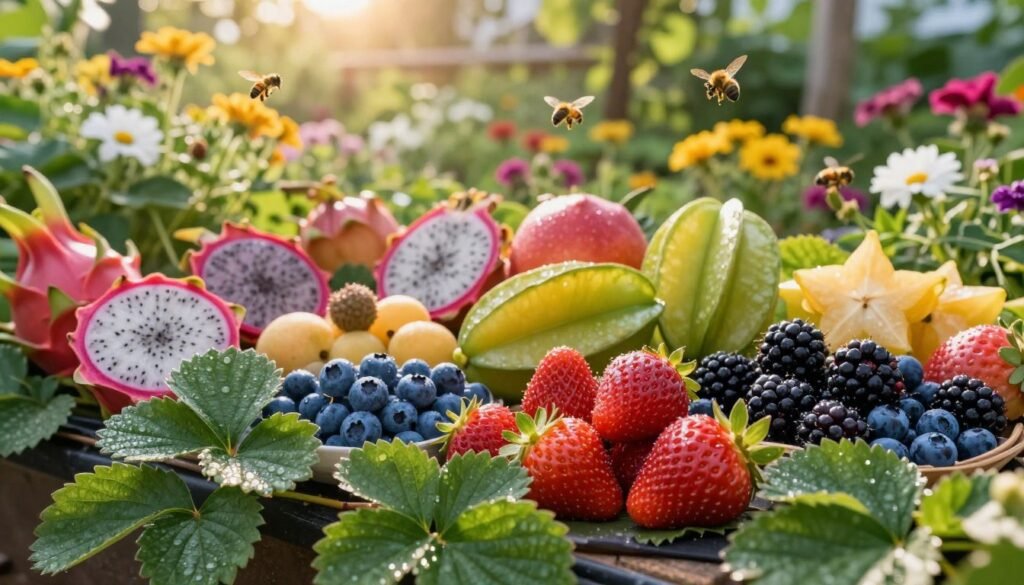
Strawberries remain a high-return crop when managed with multiple varieties, mulch, row cover, and overhead irrigation.
Just Farms in Alexandria hires about seven field workers each summer to handle this intensive system and protect weekly harvests.
Systematic Harvesting
Set routines keep fruit quality high and labor predictable.
“Consistent pick schedules and variety rotation extend sales and stabilize prices across the season.”
- Map varieties to early, mid, and late season to spread harvest weeks.
- Use row covers and shade on hot days to protect flavor and color.
- Train seasonal staff and record yields to refine next year’s plant choices.
| Fruit | Market Edge | Labor | Notes |
|---|---|---|---|
| Strawberries | High weekly sales | Intensive | Mulch, covers, irrigation |
| Kiwiberries | Cold-tolerant niche | Moderate | Good from Florida to Minnesota |
| Goji | Superfood appeal | Low–moderate | Resilient across climates |
Quick tip: Pair seasonal berry plantings with eye-catching early items such as ‘Sunny Smile’ sunflowers to boost foot traffic and sales.
For a practical planting list and revenue ideas, see our profitable crop guide.
Culinary Herbs and Edible Flowers
Short-cycle herbs and tray-grown salad mixes let growers hit opening market weeks with fresh, high-turnover items.
Mesclun grown in trays with a soil-less mix simplifies harvest: clip, rinse, spin, and bag. This method cuts handling time and lowers labor costs compared to field pulls.
Culinary herbs and edible flowers sell well at early markets and during cool-season weeks. Oregano is hardy and supplies steady nectar to honey bees through the growing season. Coneflower (Echinacea) and zinnia boost bee activity with long blooms.
- Tray-grown mesclun speeds harvest and reduces soil work.
- Heirloom herbs and colorful blooms draw customers and increase sales.
- Oregano supports hive health while serving culinary demand.
| Plant | Peak Season | Market Note |
|---|---|---|
| Mesclun (tray) | Spring & Fall | Quick turnaround; high weekly sales |
| Oregano | Summer | Low maintenance; supports bee health |
| Coneflower (Echinacea) | Summer–Fall | Long blooms; florist and herbal demand |
| Zinnia | Summer | Bright stems; adds color to market stalls |
Gourmet Mushrooms and Niche Market Crops
Targeted production of unusual goods gives small farms access to premium market channels.
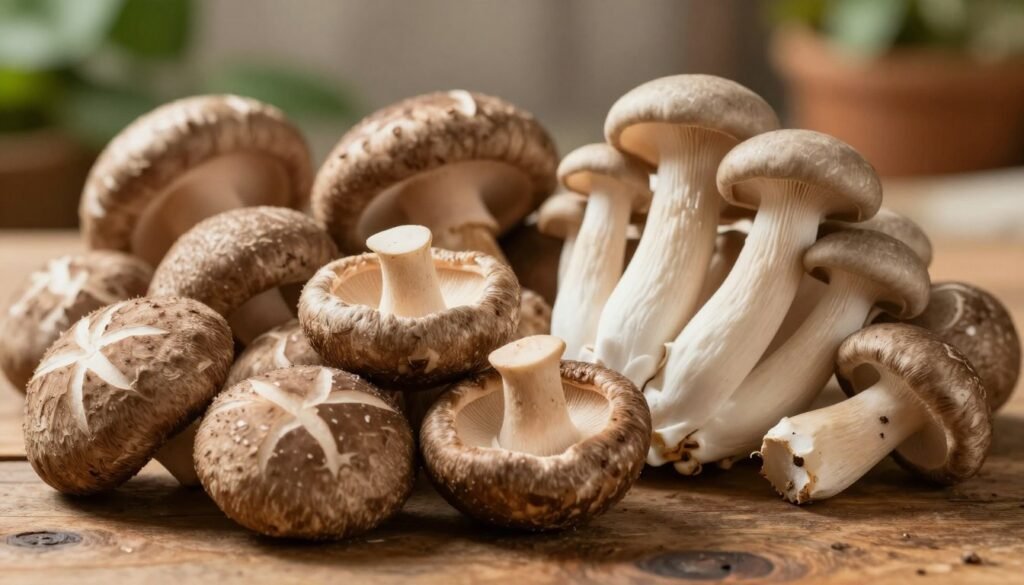
Shiitake mushrooms need little space and meet steady consumer demand. They fit stacked racks in a greenhouse and give frequent harvests with low input.
Saffron, known as “red gold,” drives very high returns per acre. It demands precise hands-on care during the bloom season but pays off when sold to specialty buyers.
“Specialty lines like hops and bamboo shoots let growers reach local breweries and ethnic markets with unique offerings.”
Hops pair well with microbreweries, and bamboo shoots open niche channels in urban markets. Unique heirloom varieties also set a farm apart with flavor and story.
- Shiitake: minimal space, steady demand
- Saffron: high-value per acre, precise cultivation
- Hops & bamboo shoots: niche market access
| Item | Space Need | Market Outlet |
|---|---|---|
| Shiitake | Low (shelves) | Chefs, CSAs |
| Saffron | Moderate (labor) | Specialty grocers |
| Hops | High (trellis) | Breweries, local markets |
Essential Management Practices for Small Farms
Good soil and careful watering set the stage for steady harvests and resilient plants.
Soil and Water Management
Deep watering encourages strong root systems. Water less often but longer to push roots deeper. That makes plants more drought resistant and supports a healthier crop.
Adequate mulching keeps moisture in the soil and cuts weed pressure. Mulch also helps bee-attracting plants thrive by keeping roots cool and stable.
Regular pruning removes dead stems and disease. This improves bloom production and keeps nectar flow steady for pollinators. Use organic fertilizers to feed plants without harming bee health.
- Deep watering promotes root depth and drought resilience.
- Mulch retains moisture, suppresses weeds, and aids soil health.
- Prune regularly to boost blooms and plant vigor.
- Use organic fertilizers to support plant nutrition safely.
- Monitor pests and disease for early action and better season success.
“Small, consistent actions in soil and water care make the biggest difference over a season.”
These management steps help growers protect their garden and greenhouse systems. They also improve chances to reach local market demand and support pollinator health. Learn more practical steps at farming with bees.
Leveraging Pollinators to Boost Farm Productivity
A planned sequence of nectar sources keeps hives busy and improves pollination of nearby plants.
Late-season flowers such as aster and goldenrod supply crucial nectar when other sources fade. This support helps colonies rebuild before winter and raises pollination rates during harvest weeks in late summer and fall.
Hardy perennials like catmint and sage bloom repeatedly and offer long foraging windows. Those plants keep bees active across the season and support steady production in the garden and greenhouse.
Maintain floral diversity to meet varying nutritional needs of bees. Different plants supply pollen and nectar that aid adult bee energy and larval health. Healthy hives mean better fruit set and higher yields on the farm.
Practical steps:
- Map bloom windows to extend forage from summer into fall and winter.
- Mix asters, goldenrod, catmint, and several sages near market beds and herbs.
- Monitor hive health and adjust plantings to support production and customer demand.
“Creating a bee-friendly environment is a smart business move that benefits production and the local ecosystem.”
| Plant | Bloom Period | Benefit to Growers |
|---|---|---|
| Aster | Autumn | Late nectar source; boosts fall pollination |
| Goldenrod | Late summer–fall | Supports colony buildup before winter |
| Catmint | Summer–fall (repeat blooms) | Long forage window; hardy perennial |
| Sage | Varied (depends on variety) | Extended nectar; pairs well with herbs and garlic beds |
For implementation ideas and habitat setup, consult a pollinator planning guide and regional tips on pollinator-friendly gardening.
Conclusion
,A clear planting plan that links bloom windows to local demand helps a garden and a farm meet steady market needs.
Focus on a small set of high-yield varieties, solid soil care, and consistent greenhouse timing to raise your chance of long-term success. Integrate bee-friendly strips and staggered plantings to keep pollinators working when it matters most.
Start by evaluating your site, map local market gaps, and adjust plant choice and labor to match peaks. Use practical tools like the cover crop guidance to add floral resources that support beneficial insects and crop health.
Take action this season: small changes in timing and soil care can improve yields and strengthen market returns across your farm.
FAQ
Which plants yield the quickest return on a small farm using pollinators?
Focus on fast-turnaround herbs like basil and cilantro, edible flowers such as calendula and nasturtium, and compact vegetables like cherry tomatoes and radishes. These require limited space, attract bees and hoverflies, and reach marketable size in weeks to a few months. Match planting schedules to local demand at farmers markets and CSA boxes to speed cash flow.
How do I assess my site to choose the right varieties?
Start with a soil test and record sunlight hours across the year. Note freeze dates and local water availability. Visit nearby markets and talk with growers to learn what sells. Use that data to pick varieties that suit your sunlight, soil pH, and season length, such as early-maturing lettuces for cool springs or heat-tolerant basil for summer sales.
What market channels should I target for higher returns?
Diversify: farmers markets, farm stands, local restaurants, and subscription boxes work well. Restaurants pay premium for specialty herbs and heirloom tomatoes. Community-supported agriculture (CSA) builds repeat customers. Offer samples and consistent quality to secure chef accounts and local grocery stores.
How can I manage pollinators to increase yields safely?
Create habitat with native wildflowers and provide water sources. Use integrated pest management (IPM) to avoid broad-spectrum insecticides during bloom. Consider renting honey bee hives from a local beekeeper for intensive bloom periods. Promote native bees by leaving small undisturbed patches and nesting materials.
Which vegetable varieties perform well in intensive beds or greenhouses?
Choose compact, high-yield varieties like determinate cherry tomatoes, salad mix greens, and compact pepper cultivars. In greenhouses, try continuous-sow lettuces and baby leaf spinach. Intensive bed preparation—rich compost and drip irrigation—maximizes production per square foot.
Are berries a good option for small operations focused on pollination services?
Yes. Strawberries, raspberries, and highbush blueberries attract pollinators and can command strong prices at local markets. Choose day-neutral strawberries for extended harvests and cultivars adapted to your zone. Plan pruning and staggered planting to balance labor and harvest timing.
Can edible flowers and culinary herbs be profitable without large land area?
Absolutely. Edible flowers and herbs thrive in small plots, containers, and greenhouse benches. They have high per-pound value, require minimal space, and sell well to chefs and farmers market customers. Harvest frequently and package attractively for best returns.
What niche products add value beyond standard produce?
Gourmet mushrooms like oyster and shiitake, specialty salad mixes, and heirloom microgreens fetch premium prices. These crops can be grown indoors or in small controlled environments, reducing seasonality and allowing steady weekly sales to restaurants and retail outlets.
How should I schedule planting to maintain steady income across seasons?
Use succession planting and season extension techniques. Sow quick crops every 2–3 weeks, use row covers and low tunnels for spring and fall production, and plan greenhouse rotations for winter herbs. This evens out harvests and keeps customers coming year-round.
What soil and water practices increase profitability?
Build soil with compost and cover crops to improve fertility and water retention. Install drip irrigation to cut water use and reduce disease. Monitor soil moisture and use mulches to stabilize temperature and suppress weeds—less labor and lower input costs increase margins.
How much space is needed to start a profitable pollinator-focused enterprise?
You can begin on as little as a 1/10-acre lot if you focus on high-value herbs, flowers, and intensive vegetable beds. Scaling up to 1–2 acres allows diversification into berries and small perennial plantings. Profitability depends more on crop choice, market access, and management than raw acreage.
What record-keeping helps maximize returns?
Track input costs, labor hours, yields per variety, and sales by channel. Record planting dates and pest or pollinator observations. Use simple spreadsheets or farm-management apps to analyze which items provide the best return per hour and per square foot.
How can I set competitive prices that cover costs and attract buyers?
Calculate all costs—seed, soil amendments, labor, packaging—and add desired profit. Research local market prices at farmers markets and restaurants. Offer tiered pricing: bulk discounts for chefs and premium packaged options for retail customers.
Are heirloom varieties worth growing for pollination-focused farms?
Heirlooms can command higher prices and offer unique flavors and colors that attract specialty markets. They may require more attention for disease resistance, so balance heirloom plantings with reliable modern varieties to protect yields and cash flow.
How do I find reliable buyers for specialty items like microgreens and edible flowers?
Network with chefs, caterers, and local food co-ops. Offer trials and short-term contracts. Use social media and a simple website to showcase product photos and availability. Strong relationships and consistent quality turn one-off sales into regular accounts.