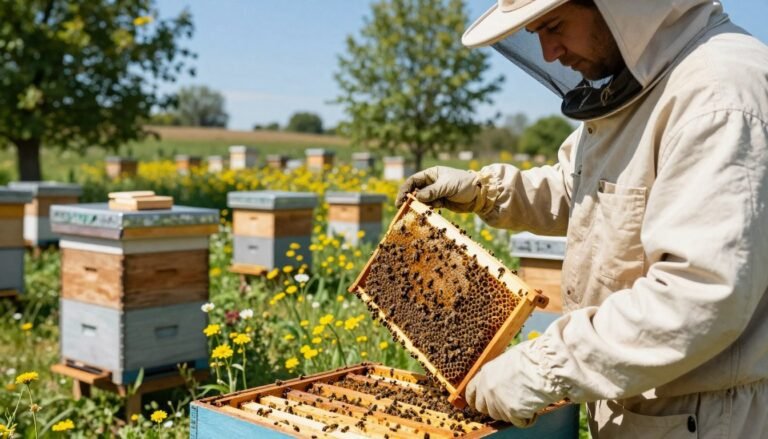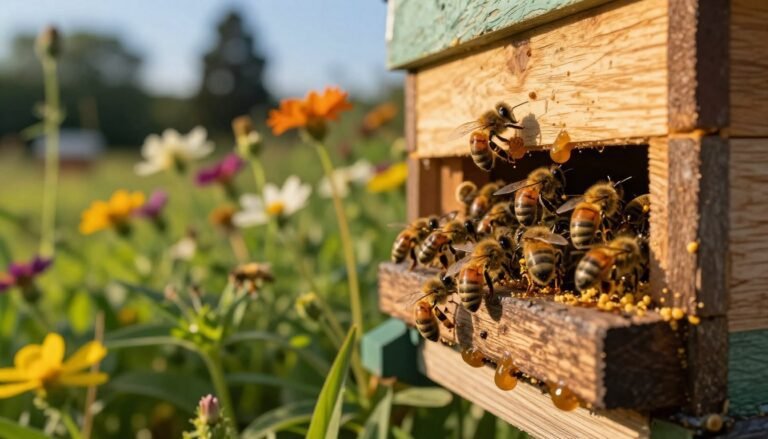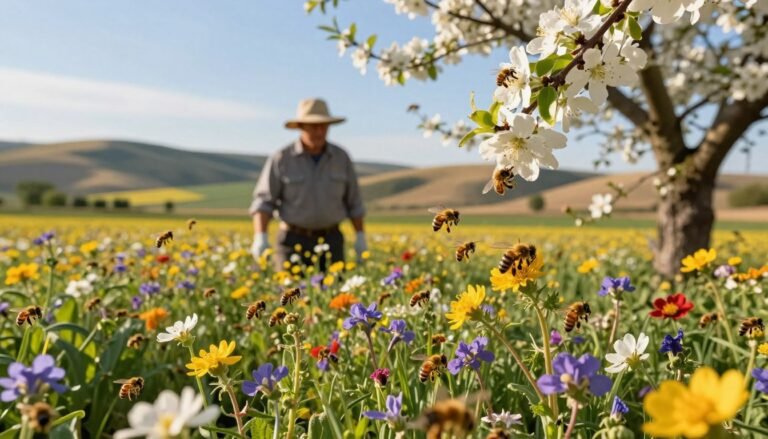
This brief guide outlines simple, effective methods to add a small hydration station that supports local pollinators. It explains why consistent access to liquid is vital and how to design a safe feature that reduces drowning risks.
Many beneficial insects, including bumble bees (Bombus spp.), visit shallow basins and bird baths during warm months. The Xerces Society notes that modest features can boost survival and activity among native bees. This introduction covers key goals and practical considerations you can apply in a suburban or urban garden in the United States.
We focus on easy maintenance, species-friendly design, and tips to keep visitors safe while watering.
Key Takeaways
- Consistent access helps pollinators maintain energy during hot spells.
- Use shallow areas and landing materials to prevent drowning.
- Even small features recommended by the Xerces Society make a measurable difference.
- Regular cleaning and fresh liquid keep stations healthy for visitors.
- Design with local species in mind; bumble bees often use low basins and baths.
Why Pollinators Need Reliable Water Sources
Access to shallow drinking spots helps many beneficial insects maintain energy during hot days.
Metabolic Needs of Beneficial Insects
Bees such as bumble bees and digger bees visit nearby basins to drink and cool their bodies. These visits support flight, brood care, and daily metabolism. Butterflies also sip moisture and extract salts from wet soil, supplementing nectar intake.
Seasonal Scarcity Challenges
Natural puddles and small ponds can disappear in dry spells. That leaves pollinators and other species without a reliable source of liquid. Dragonflies and damselflies rely on aquatic habitat during their immature life stage, so loss of standing areas affects reproduction.
- Consistent sources boost activity among beetles, birds, and bees.
- Providing easy access reduces stress during hot months.
- Safe, shallow designs cut drowning risk and help more species use the feature.
| Group | Why they use liquid | Critical need |
|---|---|---|
| Bees | Cooling, diluting food, brood care | Shallow drinking areas |
| Butterflies | Minerals and salts from mud | Moist soil or puddles |
| Dragonflies | Aquatic juvenile stage | Stable aquatic habitat |
For practical guidance on landscape options, see this pollinator guide.
Essential Components for a Water Setup for Temporary Pollination Yards
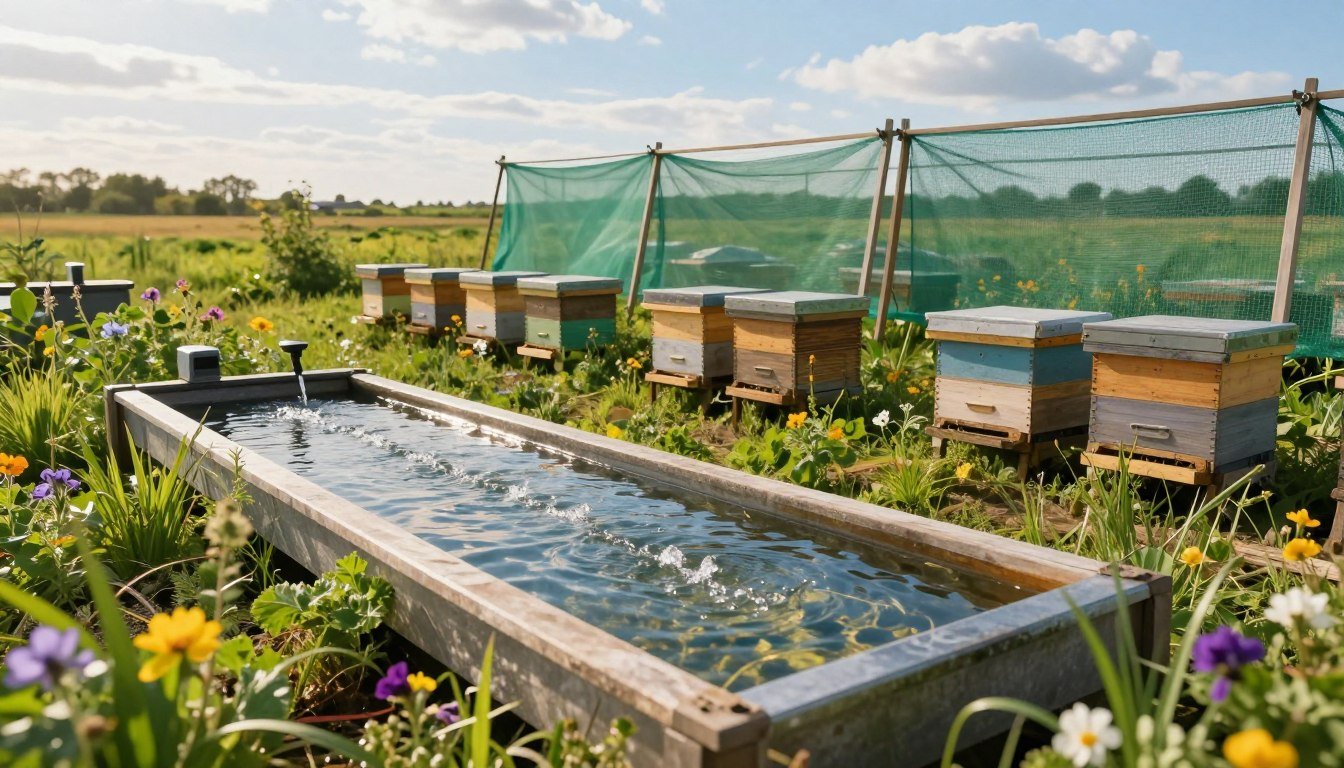
A compact drinking station needs a clear reservoir, an easy route, and a shallow basin to be effective.
Reservoir: Holds a fresh source and feeds the basin steadily. Place it near nectar-rich plants to make a central hub that pollinators will use while foraging.
Pathway: A gentle channel or tube keeps flow constant. Even a slow trickle helps avoid stagnation and supports regular watering without strong currents.
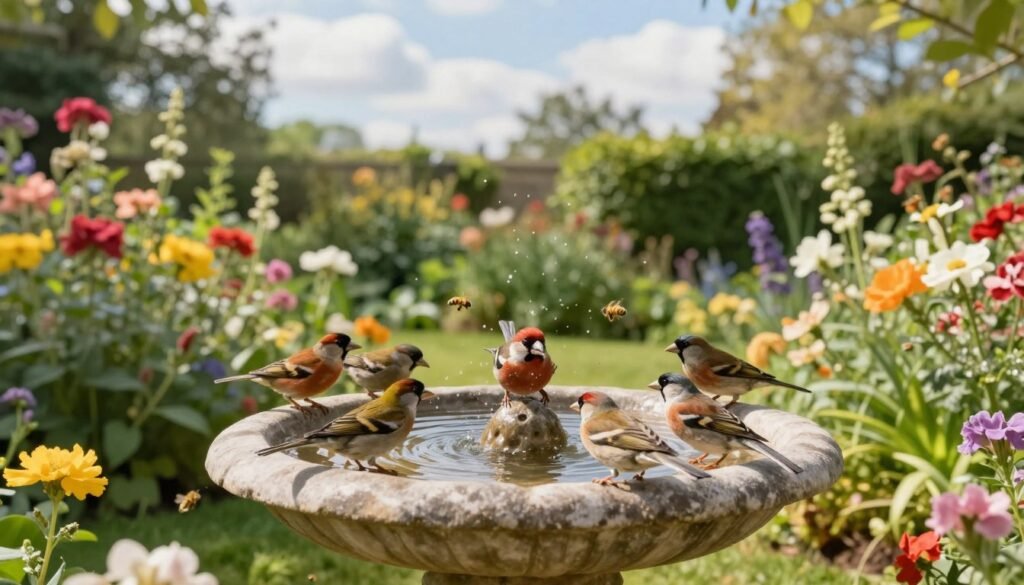
Basin and landing: Use a wide, shallow bird bath or dish filled with pebbles, corks, or a shallow bowl with stones. These provide grip and safe access for bees, butterflies, and other insects.
- Materials: Choose non-toxic, durable materials that resist algae and heat.
- Consider Jen Rose’s porcelain Bee Cups with textured surfaces to reduce drowning risk and attract insects.
| Component | Function | Quick tip |
|---|---|---|
| Reservoir | Stores fresh source | Place near nectar plants |
| Waterway | Delivers gentle flow | Use slow trickle or wick |
| Basin | Safe access and landing | Wide, shallow, with pebbles |
Selecting the Ideal Location for Your Water Station
Choose a bright, sheltered corner next to flowering plants so visitors can land and sip. Sunlit spots warm insect bodies and make insects like bees more active during cool mornings and cooler afternoons.
Shelter matters. Protect the area from strong gusts so delicate butterflies and other pollinators can approach without being blown off course. A low hedge or fence can block wind while keeping the site visible.
Placement tips
- Place the dish near nectar-rich plants so the source is easy to find during foraging.
- Elevate the dish on an overturned pot to keep crawling predators away and give birds a clear perch.
- Pick a spot you can reach easily to refill and clean the source on a regular schedule.
“A well-chosen location turns a simple basin into a reliable habitat feature.”
Practical note: If you want step-by-step guidance on building a safe basin, see this make bee waterer.
Designing a Safe Landing Zone for Insects
A well-textured landing area keeps beetles and bees steady while they take a drink.
Use coarse materials such as sand, stones, or coconut coir to create non-slip surfaces inside a shallow dish. These textures give tiny feet purchase and cut drowning risk.
Mason bees (Osmia spp.) and paper wasps (Polistes spp.) collect moisture to make mud. Allowing a slight overflow into a shallow patch of soil creates material they can use.
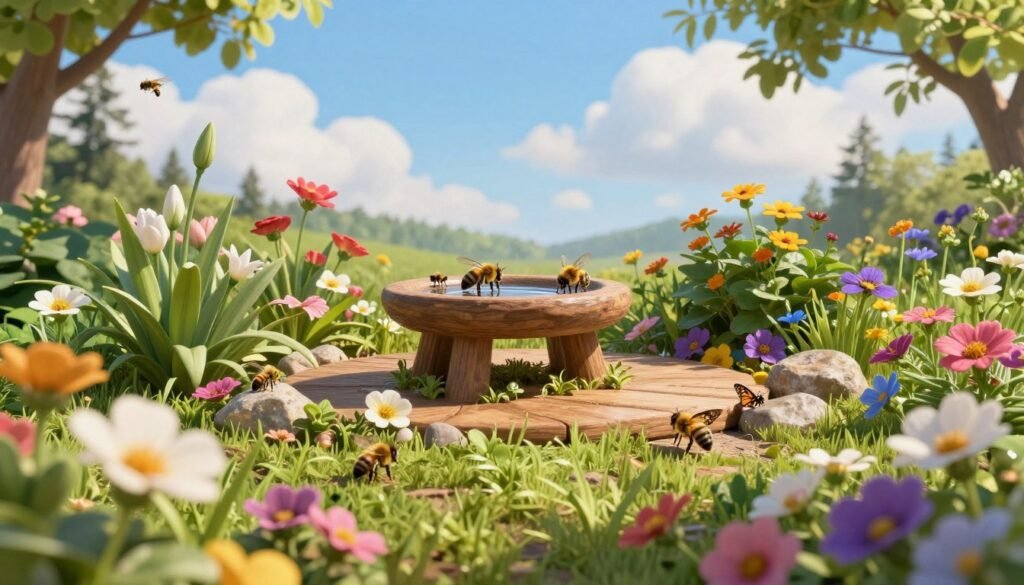
Make the landing area broad enough to let butterflies and other pollinators feed without crowding. A wider basin reduces conflict and makes access easier.
“Prioritizing safety turns a simple dish into a reliable habitat feature.”
- Rough surfaces: sand, pebbles, cork, or textured ceramic.
- Mud access: allow controlled overflow to form damp soil patches.
- Shelter: place near low plants to reduce wind and predator risk.
| Design Element | Purpose | Quick Tip |
|---|---|---|
| Textured basin | Grip and stability for insects | Use coarse sand or small stones |
| Shallow overflow area | Source of mud for mason bees and wasps | Keep soil damp but not pooled |
| Wide landing zone | Reduces crowding and stress | Choose a dish at least 8–10 inches wide |
For step-by-step guidance on creating a safe bee resource, see how to create a bee water.
Preventing Mosquito Breeding in Your Garden
Standing pools of liquid left unchecked can become breeding grounds in just seven days. This section shows simple steps to protect people and pollinators while keeping a small hydration feature safe.
Managing Still Water
Empty any container that can hold rain. Mosquitoes can breed in as little as a bottle cap in about a week.
Dumping and refreshing a bird bath or dish at least once every few days stops larvae before they start.
- Remove or tip out buckets, pots, and toys after storms.
- Refresh larger basins at least once a week and scrub surfaces to break eggs and algae.
- Cover rain barrels with fine mesh to keep adults out while keeping usable reserves.
Natural Predators
Encourage dragonflies, minnows, and frogs to patrol larger features. These predators control mosquito numbers without pesticides.
“Healthy habitat balance reduces risk of human exposure and supports pollinators.”
Keep maintenance simple: check the area during routine watering and give basins a quick rinse every few days to protect the whole yard and its pollinators.
Incorporating Minerals and Nutrients
Small mineral patches or muddy edges can turn a simple basin into a vital nutrient stop for many pollinators.
Why minerals matter: Many insects need sodium and nitrogen that nectar and plain water lack. Butterflies often visit puddles to sip salts that support mating and egg production.
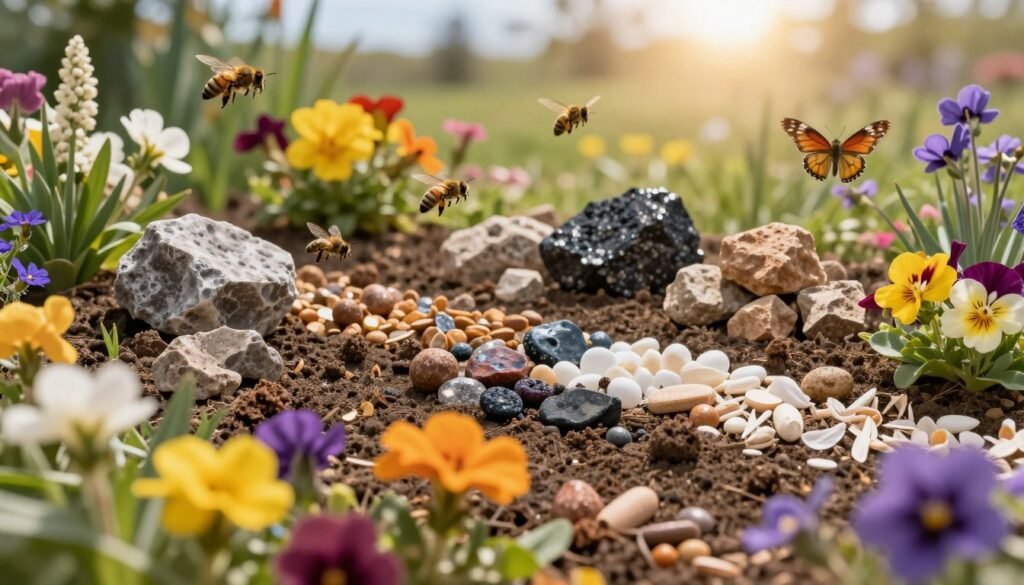
You can boost a station by adding tiny amounts of sea salt, crushed seashells, or nutrient-rich soil to a shallow patch. These materials release dissolved ions that bees and other visitors can absorb while sipping.
- Mix sparingly: start with a pinch of sea salt per cup of liquid or a thin layer of crushed shells along the edge.
- Offer mud patches: damp soil near the dish creates natural puddles where butterflies gather minerals.
- Replenish often: replace materials after heavy rain or every few days during active periods.
| Element | Benefit | Quick tip |
|---|---|---|
| Sea salt | Provides sodium | Use very small amounts |
| Crushed shells | Slow-release minerals | Scatter at basin edge |
| Damp soil | Source of nitrogen | Keep moist, not pooled |
Strong mineral provisioning helps sustain pollinators during high activity and supports healthy feeding and breeding in your garden.
Choosing Between DIY and Commercial Waterers
Repurposed containers like a 2‑liter bottle or a rubber chicken water bowl can serve as inexpensive reservoirs when you add a shallow dish and textured landings. These DIY builds work well in a small garden and let you control materials and drainage.
Commercial units such as gravity-fed pet waterers reduce daily work. They hold a steady supply and cut refills. Choose a model with a removable basin or dish so you can add rocks, corks, or pebbles to keep bees and butterflies afloat.
- DIY advantage: cheap, customizable, and often made from recycled bottles or jugs.
- Commercial advantage: reliable flow, larger reservoirs, less frequent topping off.
- Both: must prevent mosquitoes by using mesh, regular cleaning, or constant movement.
Place whatever you choose in a calm, sunny spot near native plants so pollinators can find it easily. For step-by-step guidance on creating a pollinator-friendly area, see how to build a pollinator garden at.
Maintaining Clean Water for Pollinator Health
A clean water source protects local insects and makes your garden a safer habitat. Providing clean water helps pollinators and reduces disease exposure.
Daily attention during hot spells is key. Empty and refill a bird bath or shallow basin every day when temperatures climb. At other times, refresh the dish every few days to keep the liquid fresh and clear.
Sanitize using white vinegar and a moderate brush. This removes biofilm and bacteria without harsh chemicals that harm bees or birds. Rinse well and replace with fresh liquid before the next active day.
- Maintain clean water: prevents mosquitoes and lowers disease risk for pollinators.
- Use safe materials: avoid soaps or bleach on any basin or bird bath.
- Keep access easy: place the dish where you can reach it to refill and scrub.
Regular cleaning and simple routines support long-term pollinator health. For more detailed guidance on sanitizing feeders, see cleaning feeders between colonies.
Observing Wildlife Activity at Your Station
Watching a basin over several mornings reveals surprising routines of beetles, toads, and solitary bees.
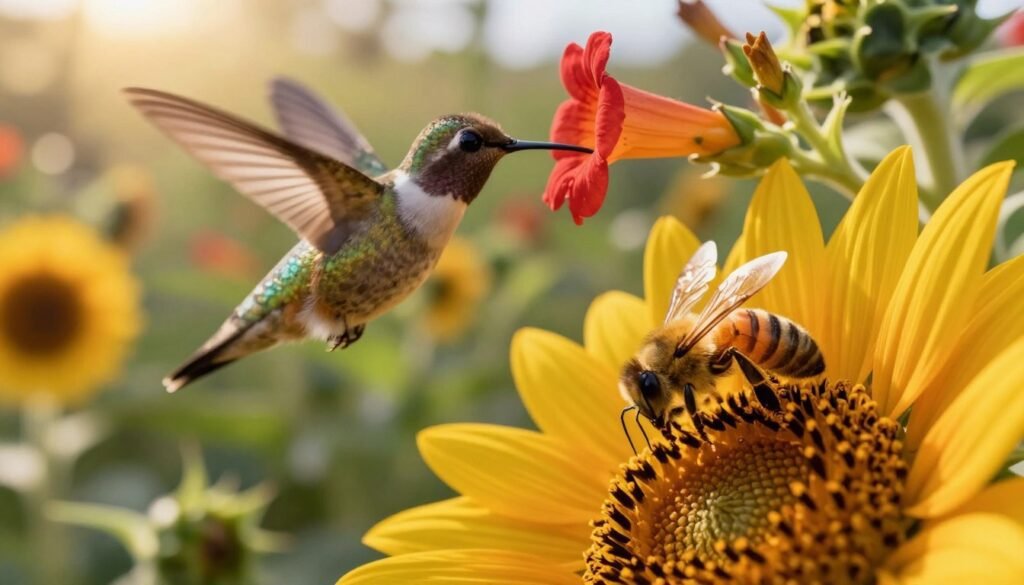
Careful observation rewards patience. Sit quietly and note which pollinators visit and when. Record visits to learn peak watering times and preferred locations.
Digger bees (Anthophora spp.) may make up to 80 trips a day while softening soil during nest excavation. That intense activity shows how vital a reliable source can be to nest-building life.
- Watching provides a rich, hands-on experience with bees, butterflies, and other insects.
- Over the years you will see different beetles and amphibians use the area as habitat.
- Documenting sightings helps you understand species patterns and improve the spot’s placement.
“A well-placed station becomes a living laboratory in your garden.”
| Observer Goal | What to Note | Why It Matters |
|---|---|---|
| Daily visits | Time of day and visitor type | Reveals peak activity and best watering windows |
| Species tally | Bees, butterflies, beetles, amphibians | Tracks habitat use and diversity over years |
| Behavior notes | Carrying, sipping, mud collection | Shows how the source supports nesting and feeding |
Troubleshooting Common Setup Issues
Small design changes often stop foul odors and deter insect pests from taking over a dish.
If the station smells rotten, dump the liquid and refill immediately. Fresh replacement keeps clean water available and lowers disease risk for pollinators and bees.
Adjust flow and angle of any delivery tube to avoid pooled spots that attract mosquitoes. A gentle trickle or slight slope prevents standing puddles and keeps the watering system moving.
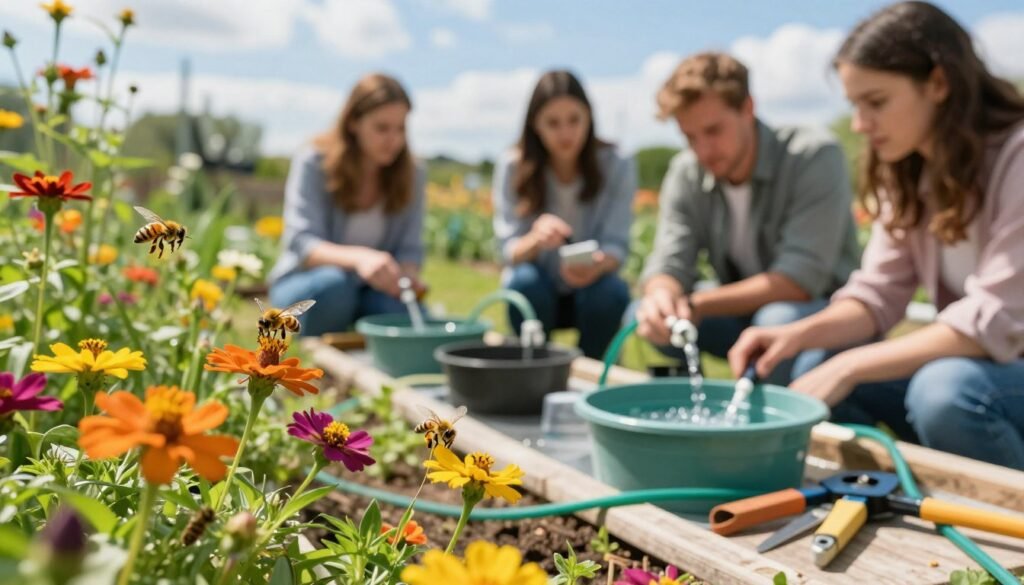
- If pollinators stop visiting, try moving the dish closer to nectar plants and change landing materials to sand or small stones.
- Watch for algae and a foul smell; scrub and refresh the supply at least once a day during hot periods.
- If the basin holds too much liquid, add more gravel or cork to improve drainage and reduce stagnant pockets.
- Troubleshoot mosquito risks by increasing flow or covering large reservoirs with fine mesh.
Proactive checks keep your water source safe and reliable. For broader design tips, see guidance on design and plant water-conscious gardens and a small-scale apiary planning guide to align placement with local bee activity.
Conclusion
Thoughtful design and routine care turn a dish into a lasting habitat resource.
Creating a small, reliable water feature is an easy, high-impact way to support local pollinators. Regular cleaning and gentle design cut the risk of mosquitoes while keeping the source safe and inviting.
Observe and adjust—watch who visits and tweak landing materials, placement, or minerals to improve the site’s success. Small changes boost diversity and help bees, butterflies, and other visitors thrive.
We hope this guide improved your garden experience and gave you the confidence to add a durable resource. Learn more about building habitat in a pollinator meadow.
FAQ
What basic supplies do I need to provide a reliable water source for pollinators?
Provide shallow basins, clean stones or marbles as landing pads, a small drip or bottle reservoir, and a secure tray to prevent spills. Use materials like ceramic dishes, saucers, or shallow plant trays and add pebbles so bees, butterflies, and beetles can access moisture without drowning. Place a separate shallow bowl for birds if space allows.
How often should I refill small basins to keep insects and birds hydrated?
Check levels daily in hot weather and every two to three days in mild conditions. Evaporation and animal use vary with temperature and sun exposure, so adjust frequency. Refill before reservoirs run dry to maintain consistent access for bees, butterflies, and other beneficial insects.
How do I prevent the basins from becoming mosquito breeding sites?
Keep water moving or change it frequently. Use a small solar bubbler, a dripping bottle, or replace standing liquid every 48–72 hours. Add a few predatory insect larvae—like mosquito-eating dragonfly nymphs—in larger ponds, or introduce native fish such as mosquito fish in permitted jurisdictions. Avoid stagnant containers left unattended.
Where should I place the station to attract the most pollinators while keeping wildlife safe?
Choose a partly shaded spot near flowering plants and sheltered from strong winds. Place basins on stable surfaces close to nectar sources, but not directly in intense midday sun. Elevated platforms or low pedestals keep amphibians and dogs from disturbing the site while providing easy access to bees, butterflies, and birds.
Can I add salts, minerals, or sugar to improve the attractiveness of my basins?
Small amounts of dissolved minerals can help bees and other insects; a pinch of salt or a mineral block nearby works better than sugary mixtures in water. Avoid high concentrations of sugar, artificial sweeteners, or salts that could harm pollinators. Offer nectar-producing plants as a natural nutrient source.
Are commercial waterers worth buying, or should I make my own?
Both work. Commercial pollinator baths and bird drippers offer durable designs and built-in perches. DIY solutions—shallow dishes with stones, repurposed saucers, or a capped bottle drip—are inexpensive and customizable. Choose based on budget, site size, and maintenance willingness.
How do I clean the containers without harming pollinators?
Empty and scrub basins weekly with a brush and mild detergent, rinse thoroughly, and refill with fresh liquid. For algae or biofilm, use a 10% bleach solution, rinse well, and allow to air-dry before refilling. Clean more often during warm months to reduce pathogens.
What can I do if bees are avoiding my station?
Check depth and landing options—bees need shallow access and solid perches. Move containers closer to flowering plants, add flat stones, and ensure water is fresh. Avoid pesticide drift nearby and provide a mix of sun and shade so insects can thermoregulate while drinking.
How do I balance access between birds and insects without conflict?
Offer separate containers at different heights. Place a small shallow dish low to the ground with stones for insects, and a larger birdbath on a pedestal for birds. Staggering locations reduces competition and keeps insect basins calmer and safer.
What signs indicate contamination or disease risk at the station?
Cloudy or foul-smelling liquid, excessive algae, dead insects near the basin, or visible biofilm suggest contamination. If you observe sick or dead pollinators, stop use, disinfect containers, and consult local extension services for guidance on disease monitoring.
How can I make the station seasonally appropriate from spring through fall?
In spring and summer, keep basins shallow and check daily. In hot midsummer, add shade during peak heat. In fall, maintain fresh water and reduce exposure to frost; bring small containers indoors overnight when temperatures drop below freezing if needed. Adjust placement as flowering plants shift through the season.
Are there legal or ecological considerations when adding fish or predatory insects?
Yes. Only introduce native species permitted in your area. Nonnative fish can harm local ecosystems. Check state and local regulations before adding fauna. For small garden stations, rely on mechanical controls (bubblers, regular changes) rather than introducing new species unless you’re using an established pond managed appropriately.
How can I minimize the risk of dogs, cats, or children disturbing the site?
Place basins on raised stands or use heavy, stable containers that resist being tipped. Position stations away from play areas and use subtle fencing or decorative rocks to deter pets. Educate household members about the importance of leaving the site undisturbed.
What materials best resist algae and require low maintenance?
Glazed ceramic, stone, and thick plastic with UV protection resist algae growth better than porous materials. Dark-colored containers heat faster, increasing algae; choose lighter tones and provide partial shade. Regular cleaning remains essential regardless of material.
How do I observe pollinator use without stressing wildlife?
Watch quietly from a distance or use a camera on a timer. Limit direct handling and avoid sudden movements near the station. Note time of day and species activity to fine-tune placement and maintenance without causing disturbance.