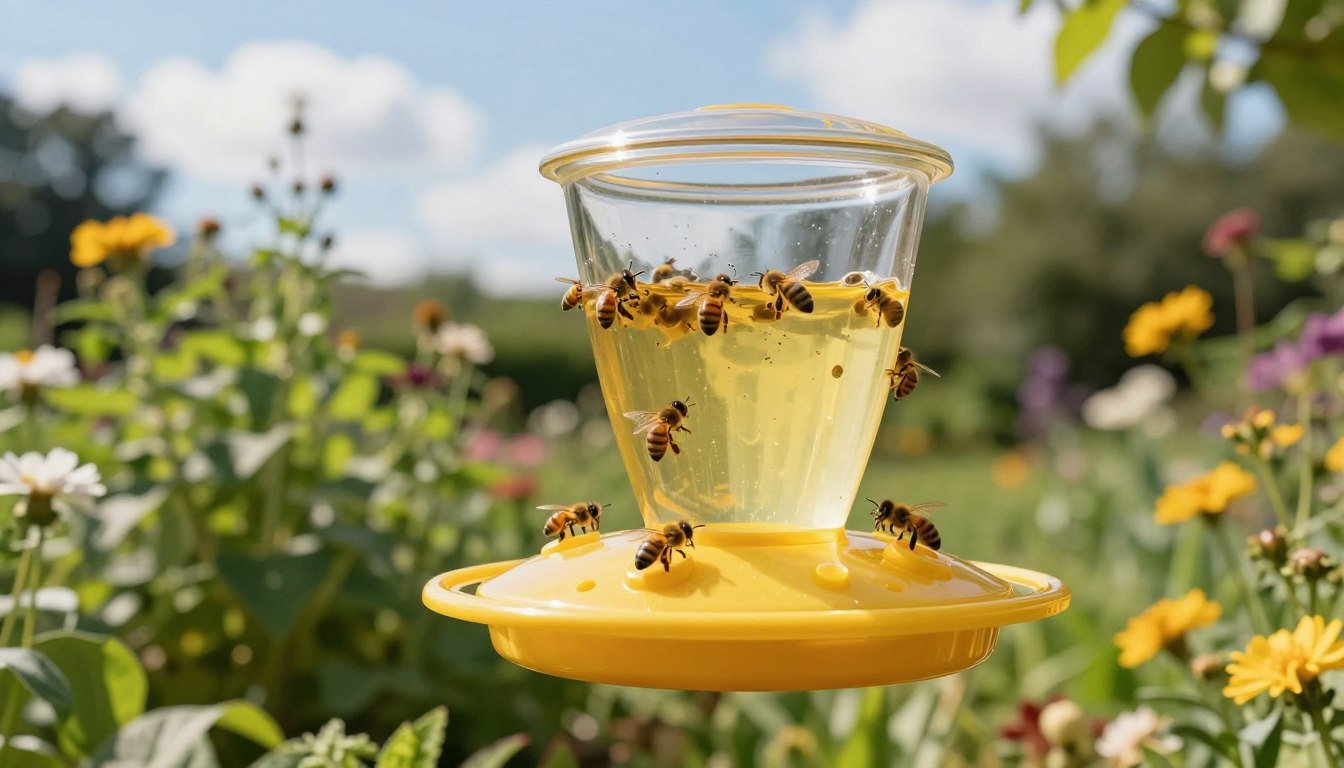
Scott Derrick published a clear guide on March 24, 2025 that explains how a simple bucket bee feeder can support local pollinators. This short introduction shows why correct holes and the right lid matter for safe feeding and steady sugar water access.
Creating a reliable feeding station in your yard helps attract many bee species. A durable plastic bucket holds food without quick wear. Proper planning prevents drowning and contamination so bees remain active through the season.
When you get started, you also gain a chance to observe bee behavior near your hive and learn how feeding supports honey production. For step-by-step drilling tips and recommended hole spacing, see the full bucket bee feeder guide.
Key Takeaways
- Bucket bee feeders provide steady food and support pollinators in your yard.
- Use a sturdy plastic bucket to prevent leaks and extend service life.
- Correct hole placement and a secure lid reduce drowning and contamination risks.
- Supplying sugar water helps keep bees active and can boost honey production.
- Following simple construction tips lets you safely observe bees near your hive.
Understanding the Mechanics of Bucket Bee Feeders
A bucket-based approach is a simple, open feeding method that lets many bees share a steady supply of sugar water without opening hive boxes.
Charlotte Anderson of Carolina Honeybees notes this technique is useful during nectar dearths. It delivers large volumes of syrup to active foragers and supports several hives at once.
“Open feeding provides large amounts of feed to bees across multiple colonies while reducing daily hive disturbance.”
- Scalable: a standard 5-gallon bucket serves many bees and simplifies feeding for busy beekeeping operations.
- Accessible: multiple bees from different hives can drink at the same time in an open area.
- Monitoring: a consistent food source helps you watch colony health and spot issues early.
This type is not as economical as inside hive systems but wins for speed and ease. For detailed construction and placement tips, see the bucket bee feeder guide and a practical best frame feeder review.
Essential Materials for Your Feeding System
A well-chosen container and basic tools let you support multiple hives with minimal fuss.
Selecting the Right Bucket
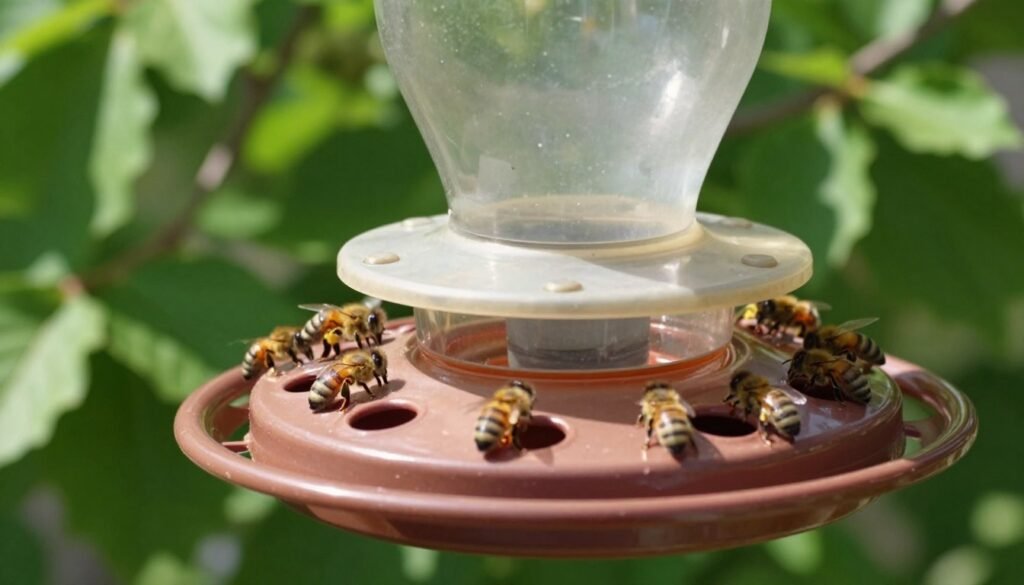
Choose a food-safe 5-gallon plastic bucket as your primary container. A standard 5-gallon bucket gives capacity that suits several hives while staying manageable to move.
Pick a bucket with a reinforcement rib so it holds sugar water steadily if you invert or suspend it. A plastic bucket reduces corrosion and keeps feed clean.
Necessary Tools
Gather a 1mm drill bit and a reliable drill. Use drill bits that let you create precise openings so bees can access syrup without excess spillage.
Include a sturdy cover to protect the sugar water from debris and pests. For smaller needs, a mason jar can serve as an alternate jar-style bee feeder near an individual hive.
- 5-gallon, food-safe plastic bucket with reinforcement rib
- 1mm drill bit and drill for small, precise openings
- Sturdy cover to protect feeding solution
- Mason jar or jars for smaller-scale feeding
| Item | Why it matters | Recommended spec |
|---|---|---|
| Bucket | Capacity for many bees and easy handling | 5-gallon, food-safe plastic, reinforced rib |
| Drill & bit | Create controlled openings to limit spills | Electric drill with 1mm bits; use drill carefully |
| Cover | Prevents contamination and pests | Sturdy plastic or screw-top that seals |
| Mason jars | Alternate for single hives or test runs | Clean jars with simple perforated cap |
Gathering these materials ahead of time keeps the build quick and safe. For product choices and seasonal options, see this guide to the best bee feeder for fall.
Pail Feeder Hole Size and Lid Setup
Small details in the top of a bucket determine how well your feeding station works. Use precise openings and a tight cover to let bees access syrup while avoiding spills.
Determining Ideal Hole Diameter
Drill approximately 1/4 inch openings into the top of a 5-gallon plastic bucket. This diameter gives bees easy access to sugar water without large splashes.
Space the openings about 2 inches apart so several bees can drink at once without crowding.
Drilling Techniques for Plastic
Use a sharp bit and steady pressure when you use drill to make holes. Slow speed reduces the chance of cracking the plastic.
Deburr each cut so edges do not trap syrup or damage wings. Test with plain water to confirm the vacuum holds and the flow is controlled.
Securing the Lid
Tighten the cover firmly to create a partial vacuum. That vacuum prevents the bucket sugar water from pouring out all at once.
- Fill bucket components with a funnel to avoid spills.
- Mix syrup at a 1:4 sugar to water ratio to attract bees without overwhelming them.
- Check seals periodically and reseat the cover after refilling.
| Step | What to do | Why it matters |
|---|---|---|
| Mark openings | Layout dots 2 inches apart | Prevents crowding and shared access |
| Drill holes | Use 1/4 inch, slow speed | Reduces cracking, controls flow |
| Seal lid | Tighten cover to form vacuum | Stops leaks and limits syrup loss |
For practical examples and a ready plan for a bucket bee feeder, see this bucket feeder guide. Following this method creates a reliable, safe feeding option that works much like an internal pail feeder inside hive covers.
Preparing the Sugar Water Solution
Preparing syrup correctly ensures bees gain energy without harming hive health.
Mix at a 1:4 ratio: stir one part sugar into four parts warm water until fully dissolved. This concentration gives foragers the energy they need without stressing brood development.
Let the solution cool completely before you fill bucket components. Hot liquid can warp plastic and harm bees that sip too soon.
Small additions like a teaspoon of honey or a drop of vanilla extract may help attract early-season bees. Use these sparingly to avoid contamination.
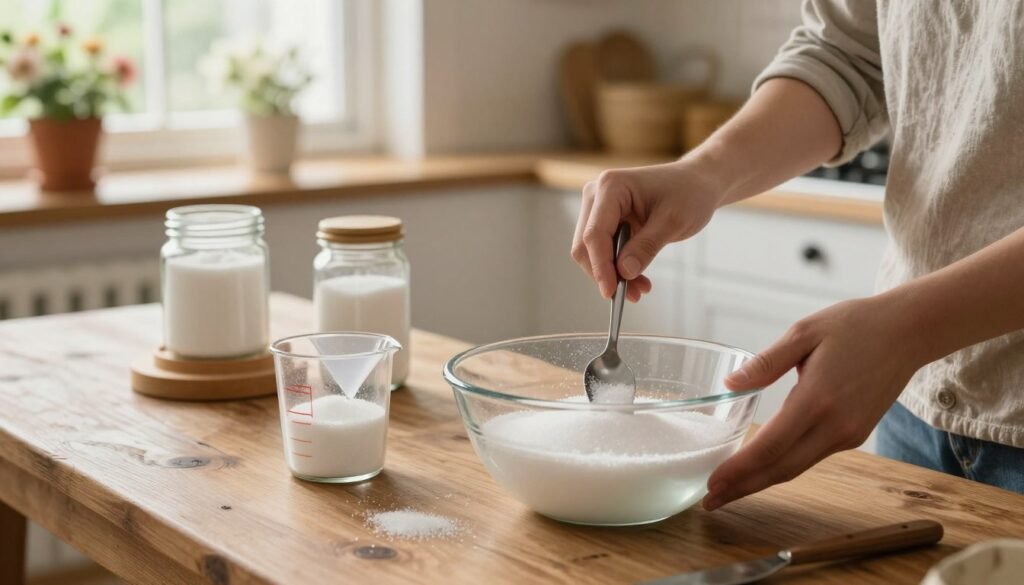
- Use a funnel to fill bucket containers and reduce spills that draw ants.
- Fill the bucket to about three-quarters full to maintain the vacuum that controls flow.
- Refresh the sugar water often and discard any syrup that shows mold or fermentation.
Final checks: make sure the syrup is cool and clean before closing the lid. Regularly refreshed sugar water keeps bees returning and supports healthy hives through the season.
Strategic Placement for Optimal Bee Health
Where you locate a bucket can make the difference between calm feeding and colony conflict. Thoughtful positioning protects weaker hives and keeps foragers focused on the food source.
Avoiding robbing behavior starts with distance. Place your bucket bee feeder at least 100 feet away from your hives. That gap lowers the chance stronger colonies will find and attack weaker ones.
Avoiding Robbing Behavior
Keep the station at least 3 feet above ground in your yard. Elevated placement deters ants and small predators while making the sugar water easier to see.
- Set the bucket away from hive entrances to reduce aggressive flights.
- Choose a sunny spot — bees visit syrup more in warm, bright conditions.
- Monitor activity; if fighting increases, move the feeder further from hives.
- Use a simple routine check to judge if the sugar syrup is being used appropriately.
Practical tip: Treat the station as a nectar indicator. If your bucket bee feeder draws steady traffic, natural forage may be scarce and supplemental feeding can help the hive until blooms return.
For more on safe feeding practices, consult this feeding guide and a useful pollen trap review.
Routine Maintenance and Cleaning Protocols
Regular cleaning keeps your bucket bee feeder safe for foragers and prevents illness in your colonies. Clean the bucket once a week to stop mold and bacteria from growing in the sugar water.
Rinse thoroughly with hot water after emptying. Use a stiff brush to remove sticky residue on every surface. Scrubbing helps avoid spots that attract ants or other pests.
Replace syrup immediately if it looks cloudy or has a bad smell. In warm weather, check and refill more often since sugar can ferment or evaporate faster.
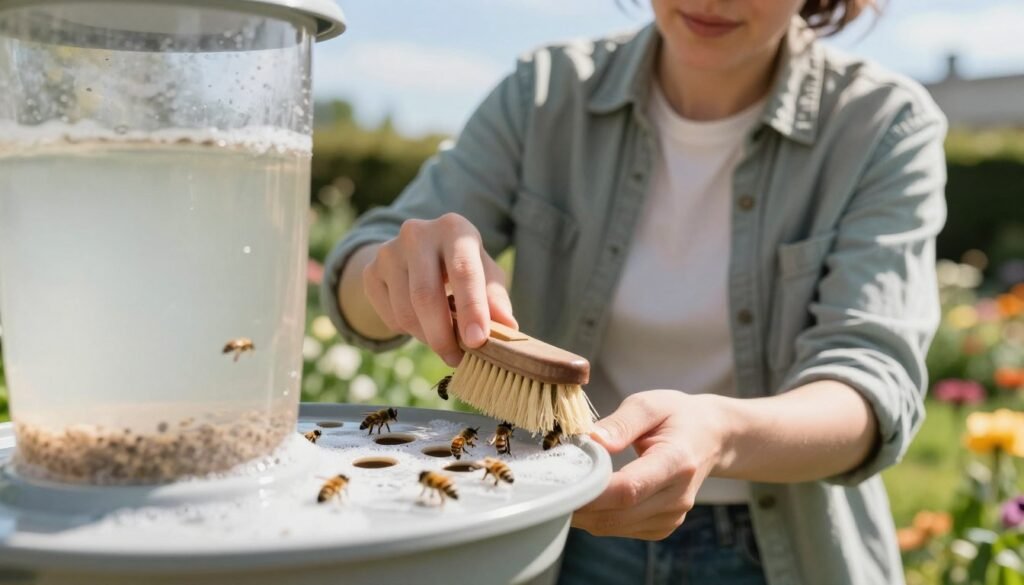
- Inspect the holes lid area during each clean to make sure access points stay clear.
- Dry parts before reassembling to limit microbial growth.
- Keep a cleaning log to track refills and any signs of disease near your hive.
“Good maintenance reduces disease risk and keeps bees foraging on clean syrup rather than contaminated sources.”
| Task | Frequency | Why it matters |
|---|---|---|
| Full rinse & scrub | Weekly | Removes sticky buildup and prevents pests |
| Syrup replacement | As needed / more in heat | Stops fermentation and mold |
| Inspect access area | Every cleaning | Keeps bees safe and feeding smooth |
Consistent care extends the life of your bucket bee system and supports local bees all season. For practical cleaning steps, see this cleaning for backyard birds, and review honey harvesting tips for broader hive hygiene.
Troubleshooting Common Feeding Challenges
Common faults with a bucket system often show up as leaks or pest visits.
Managing Leaks
Make sure the lid is tightened firmly to form the vacuum that prevents syrup loss.
If the bucket leaks after that, inspect the rim and reseat parts. Replace any warped plastic to stop seepage fast.
Dealing with Pests
Ants and wasps find spilled sugar quickly. Try a water moat or a ring of petroleum jelly to block ants.
When wasps cause problems, choose a type of station that limits access to smaller bees. Move the bucket farther from hives to reduce robbing pressure.
- If bees stop visiting, check that the holes drilled are clear of dried syrup.
- Use a mason jar as a temporary alternative when the main bucket needs deep cleaning.
- When creating new openings, use a small drill bit so dripping is minimal.
“Quick checks prevent big losses and keep foragers returning to a clean food source.”
Conclusion
A well-built bucket system offers steady nourishment to foragers during scarce bloom periods.
Support local pollinators by creating a clean, reliable bee feeder that uses a 5-gallon bucket or a simple mason jar for smaller needs. Keep sugar water fresh, check seals, and place the station away from hive entrances for calmer visits.
Regular maintenance and smart placement extend the life of your bucket bee station and protect hive health. Small steps — a careful drill job, routine cleaning, and frequent syrup changes — yield big rewards for your garden.
Ready to get started? See the detailed bucket bee feeder guide for plans and tips to build a durable, safe feeding spot that helps bees thrive.
FAQ
What is the recommended drilled opening for a bucket bee sugar-water dispenser?
For a typical plastic bucket used to feed honey bees, drill openings about 3/32″ to 1/8″ (2.5–3 mm) in diameter. These small ports allow bees to sip without drowning and reduce leakage. Place several evenly spaced holes across the lid area that will sit over the hive so multiple foragers can access syrup at once.
How should I prepare the lid and cover to prevent spills and robbing?
Use a rigid screw-top lid or a flat plastic cover and cut or drill only the small access holes described above. Add a shallow tray or inverted second lid beneath the drilled cover to catch drips and keep syrup away from the hive entrance. Paint or label the container to keep curious humans away and place the unit in partial shade to slow fermentation.
What sugar-to-water ratio should I mix for feeding adult bees?
For spring stimulation and general feeding, mix a 1:1 ratio by weight (equal parts table sugar and warm water). For emergency winter feed, use a thicker 2:1 syrup (two parts sugar to one part water). Dissolve the sugar completely while hot, cool to room temperature, then fill the container.
Can I use a mason jar or commercial plastic bucket instead of specialty equipment?
Yes. A wide-mouth mason jar with holes punched in the lid works well for small-scale feeding. For larger operations, food-grade plastic buckets with drilled lids are common. Ensure all materials are clean, free of contaminants, and not previously used for chemicals or non-food items.
What tools and method are best for drilling plastic covers cleanly?
Use a sharp twist drill bit sized for plastic, a cordless drill with low speed, and light pressure. Back the lid with a scrap block to prevent cracking and drill perpendicular to the surface. If the plastic flexes, warm it slightly with hot water to reduce brittleness before drilling.
How do I position a bucket-style syrup container relative to the hive?
Place the container on top of the hive inner cover or adjacent on a separate stand about 1–2 feet from the hive entrance. Top placement offers protection from robbers and keeps syrup warm. If positioned beside the hive, provide a short landing board so bees can access the holes safely.
What practices reduce robbing by other insects and neighboring colonies?
Keep hole openings small, refill discreetly and quickly, and feed during cooler parts of the day when foraging is active. Use entrance reducers on hives during feeding and remove excess spilled syrup immediately. Consider an internal top feeder that sits inside the hive to lower robbery risk.
How often should I clean and refill the bucket or jar?
Inspect daily during active feeding; clean and replace syrup every 3–5 days or sooner if it becomes cloudy, fermenting, or attracts pests. Rinse containers with hot water and a mild food-safe cleaner, then air-dry before refilling to prevent mold and bacterial growth.
What common leaking problems occur and how do I fix them?
Leaks typically arise from oversized openings, cracked lids, or warped plastic seals. Replace lids that don’t seal, reduce hole diameter, or add food-grade silicone gaskets. Installing a shallow tray beneath the lid also captures drips and prevents syrup from contacting hive boxes.
How do I manage ants, wasps, and other pests at a sugar-water station?
Elevate feeders on stands treated with ant moats or create a water barrier to stop ants. For wasps, reduce surface syrup exposure by using smaller, well-covered openings and feed when bee activity is highest. Clean spilled syrup immediately and relocate or remove feeders if pests persist.
Is it safe to leave syrup out long term during warm weather?
No. Warm temperatures accelerate fermentation and bacterial growth. Replace syrup frequently, keep containers shaded, and avoid leaving large volumes exposed for extended periods. In hot weather, a 1:1 mix can spoil quickly—monitor closely and switch to internal feeding if spoilage recurs.
Can I add vitamins or pollen substitute to the sugar solution in a bucket system?
Adding pollen patties or separate supplements is better than mixing solids into syrup, which can clog ports and spoil faster. If using liquid supplements, follow manufacturer instructions and test small batches first. Keep additives food-grade and approved for apian use.