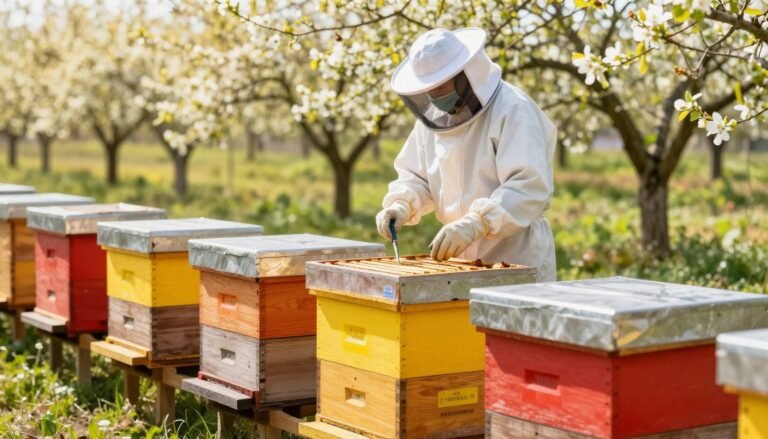
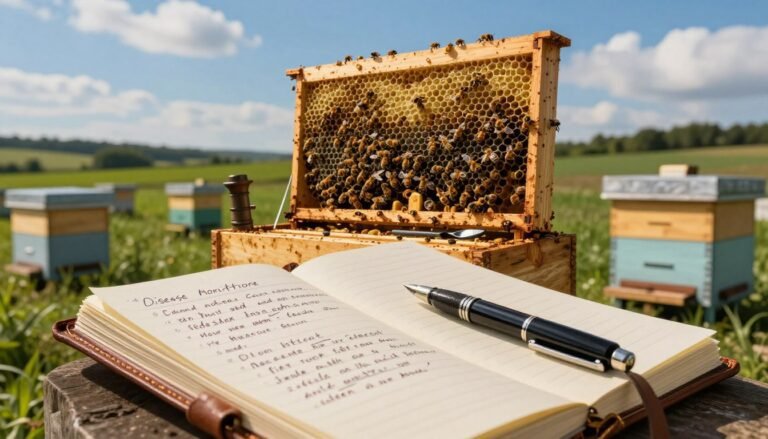
Ants often find a hive attractive for warmth, shelter, and the scent of honey. A robust colony will handle small incursions, but persistent or invasive species can nest under an inner cover or roof where bees cannot reach.
Practical, nonchemical methods form a layered defense: remove intruders with a bee brush or hive tool, raise the hive on a sturdy stand, and keep the area clean of spill-back and drips. Barriers like Flow Ant Guard caps filled with Vaseline or vegetable oil, or petroleum jelly on stand legs, block most crawlers.
Other simple steps include dusting corners with cinnamon, placing mint near the lid, and trimming plants that touch the hive to prevent ant bridges. Never use pesticides inside or near comb and brood; choose bee-safe mechanical and physical tactics instead.
For community-tested tips on mild deterrents, see a discussion about vinegar and other options at vinegar as an ant deterrent. This guide previews proven tools and routine checks that protect honey, brood, and the colony.
Key Takeaways
- Ants target hives for food and shelter; strong colonies resist minor pressure.
- Use a layered approach: mechanical removal, elevation, barriers, and cleanliness.
- Flow Ant Guard, petroleum jelly, and oil moats are effective, bee-safe barriers.
- Keep vegetation away and clean spilled honey to remove attractants.
- Avoid pesticides near comb; perform regular checks after weather events.
Why ants target beehives and when it becomes a real problem
Small cracks, sticky drips, and the steady heat of a hive create an inviting microhabitat for trailing ants. The smell of honey acts like a beacon, drawing workers searching for food into gaps around the cover and roof.
Ants will run scent lines from nearby nests straight to comb and stores. Many species will exploit sheltered cavities under the inner cover where bees cannot reach. There they may lay eggs and build nests that lead to repeated incursions.
Strong colonies usually repel scattered intruders. But weak or newly formed colonies lack enough guards. Persistent trails, ants on the stand or legs, or ants under the roof signal a growing problem that needs intervention.
Some invasive species, notably Argentine ants, operate in massive numbers. They can strip honey, steal brood, and force a colony to abscond. Beekeepers should lift the roof and check the inner cover and crevices regularly for ant nests, eggs, and traffic.
- Watch for distracted bees at the entrance and repeated lines on the stand.
- Inspect under the roof and inner cover during routine checks.
- Act quickly when hidden nests or heavy traffic are found; early steps prevent full invasion.
For further reading on dealing with ant activity in hives and practical advice, see this guide on ant issues in the hive and a broader beekeeping resources collection.
How to Protect Beehives from Ants
Tackle visible invaders first: a hive tool and bee brush clear roofs, inner cover, and crevices fast. Remove trails, then follow them to nest sites so you can break the line of travel.
Elevate and limit access. Place the hive on a sturdy hive stand so defenses only cover the legs. Fewer entry points make barrier work manageable.
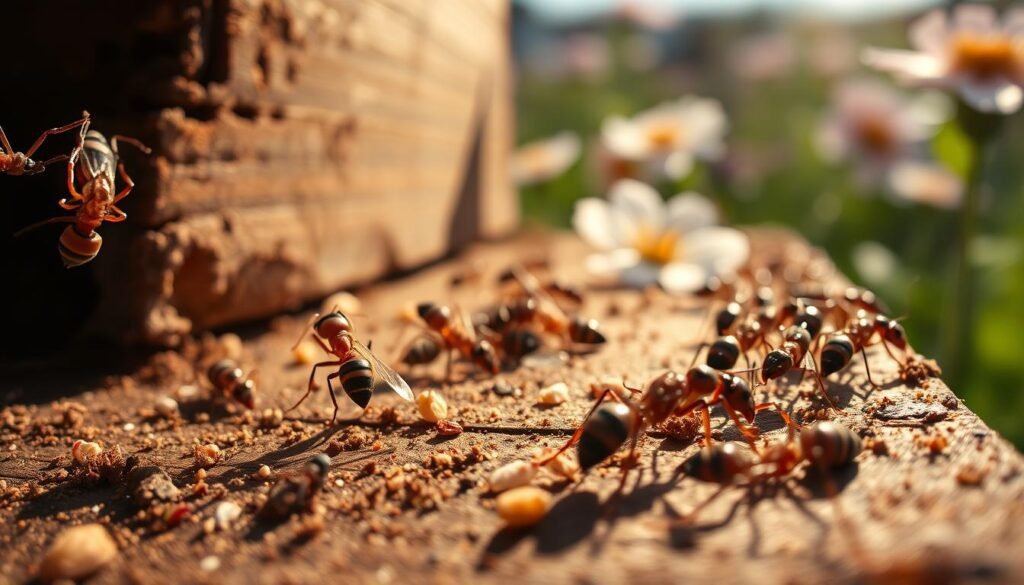
Simple moats and mesh covers
Set each leg in a shallow dish (tuna cans, pie plates, or bottle ends) and fill with vegetable oil or soapy water. Add a wire mesh lid sized to let ants through but keep bees safe from drowning.
Grease, ant guards, and dry barriers
Coat stand legs with petroleum jelly or Tanglefoot and reapply weekly during busy months. Use Flow Ant Guard caps with Vaseline or vegetable oil for a low-maintenance option.
Dust diatomaceous earth or sprinkle cinnamon around leg bases and lid corners as a dry barrier, and refresh after rain.
Site care and species vigilance
Trim grass and remove foliage that can bridge defenses. Clean up spilled honey and fallen comb so the area does not attract workers.
If invasive species pressure is high, inspect more often and support weak colonies with nutrition and space management. For community-tested fixes, see a beekeeper forum discussion and a list of seasonal tasks at bee-friendly fixes and seasonal beekeeping tasks.
Tools, materials, and setup tips that make barriers work
The right container under every leg makes the difference between a temporary fix and a reliable barrier. Choose wide, shallow dishes that keep each hive leg stable while forcing ants to cross a larger surface.
Container choices include tuna cans, aluminum pie plates, or the cut ends of plastic bottles. Match the dish size to your hive stand so the leg sits squarely without wobble.
Safe media and covers
Fill moats with vegetable oil or water mixed with a drop of dish soap. The soap breaks surface tension so ants cannot float across; oil lasts longer but traps debris.
- Grease: a thin film of petroleum jelly on the leg above the dish adds backup protection.
- Dry options: sprinkle cinnamon or diatomaceous earth at contact points for a nonwet barrier.
- Mesh: add wire mesh lids sized to admit ants but keep bees safe from the liquid.
Weather-proofing and maintenance
Check barriers after rain and irrigation. Refill oil or water, refresh grease, and reapply powders as needed.
Keep the stand surface and leg interfaces clean so grease adheres. Wipe spilled honey and clear leak-back gaps so stores do not collect where hives attract foraging workers.
- Match dishes to the stand and keep moats level.
- Layer defenses: moat + cover + light grease film.
- Schedule quick checks at seasonal transitions and after heavy rain.
Common mistakes to avoid and safety notes for beekeepers
A sudden rise in trail activity often points to a missed access point that needs immediate attention.
Never use pesticides near a hive. Products aimed at insects can harm bees and contaminate honey and brood. Physically remove intruders with a brush or hive tool and rely on barriers instead.
Never use pesticides: protecting bees and colonies while targeting ants
Prohibit pesticides. Chemical baits and sprays do not distinguish between pests and pollinators. Use mechanical removal and cleanliness to reduce risk.
“Chemicals that kill ants can also kill bees; mechanical methods are safer and effective when applied consistently.”
Placement pitfalls: ignoring alternate bridges, over-scenting, or under-maintaining legs
Keep the area clear of grass, branches, and debris that create bridges. One contact point can bypass a perfect moat or guard.
Avoid heavy scenting. Strong repellents like cinnamon can help, but use them sparingly and reapply after rain.
| Mistake | Risk | Fix |
|---|---|---|
| Using pesticides | Bee losses, honey contamination | Brush out ants, clean spills, use barriers |
| Ignored bridges | Bypasses moat or grease | Trim foliage, clear the stand area |
| Worn leg defenses | Intermittent incursions | Inspect legs weekly, reapply grease |
| Hidden nests under cover | Recurring traffic and eggs | Open roof, sweep inner cover, seal access |
- Verify coverage: ensure every leg and contact point has a barrier.
- Maintain defenses: grease and sticky products wear with dust and weather; schedule reapplications.
- Align methods to species: if one deterrent fails, layer options like moats plus grease.
- Mind the honey: clean spills fast to remove attractants.
Conclusion
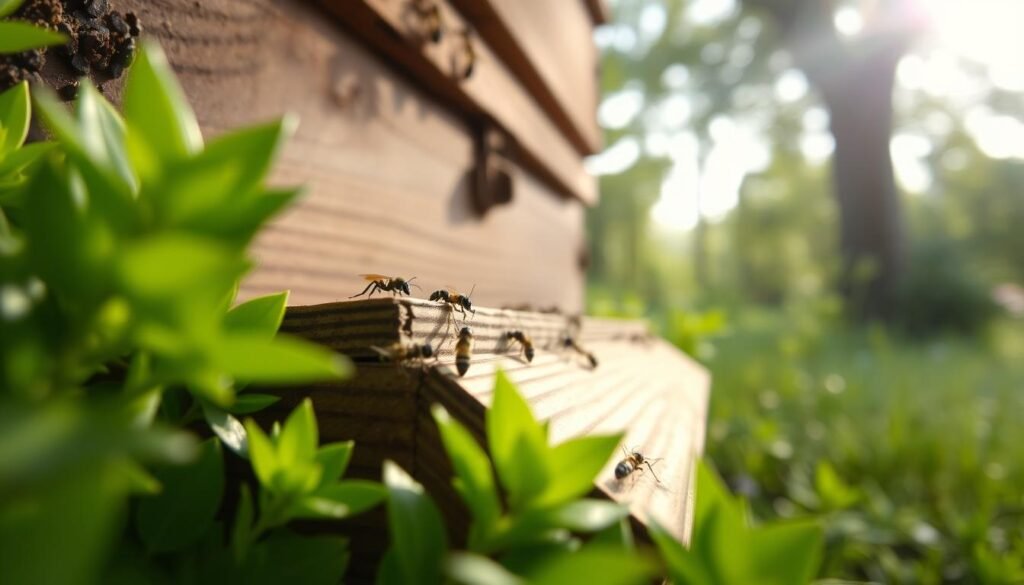
Consistent checks and leg defenses make a hive much less inviting to foragers. Combine mechanical removal with elevation on a hive stand, moats filled with water plus a drop of soap or vegetable oil, and a light film of grease on the legs for layered security.
Supplemental steps such as diatomaceous earth or a sprinkle of cinnamon add passive protection and should be refreshed after rain. Regular roof and inner cover inspections catch nests, eggs, and trails before they reach comb and brood.
Keep the site clean of spilled honey and stray comb, trim vegetation that forms bridges, and adjust methods when local species or weak colonies need extra care. Make these checks part of routine beekeeping so bees can focus on thriving while you keep ants at bay.
FAQ
Why do ants target beehives and when should I worry?
Ants seek food, warmth, and shelter. Sweet honey, exposed comb, and residues on inner covers attract them. A few scouts are normal, but sustained trails, ants inside brood boxes, or ants stealing sugar stores signal a problem that can stress or queen-loss weak colonies.
What attracts ants to hive roofs, inner covers, and crevices?
Residual honey, spilled syrup, and sticky propolis draw ants. Warm, dry cavities behind lids or in cracks offer shelter. Good cleaning and sealing small gaps reduce scent trails and remove their food source.
How do I remove ants from hive parts without harming bees?
Use a soft bee brush and hive tool to sweep ants from roofs, inner covers, and frames. Wipe surfaces with a damp cloth to remove residues. Avoid harsh chemicals; mechanical cleaning protects the colony and keeps foragers safe.
Are weak colonies more at risk from ant invasions?
Yes. Strong colonies defend entrances and repel intruders more effectively. Low adult populations, absent queens, or small winter clusters invite persistent ants, including aggressive species like Argentine ants, so boost colony strength and monitor closely.
Is elevating hives effective and how high should the stand be?
Elevation helps. A solid hive stand raises access points above ground ants and makes moats or guards easier to install. Stands 12–18 inches high give good clearance while keeping hive handling ergonomic.
What are leg moats and how should I set them up?
Leg moats are small water-filled dishes placed under each stand leg. Use tuna cans, pie tins, or inverted bottle ends that hold water with a few drops of dish soap or a thin film of vegetable oil to deter ants. Add mesh or pebbles so bees can land safely if needed.
Can grease or sticky barriers stop ants crawling up hive legs?
Yes. Applying petroleum jelly, Tanglefoot, or a weather-safe grease to stand legs creates a barrier ants avoid. Reapply after heavy rain and clean off old layers before repainting or long-term maintenance.
What are ant guards and how do I use them with Flow hives or similar systems?
Ant guards are small cups or collars around legs that hold oil or grease. For Flow hives or other boxes, fit a guard under each leg and fill with vegetable oil or Vaseline. Ensure caps sit flush so bees aren’t trapped and refill regularly.
Are dry powders like diatomaceous earth and cinnamon useful?
Yes, in dry conditions. Sprinkle diatomaceous earth or ground cinnamon around legs and at lid corners to break trails and discourage ants. These materials lose effectiveness when wet, so reapply after rain and avoid dusting frames or interior hive parts.
How should I control vegetation around hives to reduce ant bridges?
Keep grass trimmed and remove branches or vines that contact the hive. Clear a two- to three-foot perimeter so ants can’t build bridges from foliage. A gravel or bare-soil ring around stands also helps.
What hive hygiene practices prevent ant problems?
Clean up spilled honey, remove fallen comb and dead bees, and seal gaps where syrup feeders leak. Maintain proper leak-back gaps on feeders and clean inner covers regularly to eliminate food cues that attract ants.
Which materials work best for barrier media and which should I avoid?
Safe options include vegetable oil, light soapy water, grease, cinnamon, and food-grade diatomaceous earth. Avoid pesticides, concentrated insecticides, and residues that can poison bees or contaminate honey.
How do I weather-proof barriers and maintain them after rain?
Check moats, greased legs, and powdered rings after rain. Refill water dishes, reapply grease, and sprinkle fresh diatomaceous earth or cinnamon once surfaces dry. Inspect monthly and more often in rainy seasons.
What common mistakes should I avoid when defending hives against ants?
Don’t use pesticides near colonies, neglect alternative ant bridges like wires or stacked boxes, or rely on a single method. Over-scenting with repellents can confuse bees; under-maintaining guards lets ants re-establish trails. Combine physical barriers, hygiene, and monitoring.
How should I respond if I find invasive species like Argentine ants?
Increase vigilance. Strengthen weak colonies, install multiple barrier types, and inspect frequently for trails into brood boxes. Consult local extension services or experienced beekeepers for region-specific strategies and non-toxic controls.