Published November 27, 2025 · Last Updated August 26, 2026
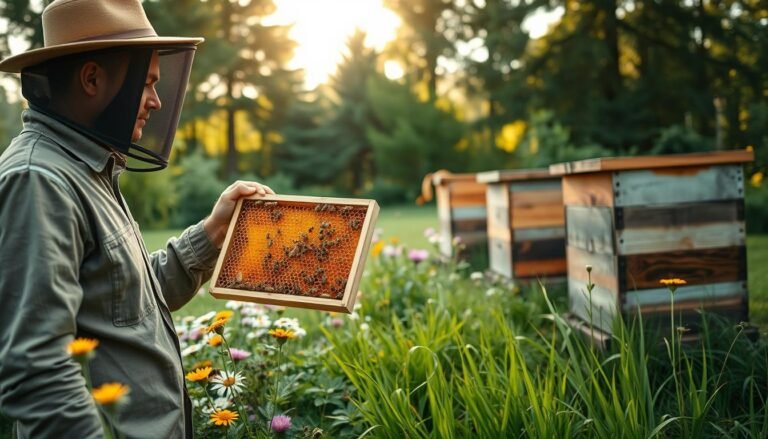
Bring bees into the curriculum by connecting beekeeping principles with standards-aligned science, art, and literacy. This short guide shows a safe, age-appropriate way to use the hive and colony as hands-on systems that spark curiosity in students and adults.
Project-based learning frames units with clear tasks, simple tools like an observation hive or demo frames, and reflective journals. Teachers get protocols that respect allergies and supervision while building observation skills and science habits.
Include art, writing, and experiments so learners produce real artifacts: sketches, data tables, and narrative pieces that document passion and progress. Use the queen/colony metaphor to teach leadership and teamwork.
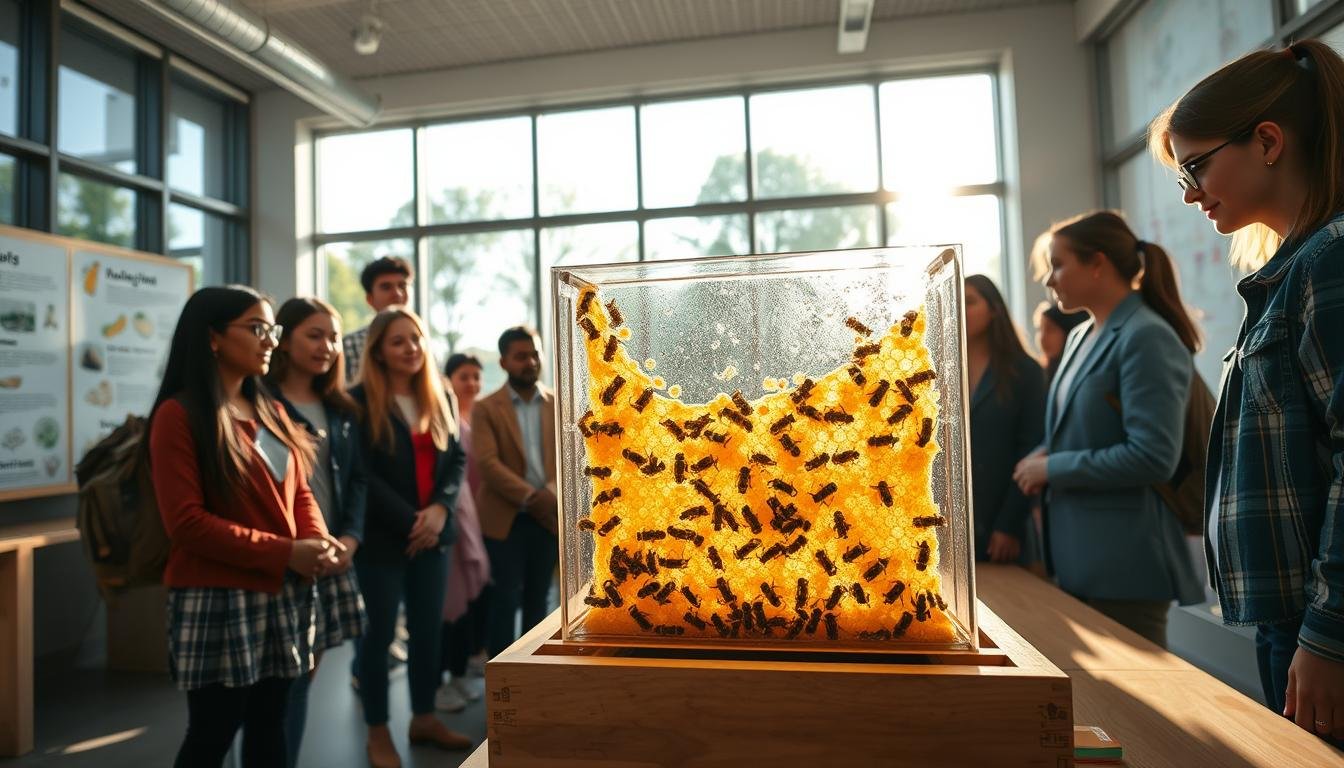
For practical examples and planning, explore a place-based model such as the Ashland project that links beekeeping to campus learning, and consider an observation hive as a classroom tool.
Key Takeaways
- Standards-aligned units connect bees to science, art, and literacy.
- Project-based learning builds observation, questions, and critical thinking.
- Safe protocols and age-appropriate tasks protect children and adults.
- Multimodal projects support diverse learners and show real skill growth.
- Community links make pollinators relevant to home and school food systems.
Plan a Safe, Compliant, and Practical Classroom Apiary Setup
Start by choosing a safe, supervised spot that balances visibility with containment so students can observe colony behavior without risk.
Location options include an indoor observation hive or window hive for controlled views, or a fenced outdoor yard when supervision, signage, and access control are in place.
Permissions and safety
Secure approvals from district risk, facilities, and insurance early. Confirm local rules, especially with urban beekeeping near backyards and neighbors.
Prioritize children’s safety with allergy screenings, posted PPE rules, trained adults, and clear emergency steps tied to school nursing protocols.
Equipment, routines, and urban tips
Choose sealed observation hives and demo frames. Use labeled caddies and book bins to store PPE and subject materials so learners and adults find tools fast.
- Set predictable observation times and hive checks aligned with the school calendar.
- Provide a water source and orient entrances away from walkways to reduce neighbor conflicts.
- Post prompts and questions near displays to guide student observation and project-based learning.
| Item | Purpose | Approx. Cost |
|---|---|---|
| Sealed observation hive | Safe viewing tool to study colony behavior | $200–$500 |
| Labeled storage caddies | Organize PPE and lesson materials | $35.99 per 6-pack |
| Better Than Paper roll | Durable safety and routine board | $21.99 |
For practical protocols and lecture guidance, review these observation hive lecture notes.
Apiary design for classroom learning: step-by-step integration and space planning
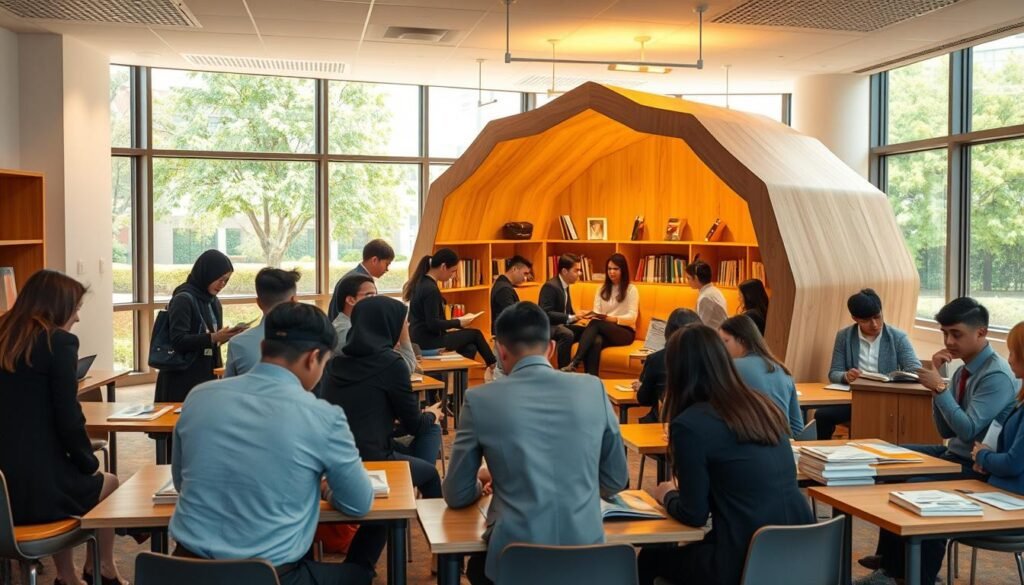
Arrange three focused zones—reading, science, and art—so students encounter bee concepts across subjects. This zoning helps project-based learning flow from facts to hands-on skills to creative expression.
Create thematic learning zones
Reading Hive: Add yellow cushions, bee-shaped pillows, honeycomb cutouts, and a calendar bulletin board to anchor literacy and life connections.
Science station: Label supplies, add a small model observation hive, and store tools in black/yellow caddies so students can practice skills safely.
Art corner: Use Better Than Paper rolls and border trim to display work and tie art projects to honey, nature, and the queen metaphor.
Visuals, color, and organization
Use yellow accents for energy, black for structure, and blues/greens in seating to calm focus. Reinforce routines with Busy Bees bulletin sets and the Busy Bees Welcome Banner.
Starter budget and resources
| Item | Example | Price |
|---|---|---|
| Bulletin roll | Gray Wood Better Than Paper | $21.99 |
| Storage | Black/Yellow caddy 6-pack | $35.99 |
| Welcome/Calendar | Welcome Banner + Calendar | $4.99 / $14.99 |
Tip: Rotate the Birthday Bees mini set and use flat name plates and stickers to tag projects and celebrate development milestones. For STEM activity guides and classroom resources, see a hands-on engaging honey bee STEM activities and a practical beekeeping resources and books guide.
Engage students with inquiry, projects, and displays that make learning buzz
Engage students with modular, hands-on work that ties bees to food systems, art, and science. Short tasks help students ask questions, observe a hive, and record daily notes. Use station rotations and games to keep momentum and build skills.
Project-based learning modules
- Pollinators & food webs: Investigations connect honey and local crops. Students study flower structure and map pollinator paths.
- Colony roles: Activities on workers, drones, and the queen use role-play games and observation prompts to explain tasks.
- Seasonal cycles: Track nectar flow, winter prep, and time-based charts so students collect real data across months.
Showcase and reflect
Create rotating bulletin boards such as “Buzzing with Knowledge,” “Queen Bee’s Corner,” and “Sweet Success.”
Have a capstone exhibit where students curate posters, models, and photography on Better Than Paper backdrops.
| Module | Student Output | Assessment |
|---|---|---|
| Pollinators & Food Webs | Field maps, plant lists, gallery poster | Observation logs + rubric |
| Colony Roles | Role-play video, diagram of hive jobs | Performance task + exit questions |
| Seasonal Cycles | Data charts, seasonal guidebook | Data analysis and presentation |
Differentiate with tiered texts, sentence frames, and choice boards so all students show growth. Invite parents and adults to the final showcase and link project supports to a practical beekeeping courses and training.
Conclusion
Finish by naming the key moves that keep student curiosity growing and safety protocols consistent.
Align safety, compliance, and clear zones so your space becomes a living lab where bees and honey connect standards and community. Use color, storage, and routine to keep children calm and focused.
Implement short project-based learning sequences that tie pollinators to the wider world and end with exhibits that show skill growth.
Use budget-friendly materials and a simple checklist to sustain routines year-round. Take the next step: draft a safety plan, map zones, and pick starter supplies.
For practical guides, review a beekeeping guided inquiry and a summary of beekeeping guided inquiry, and explore beekeeping benefits at beekeeping benefits.
FAQ
What are the safest hive options for a classroom environment?
Observation hives and window hives provide secure, close-up views of honey bees without exposing students to active colonies. Demo frames in a locked case let teachers show comb structure and brood safely. Choose enclosures with clear, shatterproof panels, secure ventilation, and locking mechanisms. Keep live colonies in a supervised area and use enclosed displays for daily lessons.
How do I get permission to keep bees at school and comply with local rules?
Start by checking municipal ordinances and state beekeeping regulations, then review your school district policies on animals and outdoor activities. Present a plan to administrators that includes safety protocols, liability coverage, supervision arrangements, and neighbor notifications. Partnering with a local beekeeping club or an extension service can strengthen your proposal and provide expert support.
What allergy and safety protocols should be in place before introducing bees?
Screen students and staff for bee allergies via permission forms and medical records, and require that emergency medication (EpiPen) be accessible. Train staff in sting response and first aid, establish PPE usage for close interactions, and limit direct access to hives to trained adults or supervised small groups. Post signage about restricted areas and flight paths.
How can teachers fit hive care into the school year schedule?
Develop a maintenance calendar aligned with school terms: basic weekly checks during warm months, monthly winter inspections if needed, and seasonal tasks like feeding or ventilation adjustments. Assign roles to staff, volunteers, or students (under supervision) and document observations in a hive journal. Plan hands-on activities during predictable times like harvest or spring buildup.
What considerations are important for urban school yards and neighbor relations?
Evaluate flight paths to avoid direct routes over playgrounds or neighboring properties, and provide water sources like shallow basins to keep bees off neighbors’ yards. Inform nearby residents and staff about the project, post clear signage, and design barriers—hedges or screens—to guide bee traffic. Comply with setback requirements and respond promptly to concerns.
How do I create learning zones and materials that support bee-focused curriculum?
Set up themed areas such as a Reading Hive corner, a science station for observations, and an art corner for bee-related projects. Use labeled bins, caddies, and book bins to organize resources. Integrate visual aids, posters, and interactive materials from classroom suppliers to reinforce vocabulary, routines, and cross-curricular links to math, art, and environmental science.
What low-cost materials and décor work best to teach about bees and habitats?
Budget-friendly items include laminated posters, printable activity sheets, Better Than Paper rolls for bulletin boards, borders, and letter packs for headlines. Repurpose storage tubs, clipboards, and local printouts for observation sheets. Use durable, washable materials and prioritize items that support hands-on projects like seed packets for pollinator gardens.
What project-based learning ideas engage students with pollinators and colony roles?
Design modules that explore pollination, hive social structure, seasonal cycles, and local flora. Examples: map local pollinator plants, simulate a colony role-play, monitor flight activity and weather, and run a classroom honey-sourcing project (using teacher-provided samples). Culminate with student displays or a community showcase to share findings.
How can student work be showcased while protecting fragile exhibits?
Use bulletin boards titled “Buzzing with Knowledge” or “Bee the Change” to display student journals, photos, and art. Protect delicate items in clear sleeves or shadow boxes. Rotate exhibits seasonally and include labels explaining methods and findings. Digital displays and photo galleries offer a safe way to share observations from live hives.
Who should schools partner with to support a hive program?
Partner with local beekeeping associations, county extension offices, science museums, and universities for training, mentorship, and resources. Vendors like Mann Lake and Dadant supply school-appropriate equipment. Volunteers from community organizations and parents can assist with supervision, field trips, and project logistics.