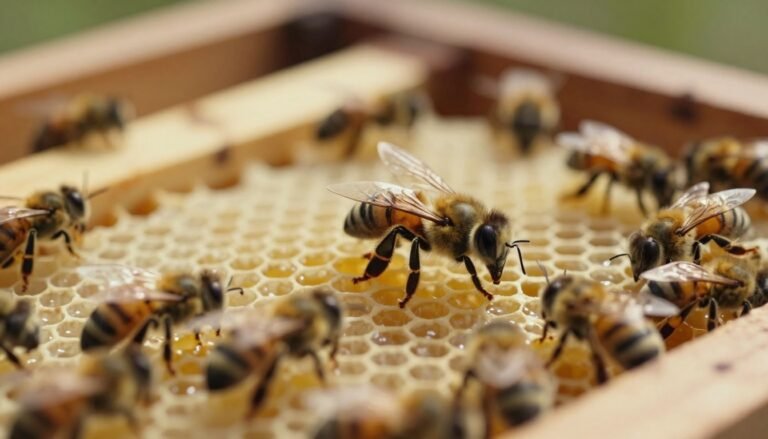
Detecting problems early saves colonies. A healthy hive shows dense, even brood across frames, with capped cells forming concentric rings from center to edge. When cells reveal older pupae near the center and younger near the periphery, the frame usually indicates steady egg-laying.
Spotty brood can alarm any beekeeper, but isolated patches on new comb or near stored resources often clear after a few cycles. Research shows colony environment can alter sealed brood patterns, so one snapshot rarely proves queen failure.
Persistent empty lines across multiple frames, weakening colony strength, or mixed drone brood among workers are true red flags. Between February and October, no eggs, larvae, capped brood, or queen cells usually means the hive is queenless and needs prompt action.
Keep simple field notes and compare colonies over time. Careful diagnosis prevents unnecessary replacement and protects hive health. For practical steps on detection and prevention, see this guide on how to spot and prevent queen failures.
Key Takeaways
- Dense, even brood patterns signal steady laying; concentric rings often indicate proper timing.
- Spotty brood alone can mislead; new comb and environment often explain gaps.
- Look for persistent pattern breakdown, mixed drone brood, and weakened colony strength.
- No eggs, larvae, capped brood, or queen cells from Feb–Oct usually indicates queenlessness.
- Track inspections and keep notes to spot trends before acting.
- Assess colony health, not just one frame, before replacing a queen.
- Consult practical resources for step-by-step detection and prevention: how to spot and prevent queen.
Table of Contents
- How to Assess Your Hive: A Practical, Step‑by‑Step Inspection Plan
- Key signs of a failing queen
- Before you requeen: rule out confounders and take corrective steps
- Conclusion
- FAQ
How to Assess Your Hive: A Practical, Step‑by‑Step Inspection Plan
A methodical inspection gives you the clearest picture of brood health and laying rhythm in any hive. Start each visit with a plan and the right tools to limit disturbance and speed diagnosis.
Prepare for inspections
Choose warm, calm weather when bees fly. Carry smoker, hive tool, notebook, headlamp, queen marker, and a magnifier.
Work from outer frames toward the brood area. Tilt frames into light to read eggs and the concentric brood pattern that shows steady laying.
Quick triage between February and October
Verify eggs, larvae, capped brood, and any queen cells. No egg or capped brood in this period strongly suggests queenlessness; frantic, loud bees reinforce that view.
- Worker vs drone: note capping shape to separate worker brood from drone cells.
- Backfilling test: add supers and a drawn frame; recheck in 24–48 hours to see if laying resumes.
- Record keeping: use a consistent checklist per hive to track numbers, pattern shifts, and population trends.
| Check | What to look for | Action |
|---|---|---|
| Eggs & larvae | Presence across brood area; concentric age pattern | Document number and recheck in 1–2 days |
| Capped brood | Wall‑to‑wall within ~12 days; irregular lines may be new comb wires | Note frames with foundation wires; repeat inspection |
| Queen cells | Position and number indicate supersedure, swarm, or emergency | Classify cells, monitor behavior, and choose management |
For expansion and layout planning, see the beekeeping expansion guide for practical tips on hive placement and resources.
Key signs of a failing queen
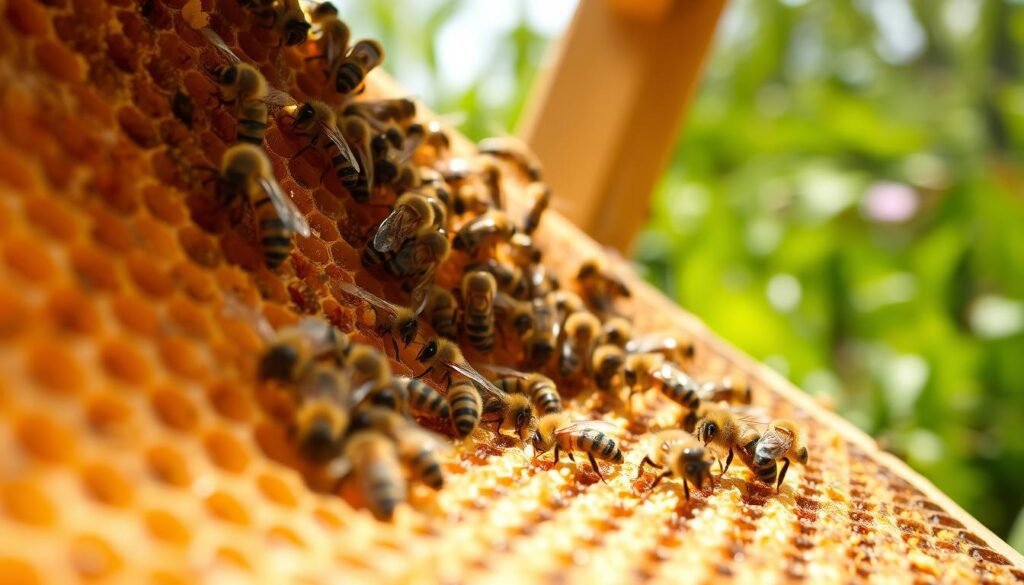
Reading brood layout across several frames gives a better verdict than one snapshot. A normal brood field is dense and contiguous, with age-appropriate progression and few missed cells. Some gaps reflect emerging bees, cleaning, or new foundation wires.
Spotty brood and poor brood patterns
True spotty brood patterns appear across multiple frames and persist over time. Lee et al. (2019) found brood pattern alone is an unreliable proxy; environment can change sealed brood by 10–20% after queen exchange.
Drone brood mixed among worker brood
Random, domed drone cappings scattered inside worker areas suggest sperm depletion. Normal drone patches sit on frame edges or specific zones. Note the difference when assessing the hive.
Queenless cues and queen cells
No eggs or larvae for a full worker cycle, roaring bees, and a falling population point strongly to queenlessness. Multiple charged cells at the frame bottom during crowding often signal swarming, while single mid‑frame supersedure cells suggest replacement.
Use a freshly drawn frame test: if the nest accepts new foundation quickly, focus on nest or nectar issues before replacing the queen.
Before you requeen: rule out confounders and take corrective steps
A methodical check of nectar, pests, and timing can save an unnecessary requeen. Start by addressing storage: add one or more supers if the brood nest shows backfilling with honey. Insert a fresh drawn frame into the brood nest and inspect again in 24–48 hours.
Nectar backfilling and storage issues
If the queen lays on the test frame within a day or two, keep her. Backfilling mimics poor brood pattern but often resolves with space and a drawn frame.
Mites, brood disease, and new comb anomalies
Quantify mites and act if counts near 2 per 100 bees. Check larval color for disease and note foundation wire lines on new comb; these avoidances usually normalize after a few cycles.
Timing, weather, and colony environment
Late‑season requeening and bad mating weather reduce success. Consider boosting a slow queen by moving one frame of eggs and very young brood from a strong hive to stabilize population.
- Decide: wait and manage resources if the test frame is accepted.
- Replace: plan requeening if laying does not resume and brood patterns stay poor.
For seasonal task planning and practical checks, see this guide on seasonal beekeeping tasks and regional tips at Hive management notes.
Conclusion
Conclusion
Finish inspections with a calm plan: confirm brood pattern quality, verify eggs and larvae in season, and check whether storage, nectar backfilling, or nest crowding explains gaps.
Use corrective management first—add supers, correct brood nest space, and test with a fresh drawn frame so the queen can demonstrate consistent laying.
Monitor the hive over time and record cells laid, worker behavior, and overall pattern consistency; lasting improvement usually means environment, not the queen, was the problem.
If mixed drone cells appear inside worker areas and the brood pattern stays poor across frames, prepare for timely requeening to protect colony health and honey production. For practical diagnostics and background on patchy brood causes, see this spotty brood analysis, and consult further resources in this beekeeping reference guide.
FAQ
How do I quickly tell if my queen is underperforming during an inspection?
Look for a patchy brood pattern, many empty cells amid capped brood, and inconsistent egg placement. Check frames for mixed drone and worker brood where worker cells should dominate. Also note reduced worker population and fewer foragers returning with pollen—these point to laying issues or low sperm viability.
When is the best time to inspect for brood problems between February and October?
Inspect on warm, calm days when bees are active, ideally midmorning to early afternoon. Between February and October focus on peak laying months (spring and summer) for clear brood signals. Avoid cold or rainy days that stress the colony and hide normal activity.
What tools and prep do I need for an effective hive check?
Bring a smoker, hive tool, brush, notebook, and protective gear. Light the smoker and use gentle puffs to calm bees. Work methodically frame by frame, scanning for eggs, larvae, capped brood, queen cells, and unusual stores. Record observations and take photos if needed.
How do I distinguish a truly spotty brood pattern from normal variation?
Normal brood can show small gaps near edges or after robbing or nectar dearth. True failure shows wide, irregular gaps throughout the brood nest, many empty cells among capped brood, and declining egg density over successive inspections.
What does drone brood among worker cells indicate?
Extensive drone brood in worker-sized cells suggests the queen may be low on viable sperm or laying unfertilized eggs. It can also occur if workers lay eggs in a queenless period. Confirm by finding spotty worker brood or no eggs in multiple frames.
What are the main behavioral cues that a colony is queenless?
Look for nervous, agitated bees at the entrance, reduced forager return, and no eggs or very old larvae in the nest. Workers may start building emergency queen cells. A steady population decline over weeks also signals a missing or failing queen.
How can I tell supersedure cells from swarm cells?
Supersedure cells usually appear singly or in small clusters on comb surfaces and are built while the queen remains active. Swarm cells form along the bottom or edges of frames in larger numbers before a swarm. Context—time of year, colony crowding, and behavior—helps confirm intent.
What should I check before deciding to requeen?
Rule out nectar backfilling, recent robbing, cold snaps, disease, or varroa pressure. Inspect for mites, foulbrood symptoms, and comb anomalies. Try corrective steps like adding drawn comb or feeding before replacing the queen unless you find clear reproductive failure.
How do nectar backfilling and poor stores affect brood appearance?
When foragers bring excess nectar during dearth or flow transitions, workers may backfill brood cells with nectar, which reduces egg-laying space and creates a false impression of brood loss. Adding supers and offering drawn comb or a fresh frame can reveal whether brood space, not the queen, is the problem.
What role do mites and brood disease play in colony decline?
Varroa, viral infections, and brood diseases disrupt brood development, cause spotty patterns, and reduce queen performance. Test mite loads, look for deformed or discolored brood, and follow treatment thresholds. Address disease promptly before deciding on requeening.
When is it better to wait rather than requeen after noticing problems?
If issues stem from short-term factors—cold weather, temporary nectar flow changes, or recent hive manipulations—give the colony one to two inspection cycles to recover. Requeen sooner when you find persistent poor laying, many drone cells, or clear queenlessness.
What are practical steps to boost a weak colony without immediate requeening?
Combine with a stronger hive, introduce fresh drawn comb, feed pollen substitute or sugar syrup in dearth, and treat for mites if needed. These moves support brood rearing and may reveal whether the queen is capable or truly failing.
How often should I monitor brood pattern to track queen health over the season?
Inspect brood frames every 2–4 weeks during peak season. Regular checks let you detect trends in egg laying, increasing drone brood, or progressive brood loss. Timely records help decide whether intervention or requeening is required.
Can worker-laid eggs mimic queen failure, and how do I confirm?
Yes. Worker-laid eggs are often laid in multiple cells per cell or along cell walls and result in only drone brood. To confirm, look for spotty brood, absence of eggs in many frames, and emergency queen cells. Introducing a new queen or uniting with a queenright hive can resolve worker-laying issues.
What signs suggest immediate requeening is necessary?
Persistent, widespread spotty brood across the nest, many drone brood where worker brood should be, no eggs for several inspections, or visible queen injury or absence warrant prompt requeening to restore colony productivity.
For beekeepers dealing with this, our article on uncovering the causes of drone laying in queen bees walks through the details.