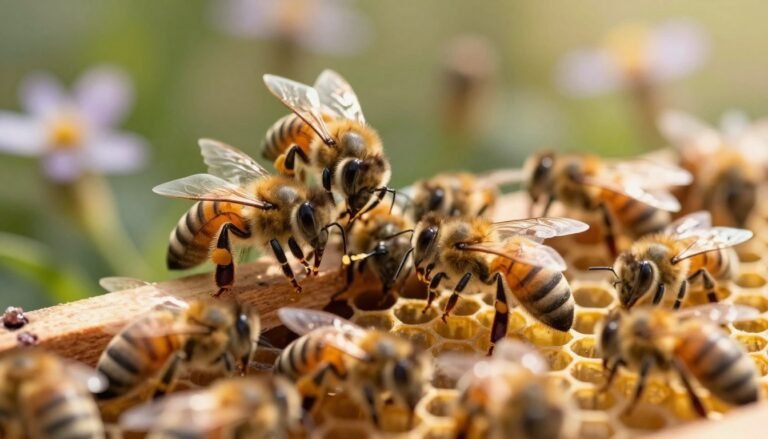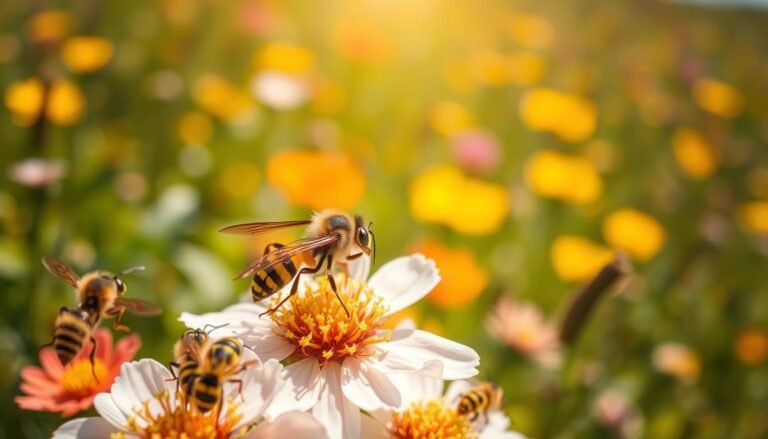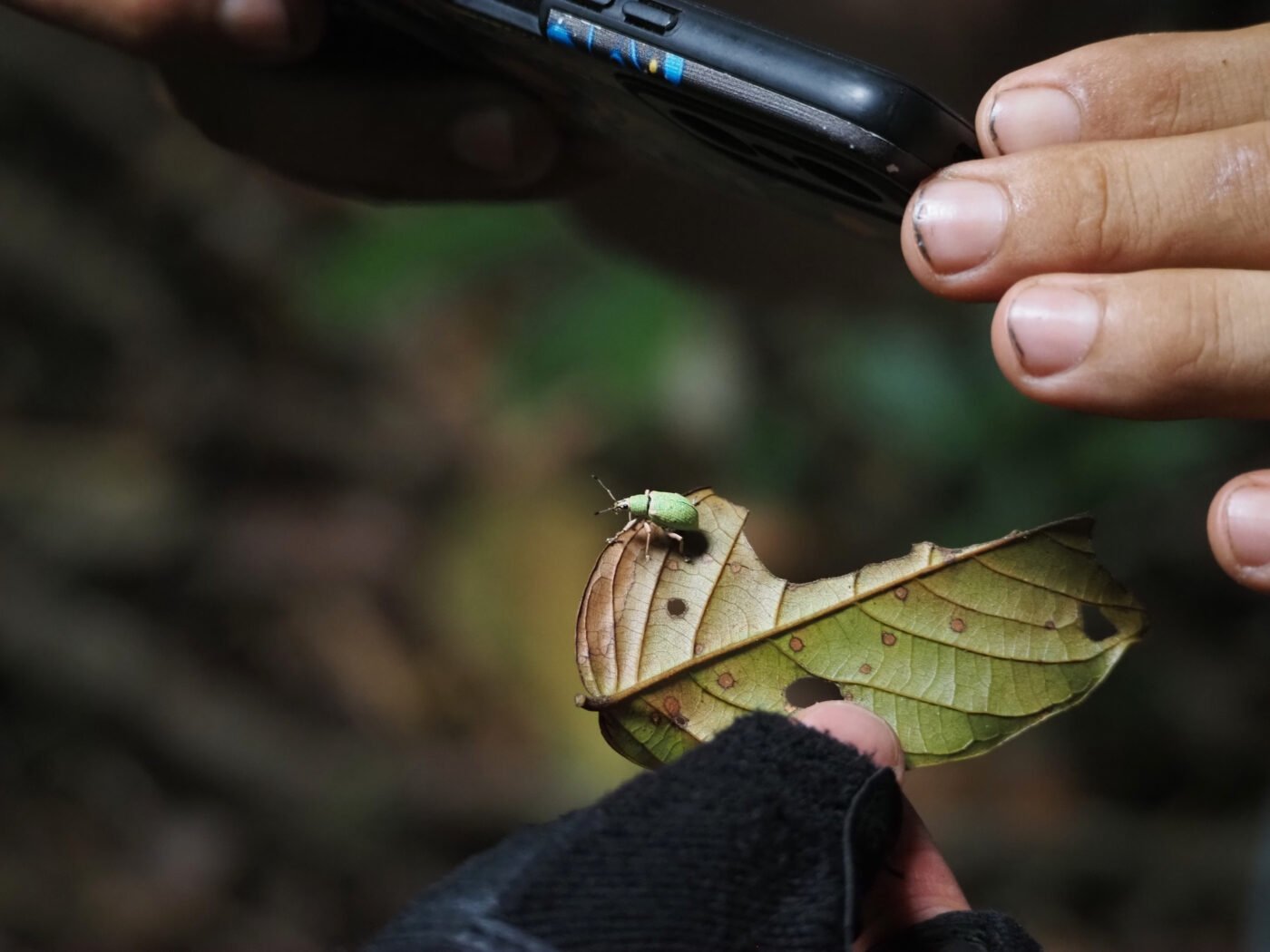
Seek and iNaturalist (both built by the same nonprofit, iNaturalist.org) are the best free options for identifying a bee or wasp from a photo, while the newer BeeMachine app is the only one trained specifically on bee species rather than insects in general. Which one actually gives you a usable answer depends on what you’re identifying and how fast you need it — a stinging-insect emergency at the back door has different needs than a slow Saturday afternoon spent cataloguing what’s visiting the garden.
This site already has a complete visual identification guide and a native bee identification chart covering dozens of species by their physical traits — this article is different: it’s about the actual apps people reach for on their phone in the moment, what each one gets right and wrong, and which is worth having installed before you need it.
Key Takeaways
- Seek gives an instant, on-device suggestion with no account and no wait — best for a quick “what is this” in the yard, backed by the same enormous iNaturalist observation database.
- iNaturalist is slower (community experts confirm identifications, often over hours to days) but more reliable for a confident final ID, especially on less common species.
- BeeMachine is the only app in this comparison trained specifically to distinguish bee species from each other, rather than bees from a broader insect category.
- Picture Insect works more like a browsable encyclopedia and includes basic safety warnings about venomous or allergy-risk species.
- None of these apps should be the final word on a genuinely dangerous identification (a suspected Africanized colony, a suspected venomous sting reaction) — treat any app ID as a starting point, not a verdict.
How the Four Actually Compare
| App | Cost | Speed | Best for | Backing |
|---|---|---|---|---|
| Seek | Free, no ads | Instant, on-device | Quick yard/garden IDs, kids and beginners | iNaturalist.org (nonprofit, joint project with National Geographic) |
| iNaturalist | Free, no ads | Minutes to days (community-reviewed) | Confident final ID, contributing to real research data | California Academy of Sciences / National Geographic Society |
| BeeMachine | Free with optional donations | Instant, AI model | Narrowing down bee species specifically, not general insects | Independent developer project, bee-specific training set |
| Picture Insect | Free with subscription for full features | Instant | Browsing/encyclopedia use, basic safety flags | Glority (commercial app publisher) |
Seek: The Instant, No-Account Option
Seek is built by the nonprofit team behind iNaturalist specifically to work without an account, without collecting personal data by default, and without any waiting period — point the camera, and it suggests a match immediately using an on-device model trained on the broader iNaturalist observation database. That instant feedback is genuinely well suited to a beekeeper or gardener who wants a fast answer to “is that a honeybee, a hoverfly, or a wasp on my flowers” without breaking stride. It’s also a strong option for introducing kids to identification, since it gamifies observations without requiring the account-creation and public-posting that come with full iNaturalist — a good complement to the kid-safe bee-watching activities already covered on this site.
The tradeoff is confidence: an instant on-device suggestion is a best guess, not a verified identification, and it’s noticeably less reliable the further a species is from common, well-photographed ones.
iNaturalist: Slower, but Community-Verified
iNaturalist is less an identification app than a citizen-science platform that happens to include identification as one feature — you post an observation, the built-in computer vision model offers an initial suggestion, and then a community of researchers and experienced naturalists can confirm, refine, or correct it. That process can take anywhere from a few hours to a couple of weeks depending on how obscure the species is and how active reviewers are in your region.
What that slower process buys you is real confidence for anything beyond a common backyard bumblebee — and a side benefit worth knowing about: observations posted to iNaturalist feed into actual research datasets used by biologists, making it one of the programs referenced in this site’s roundup of citizen science programs for pollinators. If you’re trying to confirm something like a specific native bee for a garden log rather than solve an urgent backyard mystery, the wait is worth it.
BeeMachine: The Only Bee-Specific Option
Seek, iNaturalist, and Picture Insect all identify across the full range of insects — bees are just one category among beetles, moths, and everything else. BeeMachine’s model is trained specifically to distinguish bee species (and, per its own description, some additional categories including flies, wasps, and beetles it’s likely to be confused with) rather than treating “bee” as one broad bucket. That narrower focus matters if what you actually need is to tell a bumblebee species apart from a similar-looking carpenter bee, rather than just confirming “yes, that’s a bee.” It won’t be as useful for a non-bee stinging insect at your door — for that, a general app or the site’s own bee vs. wasp identification guide is the better first stop.
Picture Insect: Encyclopedia With Safety Flags
Picture Insect leans toward a browsable field-guide experience rather than a research tool — you can page through species profiles the way you would a printed encyclopedia. One genuinely useful feature for a general household audience (not specifically beekeepers) is that it flags venomous or allergy-risk species directly in the identification result, which is a reasonable first-alert for someone who found something they don’t recognize and want a quick read on whether to be cautious. Its full feature set sits behind a subscription, which is worth knowing before downloading if you expect the free tier alone to be enough.
Seek and iNaturalist “are truly free, open-source, and ad-free thanks to nonprofit backing” — a distinction worth knowing when comparing them against commercially published identification apps that monetize through subscriptions.
What No App Should Replace
Every one of these tools is a starting point, not a verdict — especially for anything with real safety stakes. If you suspect an Africanized colony, a genuinely dangerous nest location, or a sting reaction serious enough to need medical attention, an app suggestion is not the deciding factor. Likewise, if you’re trying to confirm a species for a serious record (a rare native bee sighting worth reporting, for instance), submitting the observation to iNaturalist for community review carries far more weight than any single app’s instant guess, precisely because a real person with relevant expertise checks it.
Frequently Asked Questions
Which app is best for a beginner beekeeper?
Seek is the easiest starting point for general yard and apiary-adjacent identification because it requires no account and gives an instant answer, while BeeMachine is worth adding specifically for narrowing down bee species once you already know you’re looking at a bee rather than a wasp or fly.
Do these apps work without an internet connection?
Seek’s core identification model runs on-device and can work offline once downloaded, while iNaturalist’s community-review process requires an internet connection to post and receive expert feedback. Coverage varies by app version, so check current offline functionality before relying on it in the field.
Can I use these apps to identify a swarm safely?
An app can help confirm you’re looking at honeybees rather than wasps or hornets from a safe distance, but it can’t tell you whether a swarm is Africanized or assess real-time risk — for that, see this site’s guide on telling stinging insects apart and, if genuinely uncertain, contact a local beekeeper or pest professional rather than approaching.
Are these apps accurate for native bee species specifically?
Accuracy drops for less common, less-photographed native bees compared to well-known species like honeybees and bumblebees, across all four apps. iNaturalist’s community-review step is the most reliable route to a confident native bee ID for that reason.
None of these apps replace real identification skill built from field experience, but each closes a different gap — Seek and BeeMachine for a fast first guess, iNaturalist for a confirmed answer worth trusting.