Since April 2020, Brighton & Hove in the UK has required new buildings taller than five meters to include “bee bricks” — ordinary-looking bricks built with a series of narrow tunnel-like holes where solitary bees can nest — making it one of the first city governments in the world to write pollinator habitat directly into building policy rather than leaving it to voluntary gardening advice. The rule targets a genuine, easy-to-overlook problem: solitary bees, which make up around 250 of Britain’s roughly 270 bee species, have historically nested in the crumbling mortar and weathered brickwork of old buildings, and modern construction has quietly sealed off that habitat almost everywhere.
Key Takeaways
- Brighton & Hove City Council’s planning policy, in place since April 1, 2020, requires new buildings over five meters tall to incorporate bee bricks, alongside separate provisions for swift nesting bricks to support declining bird populations.
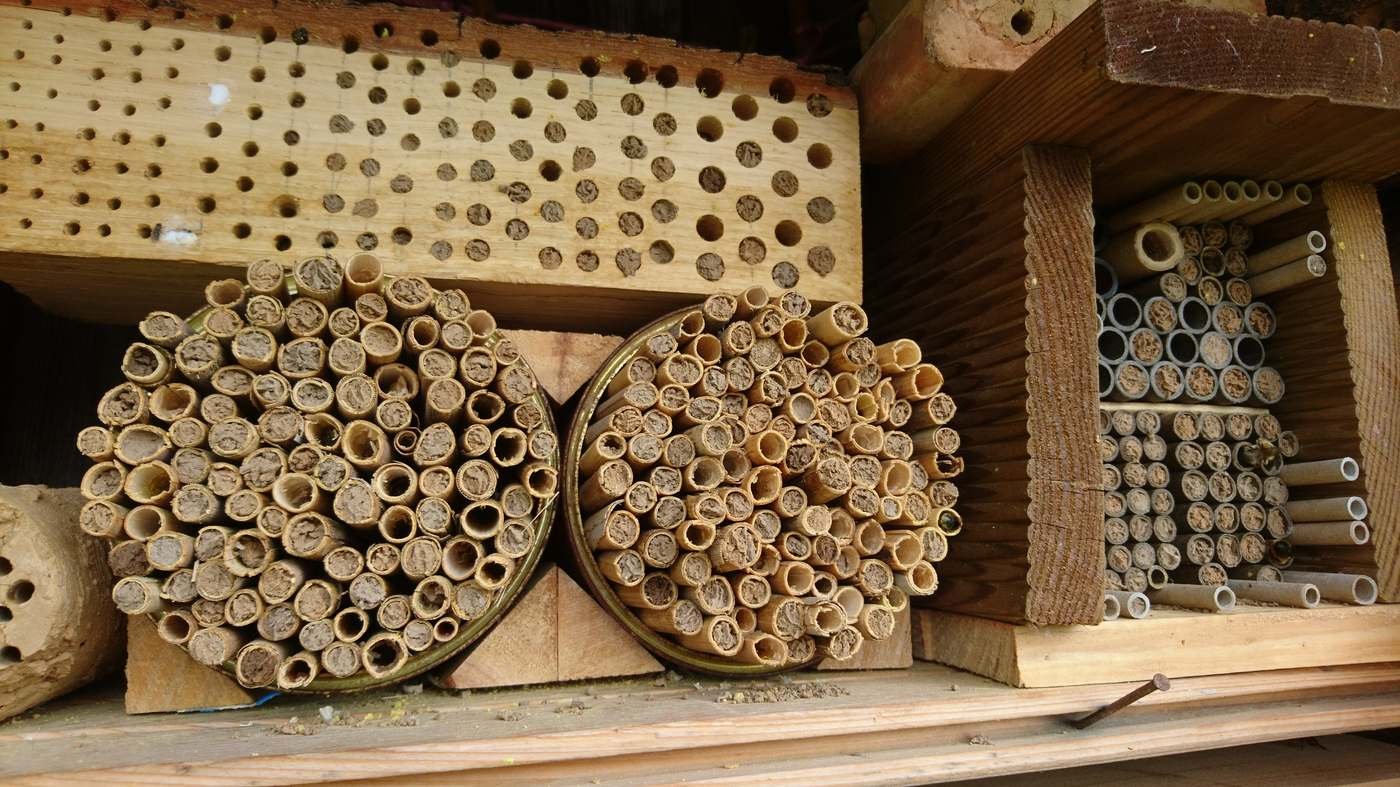
- A bee brick is manufactured to the same standard dimensions as an ordinary building brick, but is molded with a series of narrow horizontal tunnels — mimicking the kind of crevice solitary bees naturally seek out to lay eggs in.
- The policy exists because solitary bees, not honeybees, make up the overwhelming majority of Britain’s bee species (roughly 250 of about 270), and most solitary species nest in cavities or crumbling masonry rather than in a hive or colony.
- The requirement is formalized in the council’s Supplementary Planning Document on biodiversity and nature conservation, and guidance recommends installing bricks in a south-facing wall, in sunlight, and at least one meter above ground level for best results.
- Other UK local authorities, including councils in Cornwall and Dorset, have since adopted similar biodiversity-in-construction policies, suggesting Brighton’s approach is becoming a template rather than a one-off.
Table of Contents
- The Actual Planning Rule
- Why Solitary Bees Need This
- What Makes a Bee Brick Work
- Beyond Brighton
- Frequently Asked Questions
The Actual Planning Rule
Brighton & Hove’s requirement isn’t an informal recommendation — it’s a formal condition attached to planning permissions the council has granted since April 1, 2020. The council’s own Biodiversity and Nature Conservation Supplementary Planning Document (SPD11) sets out the specifics: new build development and extensions to existing buildings are expected to incorporate bee bricks at a rate of one per dwelling, and any building taller than five meters is additionally expected to include swift bricks — a parallel measure supporting the UK’s declining population of swifts, birds that similarly depend on crevices in older buildings for nesting that modern sealed construction no longer provides. The two requirements were bundled together deliberately, treating building-integrated wildlife habitat as a standard planning consideration rather than an optional add-on developers could skip.
Why Solitary Bees Need This
The policy targets a problem most people don’t associate with bees at all, because most public awareness of bee decline focuses on honeybee colonies and commercial hive losses. But in Britain, honeybees are a small minority of the bee fauna: roughly 250 of the country’s approximately 270 recorded bee species are solitary bees — species where each female builds and provisions her own individual nest rather than living in a colony with a queen and workers. A large share of those solitary species are cavity-nesters, historically relying on naturally occurring crevices: crumbling old mortar, weathered brick, hollow plant stems, and similar rough, imperfect surfaces. Modern buildings, built to tight, sealed, weatherproof tolerances specifically to keep gaps and cavities out, have inadvertently eliminated most of that incidental habitat across entire cities, even as gardens and green spaces in the same cities may still offer plenty of forage. A bee brick is a direct, low-cost attempt to put a small, deliberate version of that lost nesting habitat back into a building that would otherwise offer none.
What Makes a Bee Brick Work
A bee brick is manufactured to match standard building-brick dimensions specifically so it can be laid into a wall alongside ordinary bricks without special accommodation, but it’s molded with a series of narrow, tube-like horizontal openings — roughly matching the diameter range solitary bees like mason bees naturally use — running back into the brick’s body. Council guidance is specific about placement mattering as much as the brick itself: recommendations call for installing bricks in a south-facing wall, in a genuinely sunny location, at a minimum of one meter above ground level, closely mirroring the placement principles this site covers for solitary bee housing generally in its guide to mason bees as native orchard pollinators. A bee brick installed in permanent shade or facing away from the sun offers the same tunnels but a much less attractive microclimate, and uptake in practice depends heavily on getting that placement right.
Beyond Brighton
Brighton & Hove wasn’t necessarily the very first place bee bricks existed as a product, but its 2020 planning requirement was an unusually direct example of a local government converting a voluntary conservation gesture into an enforceable construction standard, and the approach has since been picked up elsewhere: other UK local authorities, including councils in Cornwall and Dorset, have adopted comparable biodiversity provisions for new development. It represents a different category of pollinator-conservation effort than most of what this site covers — less about a beekeeper’s or gardener’s individual choices, and more about a city deciding that pollinator habitat is worth writing into the rules everyone building in that city has to follow, an approach with some conceptual overlap to older vernacular solutions like Britain’s historic bee boles, purpose-built wall recesses that housed traditional skep hives centuries before anyone called it biodiversity policy.
Frequently Asked Questions
Is the bee brick requirement mandatory or just a suggestion?
It’s a formal planning policy condition in Brighton & Hove, in effect since April 2020 and set out in the council’s own Biodiversity and Nature Conservation Supplementary Planning Document, not a voluntary suggestion.
Do honeybees use bee bricks?
No — bee bricks are designed for solitary bee species that nest individually in narrow cavities, which is a completely different nesting style from honeybees, who live in large colonies inside a hive or comparable cavity.
Where should a bee brick be installed for the best chance of use?
Council guidance recommends a south-facing wall, in direct sunlight, at least one meter above ground level — placement affects occupancy at least as much as the brick’s design does.
Has any other city adopted a similar bee brick requirement?
Yes — other UK councils, including in Cornwall and Dorset, have adopted comparable biodiversity provisions for new construction since Brighton & Hove’s policy took effect.
Why do modern buildings lack the nesting spots older buildings had?
Older buildings often had crumbling mortar and weathered brick crevices that solitary bees naturally used as nest sites; modern construction is built to sealed, weatherproof tolerances that eliminate those incidental gaps entirely.