The honey bee has appeared on U.S. postage stamps at least three separate times since 1988 — a 1988 coil stamp, a 1998 “Giving and Sharing” stamp, and a 2017 “Protect Pollinators” pair — and each one reflects a different reason the Postal Service reached for a bee, from a printing-technology milestone to a direct conservation message. It’s a small, specific corner of philately, but it’s a genuinely traceable one: real issue dates, real print runs, and a real shift over three decades from “bee as generic nature imagery” to “bee as an explicit pollinator-conservation symbol.”
Key Takeaways
- The honey bee’s first appearance on a U.S. stamp was a 25-cent coil stamp issued September 2, 1988, at the Omaha Stamp Show — notable in postal history as the first U.S. combination-process coil, meaning it was the first coil stamp printed using two entirely different printing processes together.
- The bee appeared again in 1998 on a 32-cent stamp titled “Giving and Sharing — An American Tradition,” part of the Postal Service’s long-running Flora & Fauna definitive series, which otherwise featured mostly birds alongside a handful of other animals like a bobcat, a fawn, and a fox.
- In 2017, the Postal Service issued a dedicated “Protect Pollinators” pair of Forever stamps specifically to draw attention to pollinator decline, featuring the monarch butterfly and the western honey bee pollinating five native North American plants: coneflower, golden ragwort, zinnia, New England aster, and goldenrod.
- This article describes what these stamps depicted rather than reproducing their artwork — U.S. postage stamp designs issued since 1978 are protected by copyright, so an accurate description is the appropriate way to cover them without a licensing claim this site can’t verify.
- The Smithsonian’s National Postal Museum in Washington, D.C. holds the world’s largest gallery dedicated to philately, including definitive-series material like the Flora & Fauna stamps discussed here.
Table of Contents
- 1988: A Printing Milestone, Not Just a Pretty Bee
- 1998: The Bee Joins the Flora & Fauna Series
- 2017: An Explicit Conservation Message
- Why This Article Doesn’t Show the Actual Stamps
- For Anyone Actually Collecting These
- Frequently Asked Questions
1988: A Printing Milestone, Not Just a Pretty Bee
The honey bee’s first appearance on a U.S. postage stamp came on September 2, 1988, as a 25-cent coil stamp issued at the Omaha Stamp Show in Nebraska. Its significance to philatelists has as much to do with printing technology as with the bee itself: it was the first U.S. combination-process coil stamp, meaning it was the first coil-format stamp printed using two genuinely different printing processes in combination rather than a single method throughout. For a hobby where printing-process variants often matter more to collectors than subject matter, that detail is a large part of why this particular bee stamp still shows up specifically in postal-history references rather than only in general wildlife-stamp round-ups.
1998: The Bee Joins the Flora & Fauna Series
A decade later, the honey bee reappeared on a 32-cent stamp titled “Giving and Sharing — An American Tradition,” issued in 1998. The stamp belonged to the Postal Service’s Flora & Fauna definitive series (1988-2001) — a long-running set of standard-postage stamps that, despite the series name, leaned overwhelmingly toward birds; the honey bee shared space in the broader series with only a handful of other non-avian subjects, including a bobcat, a fawn, a squirrel, and a fox. That context matters for understanding what the bee’s inclusion actually signaled at the time: it wasn’t yet framed as a conservation statement the way later pollinator-focused stamps would be — it sat within a general nature and wildlife series, one useful, common definitive-postage subject among many.
2017: An Explicit Conservation Message
The framing changed decisively in 2017. On August 3 of that year, the U.S. Postal Service issued a dedicated “Protect Pollinators” pair of Forever stamps, explicitly designed, in the Postal Service’s own stated purpose, to “pay tribute to the beauty and importance of pollinators.” The pair featured North America’s two most recognizable pollinating insects — the monarch butterfly and the western honey bee — shown pollinating five native North American plants across the two designs: coneflower, golden ragwort, zinnia, New England aster, and goldenrod. Unlike the 1988 and 1998 appearances, which were general wildlife or definitive-postage subjects that happened to be bees, the 2017 stamps were conceived specifically around pollinator awareness, arriving during a period of well-documented public and scientific concern about pollinator population declines. It’s a genuinely different kind of appearance — the bee as an explicit advocacy subject, not just a nature-stamp subject that happened to have six legs and wings.
Why This Article Doesn’t Show the Actual Stamps
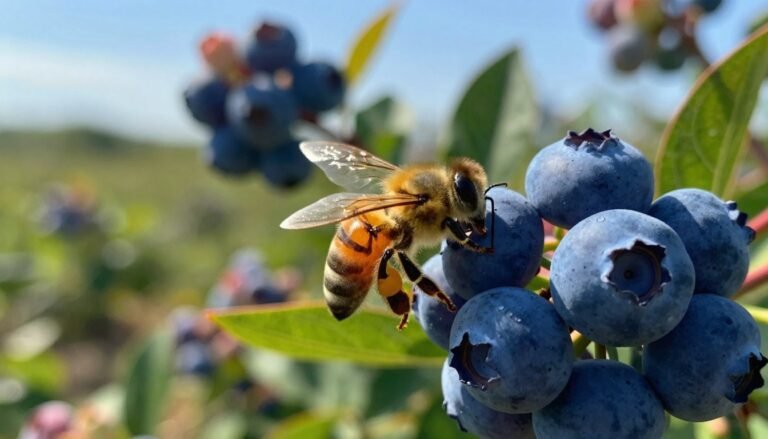
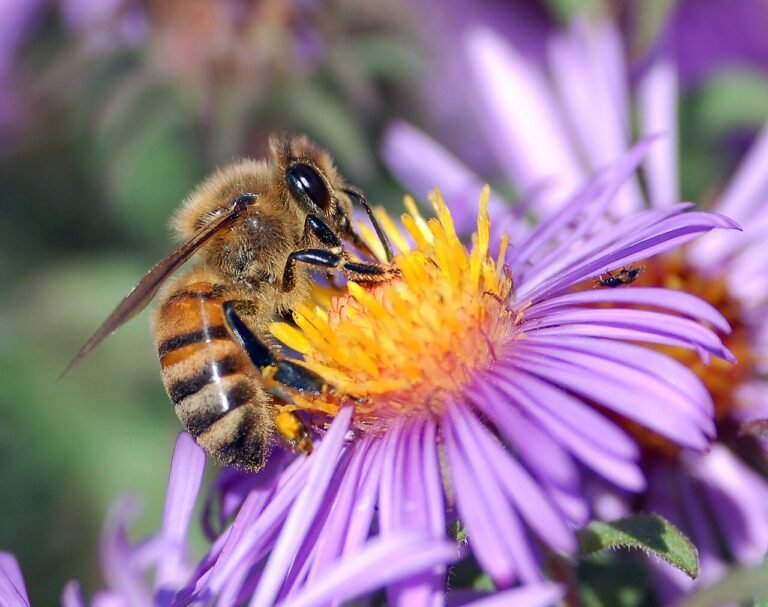
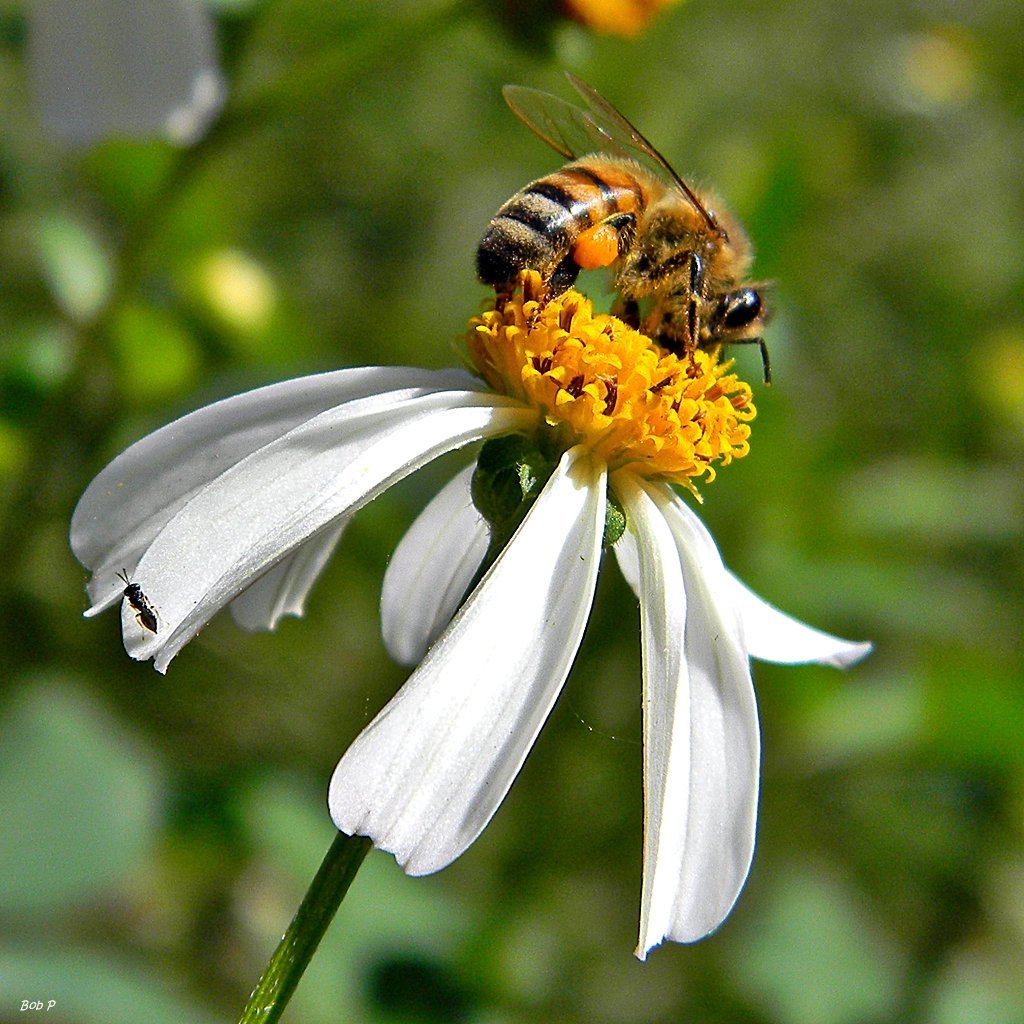
It’s worth being direct about a detail most casual stamp-history content glosses over: unlike pre-1978 U.S. stamp designs, which generally fall into the public domain, stamp designs the Postal Service has issued since 1978 are eligible for copyright protection, and USPS has historically held and enforced copyright on its modern stamp artwork. That covers all three of the bee stamps described here. This site’s own image-sourcing standard requires a verified public-domain or Creative-Commons-licensed image for anything actually reproduced on the page — a standard the stamp artwork itself doesn’t meet for the purposes of this article — so the photograph accompanying this piece is a genuine, independently licensed honey bee photograph rather than a scan or reproduction of any stamp design. If you want to see the actual stamps, the Smithsonian’s National Postal Museum and the Postal Service’s own philatelic archives are the appropriate, rights-holder-sanctioned places to look.
For Anyone Actually Collecting These
All three stamps described here are well within reach of an ordinary collector rather than a rare or high-value find — coil and definitive-series stamps from the 1980s and 1990s, and Forever stamps from 2017, were all issued in large volumes for everyday postal use rather than as limited commemoratives. For a beekeeper or bee-history enthusiast building a small themed collection, these three sit alongside the broader world of “entomophilately” — stamp collecting focused on insects — as a genuinely traceable, chronological set: a 1988 printing-technology milestone, a 1998 general-wildlife appearance, and a 2017 purpose-built conservation message, each reflecting how differently the same insect could be framed across three decades of U.S. postal design.
Frequently Asked Questions
When did a honey bee first appear on a U.S. postage stamp?
September 2, 1988, on a 25-cent coil stamp issued at the Omaha Stamp Show — notable as the first U.S. combination-process coil stamp.
What other U.S. stamps have featured a honey bee?
A 1998 32-cent “Giving and Sharing — An American Tradition” stamp, part of the Flora & Fauna definitive series, and a 2017 “Protect Pollinators” Forever stamp pair alongside the monarch butterfly.
What made the 2017 stamps different from the earlier ones?
The 2017 “Protect Pollinators” stamps were explicitly designed around pollinator conservation awareness, unlike the 1988 and 1998 stamps, which were general wildlife or definitive-postage subjects.
Why doesn’t this article show pictures of the actual stamps?
U.S. postage stamp designs issued since 1978 are eligible for copyright protection and the Postal Service has historically held rights to them, so this article describes the designs in text rather than reproducing copyrighted artwork without a verified license.
Are these bee stamps valuable to collectors?
Not typically as rarities — all three were issued in large volumes for everyday postal use, making them accessible, well-documented pieces for a themed collection rather than high-value finds.
This is covered in more depth by the U.S. Postal Service’s own newsroom.