On September 25, 1987, inspectors identified Varroa mites in honey bee colonies owned by a Wisconsin beekeeper that were being kept in Florida for the winter — the first confirmed detection of the parasite in the continental United States, and the starting point of a spread that reached all 48 contiguous states within roughly eight years. It’s one of the clearest dividing lines in modern American beekeeping history: everything before 1987 assumed bees could largely be left alone between inspections, and almost nothing since has.
Key Takeaways
- Varroa mites (then classified as Varroa jacobsoni, later reclassified as the distinct species Varroa destructor) were first confirmed in the continental United States on September 25, 1987, in colonies belonging to a Wisconsin beekeeper that were overwintering in Florida.
- By the spring of 1988, the mite had already been detected in a reported 12 states, and it continued spreading through interstate bee commerce and migratory beekeeping until it reached all 48 contiguous states by roughly 1995.
- Varroa devastated feral, untreated honey bee populations across North America in the years following its arrival, effectively eliminating the “wild” colonies many backyard beekeepers had previously relied on to requeen or recapture swarms.
- The mite’s arrival forced a permanent shift in how American beekeeping is practiced, from largely hands-off maintenance to active mite monitoring and treatment as a routine, ongoing part of keeping bees alive.
- Varroa is now understood as much more than a direct parasite — it’s a highly efficient vector for multiple honey bee viruses, which is part of why its impact has been so much more severe than earlier parasitic mite introductions.
Table of Contents
- September 1987: The First Confirmed Detection
- Twelve States by Spring, Coast to Coast by 1995
- What Varroa Did to America’s Feral Bees
- The Permanent Shift in How Beekeeping Is Practiced
- More Than a Mite: A Virus Delivery System
- Frequently Asked Questions
September 1987: The First Confirmed Detection
The mite that would go on to reshape American beekeeping wasn’t discovered in a hive sitting quietly in the Midwest. The first confirmed detection in the continental United States came on September 25, 1987, in Florida, in colonies that belonged to a Wisconsin beekeeper — bees that had been trucked south for the winter, a completely ordinary migratory practice that, in this instance, happened to be exactly how the discovery played out. Within the same year, Varroa was also confirmed directly in Wisconsin itself, which is why the story of “where Varroa first arrived in America” genuinely involves both states rather than a single clean point of origin. Varroa jacobsoni — the species classification used at the time; the North American lineage was later reclassified as the distinct species Varroa destructor — had already been a known parasite of the Asian honey bee, Apis cerana, for decades, but its jump to the globally dominant Western honey bee, Apis mellifera, is what made its arrival in the U.S. an emergency rather than a curiosity.
Twelve States by Spring, Coast to Coast by 1995
Varroa didn’t stay contained. By the spring of 1988 — barely six months after the first confirmed detection — the mite had reportedly already been found in 12 U.S. states, and the spread continued from there largely unchecked. Interstate package-bee and queen sales, plus the routine cross-country movement of migratory colonies for pollination contracts (a practice this site has covered in its history of migratory beekeeping in America), turned out to be an extremely efficient distribution network for a mite that spreads through direct contact between bees and drifting or robbing behavior between colonies. By approximately 1995, Varroa had been detected in all 48 contiguous states — a complete national spread accomplished in roughly eight years, an alarmingly short timeline for a parasite with no natural predators or existing resistance in the American bee population to slow it down.
What Varroa Did to America’s Feral Bees
Before 1987, wild and feral honey bee colonies — swarms that had escaped managed hives and set up in hollow trees, wall cavities, and other natural cavities — were a genuine, dependable resource across much of the country. Beekeepers could recapture swarms, and unmanaged colonies provided a kind of background reservoir of bee genetics and pollination that nobody was actively maintaining. Varroa changed that within a matter of years. Untreated feral colonies had no way to manage mite loads on their own, and the mite’s role as a virus vector (more on that below) meant infested colonies typically collapsed rather than simply struggling along. Feral colony populations across large parts of the country crashed dramatically in the years following Varroa’s arrival, and while some regional feral populations have since developed a degree of natural resistance — the Arnot Forest survivor colonies in New York being one of the more studied examples — the pre-1987 assumption that “wild bees are just out there if you need them” largely stopped being true.
The Permanent Shift in How Beekeeping Is Practiced
The clearest historical marker of Varroa’s impact isn’t a statistic — it’s a change in behavior that’s still in effect today. Beekeeping practice before 1987 could reasonably involve installing a package, checking on it periodically, and treating disease outbreaks as they appeared. Varroa turned mite monitoring and treatment into a mandatory, recurring part of the calendar for nearly every managed colony in the country, whether through chemical treatments, organic acids, mechanical methods, or resistant genetic stock. It’s the single biggest reason modern beekeeping literature and extension guidance treats “when did you last check your mite counts” as a baseline question rather than an advanced one — a shift directly traceable to what happened in Florida and Wisconsin in the fall of 1987.
More Than a Mite: A Virus Delivery System
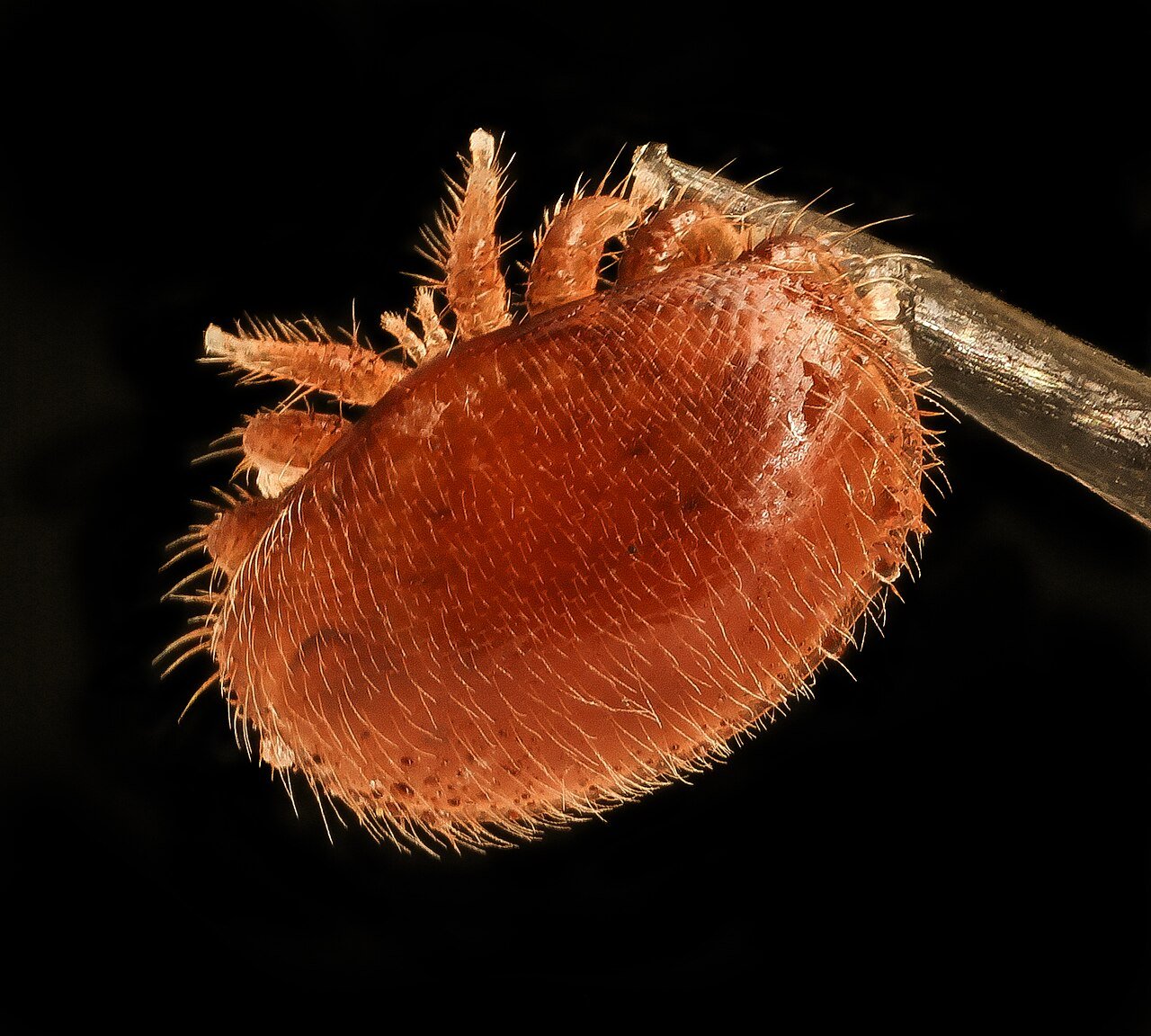
Part of why Varroa proved so much more destructive than earlier parasitic mite introductions is that it doesn’t just feed on bees directly — it’s an extremely effective vector for honey bee viruses, deformed wing virus chief among them, which it transmits directly into a bee’s hemolymph as it feeds. A colony can sometimes tolerate a moderate mite load on its own, but the viral loads Varroa introduces and amplifies are frequently what actually kill a colony, which is part of why “Varroa mites” and “virus collapse” are so often discussed together in the decades since 1987, including in the events that led to the very different, but related, story this site covers in its history of Colony Collapse Disorder.
Frequently Asked Questions
When were Varroa mites first found in the United States?
Varroa mites were first confirmed in the continental United States on September 25, 1987, in Florida, in colonies belonging to a Wisconsin beekeeper. Wisconsin itself reported detections the same year.
How fast did Varroa spread across the country?
Very fast by parasite-invasion standards: a reported 12 states by spring 1988, and all 48 contiguous states by approximately 1995 — roughly eight years from first detection to nationwide presence.
What happened to wild bee colonies after Varroa arrived?
Feral and wild honey bee colony populations crashed dramatically across much of the country in the years following 1987, since untreated colonies had no way to manage the mite or the viruses it transmits. Some regional feral populations have since developed partial natural resistance.
Is Varroa destructor the same species that was first found in 1987?
Not exactly. The 1987 detections were classified as Varroa jacobsoni at the time. The lineage that actually invaded Western honey bee populations worldwide was later reclassified as a distinct species, Varroa destructor.
Why is Varroa considered worse than other bee parasites?
Largely because it doesn’t just feed on bees — it’s a highly efficient vector for honey bee viruses, especially deformed wing virus, which it injects directly into a bee’s body as it feeds. The viral damage it spreads is often more directly responsible for colony losses than the physical parasitism itself.
For further reading, see American Bee Journal.