A bee sting during pregnancy is almost always a non-issue medically — the venom itself doesn’t meaningfully cross the placenta, and a normal, non-allergic reaction poses no known long-term risk to the baby. The real concern isn’t the sting itself; it’s what happens if you’re one of the roughly 5-7% of adults with a genuine insect venom allergy, where the danger comes from anaphylaxis, not the venom directly — and here, a persistent, widely-held fear (that epinephrine is somehow dangerous during pregnancy) leads some pregnant beekeepers and gardeners to hesitate at exactly the moment they shouldn’t.
This guide covers what actually happens when a pregnant person is stung, why epinephrine remains the correct emergency treatment regardless of pregnancy, what the research says about continuing venom immunotherapy if you’re already on it, and practical precautions for pregnant beekeepers specifically.
Key Takeaways
- Bee venom does not meaningfully cross the placenta — a normal sting reaction (pain, swelling, redness) poses no known direct risk to the fetus, even without a known allergy.
- If you have a known venom allergy, untreated allergic pregnant women face a 3-5% risk of anaphylaxis from a sting — this is the actual danger, not the venom itself.
- Epinephrine remains the correct first-line treatment for anaphylaxis during pregnancy — the risk of untreated anaphylaxis to both mother and fetus is far greater than any theoretical risk from epinephrine itself.
- Venom immunotherapy should not be started during pregnancy, but current research shows well-tolerated maintenance VIT can safely continue if pregnancy begins mid-treatment.
- Pregnant beekeepers with no known allergy don’t need to stop working hives, but extra caution around protective gear and having a plan for a first-time reaction is reasonable.
Table of Contents
- If You Have No Known Allergy
- If You Have a Known Venom Allergy
- Why Epinephrine Is Still the Right Emergency Treatment
- Continuing Venom Immunotherapy During Pregnancy
- Practical Precautions for Pregnant Beekeepers
- Frequently Asked Questions
If You Have No Known Allergy
For the majority of pregnant people with no history of insect sting allergy, a sting is unpleasant but medically unremarkable. Bee venom is unlikely to cross the placenta in any meaningful quantity, and in the vast majority of cases, a normal local reaction — pain, redness, swelling confined to the sting site — poses no long-term risk to the developing baby. The same basic first-aid steps apply as for anyone else: remove the stinger if present, clean the area, apply a cold compress, and take an antihistamine or pain reliever considered safe for pregnancy if needed, ideally after checking with your OB.
A large local reaction — significant swelling extending well beyond the sting site itself, sometimes affecting a whole hand or arm — can look alarming during pregnancy specifically, since any noticeable swelling naturally raises more concern when you’re already monitoring your body closely. This pattern is uncomfortable but still fundamentally different from a systemic allergic reaction, and doesn’t on its own indicate a new venom allergy or a risk to the pregnancy. It’s still reasonable to call your OB or midwife to mention it, particularly for a first-time large local reaction, simply to have it on record and confirm nothing about the presentation is atypical.
If You Have a Known Venom Allergy
The real risk calculus changes if you have a documented insect venom allergy. Research indicates a 3% to 5% risk of sting-triggered anaphylaxis in a pregnant person with an insect-sting allergy who isn’t protected by venom immunotherapy — a genuinely serious risk given anaphylaxis’s potential to affect both mother and fetus simultaneously through the physiological stress of a severe systemic reaction, including drops in blood pressure that can reduce blood flow to the placenta. This is precisely why pregnant beekeepers or gardeners with a known allergy need a clear, rehearsed emergency plan, not just a general sense that “stings are more concerning now.”
That plan should be concrete, not vague: know exactly where your epinephrine auto-injector is at all times during hive work, make sure at least one other person nearby knows how to administer it if you’re unable to, and confirm in advance which emergency room or urgent care is both close to wherever you’re keeping bees and equipped to monitor a pregnant patient after an anaphylactic event, since a reaction during pregnancy typically warrants fetal monitoring in addition to standard anaphylaxis treatment, not just the epinephrine and observation period a non-pregnant patient would receive.
Why Epinephrine Is Still the Right Emergency Treatment
A common and genuinely dangerous misconception is hesitating to use a prescribed epinephrine auto-injector during pregnancy out of fear it could harm the baby. The clinical evidence doesn’t support this fear: medical guidance from UPMC and other health systems is explicit that the risks of untreated anaphylaxis to a pregnant person and fetus are significantly higher than any risk posed by epinephrine treatment itself. There is a theoretical concern about epinephrine causing uterine artery spasm at high doses, but standard emergency dosing for anaphylaxis has no established pattern of causing harm, and treating a possible anaphylactic reaction as a real one — administering epinephrine promptly rather than waiting to see if symptoms worsen — is the guidance in the Australasian Society of Clinical Immunology and Allergy’s (ASCIA) own acute-management guidelines for anaphylaxis in pregnancy, which recommend the same first-line epinephrine treatment used for non-pregnant patients. The single most important takeaway: do not delay or skip epinephrine during a suspected anaphylactic reaction because you’re pregnant. The delay itself is the dangerous choice, not the medication.
The one situation where blood pressure specifically matters is if you already have elevated blood pressure going into the reaction – guidance suggests some additional monitoring caution at readings around 130/80 mmHg or higher, since epinephrine does raise blood pressure as part of how it works. This isn’t a reason to withhold treatment during an actual anaphylactic emergency, since untreated anaphylaxis causes its own dangerous blood pressure drop that outweighs this concern, but it’s worth mentioning to your OB if you have any pre-existing blood pressure condition, so it’s factored into your specific emergency plan rather than discovered for the first time during a reaction.
Continuing Venom Immunotherapy During Pregnancy
If you’re not yet on venom immunotherapy (VIT), current guidance is that it shouldn’t be started fresh during pregnancy — the build-up phase itself carries some risk of triggering a reaction, and that risk-benefit calculation shifts during pregnancy. However, if you’re already established on well-tolerated maintenance VIT when you become pregnant, the picture is more reassuring: research, including a recent multicentre study, has found that continuing well-tolerated maintenance venom immunotherapy during pregnancy carries no increased risk of miscarriage, preterm birth, or other significant adverse effects. This is a genuinely important distinction — starting VIT during pregnancy and continuing an already-established, well-tolerated maintenance regimen are two different clinical situations with different guidance, and this decision should always be made in direct consultation with your allergist and OB together, not decided unilaterally in either direction.
If you do continue maintenance VIT during pregnancy, expect your allergist to watch more closely for any signs of a reaction to the injections themselves during this period, even if your maintenance dose has been well tolerated for years beforehand – pregnancy can shift how the immune system responds in ways that aren’t always predictable in advance, which is exactly why ongoing monitoring, not a one-time decision at the start of pregnancy, is the standard of care.
Practical Precautions for Pregnant Beekeepers
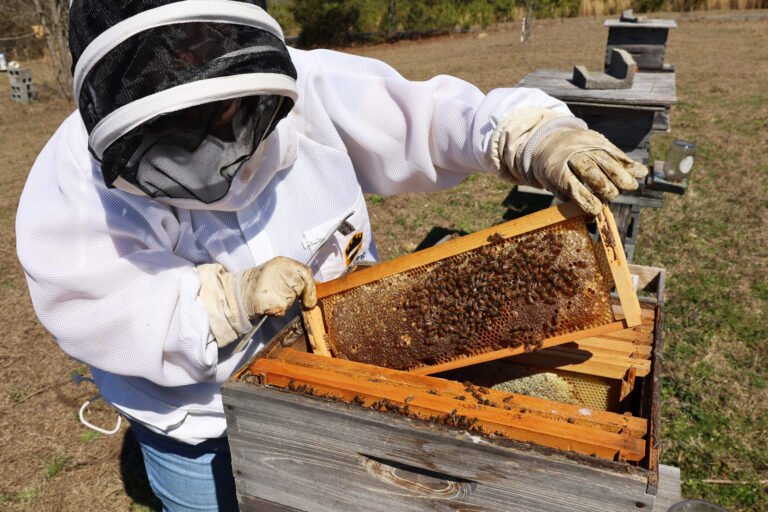
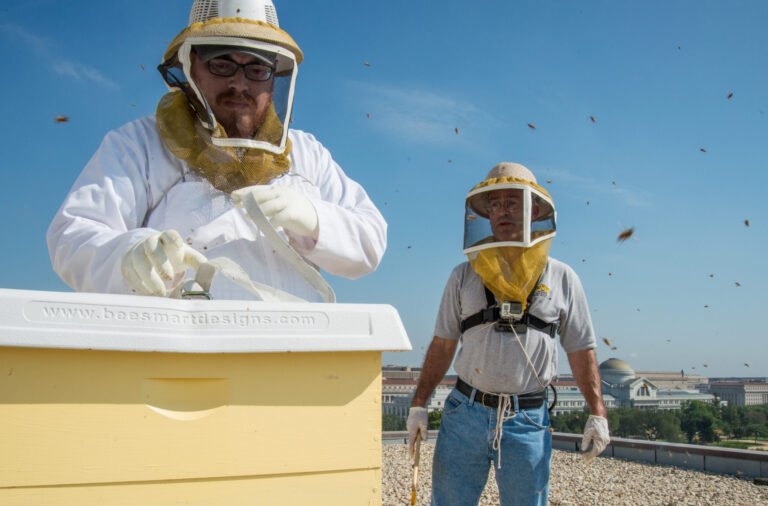
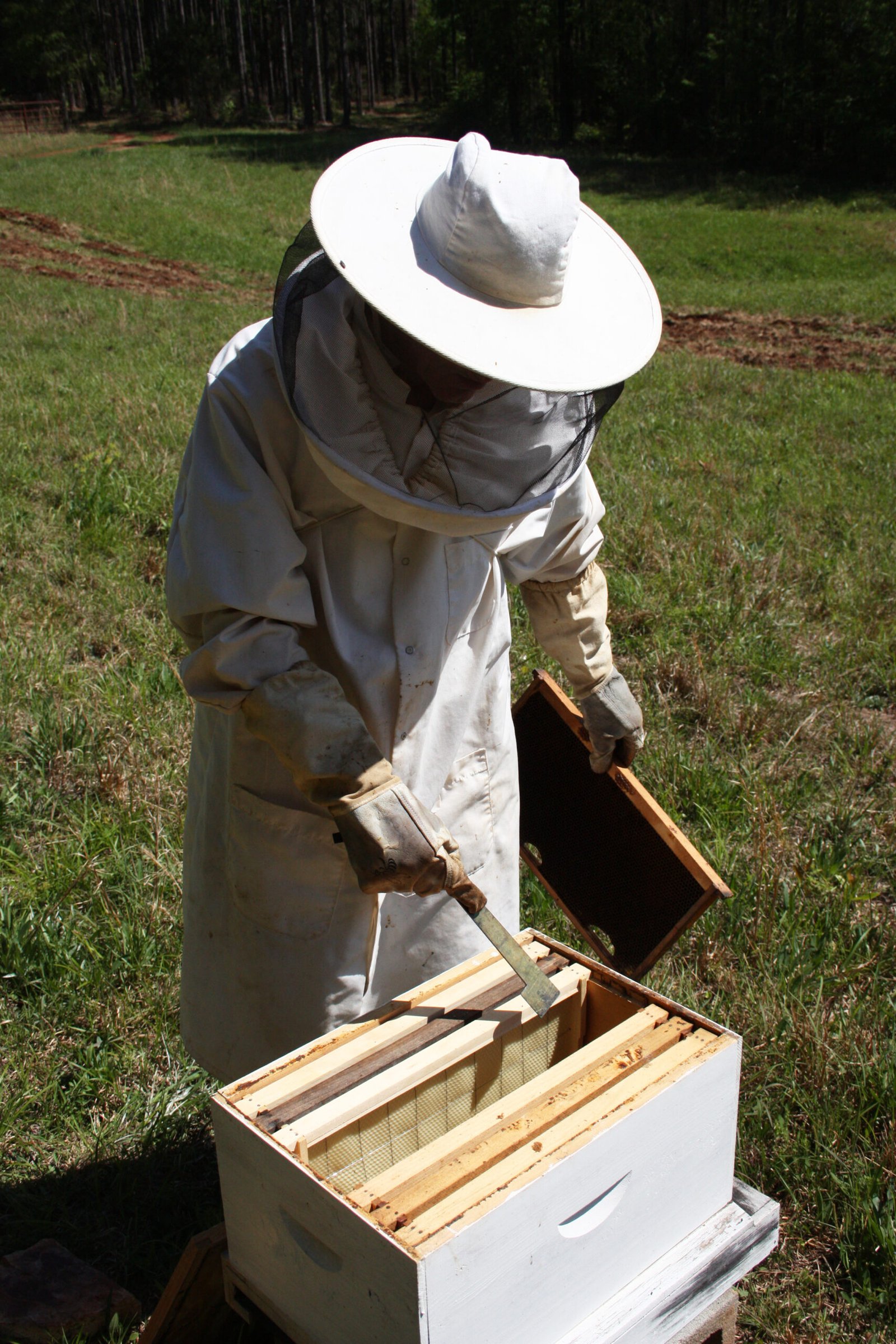
Pregnant beekeepers without a known allergy generally don’t need to stop working hives, but a few sensible adjustments are worth considering: wearing full protective gear consistently rather than the more casual approach some experienced beekeepers adopt over time, avoiding hive inspections alone during later pregnancy when mobility and quick movement are more limited, and having a clear plan (and a phone within reach) in case a first-time allergic reaction occurs, since it’s possible to develop a new sting allergy at any point in life, including during pregnancy, even with no prior reaction history. For beekeepers with a known allergy, this is also a reasonable point to discuss hive-management logistics with a partner or fellow beekeeper — having someone else present during inspections, or temporarily shifting hands-on hive work to another household member, isn’t an overreaction given the stakes.
It’s also worth being realistic about physical changes as pregnancy progresses: reduced mobility, balance shifts, and slower reaction time in the third trimester specifically can make quick, careful movement around an agitated hive genuinely harder, independent of any allergy question at all. Scaling back to lighter, shorter inspections during a strong nectar flow or known-defensive period in late pregnancy is a reasonable adjustment many beekeepers make, not a sign of giving up the hobby, and it’s no different in spirit from any other physically demanding activity worth moderating rather than eliminating during pregnancy.
Frequently Asked Questions
Can a bee sting hurt my baby during pregnancy?
A normal, non-allergic sting reaction poses no known direct risk — bee venom doesn’t meaningfully cross the placenta. The real risk is anaphylaxis in someone with a known allergy, not the sting itself.
Is it safe to use my EpiPen while pregnant?
Yes. Epinephrine remains the correct first-line treatment for anaphylaxis during pregnancy — the danger of untreated anaphylaxis to both mother and fetus is far greater than any risk from the medication.
Can I continue allergy shots (VIT) if I get pregnant mid-treatment?
If you’re already on well-tolerated maintenance VIT, research supports continuing it safely. Starting VIT fresh during pregnancy isn’t recommended. Discuss your specific situation with your allergist and OB.
Should pregnant beekeepers stop keeping bees?
Not necessarily if there’s no known allergy — consistent use of full protective gear and having an emergency plan are reasonable precautions rather than stopping entirely.
Can you develop a new bee sting allergy during pregnancy?
Yes, a new allergy can develop at any point in life, including during pregnancy, even with no prior reaction history — this is part of why having a plan matters even for beekeepers who’ve never reacted before.
FAQ
Can a bee sting hurt my baby during pregnancy?
A normal reaction poses no known direct risk; the real risk is anaphylaxis in someone with a known allergy.
Is it safe to use my EpiPen while pregnant?
Yes, epinephrine remains the correct first-line treatment for anaphylaxis during pregnancy.
Can I continue allergy shots (VIT) if I get pregnant mid-treatment?
Well-tolerated maintenance VIT can typically continue safely; starting fresh isn’t recommended.
Should pregnant beekeepers stop keeping bees?
Not necessarily without a known allergy, though full protective gear and an emergency plan are wise.
Can you develop a new bee sting allergy during pregnancy?
Yes, a new allergy can develop at any point in life, including during pregnancy.