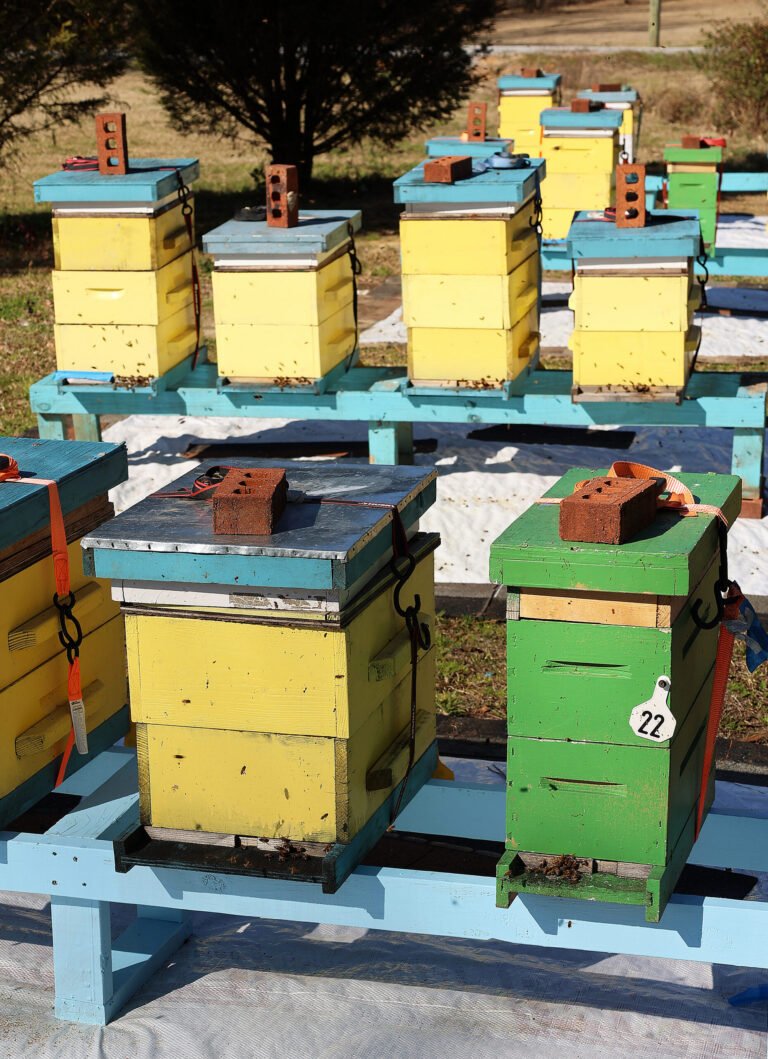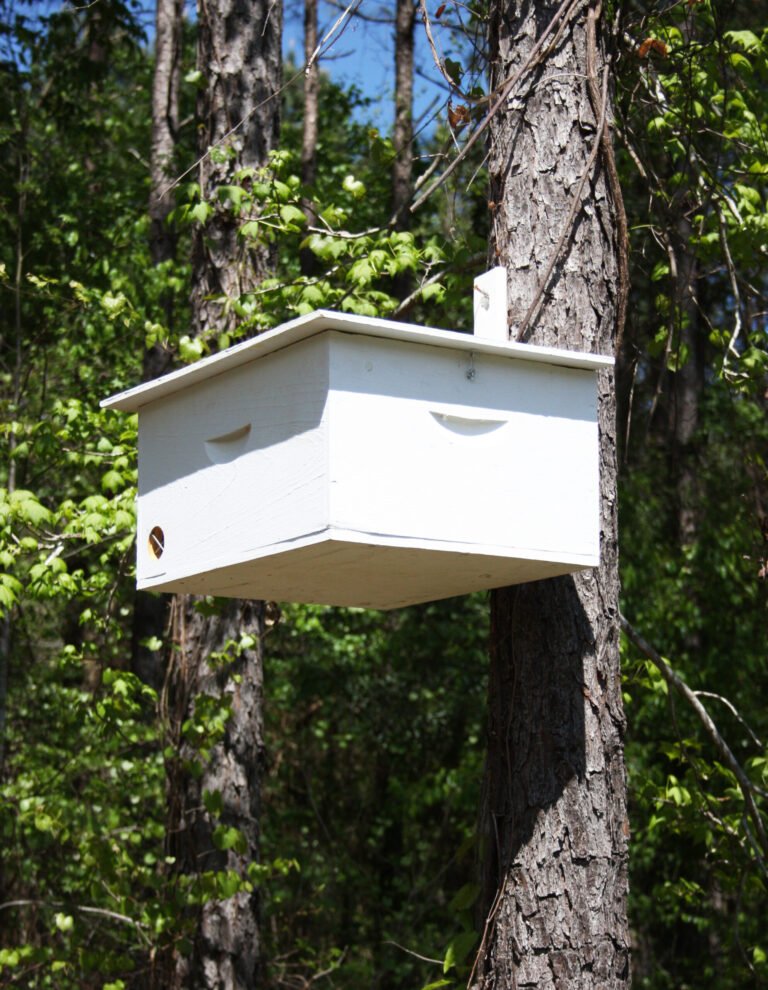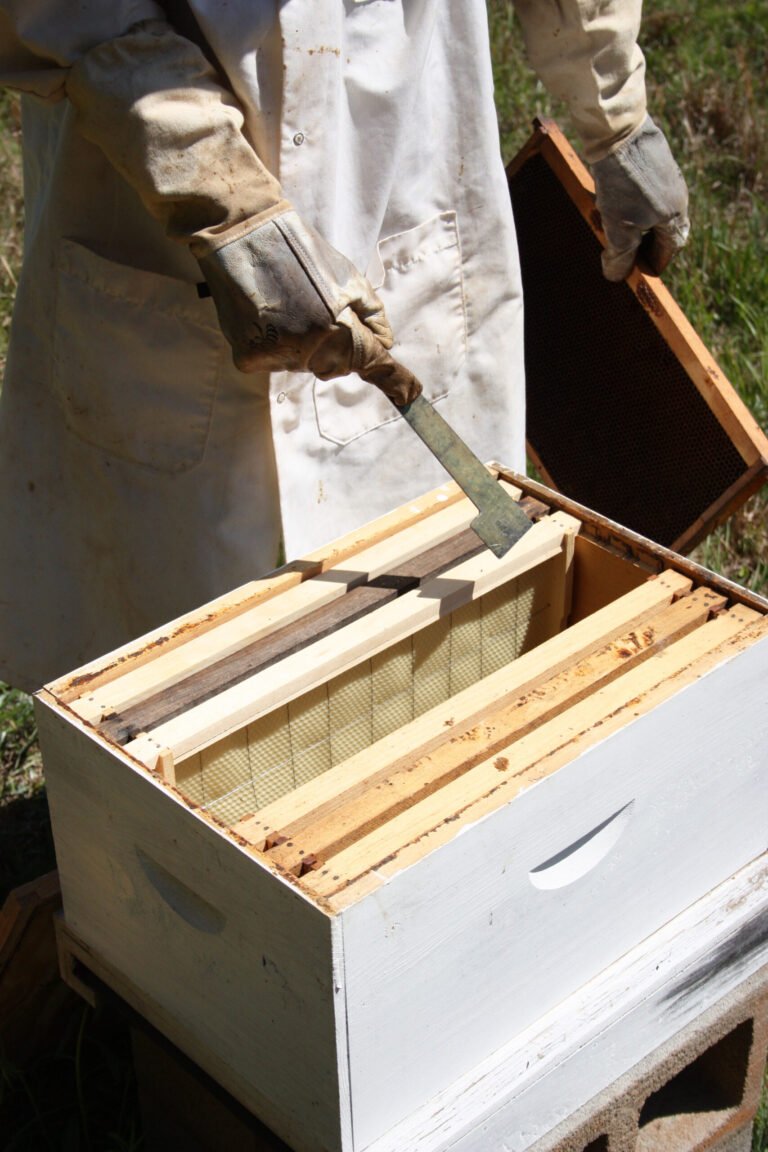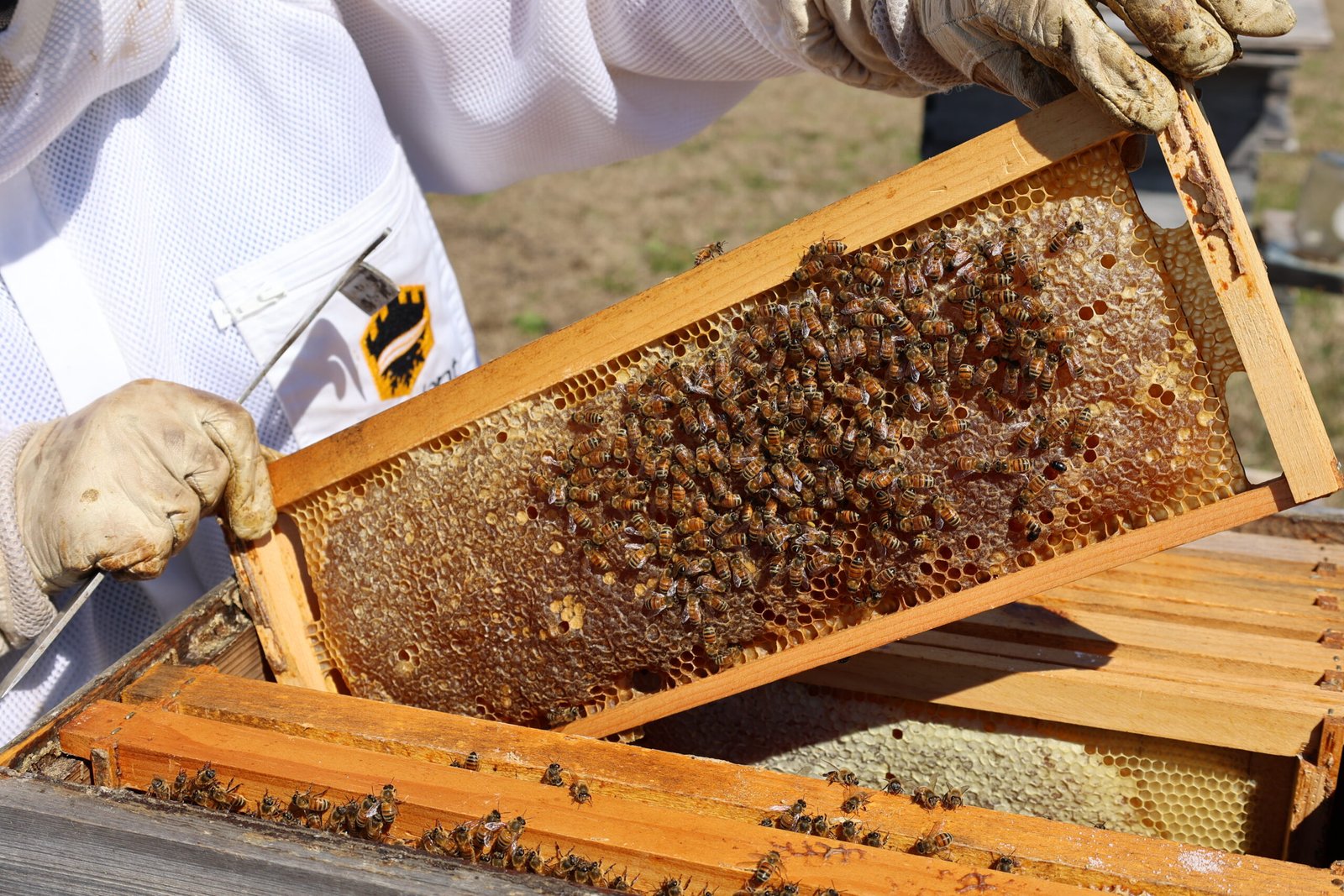
If your own property can’t support the hive count you want, renting or borrowing someone else’s land — a “host-a-hive” arrangement — is one of the most practical ways to scale a beekeeping operation without buying acreage. Farmers with unused field edges, orchard owners who want pollination, and even churches or businesses with open lawns are often genuinely receptive, since a few beehives cost them nothing and can benefit their own land. The part most beekeepers get wrong isn’t finding a host — it’s skipping the written agreement that protects both sides when something inevitably goes slightly wrong.
This guide covers how to find land to host hives, what a proper host-a-hive agreement actually needs to include, how compensation typically works, who’s liable if something goes wrong, and how to end the arrangement cleanly if it isn’t working out.
Key Takeaways
- Farms, orchards, community gardens, schools, and small businesses are the most receptive hosts, since hives cost them nothing and offer pollination benefits.
- A written agreement — not a handshake deal — should cover access, compensation, pesticide use, exclusivity, and liability before a single hive is placed.
- Compensation is usually in-kind (honey), not cash: a set number of jars or pounds per year is the most common arrangement found across real landowner-beekeeper contracts.
- The beekeeper, not the landowner, typically carries the liability risk in a well-drafted agreement — but only if that’s actually written down.
- A pesticide-notification clause is the single most important protection clause, since unannounced spraying is the most common way a hosted apiary gets wiped out.
Table of Contents
- Finding Land to Host Your Hives
- What a Host-a-Hive Agreement Needs to Include
- How Compensation Usually Works
- Who’s Liable If Something Goes Wrong
- Ending the Arrangement Cleanly
- Frequently Asked Questions
Finding Land to Host Your Hives
The most receptive hosts are the ones who directly benefit from having bees nearby without wanting to manage them. Farmers and orchard owners are the classic example — a few hives near an apple or squash planting can measurably improve fruit set, so the landowner has a real incentive beyond simple generosity. Community gardens, schools, and churches are a close second: they often have unused corners of land, an interest in pollinator education, and no beekeeping knowledge of their own, making a hands-off host arrangement genuinely appealing to them. Small businesses with landscaped grounds — wineries, breweries, garden centers — are a third category worth approaching directly, since many actively want the sustainability branding a hosted apiary provides.
When approaching a potential host, lead with what’s in it for them rather than what you need: pollination benefits for their crops or garden, a modest supply of local honey, and effectively free pest-control-adjacent goodwill from having a working apiary on the property. Most successful arrangements start with a short site visit to confirm the land actually works — enough distance from foot traffic and property lines, a water source nearby or easy to add, and reasonable truck or cart access for moving equipment during inspections and harvest.
It’s worth casting a slightly wider net than the obvious “ask a farmer” approach. Local beekeeping associations often maintain informal lists of members with more land than colonies and members with more colonies than land, making an introduction far easier than a cold approach to a stranger. Land trusts, conservation easements, and nature preserves are another underused option — many actively want pollinator activity on protected land and have a formal (if slower) process for approving compatible uses like a hosted apiary. Realtors and land-listing services occasionally flag unused acreage specifically as beekeeping-friendly for exactly this reason, since a working apiary can support certain agricultural land classifications – see our guide on agricultural property tax exemptions for beekeeping for how that classification can benefit the landowner directly.
What a Host-a-Hive Agreement Needs to Include
A verbal handshake deal works right up until the landowner sells the property, a neighbor complains, or someone gets stung near the hives — at which point having nothing in writing leaves both sides guessing. A proper agreement, even a simple one-page document, should cover the following:
- Site and access: the specific hive location on the property, and when the beekeeper is allowed to access it (a standing right of entry, not a case-by-case ask).
- Term and renewal: how long the agreement runs (commonly one growing season or one year) and how it renews or terminates.
- Compensation: what the landowner receives in exchange — see the compensation section below.
- Pesticide and herbicide notice: a requirement that the landowner notify the beekeeper before applying any chemical treatment near the hives, ideally with enough lead time to temporarily screen or relocate colonies.
- Exclusivity: whether other beekeepers may also place hives on the property, and if so, a minimum distance between apiaries to avoid overcrowding local forage.
- Liability allocation: who is responsible if a hive stings a visitor, a delivery driver, or a neighbor’s pet — addressed in more detail below.
- Maintenance responsibilities: confirmation that the beekeeper, not the landowner, handles all hive management, and that unused equipment won’t be left stored on-site indefinitely.
The American Solar Grazing Association’s published solar-site beekeeping agreement template is a useful reference for the structure of these clauses even outside a solar-farm context, since the underlying landowner-beekeeper relationship it addresses — access, compensation, pesticide notice, and liability — is the same regardless of what the land is otherwise used for.
How Compensation Usually Works
Cash rent for apiary land is rare outside large-scale commercial pollination contracts. For a typical hobbyist or small-scale host arrangement, compensation is almost always in-kind: a fixed number of jars or pounds of honey per hive per year is the most common structure, often somewhere in the range of a few jars up to several pounds depending on how many hives are placed and how good the local forage is. Some arrangements substitute a discount or free product instead — a winery host might prefer a case of mead or infused honey over plain jars, for instance. A smaller number of arrangements involve no compensation at all beyond the pollination benefit itself, particularly with farms and orchards where the landowner is the one initiating the request.
Whatever the structure, put the specific quantity and timing in writing rather than leaving it as “some honey” — a vague verbal promise is the single most common source of friction in these arrangements once the first harvest actually happens and expectations turn out to have diverged.
Compensation should also scale sensibly with hive count rather than staying flat. A single hosted hive producing a modest surplus supports a token gift of a jar or two; five or six hives on the same property, producing enough surplus honey to actually matter, justifies a more substantial annual amount, sometimes structured as a percentage of the harvest rather than a fixed quantity so a bad year for the bees doesn’t leave the beekeeper owing more than the season actually produced.
Who’s Liable If Something Goes Wrong
In a well-drafted host-a-hive agreement, the beekeeper typically assumes liability for the bees themselves — stings, property damage from a swarm, or an aggressive colony — since the beekeeper is the party actually managing the risk. That allocation should be explicit in the agreement, not assumed, and a beekeeper operating on someone else’s land should strongly consider carrying dedicated liability coverage rather than relying on a homeowners policy, which frequently excludes off-premises beekeeping activity entirely. University extension guidance echoes this: as LSU AgCenter’s apiary insurance guidance notes, standard homeowner and farm policies often don’t automatically cover beekeeping-related claims, making a dedicated liability policy or rider the more reliable option for anyone placing hives on land they don’t own.
The landowner, in turn, typically takes on responsibility for anything within their own control — accurately disclosing pesticide use, maintaining safe access to the site, and not misrepresenting who else has access to the property. Splitting liability this way, and writing it down, is what actually protects both sides; an agreement that’s silent on liability defaults to whatever state premises-liability law says, which varies and is rarely favorable to either party in a dispute.
A commercial general liability policy sized for a small apiary is typically inexpensive relative to the protection it provides, and many beekeeping associations offer group-rate coverage to members specifically because so many members eventually place hives on land they don’t own. Ask a potential host directly whether they carry their own general liability coverage that might extend to activity on the property, since some do – but never assume it without seeing the policy, and never treat a host’s casual assurance that “we’re covered” as a substitute for the beekeeper’s own policy.
Ending the Arrangement Cleanly
Even a good host relationship eventually ends — a farm changes hands, a beekeeper scales down, or the forage simply isn’t what either side hoped. Building a defined end date and a notice period (30 to 60 days is typical) into the original agreement avoids an awkward, undefined exit later. On the beekeeper’s side, ending cleanly means removing all hives and equipment promptly, leaving the site as it was found, and settling any outstanding compensation owed for the current season. On the landowner’s side, it means giving the beekeeper reasonable advance notice and access to complete the move, rather than an immediate eviction that doesn’t allow for safe hive relocation.
Timing the move matters as much as the notice period itself. Relocating hives is far safer and less disruptive to the colony in early spring or late fall, when bee activity is lower, than in the middle of a summer nectar flow – a beekeeper who negotiates the exit timeline alongside the notice period, rather than treating them as the same thing, avoids being forced into a mid-season move that stresses the colonies unnecessarily. If the agreement changes ownership mid-term – the land is sold to a new owner – the original agreement should specify whether it transfers to the new owner automatically or terminates at the sale, since this is one of the more common ways a host arrangement ends abruptly without either the original landowner or the beekeeper intending it to.
Frequently Asked Questions
Do I have to pay cash rent to host hives on someone’s land?
Rarely for small-scale arrangements. In-kind compensation — usually a set amount of honey per year — is the standard structure outside large commercial pollination contracts.
Who is liable if my hosted hive stings someone?
Typically the beekeeper, if the agreement says so explicitly — which is why writing the liability allocation into the agreement, rather than leaving it unaddressed, matters.
Does my homeowners insurance cover a hive I keep on someone else’s property?
Usually not. Standard homeowner and farm policies frequently exclude beekeeping activity, especially off your own premises, making dedicated liability coverage the safer option.
What’s the most important clause in a host-a-hive agreement?
A pesticide-notification requirement. Unannounced spraying near hosted hives is one of the most common ways a hosted apiary gets wiped out with no recourse.
How much notice should I give before ending a host arrangement?
30 to 60 days is typical, giving the beekeeper enough time to safely relocate hives and equipment without a rushed, risky move.
FAQ
Do I have to pay cash rent to host hives on someone’s land?
Rarely. In-kind compensation, usually honey, is the standard structure for small-scale arrangements.
Who is liable if my hosted hive stings someone?
Typically the beekeeper, if the agreement explicitly allocates liability that way.
Does my homeowners insurance cover a hive I keep on someone else’s property?
Usually not — standard policies often exclude beekeeping activity, especially off your own premises.
What’s the most important clause in a host-a-hive agreement?
A pesticide-notification requirement, since unannounced spraying is a common cause of hosted-apiary losses.
How much notice should I give before ending a host arrangement?
30 to 60 days, to allow a safe relocation of hives and equipment.