Published September 1, 2026
Table of Contents
- What Orange Blossom Honey Actually Is
- The Real Pollen Standard Behind the Name
- Flavor Profile: Floral, Not Fruity
- Appearance and Color
- Where It’s Actually Produced
- Why “Pure” Orange Blossom Is Genuinely Rare in Florida
- How to Actually Use It
- Who Should Choose It
- Common Mistakes
- How It Compares to Tupelo and Buckwheat
- Verifying Authenticity
- A Note for Readers Managing Diabetes
- Storage and Crystallization
- A Beekeeper’s Perspective
- A Connection to Skincare Use
- Specific Culinary Pairings Worth Trying
- Price and Value
- Seasonal Bloom Timing
- A Note on Agricultural Pesticide Exposure
- Other Citrus-Adjacent Honey Varieties
- Frequently Asked Questions
What Orange Blossom Honey Actually Is
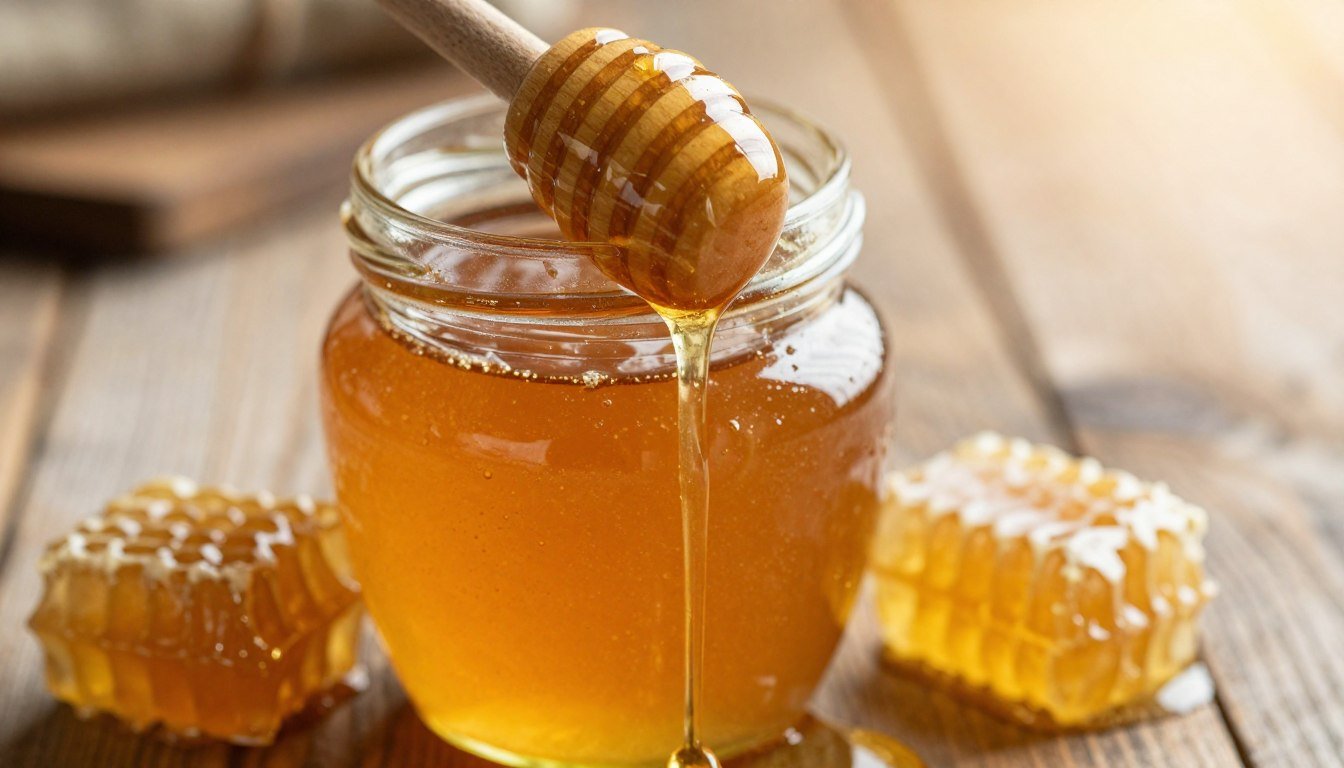
Orange blossom honey is a monofloral honey made primarily from citrus blossom nectar, though genuine commercial “orange blossom honey” is often more accurately a mixed-citrus honey, since bees foraging in citrus groves during bloom season don’t discriminate between orange, grapefruit, lemon, mandarin, and tangerine blossoms all flowering in overlapping ranges and timeframes. This honest, mixed-citrus reality doesn’t diminish the variety’s genuine appeal; it simply means “orange blossom” describes a dominant character rather than a strictly single-species product in most commercial cases.
The Real Pollen Standard Behind the Name
A meaningful, citable quality standard exists behind the name: honey is generally expected to show a citrus pollen count of roughly 20% or higher to be legitimately labeled orange blossom honey, giving buyers at least a rough, verifiable benchmark distinguishing genuine product from honey loosely marketed under the name without meeting any real compositional threshold. This threshold is a genuinely useful piece of information most casual buyers never encounter, since it rarely appears on consumer packaging despite being the actual standard producers and labs use.
Flavor Profile: Floral, Not Fruity
Orange blossom honey’s flavor is best described as bright, light, and delicately floral, with a character closer to jasmine or neroli (orange blossom water) than to actual orange juice or fruit, since the honey captures the blossom’s fragrance rather than the citrus fruit’s acidity or juiciness. This distinction surprises some first-time tasters expecting something closer to literal orange flavor, when the actual experience is a soft, perfumed floral note with only a gentle citrus lift on the finish.
Appearance and Color
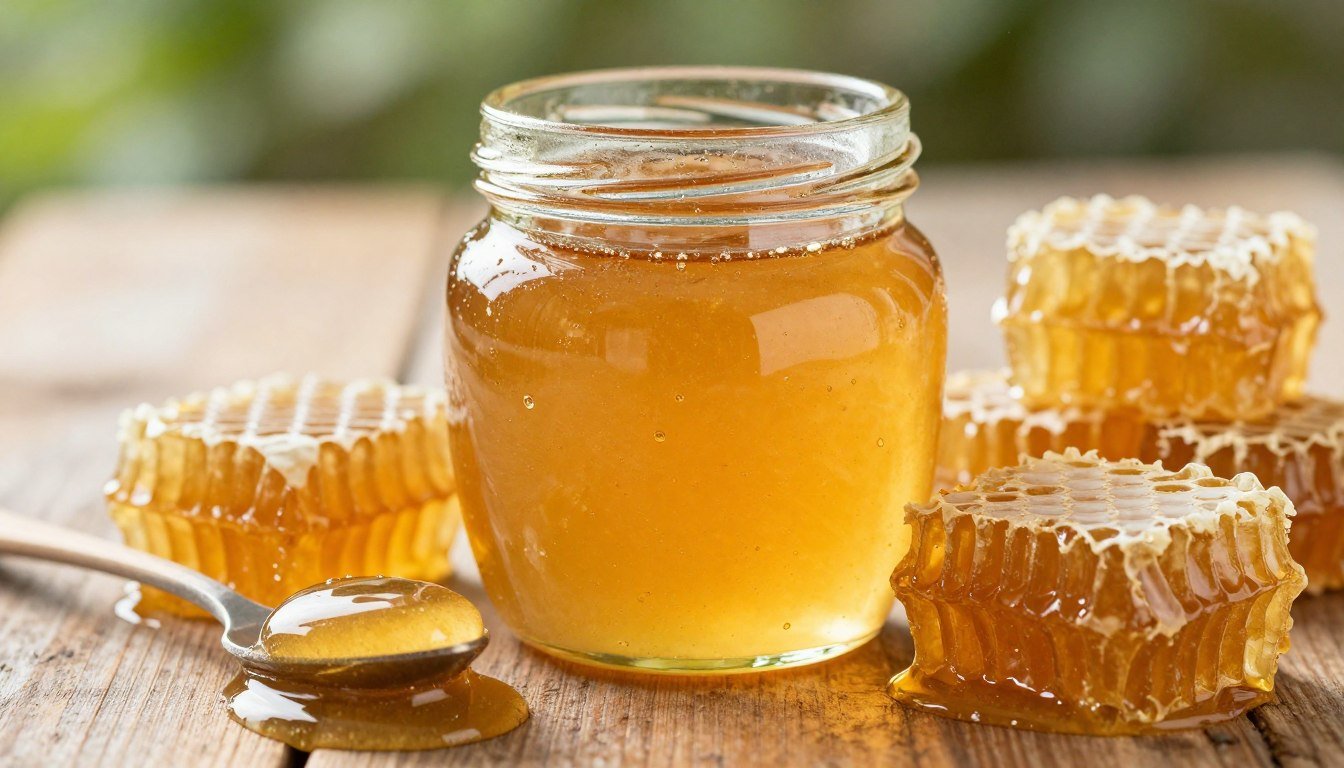
Orange blossom honey typically ranges from light amber to nearly white, with the lightest, mildest examples generally coming from years with an especially large citrus bloom that dilutes any contamination from other, darker-honey-producing nectar sources nearby. This pale coloring is part of why orange blossom honey is often favored specifically for applications where a very light, visually delicate honey is preferred over a darker, more assertive variety.
Where It’s Actually Produced
Major orange blossom honey production regions include Florida, California, northeastern Mexico, and Spain, each tied to significant commercial citrus-growing operations where beekeepers position hives specifically to capture the citrus bloom each spring. This agricultural-partnership dynamic mirrors buckwheat honey’s relationship with cover-crop farming, since orange blossom honey production is fundamentally tied to commercial citrus agriculture rather than wild, unmanaged forage.
Why “Pure” Orange Blossom Is Genuinely Rare in Florida
Genuinely pure, single-species orange blossom honey is actually harder to find from Florida specifically than many buyers assume, since Florida’s citrus-growing regions typically have multiple citrus varieties and other competing blooming plants within bee foraging range at the same time, producing a more mixed-nectar honey than a truly isolated orange-only harvest. California, by contrast, more often achieves purer orange blossom honey because its citrus-growing regions face less competing bloom overlap during the relevant nectar flow window, a genuinely interesting geographic distinction most buyers never learn.
How to Actually Use It
Orange blossom honey’s light, floral character makes it a popular choice in delicate applications where a stronger honey would overpower the dish, including drizzled over yogurt, stirred into tea, used in light glazes for fish or chicken, or incorporated into delicate baked goods like shortbread or pound cake where its subtle citrus-floral note can actually be tasted rather than lost. It generally isn’t the right choice for bold, dark, or heavily spiced recipes where a more assertive honey like buckwheat would hold up better.
Who Should Choose It
Orange blossom honey suits readers wanting a mild, universally pleasant, all-purpose honey for everyday tea, yogurt, and delicate cooking applications, particularly anyone who finds bolder varieties like buckwheat too assertive for regular use. It’s a weaker fit for anyone specifically seeking a bold, distinctive flavor or the documented high-antioxidant profile of darker varieties, where a different single-source honey would better match those particular goals.
How It Compares to Tupelo and Buckwheat
Orange blossom honey sits closer to tupelo honey than buckwheat honey on the overall flavor spectrum, both are light, delicate varieties, though orange blossom’s distinctive floral-citrus character is genuinely different from tupelo’s buttery smoothness and non-crystallizing chemistry. Together, these three varieties, covered in their own dedicated guides on this site, illustrate the genuine range of character single-source American honey can offer, from orange blossom’s floral brightness through tupelo’s buttery delicacy to buckwheat’s bold, mineral-rich intensity.
Verifying Authenticity
As covered in general terms in our guide to spotting fake honey, orange blossom honey’s light color and mild flavor make it easier to convincingly blend or dilute than a more distinctive dark variety, meaning the pollen-count verification discussed earlier in this article is a genuinely useful, specific tool for this variety in particular. Buying from a beekeeper who works directly with citrus groves and can speak specifically to bloom timing and pollen testing remains the most reliable practical verification available.
A Note for Readers Managing Diabetes
Orange blossom honey’s specific glycemic properties haven’t been extensively studied as a distinct variety in dedicated clinical research, so readers managing diabetes should apply the same general portion-control guidance covered in our honey and diabetes article rather than assuming its lighter color or milder flavor changes its fundamental status as a concentrated sugar source.
Storage and Crystallization
Orange blossom honey follows standard honey storage principles, sealed and kept at room temperature away from direct sunlight and excess humidity, and it crystallizes at a fairly typical rate for most honey varieties, unlike tupelo’s unusual crystallization resistance. Crystallized orange blossom honey remains completely safe to eat and can be gently warmed to restore a liquid, pourable texture.
A Beekeeper’s Perspective
From a working beekeeper’s point of view, positioning hives near citrus groves during bloom season represents a genuinely rewarding seasonal opportunity, both for the honey’s popular, crowd-pleasing flavor and for the practical coordination it requires with grove owners and agricultural schedules, similar in spirit to the buckwheat cover-crop partnership discussed in our buckwheat honey guide. This agricultural cooperation, matching hive placement to a specific crop’s bloom window, is a recurring theme across several of the specialty honey varieties covered on this site.
A Connection to Skincare Use
Orange blossom honey’s mild, pleasant character makes it a popular choice specifically for DIY honey face masks, covered in more general terms in our guide to honey and skin, since its light color and gentle floral scent suit a cosmetic application better than a strongly flavored, dark variety like buckwheat would. This is purely a sensory and practical preference rather than any documented difference in skincare effectiveness between honey varieties specifically.
Specific Culinary Pairings Worth Trying
Orange blossom honey pairs particularly well with fresh fruit, especially berries and stone fruit, where its light floral sweetness complements rather than competes with the fruit’s own natural flavor, and it works beautifully drizzled over fresh ricotta or plain Greek yogurt for a simple, elegant breakfast or dessert. It’s also a popular choice in Middle Eastern and Mediterranean-inspired baking, where citrus-floral honey notes have a long culinary tradition alongside ingredients like rosewater and pistachio.
Price and Value
Orange blossom honey is generally moderately priced compared to other single-source American honey varieties, typically less expensive than genuinely rare varieties like tupelo but positioned as a recognizable specialty product above generic wildflower blends, reflecting its wide availability from established citrus-growing regions rather than the extreme scarcity driving tupelo’s premium pricing. This makes it an accessible, approachable entry point for anyone wanting to try a genuine single-source honey without committing to the highest price tier.
Seasonal Bloom Timing
Citrus groves typically bloom in early spring, generally February through April depending on the specific region and local climate, giving beekeepers positioned near commercial citrus operations one of the earliest significant nectar flows of the beekeeping season in warmer climates. This early timing can make orange blossom honey a colony’s first substantial harvest of the year in citrus-growing regions, arriving well before many other major nectar sources begin blooming further north.
A Note on Agricultural Pesticide Exposure
Because orange blossom honey production depends on commercial citrus agriculture, beekeepers working with grove owners generally coordinate hive placement and timing carefully around any pesticide application schedules, a genuine practical consideration distinct from wild-forage honey sources that don’t involve this kind of managed agricultural relationship. Reputable producers maintain open communication with grove operators specifically to minimize this risk, part of the broader agricultural coordination discussed earlier in this article. Buyers specifically interested in this dimension can reasonably ask a producer directly about their pesticide-coordination practices, the same way they might ask about hive locations or pollen testing when verifying general authenticity.
Other Citrus-Adjacent Honey Varieties
Beyond orange blossom specifically, honey producers occasionally market related citrus varieties like grapefruit blossom or lemon blossom honey, each with its own subtly distinct flavor nuance despite the underlying botanical similarity to orange blossom’s citrus-family origin. These remain considerably less common commercially than orange blossom honey specifically, since orange groves represent by far the largest citrus-growing acreage among the major citrus varieties in most honey-producing regions, giving orange blossom the dominant market position within this broader citrus-honey family.
Frequently Asked Questions
Does orange blossom honey actually taste like oranges?
Not really. Despite the name, most tasters describe the flavor as floral and slightly citrusy rather than tasting directly like orange fruit, closer to jasmine or neroli than to fresh-squeezed juice. If you’re expecting an intense orange flavor, the subtlety can be a surprise the first time you try it.
Is orange blossom honey the same thing as orange creamed honey or orange-infused honey?
No, and this is a common point of confusion worth clarifying. Orange blossom honey is a single-source nectar honey collected from citrus blossoms with no added flavoring, while orange creamed honey or orange-infused honey products typically involve actual orange zest, extract, or flavoring blended into a base honey after harvest. Read labels carefully, since the marketing language on some products can blur this distinction.
Does orange blossom honey crystallize?
Yes, like most honey varieties that aren’t unusually high in fructose, orange blossom honey will crystallize over time, typically developing a fine, smooth crystal texture rather than a coarse or gritty one. This is a normal, harmless process rather than a sign of spoilage or poor quality.
Common Mistakes
Assuming any honey labeled “orange blossom” is a strictly single-species product overlooks that most commercial orange blossom honey is genuinely a mixed-citrus blend, meeting a compositional threshold rather than representing pure isolation from all other nectar sources. Expecting a strong, literal orange-fruit flavor rather than a delicate, floral, jasmine-like character sets up a mismatched expectation for what the honey actually tastes like. Assuming Florida-sourced orange blossom honey is automatically purer than California-sourced honey ignores the real, documented geographic differences in bloom overlap between the two regions.
Sources
Findings reflect published horticultural literature on citrus bloom honey production, standard pollen-count thresholds for monofloral honey labeling, and regional comparisons of citrus-growing bloom overlap between Florida and California.
FAQ
Does orange blossom honey taste like oranges?
Not exactly – it has a delicate, floral character closer to jasmine or neroli (orange blossom water) than to actual orange fruit, with only a gentle citrus lift rather than a strong fruity flavor.
Is orange blossom honey made purely from orange blossoms?
Usually not strictly – most commercial orange blossom honey is a mixed-citrus honey from orange, grapefruit, lemon, and other citrus blossoms blooming together, meeting a roughly 20% or higher citrus pollen threshold.
Where does orange blossom honey come from?
Major production regions include Florida, California, northeastern Mexico, and Spain, each tied to significant commercial citrus agriculture where beekeepers position hives during the spring bloom.
Is Florida or California orange blossom honey purer?
California often produces purer, more single-species orange blossom honey since its citrus regions face less competing bloom overlap, while Florida’s multiple citrus varieties and other blooming plants typically produce a more mixed-nectar honey.