When to Melt Down Your Old Comb: 5 Clear Signs

Discover the 5 clear signs it is time to melt down old comb and learn when to recycle your old hair tools for a more efficient grooming routine.

Every beekeeper must watch wax and honeycomb health. Researchers recommend replacing aged comb every five or six years to protect colony welfare and sustain honey yields. Old wax can hold contaminants and parasites that harm brood and reduce productivity.

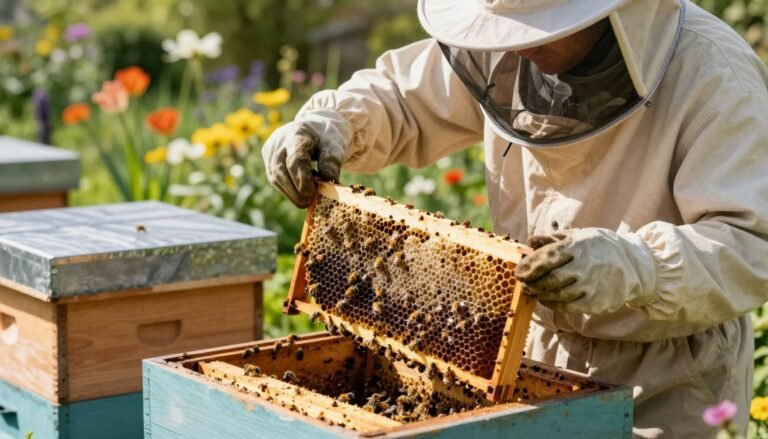
Regular frame checks help you find darkened areas, dead brood patches, or heavy mite loads. Those clues show when a frame needs serious attention or retirement. Learn the correct way to inspect your hive so you preserve strong colonies and safe beeswax.

If damage spans most of a frame, removal or full wax reprocessing often proves wiser than reuse. For practical cleaning and recovery methods after colony loss, consult guidance on plastic foundation and comb handling at how to clean plastic foundation after colony.

Key Takeaways

  • Replace aged comb roughly every five to six years for hive health.
  • Dark wax, dead brood, or mites often mean frames need attention.
  • Inspect frames regularly using a clear, consistent method.
  • Retire heavily damaged frames rather than risk contamination.
  • Proper beeswax handling keeps honey production steady year-round.

Understanding the Importance of Comb Rotation

A planned rotation schedule for frames preserves beeswax quality and supports steady honey production. In a 10-frame Langstroth hive, replacing two frames each year completes a full rotation over five years. That simple plan keeps wax lighter and reduces accumulated propolis.

Fresh foundation encourages good brood patterns. When the queen finds clear foundation, the colony builds cleaner comb. Workers also deposit less pollen and old nectar residues on new sheets, which helps hive health.

The practical benefits include better space for honey and brood and easier disease management. For guidance on replacing and recycling used comb, see comb care and recycling.

  • Replace two frames each spring in brood boxes to keep wax turnover steady.
  • Rotate frames to limit darkening from pollen, nectar, and propolis buildup.
  • Track the schedule so the colony always has clean foundation and space for honey.

If disease concerns arise, consult guidance on when to discard contaminated comb at discarding comb after disease. Regular rotation is one of the easiest ways to protect colony health and maintain productive hives.

https://www.youtube.com/watch?v=70Djs1DWL6I

Clear Signs It Is Time to Melt Down Old Comb

Frames that no longer transmit light usually mean buildup has reached a point where recycling is best. Check visual cues during a spring inspection. Dark wax often stems from silken cocoons left by pupating larvae and from deep propolis staining.

Hold each frame up to the sun. If no light passes through, the beeswax has trapped debris and the brood cells may be constricted.
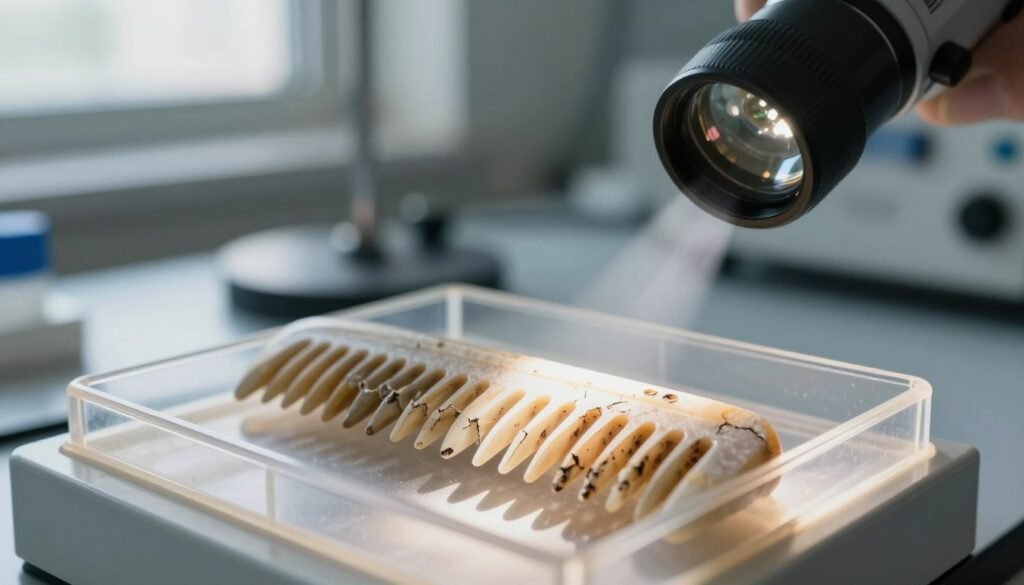
A close-up view of a light penetration test being performed on an old, worn comb. In the foreground, a well-lit, transparent test chamber holds the comb, showcasing its aged, cracked teeth and faded colors. The comb is made of a clear material, allowing beams of light to pass through, illuminating imperfections and indicating degradation. In the middle ground, a scientific setup with delicate measuring instruments and a soft-focus lens captures the intricate details, highlighting the textured surface of the comb. The background features a blurred laboratory environment with subtle hints of advanced technology, promoting a clinical atmosphere. The overall mood is analytical and serious, emphasizing the importance of assessing the condition of everyday items. Natural daylight streams in from a nearby window, creating a bright and focused ambiance.

Visual Indicators of Darkened Wax

Look for black honeycomb, heavy staining, and thin, clogged cells. These are clear markers that bees are building on exhausted foundation rather than fresh sheets.

The Light Penetration Test

  • Old light-penetration method: reliable during spring checks; hold frames toward the sun to judge transparency.
  • No light: suggests saturation with cocoons and propolis and signals frame replacement.
  • Black honeycomb: a straightforward cue that brood comb has reached the end of useful life.
  • Use a colored-dot system for tracking frame age, or when using black plastic foundation, judge by wax appearance rather than the light test.
  • Replacing brood frames prevents debris buildup that narrows cells and affects developing bees.

For more on managing frame age and related hive checks, see a detailed walkthrough on how to tell if your hive is and practical inspection tips at swarm inspection and frame handling.

Health Risks Associated with Aging Wax

Beeswax can act like a chemical sponge, absorbing pesticides, heavy metals, and fungal spores that travel through the hive.

That build up raises the risk of long-term contamination in honey and stored pollen. Pathogens trapped in wax can pass between boxes and colonies during routine handling.

Accumulation of Pathogens and Pesticides

Brood cells shrink as layers of cocoons and propolis accumulate. This narrows cell diameters and forces larvae into premature moults.

Research links smaller adult bees with reduced foraging range and resource return. Residues from varroa treatments can linger in wax and taint stores.

Replacing worn frames reduces disease pressure and helps bees reach full size potential.

HazardEffect on ColonyMitigation
Pesticide accumulationContaminated honey and pollenRotate and recycle wax; see comb care and recycling
Fungal spores & pathogensHigher disease incidence across boxesRemove affected frames; follow storage guidance at store frames
Cocoon buildupShrunken brood cells, smaller beesPartial frame replacement each season

Effective Techniques for Removing and Recycling Frames

Work methodically when extracting worn frames so brood receives minimal disturbance and valuable beeswax returns to use.

Partial replacement works well in a multi-year rotation. Remove two tired frames from each brood box each spring and replace with fresh foundation. Track age with colored dots or marks.

Partial Replacement Strategies

Move brood frames toward the edge of the box and leave them for two weeks for any remaining brood to emerge.

This reduces colony stress and lowers the risk of leaving sealed brood behind. Store retired frames in bright, ventilated spots; avoid dark storage where wax moths will lay eggs.

Utilizing a Solar Wax Melter
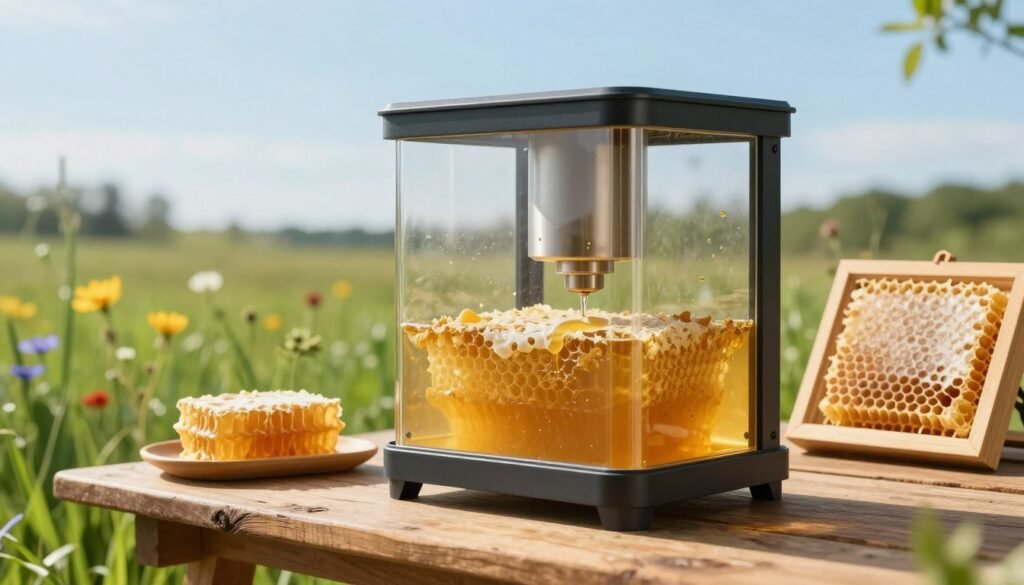
A solar wax melter in a serene outdoor setting, showcasing its sleek, modern design with transparent panels allowing sunlight to filter through. In the foreground, the melter is filled with golden beeswax, slowly melting under the sun's warm rays. Nearby, framed honeycomb sits on a rustic wooden table, highlighting the natural beauty of beekeeping. In the middle ground, lush green grass and colorful wildflowers enhance the peaceful atmosphere. The background features a clear blue sky, emphasizing a bright, sunny day. The scene is captured from a slightly elevated angle to give a comprehensive view of the melter, evoking a sense of tranquility and sustainability in nature. The lighting is soft and warm, casting gentle shadows, creating an inviting and harmonious mood.

A solar wax melter delivers clean, yellow wax using sunlight rather than electricity. A simple melter made from a styrofoam cooler and a piece of glass works well.

Plan for at least four consecutive hours of direct sun so the melter reaches proper temperature. Solar separation also removes propolis casings and yields a higher-quality product than boiling.

Managing Frames with Brood

If a box contains brood comb, handle frames gently and follow emergence timing before processing the wax. Use a piece of drawn comb as a lure in a swarm trap when appropriate.

For detailed recycling methods and safe handling, see comb care and recycling and guidance on how to clean a deadout before reuse.

Final Thoughts on Maintaining Hive Productivity

A small, regular replacement routine preserves wax quality and lowers disease risk across boxes. Replace a portion of old comb on a rotating schedule so brood comb remains light and cells stay clear. This method helps the queen lay in healthy space and lets bees build fresh honeycomb for stores.

Plan a spring check, remove worn brood frames, and render wax for reuse. For detailed recycling steps and safe repairs, see comb care and recycling and guidance on fixing boxes at hive box repair.

Regular turnover across years is a simple, proven beekeeping practice that boosts honey and pollen yield and protects colony health.

FAQ

When should I replace dark, yellow, or heavily used wax in my hive?

Replace heavily used or discolored wax when brood cells look collapsed, yellow wax turns brown, or frames fail the light penetration test. Darkened wax often holds residues of pesticides, propolis, and old brood cocoons. Rotate or recycle such frames every few years to protect colony health and maintain honey quality.

How does comb rotation benefit hive productivity and bee health?

Regular rotation reduces buildup of pests, pathogens, and pesticides in old brood wax. Fresh foundation and replacing worn frames prevent disease reservoirs and decrease wax moth and Varroa vulnerabilities. This practice helps queens lay in clean cells and supports steady honey production.

What visual signs show wax should be recycled rather than reused?

Look for deeply darkened cells, heavy propolis coating, visible cocoons, or a high presence of pollen and brood remnants. Frames with many empty, stained cells often indicate years of use and harbor pests such as wax moths. These are better melted and filtered for new foundation or hobby wax projects.

How do I perform the light penetration test on frames?

Hold a frame up to strong sunlight or a bright lamp. If little or no light passes through, the comb has accumulated material and should be replaced. Light transmission shows cell thickness and contamination; clearer frames generally remain safe for a year or two longer than opaque ones.

What pathogens and contaminants build up in aging brood wax?

Old brood comb can concentrate American foulbrood spores, fungal organisms, pesticide residues, and bacteria. These contaminants shelter under cappings and in cell walls, risking long-term infection cycles unless frames are rotated or sterilized through melting and rendering.

Can melting brood comb remove disease agents and residues?

Rendering wax removes many solids and kills most pests and larvae, but it may not eliminate all hardier spores or chemical residues. Proper filtration and high-heat processing reduce biological risk, and combining melting with frame replacement lowers contamination buildup.

What are effective methods for removing and recycling brood frames?

Use partial replacement: swap a few frames each season to avoid disrupting the colony. For recycling, cut out comb and render in a solar wax melter, or use a steam or electric wax extractor. Filter melted wax through fine mesh or cheesecloth to remove debris and cocoons before reusing for foundation.

How can I manage frames that still contain brood without harming the bees?

Move brood frames between boxes to encourage the colony to draw new comb while keeping brood healthy. Avoid removing frames with young larvae or eggs. If removal is necessary, perform it in warm weather when bees are active and have alternative storage space for honey and pollen.

What are the advantages of using a solar wax melter versus other methods?

A solar wax melter uses sunlight to gently render comb, conserving energy and reducing overheating that can darken wax. It’s portable and safe for small-scale beekeepers. Electric or steam melters process faster but require more control to preserve wax quality.

How often should I rotate foundation and frames in each hive box?

Replace a portion of frames each season, aiming for a full turnover every three to five years depending on colony health. High-production hives may need more frequent rotation. Regular inspections for pests and brood quality guide timing.

Will melting and reusing wax affect the color or scent of future honeycomb?

Recycled wax tends to darken slightly with each cycle and may retain traces of propolis or pollen, which can alter scent. Thorough filtration and avoiding overheating during rendering help maintain lighter color and neutral aroma for new foundation.

How do pests like wax moths and beetles influence my decision to melt or keep frames?

Heavy wax moth damage or small hive beetle infestation weakens comb structure and leaves cocoons and frass that invite further problems. Severely damaged frames should be melted and filtered. Mild infestations can be managed by rotation and freezing frames before reuse.

Can I use recycled beeswax for foundation or craft purposes safely?

Yes, after proper melting, filtration, and, if needed, bleaching or deodorizing, recycled wax is suitable for foundation, candles, and cosmetics. Ensure you remove contaminants and consider lab testing if you plan to use wax in food-contact applications.

What precautions should I take when handling frames with possible American foulbrood or other diseases?

Wear gloves, isolate suspect frames, and follow state apiarist guidelines. Incineration may be required for confirmed American foulbrood. Consult USDA or your local extension service before attempting to render heavily infected material.

How does seasonal timing affect comb removal and rendering?

Perform major comb work in spring or early summer when colonies are robust and can rebuild. Avoid heavy frame removal in late fall or winter. Solar melters work best in sunny months; plan rendering when temperatures and sunlight are optimal.
Share on Social Media