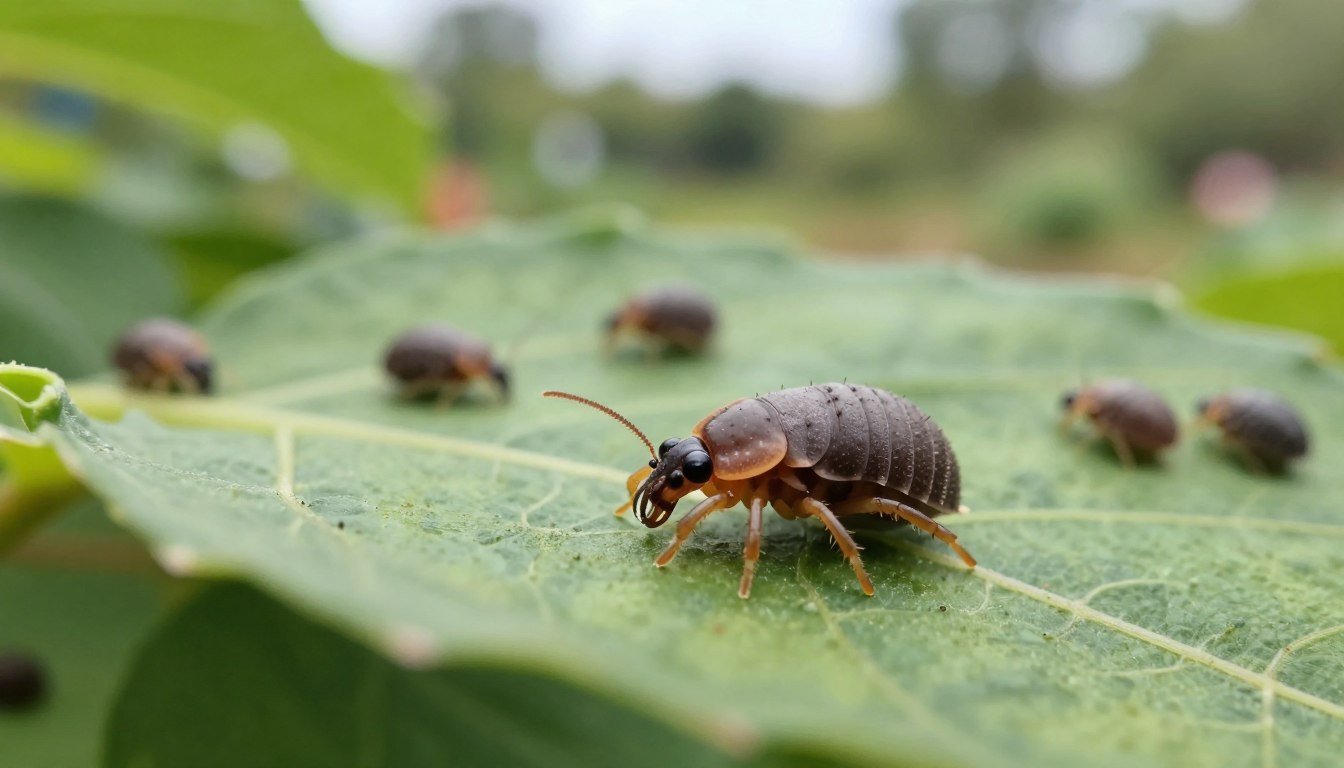
This concise guide explains how common mites affect people, pets, and the home. Mites are tiny, insect-like organisms that pass through four stages: egg, larva, nymph, and adult. Understanding this life cycle helps with effective control and prevention.
Recognizing risks is essential. Some species relate closely to ticks and can cause skin irritation such as scabies. Contact with certain types may lead to intense itching, so early detection matters.
We cover safe treatment options, professional-grade products, and non-toxic measures. For environmental health questions in Illinois, call the Illinois Department of Public Health at 217-782-5830.
Key Takeaways
- This guide offers clear steps to identify and manage mites in the home.
- Learn the mite life cycle to improve control efforts.
- Use targeted treatment and safe products for persistent scabies cases.
- Keep pets and living spaces monitored to reduce contact risk.
- Consistent prevention lowers infestation stress and keeps families safe.
Understanding Mite Behavior and Health Risks
Mite biology determines how quickly infestations form and what risks arise for people and pets. This short section outlines key stages in development and the main health effects to watch for.
Life Cycle Stages
Most species pass through four clear stages: egg, larva, nymph, and adult. The larval stage has only six legs, while later stages have eight.
Female scabies burrow just under the surface of the skin to lay eggs inside tunnels. On a human host, a full life cycle usually completes in about 10–17 days.
Health Impacts
These arachnids are related to ticks and can cause a range of skin reactions. Scabies is the most serious condition in humans and often needs medical treatment.
“Female scabies create tunnels more than one centimeter long beneath the skin to deposit eggs.”
Symptoms range from mild irritation to severe rashes and intense itching, often worse at night. Understanding the biology of different types helps this guide recommend appropriate responses for people and pets.
- Rapid reproduction explains why infestations grow fast in warm, crowded areas.
- Host preference varies by species; some are scavengers, others parasitic.
Identifying Common Mite Species in the Home
Spotting common household species starts with simple clues like size, color, and behavior. Many are tiny and may look like moving dust when seen with the naked eye.
Clover mites have front legs about twice as long as their others and can leave a red stain when crushed. House dust mites are nearly invisible, yet they make up much of the dust found in many homes.
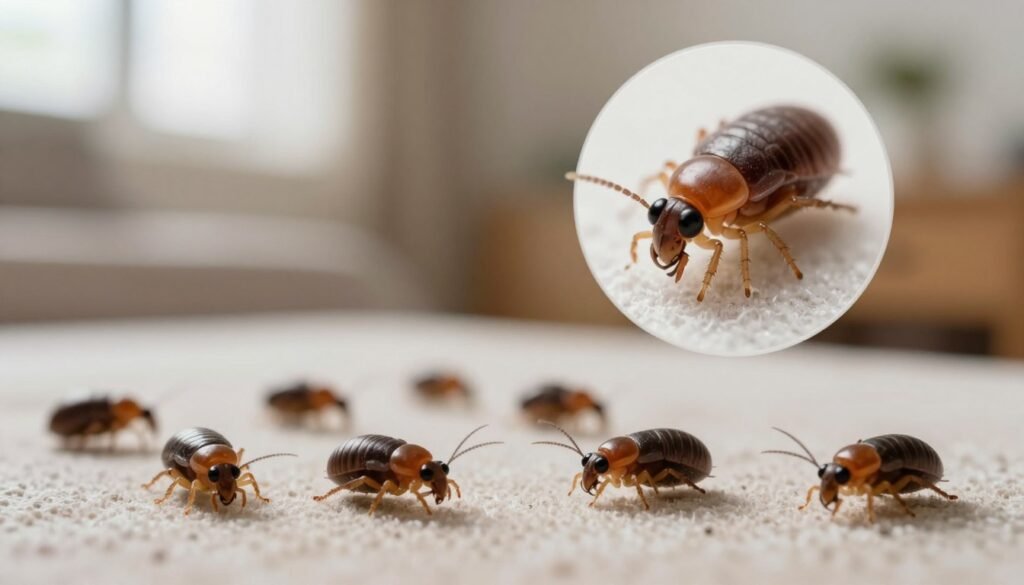
- Scabies mites burrow into the skin, causing persistent irritation and intense itching; they differ from dust feeders.
- Some species are scavengers; others will bite humans if separated from their usual insect prey.
- Nearly 1,200 known spider types exist; most are plant pests, like the two-spotted spider mite, and can be researched in a specialist spider mite guide.
“Recognizing harmless scavengers versus parasitic species is the key step in managing a clean home.”
Tip: Use a magnifier for identification and consult a professional when burrowing or prolonged skin irritation occurs.
How to Avoid Drifting That Spreads Mites and Disease
Small changes around foundations and eaves can stop many infestations before they start.
Preventing bird and rodent entry reduces the chance that animal-borne mites will bite humans. Seal gaps around doors, vents, and window frames. Check attic and crawlspace vents for nests and remove them safely.
Managing outdoor vegetation
Keep a plant-free border near foundations. Trim shrubs and keep grass short. This lowers clover mite numbers and limits the route from yard into the home.
Avoiding used furniture
Inspect and clean any secondhand bedding or furniture before bringing items inside. Non-toxic sprays at entry points can add a short barrier against pests that make contact with people or pets.
“Act within a few days of signs; fast action prevents spread to other rooms.”
| Practice | Why it helps | Quick tip |
|---|---|---|
| Seal entry points | Blocks common travel routes for rodent and bird mites | Use door sweeps and caulk gaps |
| Clear vegetation | Reduces habitat for clover and soil types | Maintain 18–24 inch clear zone |
| Inspect used items | Prevents introducing eggs or live mite infestations | Wash fabrics in hot cycles before use |
Managing Humidity to Deter Mite Infestations
Controlling indoor moisture makes a measurable difference in dust populations and allergy risk.
Maintain a relative humidity under 50 percent for several weeks. Dust mite counts fall sharply when air stays dry over time. Homes that rise above 50 percent often hold more than 100 dust mites per gram of dust.

Maintaining Optimal Humidity Levels
Mites move water through their body walls, so low humidity causes desiccation and reduces survival. Use a dehumidifier or air conditioner to keep levels steady.
Monitor humidity for several weeks. Brief spikes let populations recover, and eggs may remain viable if conditions improve.
- Use dehumidifiers or AC in basements and bedrooms to lower moisture.
- Wash bedding in hot water regularly to complement environmental control.
- Integrate moisture-control products like silica packs or HVAC desiccant filters where practical.
“Maintaining lower humidity is the single most effective environmental control for dust mites in homes.”
| Action | Effect | Quick tip |
|---|---|---|
| Keep RH <50% | Reduces reproduction and survival | Target rooms where people sleep |
| Continuous monitoring | Detects brief spikes that allow recovery | Use a digital hygrometer for weeks |
| Fabric care | Removes existing eggs and individuals | Wash bedding weekly in hot cycles |
For detailed guidance on moisture and pest links, read the moisture management research.
Structural Exclusion Methods for Pest Control
A tight building envelope keeps many yard-borne pests from finding refuge inside living spaces.
Seal gaps in foundations, doorframes, windows, vents, and around utility lines. Small cracks act as highways for rodents and birds that carry pests into the home.
Why this matters:
- Structural exclusion blocks entry for clover mites and other outdoor types before they contact skin or pets.
- Professional-grade sealants and hardware close foundation cracks that often harbor eggs and small visitors.
- Reducing animal entry lowers the need for heavy chemical products and long-term control efforts.
Inspect your exterior each season and repair new openings quickly. While scabies usually transfers person-to-person, keeping structures sealed helps manage other species that arrive from yards and perches.
“Preventing entry is one of the clearest, longest-lasting forms of prevention for household infestations.”
For practical sealing guidance, consult the IPM manual or review a varroa control overview for techniques used against external parasite vectors.
Protecting Pets and Family from Mite Contact
Protecting pets and people starts with simple daily checks and prompt action when skin irritation appears.

Cheyletiella mites can cause a mange-like condition in animals and trigger itching in humans who handle infested pets. Scabies is the most significant human condition linked to mite transfer and may move between animals and people.
Watch for symptoms such as persistent scratching, patchy hair loss, or red rash on the body. Regular grooming and baths help dislodge eggs and reduce counts on coats.
- Inspect pets often and seek veterinary treatment at first sign of mange-like trouble.
- Use safe, non-toxic repellents recommended by your vet to lower parasite contact.
- Wash clothing and bedding after handling an infested pet; parasites can hitchhike on fabric.
“Address pet skin problems quickly to protect the whole household.”
When uncertainty remains or symptoms persist, consult a professional without delay and review official pet contact guidance at pet contact guidance.
Cleaning Protocols for Infested Areas
A solid cleaning protocol pairs vacuuming with laundering and careful fogging. Start with targeted actions in rooms showing signs of infestation. Small, regular steps protect family and pets and reduce sources of irritation on the skin.
Vacuuming and Fabric Care
Vacuuming removes dander, skin flakes, and many eggs from carpets, rugs, and upholstery. Use a vacuum fitted with a HEPA filter to trap allergens and stop airborne spread.
Wash bedding and clothing in hot water weekly. Repeat laundering until symptoms fall and eggs no longer hatch in affected areas.
Proper Fogging Techniques
Fogging reaches deep cracks where small parasites hide. One gallon of Cedarcide Original covers about 1,800 square feet, making it useful for large rooms.
Safety first: Switch off electronics and gas appliances before fogging. Leave the house during application, follow label directions, and repeat every 5–7 days for a full egg cycle interruption.
“Combine frequent vacuuming with repeated fogging and hot laundering for the best control results.”
For natural product options and extended guidance, consult this natural remedies guide.
When to Seek Professional Medical or Pest Assistance
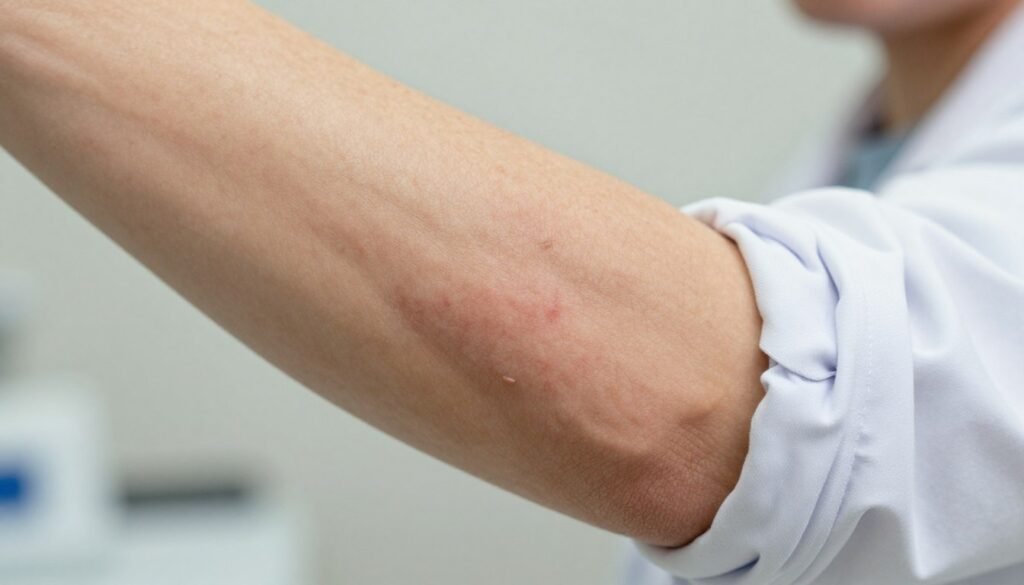
If you suspect scabies or persistent skin irritation after contact with small arthropods, seek medical assessment promptly.
Seek treatment when unexplained itching or new symptoms appear across multiple areas of the body. Scabies requires prescription medication; do not delay medical care.
Professional pest control may be necessary when cleaning, fogging, and sealing fail to stop spread. Experts identify the exact mite and recommend safe, effective products for the home and fabrics.
“Prompt evaluation protects both health and household by matching medical therapy with targeted pest measures.”
- If scabies is suspected, get medical treatment without delay.
- Contact local health authorities, such as the Illinois Department of Public Health at 800-547-0466, for environmental guidance.
- Use professionals when signs persist or infestation appears in multiple rooms.
| Situation | Recommended action | Quick note |
|---|---|---|
| Suspected scabies | See a clinician for diagnosis and prescription treatment | Required medication clears burrowing mites |
| Widespread home signs | Hire licensed pest control for identification and treatment | Professionals use targeted products and protocols |
| Persistent itching without clear cause | Get a medical exam to rule out other skin conditions | Lab or skin scraping may clarify diagnosis |
| Uncertain organism type | Combine lab ID with a pest pro consultation | Correct ID avoids ineffective products |
For additional environmental context and behavioral predisposition studies, review this short resource on hygienic lines: predisposition to hygienic behavior.
Conclusion
, Practical steps—regular vacuuming, humidity checks, and prompt identification—keep homes healthier. This short guide highlights how steady cleaning and measured use of targeted products support long-term prevention.
Watch skin for early signs and inspect pets and fabrics often. Identifying the specific mite helps pick the correct treatment path and limits trial-and-error.
When situations feel large or complex, seek professional medical or pest assistance. For related apiary drift research and control context, see this varroa drift analysis: varroa drift analysis.