Moving a colony demands clear planning and the right container. Black Mountain Honey notes that the choice of housing affects the health of the honey bee during transit.
Insulation and ventilation matter most. Proper thermal regulation prevents overheating, and steady airflow keeps the colony calm.
High-quality boxes act as a temporary home that protects frames and the queen from stress on the road.
The best selection balances durability, reusability, and climate control to protect brood and stores.
Professional keepers prefer reusable options to cut waste and add long-term value. For practical tips on loading and ventilation, see these transport guidelines. If you need sourcing and pickup advice, consult guidance on buying packaged stock.
Key Takeaways
- Choose durable, well-ventilated boxes to protect frames and the queen.
- Insulation and airflow prevent overheating and chilling during travel.
- Reusable containers reduce waste and serve long-term apiary needs.
- Follow transport guidelines to minimize stress and escapes.
- Plan vehicle ventilation and avoid direct sun to keep colonies calm.
Understanding the Role of Nucleus Colonies
Nucleus colonies serve as short-term hives designed to simplify queen rearing and early colony growth.
What they are: A nucleus colony is a compact unit a beekeeper uses to rear queens or start splits. These small colonies hold a few frames of brood, some honey, and a young queen. That compact setup makes inspection easy and helps keep brood patterns visible.
Why keep them: Nucleus units let beekeepers expand an apiary without moving into a full hive right away. They give a controlled space for queen rearing and for monitoring colony development. Many use these small boxes to house bees during a transition before shifting to a permanent hive.
For practical comparisons on package versus nucleus systems, see the package vs. nuc guide. To learn ways to boost colony numbers naturally, review tips to boost colony population naturally.
- Efficient management: Easier inspections and targeted queen rearing.
- Controlled growth: Monitor brood and resources before upsizing.
- Flexible use: Ideal for splits, queen rearing, or temporary housing.
| Role | Benefit | When to Use |
|---|---|---|
| Queen rearing | Controlled environment for maturation | During mating and queen introduction |
| Starting splits | Expand apiary without full hives | Early spring or after a strong honey flow |
| Temporary housing | Easy inspection and resource checks | Before moving into full-sized hive |
Defining the Best Nuc Box for Transporting Bees
Choosing the right size and layout keeps a nucleus colony calm during a move. Size, frame capacity, and access points shape how well a unit protects brood and the queen.
Standard sizes range from two to seven frames. The five frame nuc is the common standard in the United States. A six-frame option gives about 20% more space and supports faster growth and earlier splits.
Material and design considerations
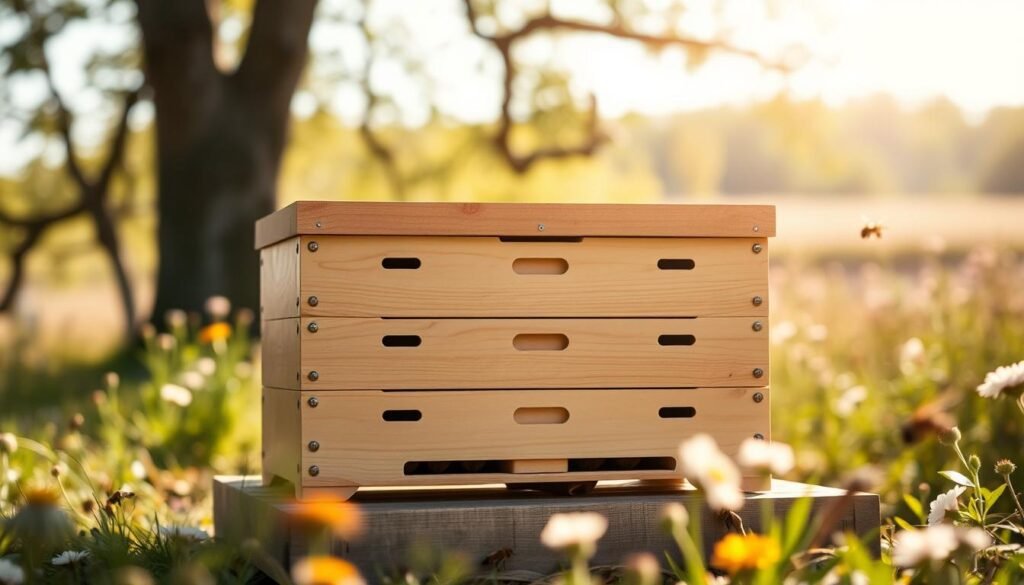
When evaluating options, check secure latches, consistent frame spacing, and inspection access. Proper spacing prevents frames from being propolized together during transit.
- Frame capacity: Match the number of frames to colony size and the planned travel time.
- Queen protection: Internal compartments or queen cages reduce the chance of loss.
- Inspection: A design that allows quick checks helps spot brood or health issues.
| Feature | Why it matters | Typical choice |
|---|---|---|
| Frame count | Controls space for brood and stores | 2–7 frames; five-frame common |
| Internal spacing | Prevents propolizing and stuck frames | Standard hive spacing or adjustable slots |
| Queen safety | Reduces queen loss during handling | Dedicated queen compartment or clip |
| Inspection access | Faster health checks and brood assessment | Removable top or side panels |
For loading and transit tips, review the transport guidelines. If you are new to handling colonies, see recommended stock choices at recommended bees for beginners.
Comparing Construction Materials
Choosing between wood, plastic, and waxed cardboard determines how well a unit protects frames, brood, and the queen during short moves or temporary housing.
Wooden Durability
Wood is the traditional option. It offers strong insulation and rugged protection for brood and honey stores.
High-quality wooden units resist impacts and provide long-term value. They are heavier but ideal for overwintering or long-term colony management.
Plastic Advantages
Plastic units are lightweight and easy to clean. Many include integrated features like a built-in feeder that simplify feeding and handling.
Poly nuc styles resist weathering and reduce weight strain on the beekeeper. That makes frequent moves less taxing on your hand and vehicle.
Waxed Cardboard Limitations
Waxed cardboard offers the lowest upfront cost and is often single-use. It is fine for short-term transport but lacks insulation and long-term durability.
Because they are disposable, these boxes can fail under rough handling and do not deliver the same protection for the queen or frames during repeated moves.
| Material | Weight | Best Use |
|---|---|---|
| Wood | Heavier | Long-term housing, overwintering |
| Plastic / Poly | Lightweight | Frequent moves, easy cleaning, integrated feeder |
| Waxed Cardboard | Light | Short-term transport, single use |
- Value: Wooden or high-quality plastic units pay off over time versus disposable options.
- Weight: Consider how often you lift a unit when choosing material.
- Protection: Sturdy construction lowers the risk of impact damage and queen loss.
Evaluating Frame Capacity and Colony Growth
A small increase in frame space can produce a noticeable jump in colony numbers within weeks.
Choose capacity with your goal in mind. A six-frame nuc offers about 20% more room than a five-frame option. That extra frame of brood often emerges in three weeks and can expand into roughly three additional frames of workers.
Dividers and Multiple Entrances
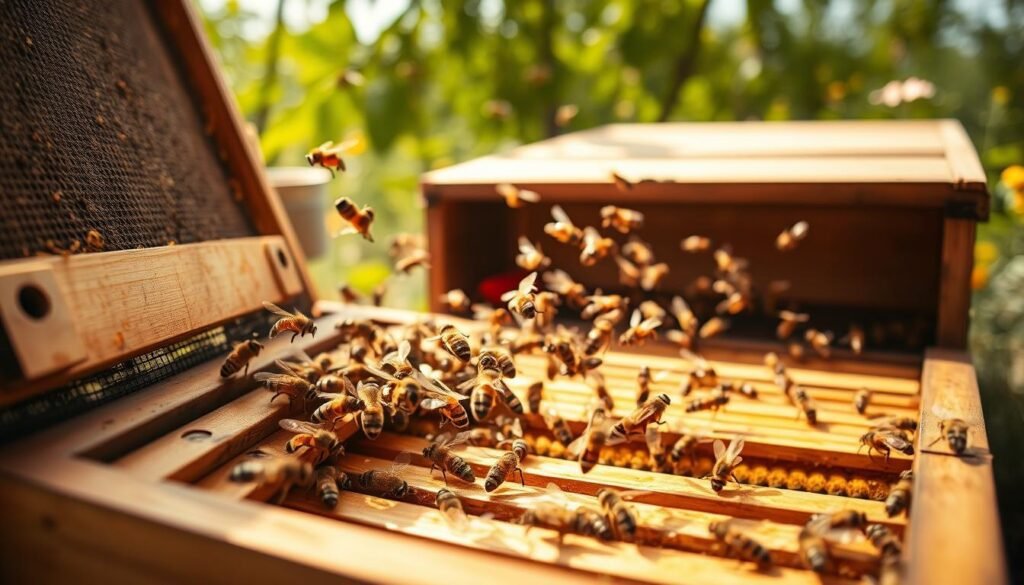
Use dividers to manage growth and prevent a queen from being overwhelmed by rapid expansion. Multiple entrances help with ventilation and reduce traffic jams as the colony grows.
“Plan frame number to match your split timing and resource transfer.”
Larger units let you move more honey and pollen, giving a new colony a head start. Some keepers use bigger boxes to overwinter smaller colonies if insulation is adequate.
| Frame Count | Primary Benefit | When to Use |
|---|---|---|
| 5 frames | Compact, easy handling | Small starts, quick splits |
| 6 frames | Faster growth, more stores | Early-season expansion, overwintering options |
- Monitor growth to avoid overcrowding and swarming.
- Move to a full hive when brood and workers outpace the frame number.
Essential Design Features for Apiary Success
Good design turns a simple unit into a flexible tool that supports everyday apiary work. Thoughtful features simplify queen rearing, feeding, and inspections while reducing stress on the colony.
Dividers and Multiple Entrances
Divider slots let a beekeeper partition one housing into two or more compartments. This converts a single unit into several small mating nucs used in queen rearing and targeted splits.
Multiple entrances paired with dividers improve airflow and traffic flow. They also let separate groups access food without fighting, which helps when feeding young queens or expanding colonies.
- Vent placement: Vents near the top release heat and prevent honey softening that can coat wings.
- Feeder access: Built-in feeders allow feeding without moving frames or immediate hive transfer.
- Frame access: Removable tops or clear inspection slots reduce handling time and disturbance.
These practical choices help beekeepers manage several small colonies and scale a mini hive by adding extension boxes and supers. For a practical reference on product options, see this nuc box.
Safety and Ventilation During Transit
A secure transport system must let heat escape while shielding frames from shocks.
Poly nuc designs offer both insulation and controlled airflow. Many keepers, including Black Mountain Honey, moved to poly options after seeing correx units overheat and suffer impact damage.
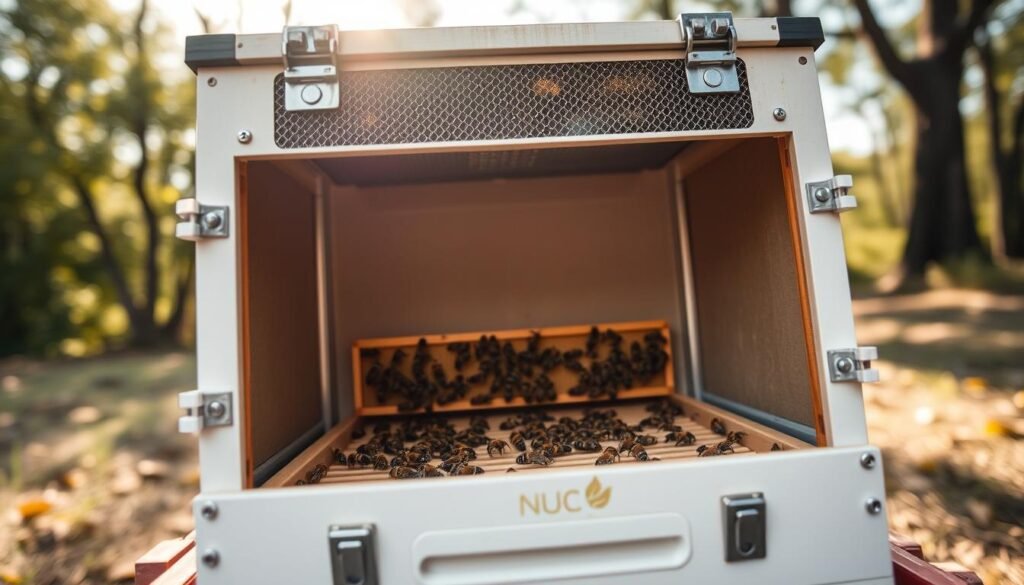
Top and bottom vents let warm air exit and draw cooler air in. This reduces the energy that bees use to regulate temperature. It is vital during cold snaps or sudden heat.
A screwed-down lid keeps the queen secure and prevents escapes. Solid construction absorbs bumps and protects frames and brood from jolts.
“Proper ventilation prevented honey from melting and coated workers in one reported case, proving that airflow saves colonies.”
| Feature | Benefit | Why it matters |
|---|---|---|
| Top & bottom vents | Heat escape and airflow | Prevents overheating and honey melt |
| Rigid poly shell | Impact absorption | Protects queen and frames |
| Screw-down lid | Secure closure | Stops escapes during transit |
Use a system that prioritizes safety so colonies arrive calm and healthy. Check vents, latch tightness, and feeder access before sending any unit down the road.
Assessing Long Term Value and Durability
Long-term value from good equipment comes down to lifespan, repairability, and versatility. A higher upfront cost can be justified when a unit protects frames, queen, and brood season after season.
Initial Cost vs. Longevity
Poly nuc options can cost up to £75 but often last 30–40 years. That longevity spreads the expense across many seasons.
Correx units cost around £10 and are usually discarded after a single use. That makes them cheaper at purchase but costly over time.
“A durable box protects the colony and the investment in frames and honey.”
Reusability Benefits
Reusable boxes let a beekeeper catch swarms, make splits, and overwinter small colonies. One durable unit can serve many roles in an apiary.
Beekeepers who opt for durable equipment save money by avoiding annual replacement. Reusability also reduces waste and boosts practical value.
| Option | Typical Cost | Primary Advantage |
|---|---|---|
| Poly | £50–£75 | Longevity, reuse, overwintering |
| Correx | ~£10 | Low upfront cost, single use |
| Wood | Varies | Insulation, repairable, durable |
- Value: A quality unit is often included in the cost when buying bees, adding immediate asset value.
- Protection: Sturdy construction keeps frames and queen safer during handling and travel.
- Sustainability: Reusable options reduce disposable waste across the apiary.
Specialized Options for Queen Rearing
Small mating colonies focus resources so a new queen can start laying quickly. Mating units, usually two to four frames, give a compact, managed space where a queen can mature with minimal disturbance.
Controlled conditions matter. Good ventilation, steady warmth, and close access to nectar or a feeder keep the developing queen and brood healthy.
Dividers let a single box hold several mating units. This setup saves space and lets a keeper run multiple queen rearing trials side-by-side.
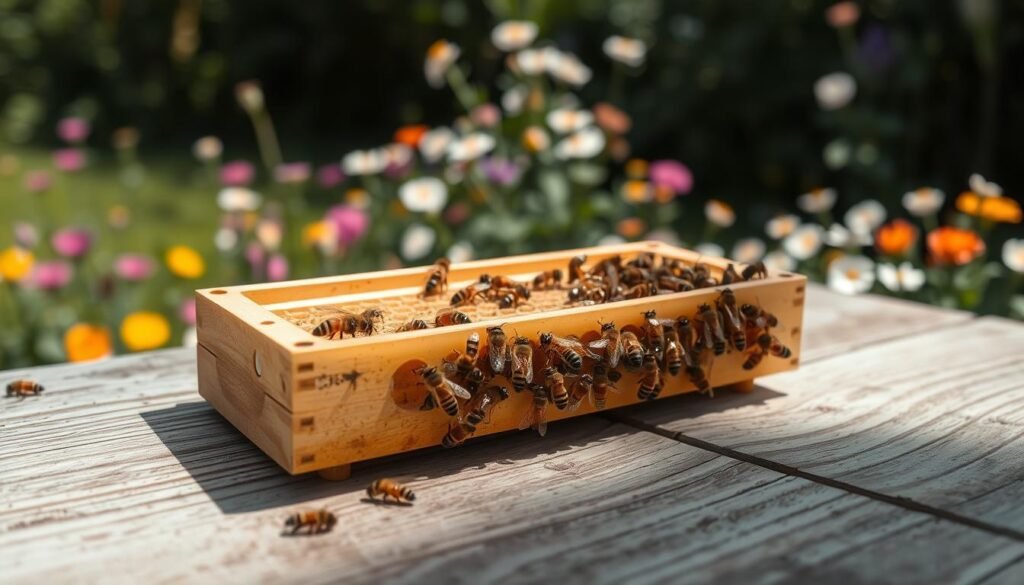
Poly nuc options offer insulation that keeps the nucleus colony warm during sensitive stages. A mini hive built from nuc components gives flexibility for swaps, splits, and introductions.
“Successful queen rearing improves genetics and boosts overall colony productivity.”
| Option | Key Benefit | Typical Use |
|---|---|---|
| 2–4 frame mating unit | Quick laying, easy checks | Queen maturation and mating |
| Divider system | Multiple units in one shell | Parallel queen trials, space saving |
| Poly insulated unit | Stable temperature, low stress | Cold weather rearing, mini hive setups |
- Manage resources: Ensure adequate honey and pollen or use a feeder.
- Monitor brood: Frequent, gentle checks confirm laying pattern and queen health.
- Plan introductions: Prepare the full hive so the queen transfers smoothly.
Strategies for Successful Overwintering
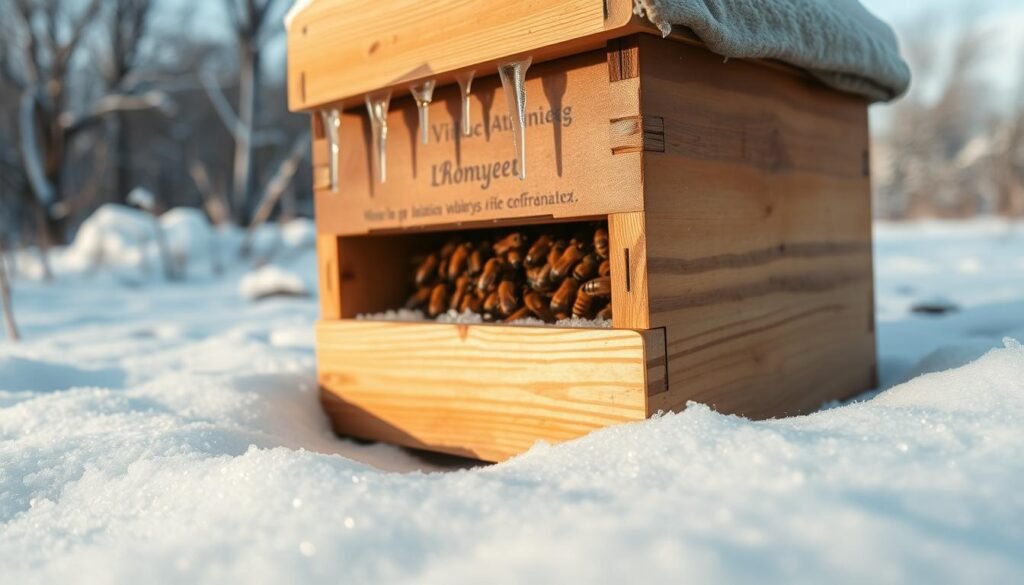
Temperature control is the core of winter survival. Maintain steady warmth to protect brood and the queen. A predictable internal climate reduces stress and conserves stores.
Insulation matters. A well-insulated unit limits heat loss on cold nights. Poly nuc shells retain warmth so the colony expends less energy to stay alive.
Before cold weather, ensure the nucs are well-fed. Proper feeding fills frames with honey or syrup in a feeder so workers have fuel during long spells without forage.
Temperature Regulation
Colony size and insulation together set survival odds. Small colonies in thin-walled housing can starve or chill even with adequate stores.
“A cold snap can stabilize needs and prevent bees from burning through reserves.”
| Feature | Why it matters | Practical tip |
|---|---|---|
| Insulation | Reduces heat loss | Use poly nuc or added wraps |
| Colony size | More workers maintain cluster heat | Combine weak units or delay splits |
| Feeding | Ensures stores last winter | Fill frames and add a feeder before freeze |
| Ventilation | Prevents moisture build-up | Top vents with small escape paths |
Balancing Portability and Insulation
A well-designed poly unit blends low weight with strong insulation to protect brood and queen.
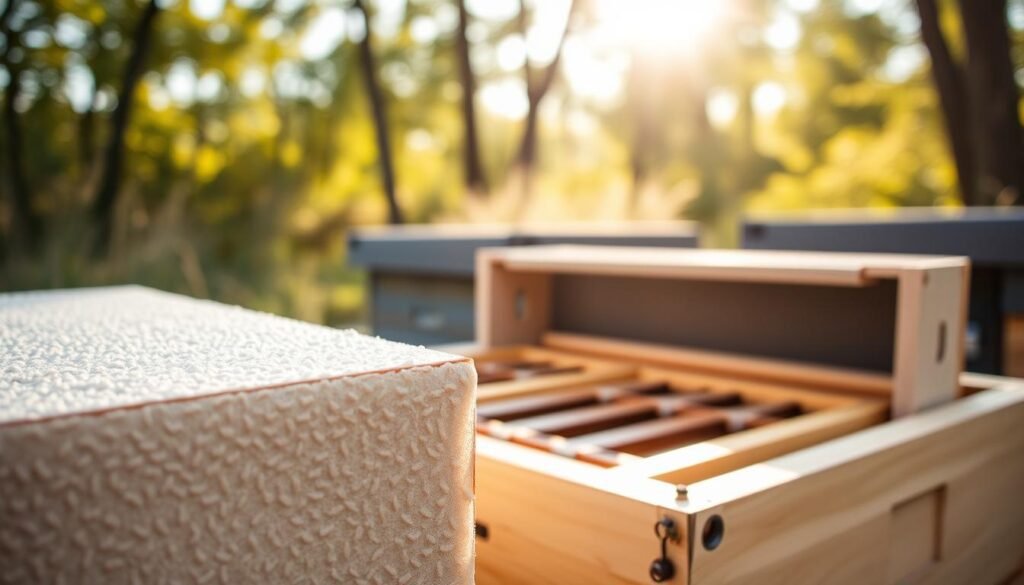
Poly nuc boxes give the portability needed to move colonies with less physical strain. Their plastic shells lower weight while locking in warmth during variable weather.
Top and bottom vents maintain steady airflow. That ventilation prevents overheating and reduces condensation that can harm frames and honey.
Structural integrity matters as much as weight. A rigid poly shell absorbs shocks and shields the queen and frames from vibration.
Choose features that aid handling and colony health: secure latches, built-in feeder access, and easy frame removal. These reduce disturbance during loading and inspection.
“A portable, well-insulated unit lets colonies arrive calm and ready to thrive.”
| Priority | What to Look For | Benefit |
|---|---|---|
| Portability | Light plastic shell, low weight handles | Easier lifting; faster loading and unloading |
| Insulation | Thick walls, sealed seams, poly material | Stable internal temp; less brood loss |
| Mixed features | Top/bottom vents, feeder access, secure latches | Better airflow, safe feeding, queen protection |
Selecting the Right Equipment for Your Goals
Decide what you want to accomplish before you buy equipment; that single choice narrows viable options fast.
Queen rearing, swarm control, and colony growth each need different gear. If you rear queens, small mating units and a stable feeder matter. For expansion, a six-frame unit—like the 6-frame nuc sold with F1 Buckfast Queens by Black Mountain Honey—gives extra room and clear value over a five frame nuc.
Choose a sturdy, well-ventilated box or boxes that resist impact and hold temperature. A poly nuc option lasts years and returns value versus disposable cardboard. When buying bees, insist the seller includes a feeder so the colony can be managed immediately on arrival.
Plan frame number to match your goals and hand capacity. Fewer frames ease handling; extra frames speed growth and reduce swarm pressure.
“Investing in durable, reusable equipment is a hallmark of a professional beekeeper.”
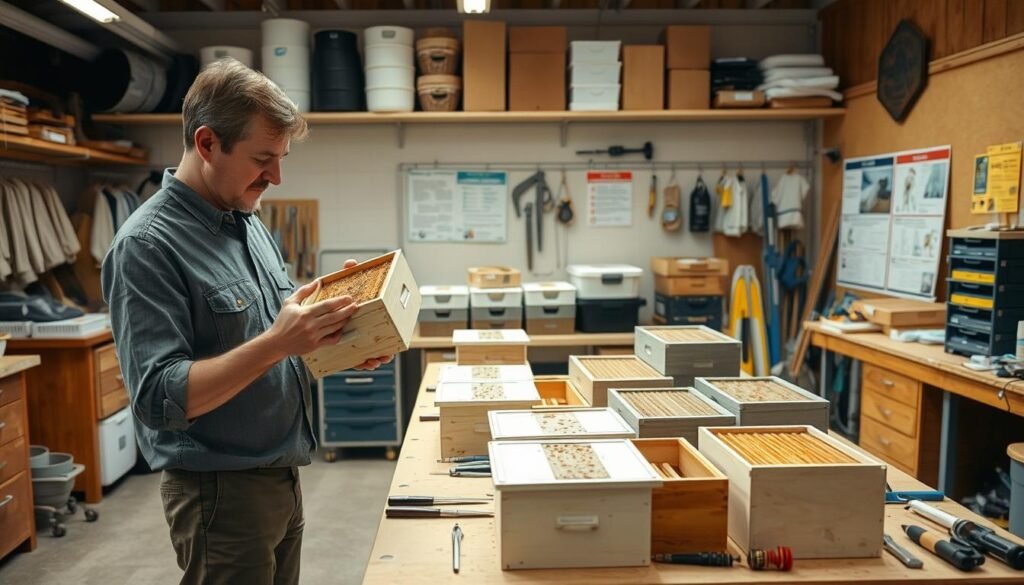
- Evaluate needs: queen work, swarm control, or colony expansion.
- Prioritize: ventilation, feeder access, and frame count.
- Think long term: choose reusable gear to protect brood and honey and to simplify apiary management.
For guidance on choosing your next hive, see how to choose a beehive for.
Conclusion
A careful equipment choice keeps the queen secure and helps workers protect honey and brood during movement. Prioritize steady ventilation, reliable insulation, and the right frame capacity to minimize stress on the colony and boost survival.
Durable, reusable options save time and money over seasons. A well-made nuc box that balances weight and insulation makes inspections easier and protects the queen during handling.
Use designs that let you manage frame layout and feed when needed. Explore additional features and travel models in this roundup of travel-friendly hives to keep honey production strong and your bees healthy.