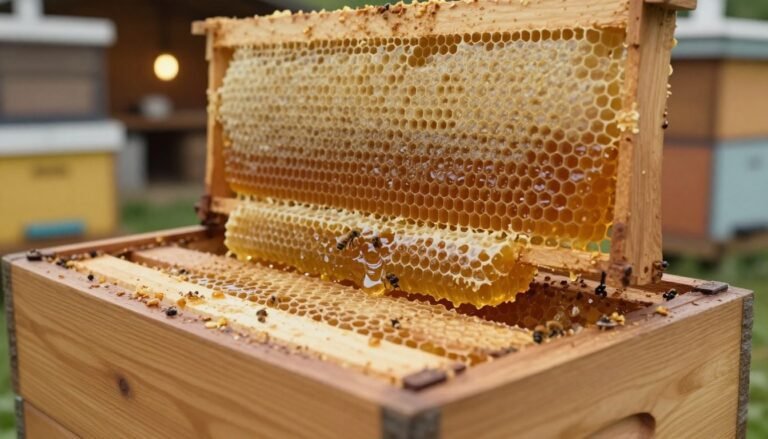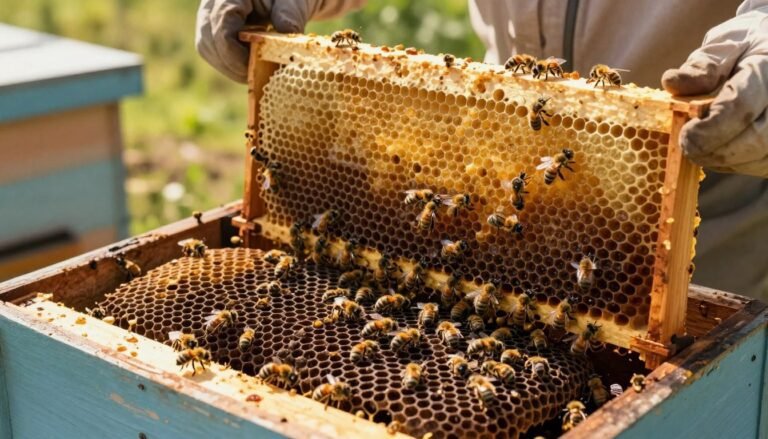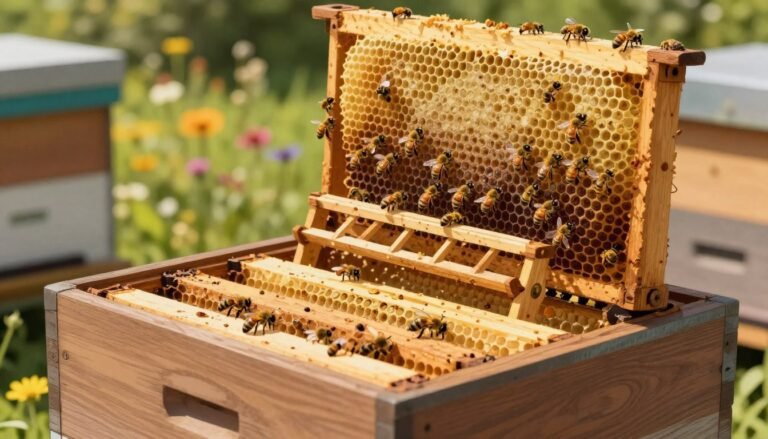
Choosing the right frame option shapes your first season in the apiary. The Langstroth hive remains the standard, and precise dimensions matter. A correct frame and box fit helps bees build comb neatly and keeps colonies healthy.
Deciding between pre-built or do-it-yourself parts changes your time, cost, and work. Some beekeepers prefer plastic foundation or beeswax starters. Others choose foundationless designs that allow bees to build natural honeycomb.
Frame assembly is a core skill. Proper wire support, top and bottom bar design, and cell size affect how bees store honey and raise brood. This guide will help you weigh options and prepare equipment so your hive has a stable place to grow.
Key Takeaways
- Frame choice influences time, cost, and long-term colony success.
- Langstroth hive dimensions ensure compatibility across equipment.
- Pick between plastic foundation, beeswax, or foundationless methods.
- Good frame assembly and wire support reduce hive problems later.
- Top bar and bottom bar design steer how bees build comb.
- Understanding cell size and foundation helps you manage honey and brood.
Understanding Assembled vs Unassembled Frames for Beginners
Choosing the right approach to frame preparation sets the tone for your hive’s first season. Your decision affects comb layout, how bees build, and the amount of time you spend on maintenance.
Langstroth hive boxes come in 8 or 10 frame sizes. A standard 10-frame box needs the correct number of frames to keep bee space consistent. That protects brood and makes inspections easier.
Cost, time, and philosophy guide the choice between buying pre-built units, fitting plastic foundation, or letting bees form natural honeycomb in foundationless frames. Each option changes how you manage the colony.
- Time vs cost: Building wooden parts saves money but increases assembly time.
- Material impact: Plastic foundation is durable; beeswax gives a natural starter.
- Structure: Proper top and bottom bar alignment plus wire support prevent sag when frames fill with honey.
“A well-constructed frame gives the colony a stable place to store honey and raise brood.”
Standardizing sizes across hives simplifies equipment use and reduces surprises. Learn more about key assembly considerations in this short guide: frames foundation and assembly tips.
Defining Key Beekeeping Terminology
Knowing basic hive terms lets you match equipment and keep colonies productive.
The Role of Boxes and Supers
A box or super is the main building block of a Langstroth hive. It gives bees a place to store honey and raise brood. Many beekeepers use medium boxes as honey supers because they are lighter to lift when full.
Ensure your frame fits the box width. All Langstroth frames line up to a standard 19 3/16 inches, which lets equipment mix across suppliers.
Understanding Bee Space
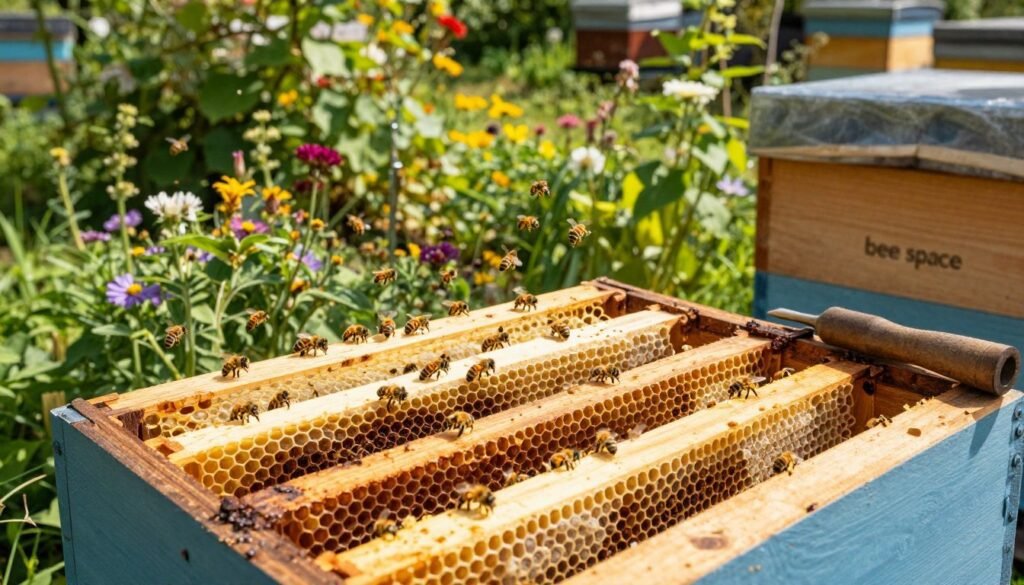
Bee space is the specific gap bees need to move and work. Keep correct spacing to prevent cross-comb and make inspections simple.
The use of a starter strip on the top bar helps bees build straight comb in a foundationless setup. Whether you use plastic foundation or beeswax, correct spacing and good frame design guide how the colony builds honeycomb.
- Fit frames to box size to keep bee space consistent.
- Medium boxes ease handling when harvesting honey.
- Starter strips help bees build tidy comb and reduce repair time.
| Box Type | Typical Use | Handling | Recommended Frame Size |
|---|---|---|---|
| Deep | Brood nest | Heavier | Standard Langstroth |
| Medium | Honey super | Easier to lift | Standard Langstroth |
| Shallow | Extracting frames | Lightest | Standard Langstroth |
Learn more about selecting the right equipment in our quick guide to choose a beehive.
Choosing Your Beekeeping Philosophy
Deciding between foundationless methods and plastic foundation shapes daily hive care and long-term colony health.
Natural beekeeping favors wooden frames with a simple starter strip. This approach lets bees build honeycomb on their own and can encourage natural cell size and brood patterns.
Conventional methods often use plastic foundation or beeswax sheets. That choice gives rigidity and makes inspections easier when frames hold heavy honey.
Key considerations:
- Starter strips on a top bar guide bees build straight comb in foundationless frames.
- Plastic foundation adds durability but introduces synthetic material to the hive.
- Wood frames with beeswax keep the setup more natural while still supporting comb weight.
A well-managed hive needs regular checks when you allow bees to make comb. Monitor how comb attaches to the bottom and top, and use proper wire or support so frames carry honey safely.
Learn practical buying tips about frames foundation in our short guide: beekeeping frames buying guide.
Comparing Frame Materials
Material choice changes how comb forms and how much maintenance your hive demands.
Plastic options often arrive with a molded plastic foundation. That creates a ready-to-use unit that speeds setup and reduces initial labor.
Plastic frames are rigid and hold heavy honey well. Many commercial operations prefer them because they are durable and easy to clean.
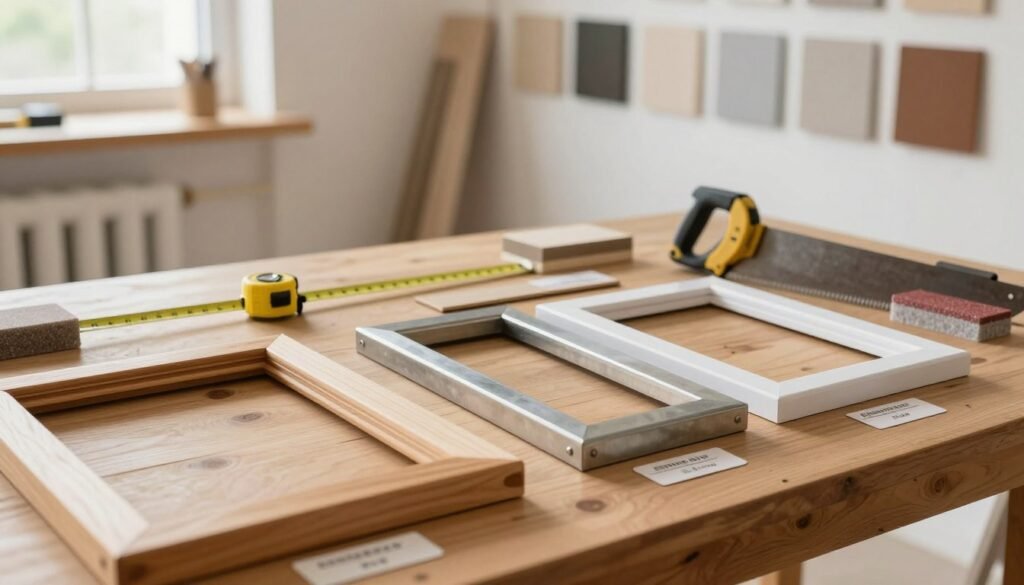
Benefits of Plastic
- Durability: Rigid construction resists warping and repeats use across seasons.
- Convenience: Pre-molded foundation saves time during installation.
- Scale: Good when managing many hives and frequent inspections.
Advantages of Wood
Wooden frames—commonly pine or cedar—appeal to those wanting a natural option. They accept beeswax foundation and often win favor from beekeepers focused on colony health.
Longevity depends on build quality. A square, well-made wooden frame can last years and supports heavy brood and honey loads.
“The choice often comes down to personal goals and how you manage your equipment.”
Evaluating Foundation Options
Foundation choice directs comb pattern and affects colony energy use each season. Pick a base that fits your management style and local climate. The right option helps bees build efficient honeycomb and supports brood health.
Plastic and Wax Foundation
Plastic foundation offers a rigid guide that speeds installation and eases handling when supers are full. Adding a thin layer of beeswax to plastic often encourages bees to accept it faster.
The Role of Crimped Wire
Crimped wire embedded in wax adds structural support. It prevents sag under heavy honey and keeps the frame square during extraction.
Benefits of Synthetic Comb
Synthetic comb comes pre-drawn. It saves worker bees the energy they would spend secreting wax scales. Remember, worker bees make wax from eight pairs of glands and produce small scales about 3mm long to form comb.
- Plastic works well in honey supers where rigidity matters.
- Beeswax foundation keeps the hive more natural and familiar to bees.
- Many beekeepers mix foundation types to match colony needs.
| Option | Acceptance | Support | Best Use |
|---|---|---|---|
| Plastic + wax coating | High with wax | Excellent (wire possible) | Honey supers |
| Beeswax sheet | Very high | Good with crimped wire | Brood and brood boxes |
| Synthetic pre-drawn | Immediate | Moderate | Fast expansion or extraction |
frames foundation and practical tips help you test what your bees accept. For deeper comparison, see a review of the best foundation for honey production.
The Reality of Frame Assembly
A single poorly built frame can create big problems inside the hive. Build quality matters because a deep frame full of honey can weigh about 8 lbs and may need up to eight nails to stay secure.
Precision and patience shorten headaches later. Use a frame jig to speed production and keep each unit square. Add wood glue along with nails to strengthen joints and reduce separation over seasons.
When you choose foundationless frames, make sure the top bar has a proper groove to guide bees as they build comb. If you install plastic foundation, seat it firmly in the groove so it won’t warp under weight.
- Support matters: crimped wire or solid reinforcement prevents sag and protects the colony’s stores.
- Consistency: jigs and measured cuts save time and create uniform frames across a box.
- Long-term gain: careful assembly helps avoid cross-comb and preserves hive health.
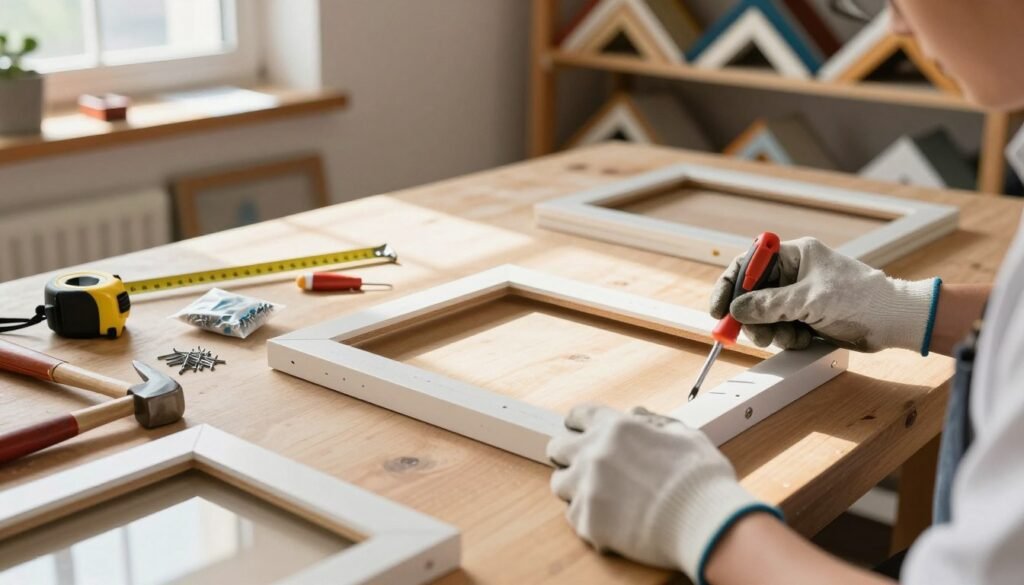
“A well-assembled frame is a critical component of a healthy hive.”
Learn why colonies may not accept new foundation in this short note about reasons bees won’t draw comb.
Managing Hive Pests and Structural Integrity
A well-sealed hive structure limits where pests can shelter and reproduce.
Minimizing Beetle Hiding Spots
Small hive beetles often slip into narrow gaps at the bottom of a box or behind a loose top bar. Use solid bottom bars and tight joins to deny them cover.
Regular inspections of each frame keep comb neat and reduce beetle numbers. When using foundationless frames, fill any gaps at the bottom so beetles cannot hide between wood and comb.
Keep the hive clean. Debris and sticky honey attract pests. A tidy colony is easier to defend and less attractive to beetles.
If you see many beetles, check the fit of every frame and the condition of foundation. Simple repairs and minor upgrades often solve large pest issues.
- Use solid bottom bars to reduce crevices.
- Ensure all components fit tightly and squarely.
- Inspect frames regularly and remove damaged comb.
| Problem Area | Risk | Quick Fix |
|---|---|---|
| Loose bottom bar | Beetles hide | Replace with solid bar |
| Gaps around foundation | Larval shelter | Seal with wax or wood filler |
| Debris-filled hive | Attracts pests | Clean and inspect monthly |
“A healthy colony starts with good equipment fit and routine checks.”
For practical tips on choosing durable components and foundation care, see this frames and foundation buyer’s guide.
Scaling Your Apiary Operations
Scaling means turning a handful of tasks into reliable routines across many hives.
Quality equipment is the backbone of a growing apiary. Durable frames and solid foundation choices reduce repair time and protect comb when colonies expand.
Standardizing each box and frame speeds inspections and makes parts interchangeable. Many commercial beekeepers favor consistent dimensions and match tools so teams move faster.
Improve assembly efficiency with jigs and pro-grade tools. This saves hours and helps you manage more hives without sacrificing colony health.
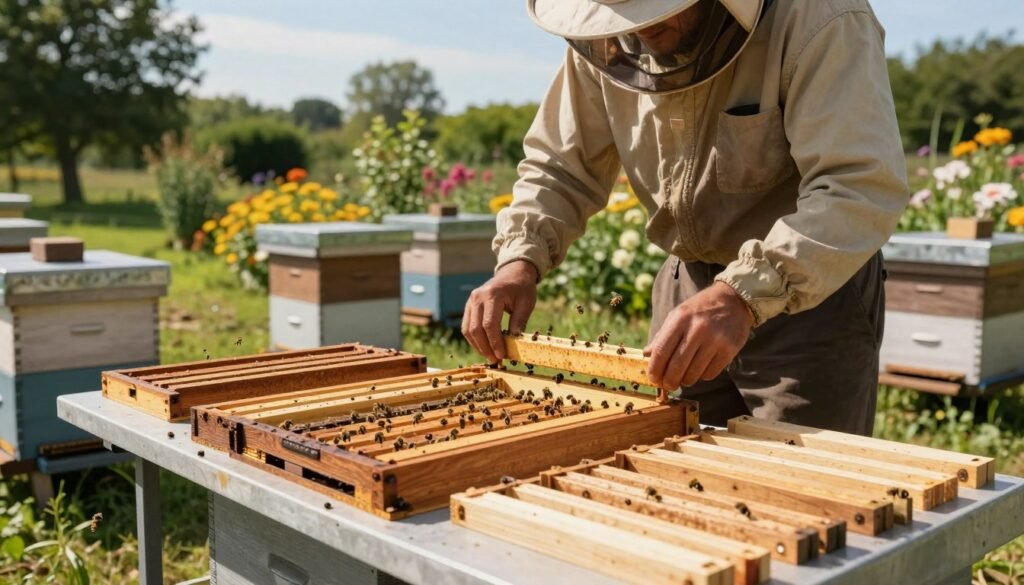
Create simple systems for storing spare foundation, labeling frames, and rotating honey supers. Good inventory habits keep operations predictable during peak flow.
- Invest in durable equipment and a repeatable assembly process.
- Standardize boxes and frames to keep tools interchangeable.
- Join a local group to learn scale tips and regional best practices.
“Plan for durability and repeatability; the health of your bees depends on it.”
For practical assembly workflows and hive setup advice, see a short guide to hive assembly. To reduce stress on growing stands and equipment, explore noise-reducing hive stands.
Conclusion
Success, in practical beekeeping, begins with clear choices about equipment and routine.
What you pick for frame setup will influence your workload and seasonal results. Proper assembly keeps the hive square and strong. That supports long-term colony health and productivity.
Whether you select plastic foundation or a natural approach, steady management and attention to detail matter. Small, regular checks prevent many common problems and reduce surprises.
Keep learning and try different things as you gain experience. Review tips on unassembled hive frames and common pitfalls in top mistakes new beekeepers make.
Thank you for taking the time to refine your methods and protect your bees. Good work, and best wishes as your apiary grows.