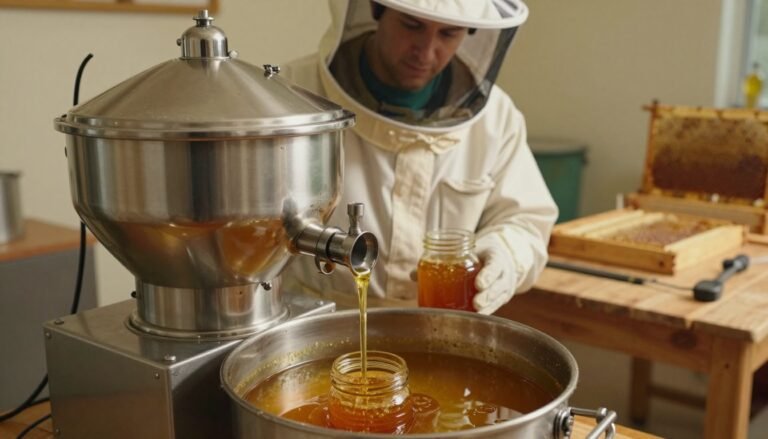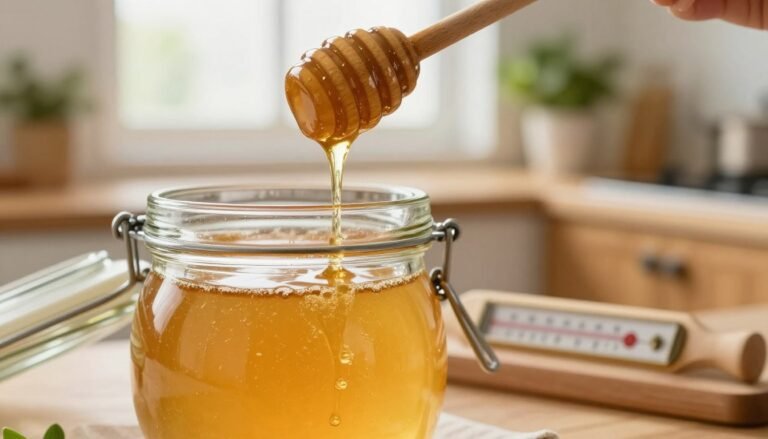
Honey is one of the most shelf-stable natural foods, yet it can still ferment under the wrong conditions. Producers must watch moisture and storage humidity to keep quality high.
Good beekeeping starts at the hive and continues through harvest and storage. Bees convert nectar into a dense sugar product, but that product is hygroscopic and will absorb air moisture if exposed.
Maintaining correct moisture content is the single most important step in preventing fermented honey. Use a calibrated refractometer, control room humidity, and move uncapped frames to a drying area quickly.
If ambient humidity is high, consider tailored drying techniques. For practical guidance, see tips on drying extracted lots and humidity effects, such as the methods described at drying honey to prevent fermentation and detailed humidity controls at humidity effects on honey curing.
Key Takeaways
- Measure moisture with a refractometer before any packaging.
- Keep storage humidity low and monitor temperature daily.
- Dry uncapped combs promptly to reach safe moisture content.
- Maintain a clean hive to limit yeast load at harvest.
- Salvage borderline lots with mead or controlled re-drying.
Understanding the Science of Honey Fermentation
Understanding the chemistry and organisms involved helps producers spot problems early. Saccharomyces bisporus var. mellis is an obligate osmophilic yeast that begins growth when glucose concentration falls to roughly 10–20% in the liquid phase. Research also points to Zygosaccharomyces richteri as a common spoilage agent in many samples.
The Role of Osmophilic Yeasts
Osmophilic yeast species thrive where most microbes cannot. A guideline from New Zealand flags a count above 10 per gram as significant. Once active, these yeasts convert glucose and fructose into alcohol, carbon dioxide, and acids, changing taste and aroma.
The Crystallization Cycle
As glucose crystallizes, the remaining liquid becomes richer in water. That surface layer creates a perfect niche for yeast to multiply. Varieties that are honey high in glucose, like canola, crystallize faster and face more two-phase separation.
The FAO notes that microbial change is rare in this product, but understanding the science of how honey ferment occurs is essential for robust processing. For grading details, review honey grading standards.
Essential Fermentation Risk Checklist Before Bottling Honey
A precise moisture check and quick sensory tests are the most reliable final steps before sealing jars.
Use a calibrated refractometer to measure the honey moisture content. The FAO flags lots above 18% as likely to start fermentation during storage.
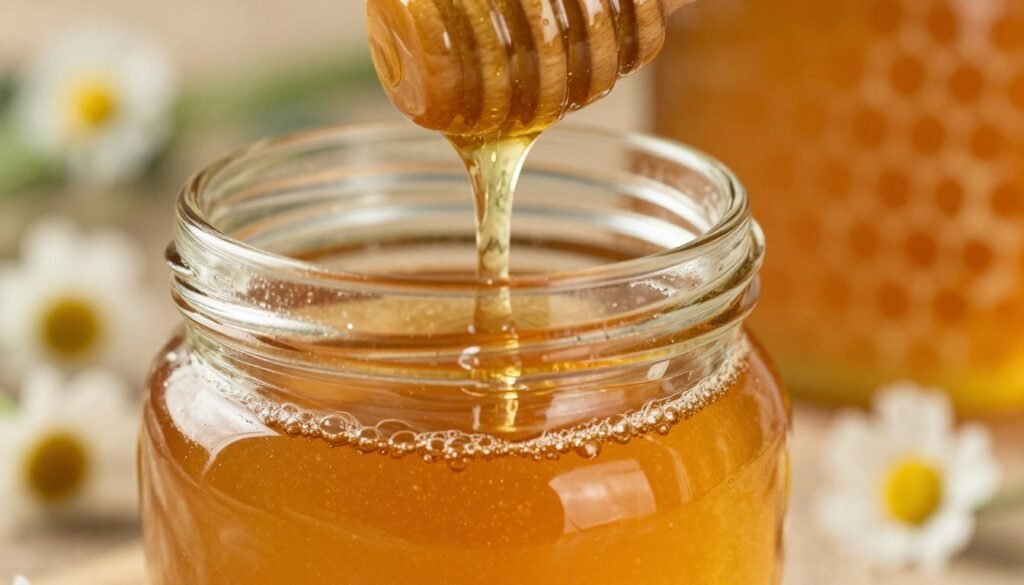
Verify the yeast count in each batch. High counts make the fermentation process start quickly, even in sealed jars.
- Test each lot with a refractometer and document the moisture reading.
- Keep containers airtight to stop water absorption from the air.
- Smell and watch for bubbling; an alcoholic odor or gas is a sign of activity.
- Repurpose affected lots into mead rather than selling them as table product.
This simple protocol protects product quality and brand reputation. For detailed reading on necessary components that cause honey fermentation, see what triggers fermentation. For guidance on choosing a reliable tool, review the best refractometer for beekeepers.
Managing Moisture and Environmental Factors
Moisture control and room conditions decide whether a batch stays stable or turns active after harvest. Keep operations simple and repeatable to protect quality during processing and storage.
Harvesting Ripe Frames
Only remove supers when at least 75% of cells are capped. This practice lets bees do most of the dehydration work and lowers the chance of fermentation in stored product.
Using a Refractometer
Measure moisture content with a calibrated refractometer. Aim for readings under 18% for long-term storage and avoid lots above 20%, which can ferment quickly in warm, humid rooms.
Drying Uncapped Frames
If you harvest uncapped frames, move them to a controlled drying room. Bob Binnie in Bee Culture recommends 85–92°F with humidity below 30% to speed safe drying.
- Good air movement prevents pockets of high moisture; use fans to circulate dry air through stacked supers.
- A single frame can fall from 20.5% to 15.5% moisture within three days in a proper drying environment.
- In humid regions, run dehumidifiers and monitor temperature to keep conditions stable for several days.
“Drying uncapped frames in a warm, low-humidity room is one of the most effective ways to safeguard product quality.”
For practical tips on preventing excess moisture during harvest, see preventing excess moisture. Also consult guidance on how to avoid overheating during extraction to protect texture and flavor.
The Role of Temperature and Storage Hygiene
Temperature control and clean storage are decisive factors in keeping jars stable after processing. Store product below 10°C (52°F) to effectively halt yeast activity and stop most fermentation during long-term storage.
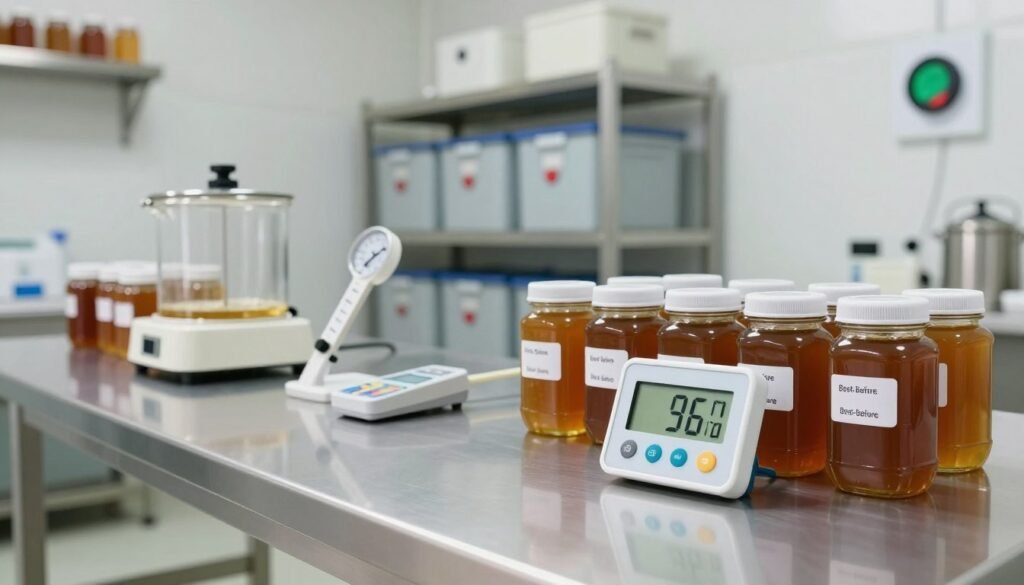
If you use heat treatment, limit it to 60–65°C for a few minutes. Higher heat kills beneficial enzymes and reduces overall honey quality.
Keep the honey house clean. Use dry, sanitized tools and never introduce water or wet utensils into bulk containers. Proper air circulation prevents humidity buildup and reduces moisture uptake from the air.
- Use a refractometer periodically to confirm honey moisture remains safe in storage.
- Keep supers cool and dry before extraction to protect frames and speed drying.
- Follow strict cleaning protocols to avoid transferring yeast between batches.
“A steady cool environment and strict hygiene stop microbial activity and protect product quality.”
For practical guidance on heat and storage effects, see heat and storage guidance, and to learn low-tech ways to test moisture, consult test moisture without an instrument.
Identifying and Handling Spoiled Batches
Spotting early signs of spoilage saves whole batches and keeps your brand intact.
Look for a sour taste, an alcoholic smell, or visible foam on the surface. These are clear signals that a lot has started to change and needs attention.
Repurposing Fermented Honey
Fermented product can often be reclaimed as mead. Mead is one of the oldest alcoholic beverages and uses the same basics: honey, water, and yeast.
Manage yeast and temperature carefully during the mead process to get a clean, drinkable product. Store finished mead in a cool, dark place for several weeks or months so flavors settle.
“Transforming an affected lot into mead turns a loss into a valued product.”
- Sanitize all tools to stop yeast spread to other batches or hives.
- Keep notes on moisture content and yeast count to improve future harvests.
- Consider conversion when a jar shows alcohol or off-taste rather than discarding the product.
| Sign | Action | Outcome |
|---|---|---|
| Sour taste or alcohol smell | Test sample, isolate batch | Repurpose to mead or reprocess |
| Surface foam or bubbling | Sanitize, remove affected jars | Protect remaining stock |
| High yeast count | Document and adjust drying | Better results next harvest |
For testing methods at different stages of production, see why test at different stages. For tips on extraction and storage that reduce losses, consult how to extract and store raw.
Final Thoughts on Maintaining Honey Quality
Keep a steady routine of moisture checks and cool storage to protect product quality year-round.
Maintain low moisture content and steady temperature, and handle jars and frames with clean, dry tools. Even a thin layer of water on the surface can start changes, so prioritize dry processing and regular refractometer testing.
If a batch begins to change, don’t discard it—many producers convert affected lots into a fine mead. For practical packaging tips, see our guide on how to bottle and package honey, and for selling and labeling advice consult steps to start selling honey legally.
Consistent testing, good hive care, and careful storage will help you protect your bees’ work and deliver quality products all year.
FAQ
What causes honey to ferment after harvest?
Yeasts naturally present in nectar or on hive surfaces can activate when moisture levels rise above safe thresholds. If honey contains excess water or is exposed to humid air, the microscopic yeasts consume sugars and produce carbon dioxide and alcohol. Proper moisture testing and timely processing reduce this problem.
How do osmophilic yeasts differ from regular yeast strains?
Osmophilic yeasts tolerate high-sugar environments that would inhibit other microbes. They thrive in syrups and concentrated nectar, slowly converting sugars into byproducts at moderate temperatures. Controlling water content and cleanliness limits their activity.
What role does crystallization play in honey stability?
Crystallization changes texture and can trap bits of moisture, creating tiny pockets where yeast can grow. While granulation is natural and not harmful, uneven crystals plus elevated moisture increase the chance of spoilage. Gentle warming and stirring can help achieve a smoother product.
What moisture level is safe for storage and sale?
Aim for a moisture content under 18%. Many commercial beekeepers target 16–17% to add a margin of safety. Use a calibrated digital refractometer for accurate readings and record results for each extraction batch.
How do I use a refractometer correctly on extracted honey?
Place a clean sample on the prism, close the cover, and read at the proper temperature compensation. Wipe between samples and calibrate with distilled water regularly. Note that temperature and dissolved solids affect readings, so correct for sample temperature if needed.
When should uncapped frames be dried in supers?
Leave frames in the hive until at least 80–90% of cells are capped, indicating reduced moisture. If weather is wet or cool, bring frames into a low-humidity room and use gentle heat or fans to complete curing before extraction.
What steps reduce the chance of a batch going bad during processing?
Keep equipment sanitized, process promptly after extraction, avoid exposing honey to humid air, and blend only similar-moisture lots. Rapidly cool and seal containers, and store jars in a dry, stable-temperature area.
How does temperature affect stored product quality?
Warm storage accelerates microbial activity and fermentation, while repeated heat-cool cycles can increase condensation inside jars. Keep finished goods at a steady, cool room temperature and protect from direct sunlight.
How can I spot early signs of spoilage in a jar?
Look for bubbling, a sour or alcoholic smell, increased liquid separation, or foam on the surface. Also check for off-colors or unexpected fermentation aromas when opening containers.
Can partially spoiled batches be salvaged?
Slightly fermented product can be used for mead production or as a cooking ingredient where flavor changes are acceptable. For food-grade sales, discard or repurpose only after ensuring safety and labeling appropriately.
How often should I test moisture and yeast counts in stored lots?
Test each harvest lot at extraction, then recheck any blended batches and stored inventory every few weeks in warm months. Periodic lab plating for yeast counts helps quantify contamination in recurring problems.
What hive and harvesting practices help minimize processing problems?
Harvest frames when cappings are firm, avoid collecting honey after heavy rain, and maintain hive health to reduce nectar dilution. Use clean supers and extract during drier parts of the day when possible.
Are there treatment options to lower yeast activity in raw lots?
Options include improving drying, using controlled warming to reduce free water, and blending high-moisture lots with drier honey. Food-grade sorbents and additives are not generally recommended for retail honey without regulatory approval.
What documentation should be kept to track quality over time?
Maintain records of hive origin, harvest date, refractometer readings, processing steps, storage conditions, and any lab tests. Traceability helps identify where issues arise and supports consistent product quality.
Where can I get reliable testing and advice for persistent issues?
Contact your state beekeeping association, university extension apiarist, or accredited food lab for moisture analysis and microbial testing. They can offer region-specific guidance and troubleshooting support.