Understanding how processing affects your jar matters. This brief guide helps consumers spot quality, recognize labels, and choose products with confidence. The USDA sets voluntary grading rules and caps moisture for Grade A at 18.6% moisture, a key quality marker.
Many shoppers see terms like Grade A, unfiltered, or minimally processed and feel confused. Learning how producers remove particles and bubbles clarifies why some jars look clearer or taste different.
Proper treatment during production affects enzymes, pollen, and antioxidants. That matters if you prefer nutrient-dense, minimally treated jars from local beekeepers over mass-market choices.
For readers who want deeper context on grading and clarity standards, our linked analysis on honey grading standards explains how color, flavor, and clarity factor into voluntary USDA scores.
Key Takeaways
- USDA Grade A limits moisture to 18.6% — an important quality metric.
- Processing choices change the jar’s appearance and some nutritional traits.
- Labels can be confusing; learn terms to make smarter purchases.
- Local, minimally treated options often retain more natural components.
- Consult grading guides to compare mass-market and artisanal products.
Understanding Raw Honey Filtration Levels Explained
Global standards help shoppers compare jars from different countries and spot true quality.
The Codex Alimentarius, set by the FAO and WHO, defines honey as a natural sweet substance and caps moisture at 20%. This international benchmark keeps a product consistent across markets.
Labeling can still confuse buyers because rules vary by region. That makes it hard to see the real difference between types and to judge purity at a glance.
- The Pfund scale measures color, which links closely to flavor and visual profile.
- Floral source drives composition, so the same jar number may taste different by season.
- Quality-focused producers keep pollen and enzymes intact to preserve true character.
To learn more about unfiltered options, see the unfiltered honey guide. For how flowers shape acidity and taste, read how floral source affects pH.
The Role of Natural Components in Honey
What bees bring back to the hive defines a jar’s character and authenticity.
The Importance of Pollen
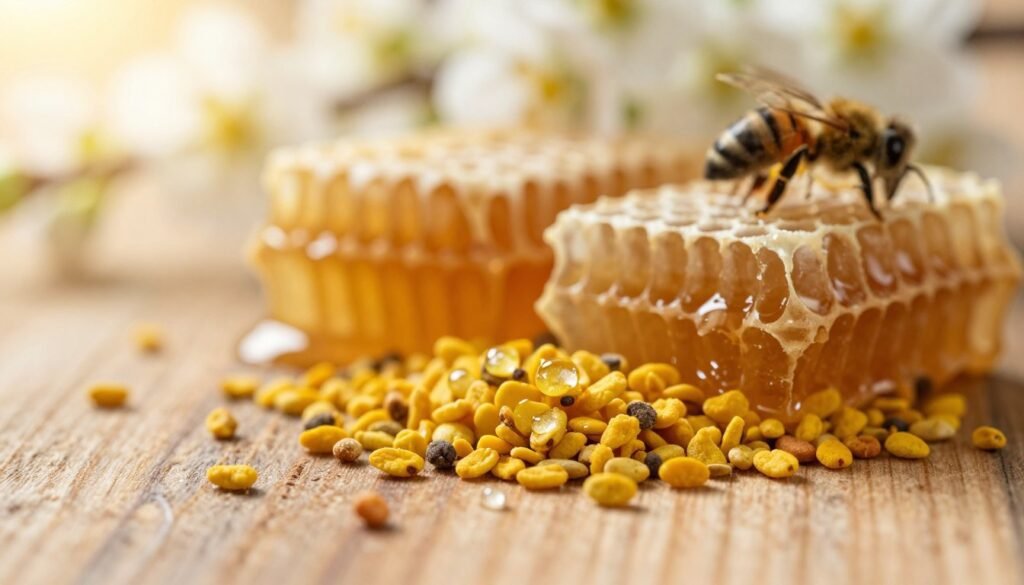
Pollen acts as a botanical fingerprint. It helps verify floral origin and geographic authenticity.
Pollen also adds texture and trace nutrients that point to the product’s botanical purity. Beekeepers and labs use pollen analysis to confirm source and seasonality.
For more on how fermented pollen supports nutrition and bee health, see this benefits of bee bread.
Natural Enzymes and Antioxidants
Enzymes such as diastase and invertase are key honey natural components. They help with digestion and reflect gentle handling during production.
Plant compounds supply antioxidant activity that may support wellness. Maintaining these elements preserves flavor and nutritional benefits that processed syrups lack.
Research on nutrients and enzymes explains why minimal treatment matters for quality.
- Pollen = authenticity marker and nutrient trace.
- Enzymes = active biological function and quality indicator.
- Plant compounds = antioxidants that enhance flavor and health value.
“Integrity of natural components separates genuine jars from simple sweeteners.”
Why Beekeepers Choose to Filter Honey
Producers balance cleanliness and character. Many in beekeeping remove debris like wax flakes and occasional bee parts to meet food-safety expectations and customer preferences.
Commercial production tends to favor clear jars. That clarity helps shelf presentation and satisfies supermarket buyers who expect uniform color and texture.
Another key goal is stability. Removing wild yeasts reduces the risk of fermentation and helps the product stay liquid longer during storage.
Small-scale operators often avoid heavy processing. They sell a product with more pollen and enzymes, which some consumers prefer for taste and perceived nutrition.
| Producer Type | Main Aim | Typical Method |
|---|---|---|
| Large commercial | Uniform appearance, long shelf life | Fine filtration, heat settling |
| Regional packer | Balance clarity and enzymes | Moderate filtration, quality testing |
| Small-scale beekeeper | Preserve natural character | Coarse straining, minimal processing |
“Filtering helps producers deliver a safe, marketable product while they decide how much natural character to retain.”
The Mechanics of Coarse Straining
A low-impact mechanical screen separates wax and comb fragments but leaves pollen and enzymes untouched.
Benefits of Minimal Processing
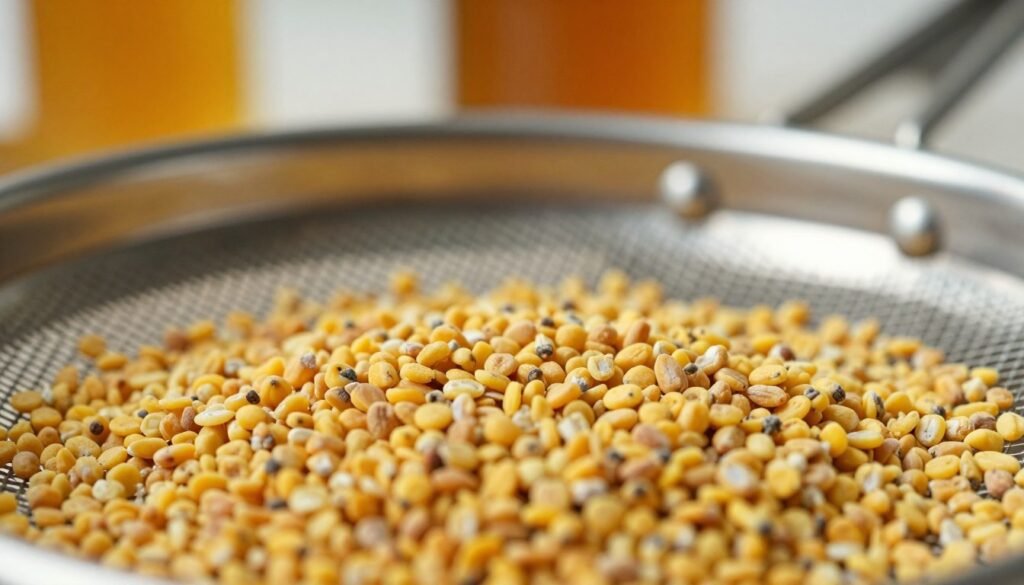
Coarse straining is a simple process using a mesh to catch large particles such as wax, comb, and occasional bee parts.
This method keeps 100% of the natural pollen in the jar, preserving nutrients and bioactive compounds.
Producers avoid high-pressure filtration so delicate flavor and enzymes remain intact. The honey is usually held near the hive temperature, about 95°F, to protect biological integrity.
- Low-impact flow lets liquid pass while stopping the largest debris.
- Artisanal beekeepers favor straining to reflect the true essence of the hive.
- Small bits may remain; these bits signal an authentic, minimally processed product.
| Method | Main Outcome | Typical Use |
|---|---|---|
| Coarse straining | Removes wax, comb, bee parts; keeps pollen | Artisan and small-scale producers |
| Fine filtration | Clears particles and many enzymes | Large commercial packers |
| Heat + pressure | Longer shelf life, reduced bioactivity | Mass-market processors |
“Straining offers a balance: cleanliness without erasing the hive’s fingerprint.”
For a clear comparison of processing approaches, see this FAQ on how the filtration process differs between products.
Understanding Ultra-Filtration Processes
Ultra-filtration is an industrial method that forces liquid through very fine membranes. Producers often thin the product with water to ease flow before applying high pressure.
This intense processing removes nearly all solid particles, including pollen, comb fragments, and occasional bee parts. Research at Texas A&M shows that removing pollen eliminates a key marker of authenticity.
By stripping suspended solids, manufacturers make a uniform, glass-clear product. That appearance improves shelf life and reduces crystallization, which mass-market retailers prefer.
- Ultra-filtration dilutes with water, forces liquid through microfilters, then evaporates the added water back out.
- The process removes pollen and enzymes, so you lose the botanical fingerprint and beneficial compounds.
- Compared to coarse straining, the difference is dramatic: fine membranes change composition, not just clarity.
“Ultra-filtration creates visual perfection but fundamentally alters chemistry and traceability.”
How Temperature Impacts Honey Quality
How warmth is managed from hive to jar directly affects taste, texture, and nutritional value. Producers must balance the need to move viscous liquid through processing with the goal of keeping beneficial compounds intact.
The Risks of High Heat
Heating to high temperatures speeds work but carries clear risks. Temperatures near 160°F can denature enzymes and reduce antioxidant activity.
Too much heat also alters color and reduces complex flavor notes. Producers watch the time the product spends at elevated temperature to avoid these chemical changes.
- Lowering viscosity helps with fine filtration, but excessive heat sacrifices quality.
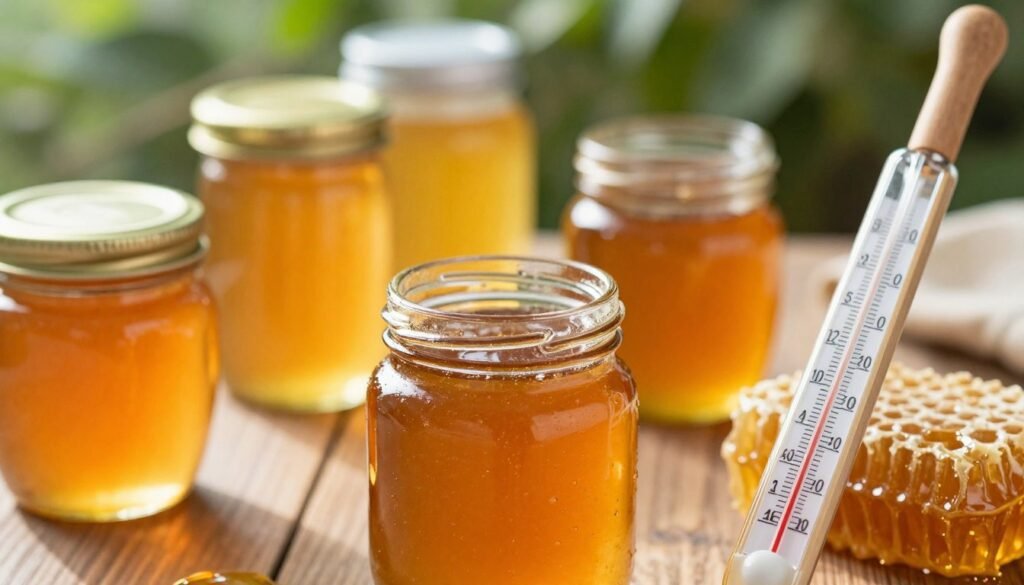
- Keeping extraction under 110°F preserves enzyme activity and natural compounds.
- Careful control of water and heat prevents spoilage while maintaining nutrition.
Maintaining Hive Temperatures
Bees regulate the hive to protect brood and stored food. Ethical beekeepers try to mirror that gentle approach during harvest and processing.
By using modest heating and short processing times, they keep the final product closer to its natural state. For more on why thermal control matters during processing, see temperature during filtering and bottling.
“Proper temperature control preserves the living qualities that make a product both flavorful and nutritive.”
Distinguishing Between Raw and Pasteurized Products
Understanding pasteurization helps you pick the right jar for taste and nutrition.
Commercial pasteurization typically heats honey to between 145°F and 160°F. This kills yeast, dissolves crystals, and reduces the risk of fermentation so the product stays liquid on the shelf.
That stability comes at a cost. High temperatures often destroy enzymes and lower antioxidant activity. As a result, pasteurized jars may lack the bioactive qualities that some consumers seek.
By contrast, raw honey is not exposed to those heat spikes. It keeps more of its natural enzymes and plant compounds. Look for labels that say “raw” or “unpasteurized” if you want minimal heat treatment.
| Feature | Pasteurized Product | Raw Honey |
|---|---|---|
| Processing temperatures | 145–160°F | Not exposed to high temperatures |
| Shelf behavior | Longer shelf life, resists crystallization | May crystallize sooner, shorter liquid life |
| Nutritional profile | Reduced enzymes and antioxidants | Retains enzymes and botanical compounds |
“Pasteurization extends shelf life but can lessen the living qualities many buyers prize.”
For practical harvest and storage tips that help preserve quality, see this guide on extract and store raw honey.
The Impact of Processing on Nutritional Value
Processing choices during production shape not only texture and color but also the nutritional punch in your jar.
Commercial processing often strips pollen and enzymes through a mix of high heat and ultra-filtration. That combination reduces antioxidant and phenolic compounds that give darker varieties a stronger nutrient profile — research at the University of Illinois found some darker types contain up to 20 times more antioxidants than lighter ones.
Nutrient Loss During Commercial Processing
Flash pasteurization at 160°F kills wild yeasts but also degrades important bioactive compounds. When many particles are removed, the result can resemble simple sugar syrup rather than a nutritious product.
Maintaining benefit requires careful temperature control and minimal handling. Producers who preserve pollen and natural compounds keep enzymes active and support the wellness advantages many consumers seek.
“Preserving the botanical fingerprint and compounds makes the real difference for anyone using this product as a supplement.”
- For a technical comparison, see the nutrition comparison.
- Check labeling and packaging tips when choosing a product from small producers.
Visual Indicators of Honey Purity
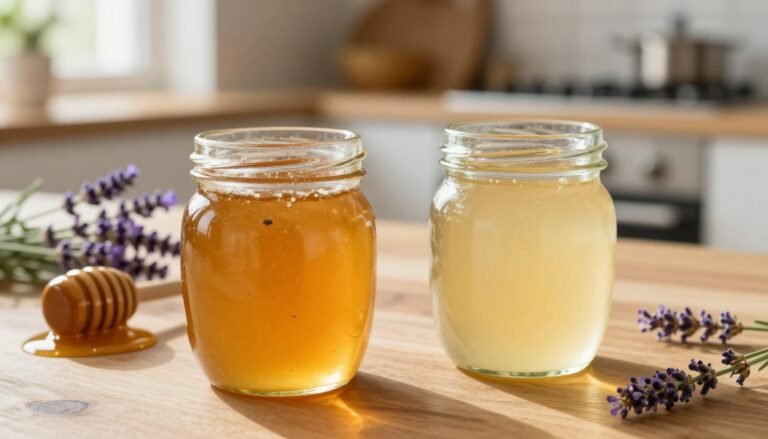
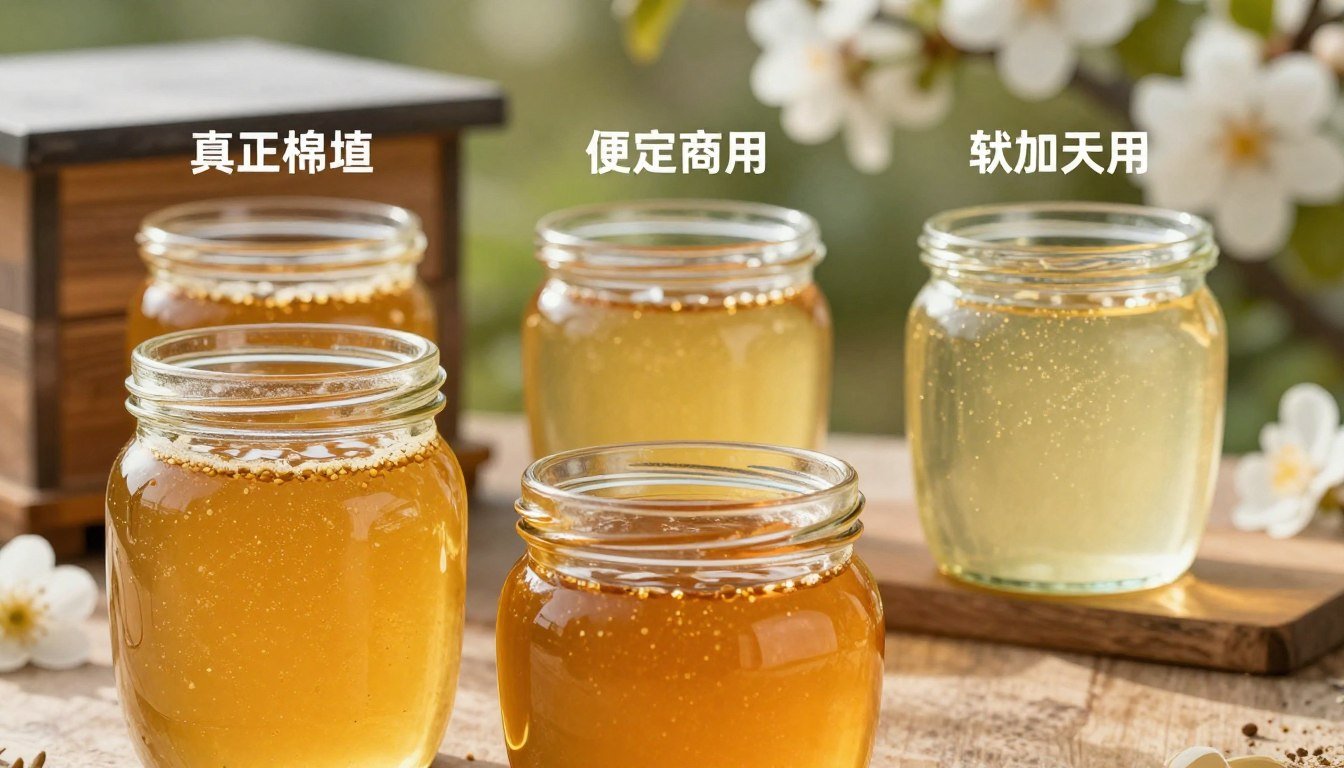
A quick visual check often reveals whether a jar kept its natural components or has been heavily processed. Look for slight cloudiness or fine texture; that often signals retained purity and less industrial handling.
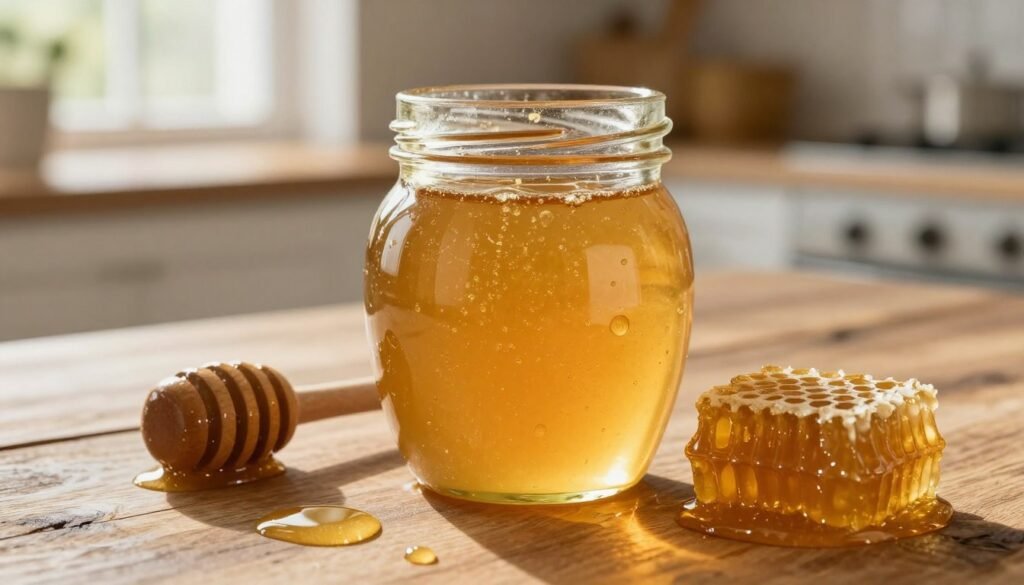
The presence of tiny particles such as pollen or small bits of wax is normal. These pieces indicate the product is in a natural state and still carries botanical trace elements.
Crystallization is another sign of authenticity. When a jar becomes thick or grainy over time, it usually reflects a pure honey that was minimally processed rather than spoiled.
- Be wary of jars that stay perfectly clear and liquid for years; that often means heavy processing.
- Quality-focused producers will note their straining methods on labels to explain why a jar looks cloudy or contains particles.
“Small visual cues let you identify authentic, high-quality jars that keep more of the hive’s character.”
Selecting the Right Honey for Your Needs
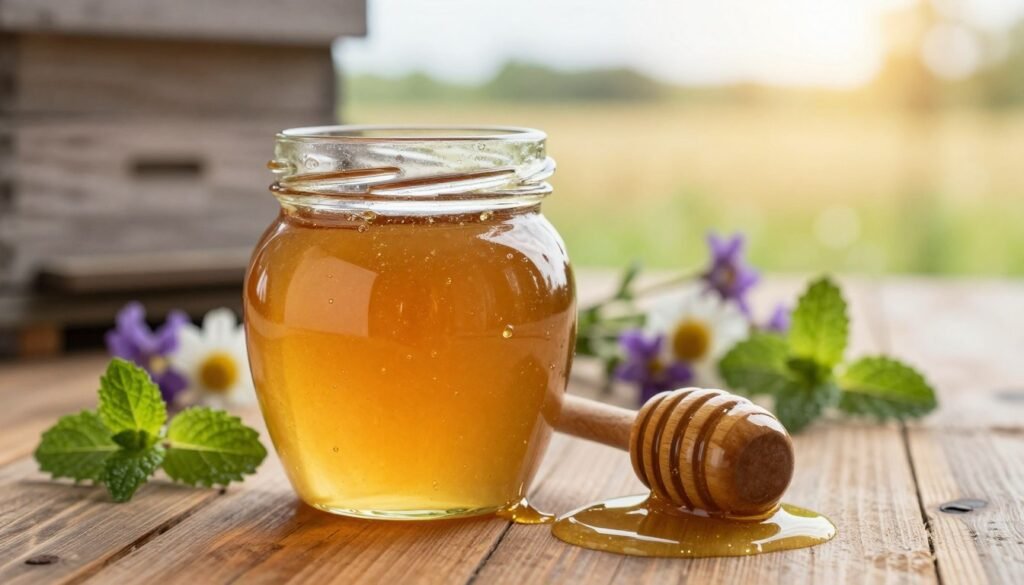
Choosing the right jar starts with matching the product to how you plan to use it.
If you want nutritional support, pick minimally processed options that keep pollen and enzymes. These deliver the most direct benefits for wellness routines and natural remedies.
For cooking and baking, choose a high-quality pasteurized option for a steady, liquid texture and predictable flavor. That makes it easier to measure and heat without graininess.
Understanding the difference between monofloral and polyfloral types helps you match flavor to recipes. Single-flower varieties often have a distinct taste; blends give broader, milder profiles.
Always read the label for processing notes and producer origin. Supporting local beekeepers is a smart way to find fresh, authentic products that reflect higher quality and traceability.
| Use | Best Choice | Key Benefit |
|---|---|---|
| Wellness & supplements | Minimally processed jar | Retains enzymes and pollen for support |
| Culinary consistency | Pasteurized, high-quality product | Stable texture and predictable flavor |
| Everyday sweetening | Local or labeled type | Fresh taste and traceable quality |
“Match your choice to use: benefits and flavor depend on processing and floral source.”
Ethical Considerations in Honey Production
Ethical production starts where the hive meets the landscape. Placing hives in diverse, chemical-free areas supports bee health and long-term production.
For USDA organic certification, producers must ensure hives have certified organic foraging within about a two-mile radius. That buffer reduces contamination and helps maintain true organic standards.
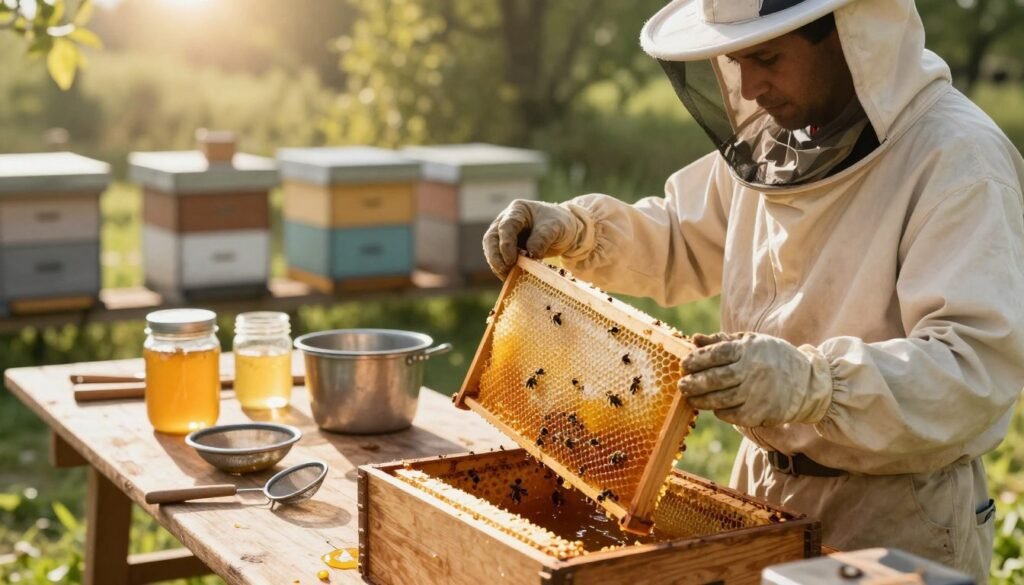
Sustainable beekeeping prioritizes the integrity of the hive and the welfare of the bees over short-term yield. Ethical beekeepers harvest only fully capped, ripened stores so colonies retain enough resources year-round.
Transparency in labeling lets consumers make an informed choice. Look for producers who document their methods and landscape practices. Choosing verified brands helps support regional ecosystems and pollinator populations.
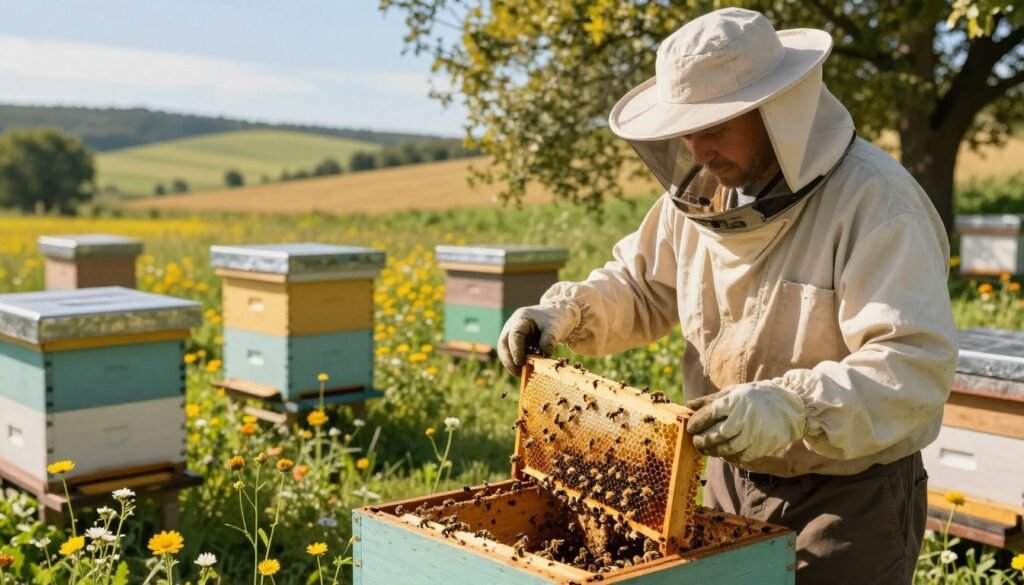
- Sustainable practices protect colonies and improve product quality.
- Allowing bees to forage freely in varied, chemical-free landscapes matters.
- Clear labeling and certified foraging zones give shoppers a reliable choice.
To learn more about labeling and standards, see this discussion on what truly makes honey raw. For wider industry practices, consult resources on beekeeping ethics.
“Supporting ethical brands ensures the production process respects the natural lifecycle of bees and the environments they inhabit.”
Conclusion
Knowing how processing and temperature shape a jar helps you choose a product that fits your taste and needs. Look for signs such as slight cloudiness or crystallization as indicators of preserved pollen and natural compounds. Consider the trade-offs between clarity and botanical character when you buy.
When quality matters, favor producers who document temperature control and provide batch data. For a technical comparison of processed versus less-treated options, see this processed vs. raw comparison. For practical at-home checks and lab options, consult this test purity at home guide.
Being an informed buyer supports ethical beekeeping, preserves bee life, and helps you get the flavor and benefits you expect from each jar.
FAQ
What do filtration grades mean for artisanal honey?
Filtration grades describe how much material is removed after extraction. Coarse straining keeps most pollen, wax bits, and propolis while removing large debris. Finer processes remove more particulates and can produce a clearer product but may strip beneficial compounds and alter flavor.
Why is pollen important in jarred honey?
Pollen carries floral information and nutrients such as amino acids and trace minerals. It helps identify floral source and region, supports the product’s natural profile, and contributes to the nutritional reputation that many consumers seek.
How do natural enzymes and antioxidants change with processing?
Enzymes like invertase and glucose oxidase and antioxidants such as flavonoids can decline with excessive heating or aggressive filtration. Minimal handling preserves enzyme activity and the antioxidant profile, which supports flavor and potential health benefits.
What motivates beekeepers to filter their product?
Beekeepers filter to remove wax, bee parts, and debris for safety, presentation, and shelf stability. Filtering also helps prevent fermentation by reducing moisture pockets and allows labeling that meets retail standards for clarity.
What is coarse straining and what are its benefits?
Coarse straining uses mesh or gravity to remove large particles while leaving pollen and small wax specks intact. Benefits include retaining flavor complexity, preserving nutrients, and maintaining a more natural texture preferred by many consumers.
How does ultra-filtration differ from light filtration?
Ultra-filtration uses very fine filters and sometimes centrifugation to remove nearly all solids, including pollen. The result is very clear and stable product but with reduced trace compounds, which can affect authenticity testing and nutritional content.
How does temperature during processing affect quality?
Heat alters aroma, color, and delicate compounds. Gentle warming helps liquefy crystallized product for bottling, but sustained high temperatures degrade enzymes and flavors. Controlled, low-temperature handling preserves quality.
What risks come from heating at high temperatures?
High heat can destroy enzymes, reduce antioxidant activity, darken the product, and create off-flavors. It may also accelerate color changes and reduce perceived purity and nutritional value.
How do beekeepers manage hive temperatures to protect product quality?
Beekeepers maintain hive health through ventilation, proper insulation, and placement to avoid overheating. Healthy, well-managed colonies produce cleaner comb and more consistent nectar processing before extraction.
How can consumers tell the difference between minimally processed and pasteurized jars?
Minimally processed jars often show natural cloudiness and fine particles like pollen. Pasteurized or heavily heated jars appear very clear and uniform. Labels may indicate terms such as “cold-processed,” “unfiltered,” or “pasteurized.”
Does commercial processing reduce nutritional value?
Commercial processing, especially with high heat and extreme filtration, can lower enzyme activity and remove trace antioxidants and pollen. Nutrient loss varies by method and intensity, so processing choices directly affect the final profile.
What visual signs indicate a pure, minimally handled product?
Look for slight cloudiness, small wax particles, and occasional granulation. These signs often signal minimal heat exposure and limited filtration. Clear, syrupy jars may have undergone extensive processing.
How should I choose a jar based on intended use—baking, spread, or medicinal?
For baking, highly clarified, consistent product works well. For spreads and flavor, minimally processed jars preserve aroma and texture. For traditional medicinal uses, select products that retain pollen and enzyme activity and avoid high-heat processed varieties.
What ethical factors should I consider when buying from a brand?
Check for transparent sourcing, humane hive management, and support for local beekeepers. Avoid brands that advertise excessive clarity without disclosing processing; traceability and fair practices often indicate higher-quality stewardship.