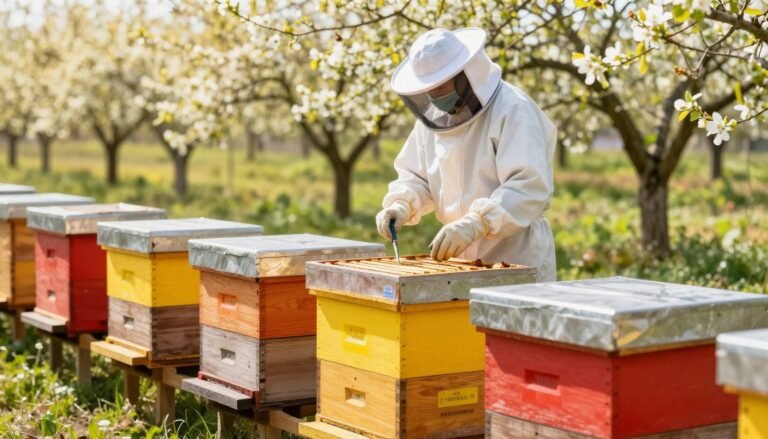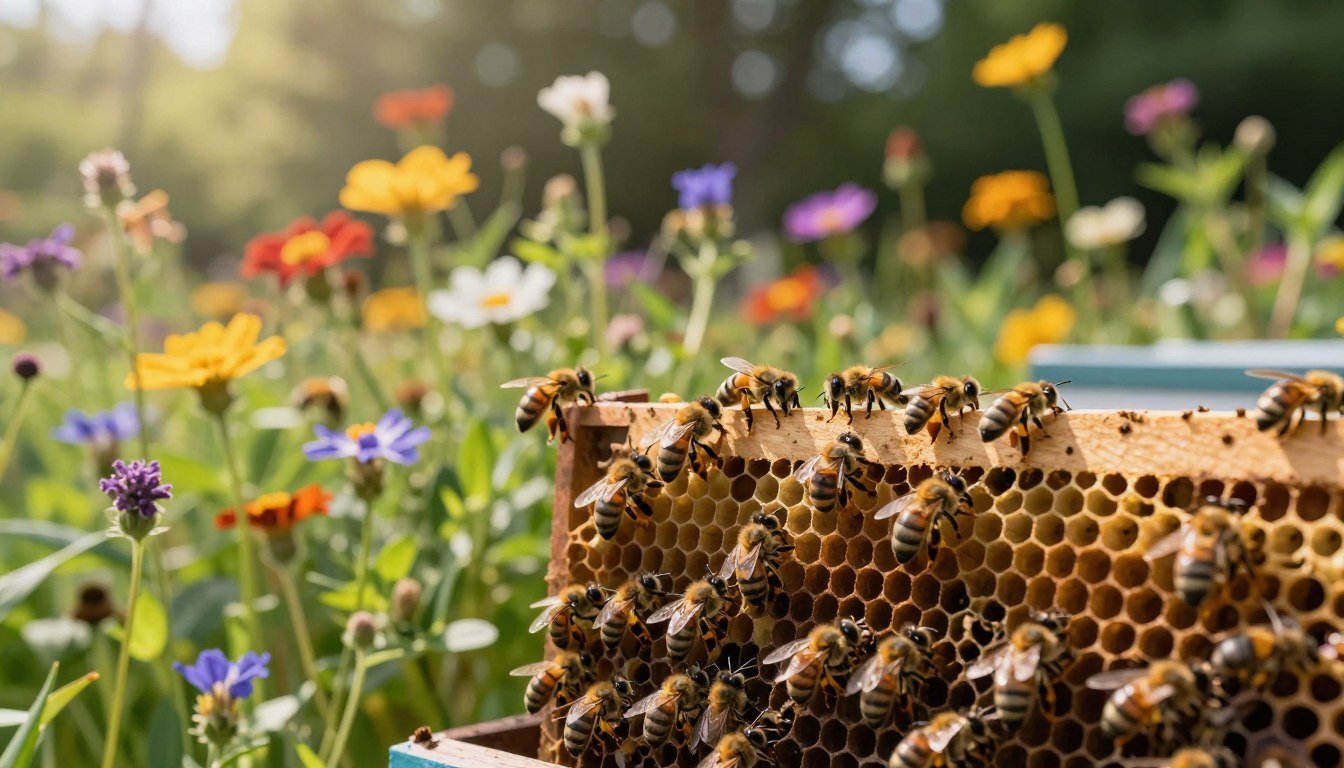
Starting with bees is rewarding, but the first year tests most new beekeepers. Many expect an easy hobby, yet caring for a hive demands steady time and focused management. Learn the basics of colony biology to protect eggs, brood, larvae, and the queen.
Successful beekeeping needs more than boxes and a beehive. Pay attention to the entrance, water supply, and feeding sugar or pollen when required. Experienced beekeepers say local area rules and conditions shape how you care for colonies.
Prepare for winter early. A neglected hive can lose its colony in cold days. Seek advice, read reliable guides, and give your hives routine checks to spot problems fast.
Key Takeaways
- Expect a learning curve in the first year; plan your time and resources.
- Understand honey bees’ biology to protect brood and the queen.
- Manage entrance, water, and feeding to prevent common problems.
- Maintain boxes, frames, and beehive health year-round.
- Get local advice and act early to prepare for winter.
Understanding Biosecurity Mistakes Small Beekeepers Make
New hive owners often underestimate how quickly colony needs shift across the seasons. That gap in understanding is one of the leading causes of biosecurity mistakes small beekeepers make.
Watch the entrance and brood closely. A dusty or clogged entrance, dwindling workers, or irregular brood patterns often signal pests or disease. Quick action saves a hive and protects nearby colonies.
Provide clean water and timely feeding during nectar dearths. Experienced beekeepers use sugar syrup or pollen substitutes at critical points in the year to support the queen and larvae.
“Spend time observing hives daily; subtle changes are the best early warning.”
Good management reduces stress on bees and lowers the risk of long-term losses over winter. Seek local advice, keep records, and treat issues early to protect honey, eggs, and future productivity.
The Risks of Building Your Own Hive Equipment
A homemade inner cover or box may look fine on the bench but fail under real hive conditions. When the Foxhound Bee Company built gear for their first hive in 2012, they learned patience and precision matter more than savings. A new beekeeper can waste lumber, time, and focus that would be better spent learning colony biology.
Risks of Cut Waste
Cutting boards for frames and supers generates waste and cost. Lumber prices and lost hours add up fast. What seems like thrift can become expensive when measurements or joints are off.
Structural Integrity
Poor joints let bees build comb in odd spaces. That rogue comb can prevent a queen from laying eggs in proper frames and harm brood development.
Incorrect dimensions also affect how bees store honey and pollen. Faulty entrance sizing makes temperature and humidity control harder. In winter, unreliable boxes increase the risk of colony loss.
“Spend your early season learning hive biology; the time often beats extra sawdust and broken frames.”
Before you commit to lots of DIY gear, weigh time versus risk. For more on common early pitfalls, see top mistakes new beekeepers make.
Challenges with Non-Traditional Hive Styles
A different hive shape may please the eye, yet it can complicate routine inspections.
New beekeepers who try non-standard gear often struggle to find local advice and compatible parts. That gap increases time spent on repairs and custom solutions.
Managing two hives of different designs is a valuable lesson, but it doubles daily management tasks. Inspections take longer and comparisons between colonies become confusing.
- Non-traditional boxes can cause irregular comb and poor brood patterns.
- Entrances may need custom screens, which can invite pests or trap moisture.
- Feeding sugar or providing water often requires bespoke fittings not found in your area.
“Stick to a standard beehive until you have lots of experience; it simplifies winter prep and protects the queen and larvae.”
Advice: start with common frames and boxes so your time focuses on bees and brood health. For related maintenance tips, see prevent mold inside a beehive.
Relying Solely on Personal Opinion
When you trust just your own view, subtle signs in a colony often go unread. New beekeepers who rely only on personal judgment can miss early signs of disease or pests.
Beekeeping is local. What succeeds in one area may fail in another because of climate and forage. Ignoring local advice can leave your hive short of honey before winter.
Consistent management matters. Check the queen, eggs, and brood regularly. Monitor entrance traffic, feeding, and water to spot problems fast.
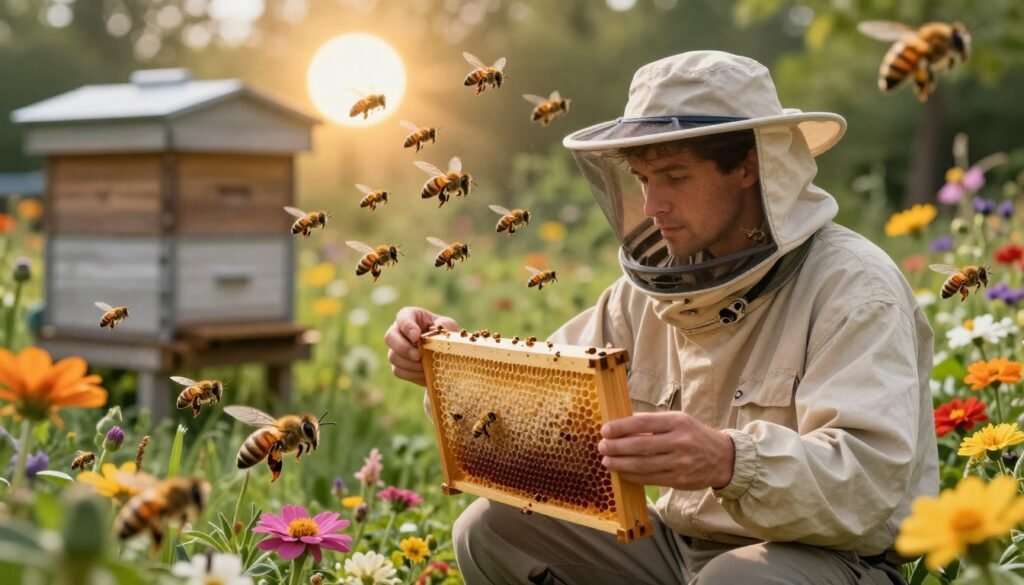
- Balance observations with proven techniques to protect larvae and colonies.
- Join a local club to gain practical advice from experienced beekeepers.
- Avoid opening a hive on cold or rainy days — confident but inexperienced action stresses bees.
“Combine your notes with local wisdom; that blend reduces risk and saves time.”
For evidence-based local guidance, consult regional research such as this local management research to adapt practices that fit your year and area.
The Danger of Overloading on Conflicting Advice
A torrent of forum tips can turn a clear management plan for your colony into a jumble of conflicting actions. New beekeepers face a flood of opinion that often contradicts itself.
Trust structured lessons first. The “Am I Ready to Become a Beekeeper?” course from Foxhound Bee Company offers 11 practical lessons. Those lessons provide a reliable path through basics like queen care, eggs, brood, and larvae development.
Navigating Online Forums
Forums can help, but they also confuse. When you try to follow every tip you read, your hive setup may not fit your area.
“Always prioritize structured, proven information over the anecdotal advice found on social media.”
- Seek a local mentor for specific guidance.
- Use a standard box and frame setup to reduce variables.
- Monitor the entrance daily for early signs of problems.
| Source | Strength | When to Use |
|---|---|---|
| Online Forums | Wide ideas, varied quality | For tips and discussion only |
| Structured Course | Stepwise, proven lessons | Beginner training and planning |
| Local Mentor | Practical, area-specific | Hands-on help during inspections |
Importance of Thorough Research Before Starting
A solid plan before you open your first hive cuts surprises and saves time. New beekeepers who study the life cycle of the queen, brood, and larvae increase their odds of a healthy colony in the first year.
Read books, attend local meetings, and ask experienced people in your area. Local advice teaches seasonal needs for feeding sugar, providing water, and preparing for winter.
Without preparation, colonies may fail to store enough honey to survive cold days. Early study helps you spot problems at the entrance and act before they become crises.
- Learn colony biology so eggs and brood get proper care.
- Plan feeding and water management to support larvae during nectar dearths.
- Use reliable sources and local guidance to shape your management approach.
“Invest in education first; practical knowledge protects boxes, frames, and the queen.”
Common Misconceptions Regarding Frame Management
Frame spacing controls how bees use a box; sloppy gaps invite comb where you don’t want it.
Keep frames tight and consistent. If frames sit apart, the colony will fill gaps with wax and propolis. That leads to cross comb that is hard to remove.
Leaving out frames to “save time” often backfires. Rogue comb can trap brood and make inspections slow. Push frames together to give the queen room to lay eggs and the colony space to store honey.
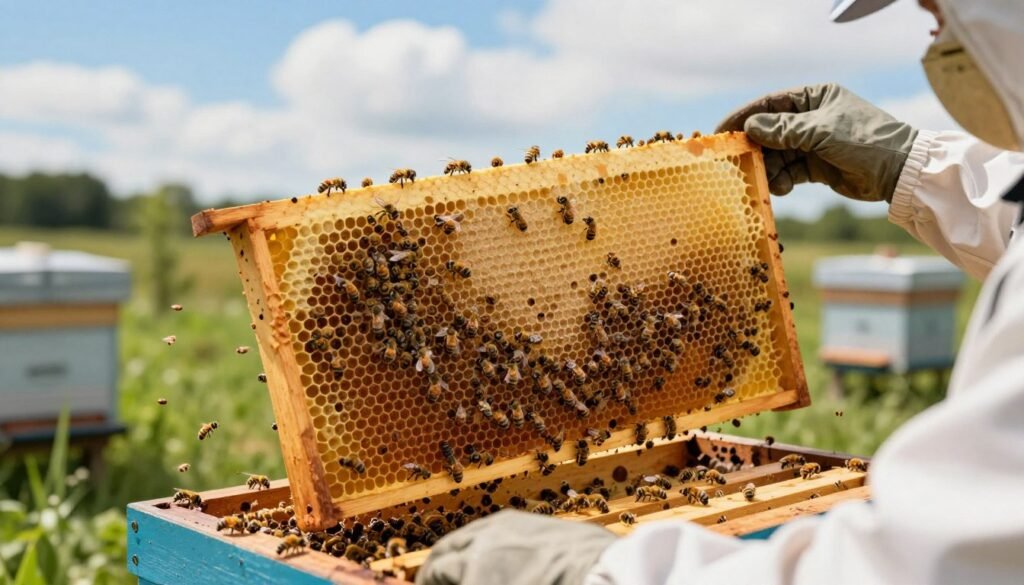
“A well-set frame pattern reduces stress during inspections and helps a hive keep steady heat in winter.”
- Assemble frames securely so they don’t fall apart when you lift them.
- Keep the entrance clear and arrange frames to ease pollen and water traffic.
- Follow the manufacturer’s spacing for your box and super to avoid design problems.
| Issue | Impact | Quick Fix |
|---|---|---|
| Wide gaps | Cross comb, hard removal | Push frames together, re-space |
| Loose frames | Broken comb, lost time | Glue joints, secure with nails |
| Wrong frame count | Queen crowded or no storage | Use correct frames per box |
The Necessity of Proper Frame Spacing
Correct frame spacing keeps traffic flowing and prevents bees from building unwanted bridges between frames. Proper spacing matters in every box and super you use.
Avoiding Rogue Comb
Bees will build comb to fill any gap larger than a bee space. That behavior leads to cross comb that slows inspections and risks damaging brood during removal.
The standard 10-frame box and the 8-frame box are made to hold the right distance between frames so bees do not build rogue structures. Push frames toward the center if you have lots of frames to leave clear edges for bee traffic.
- Keep frames evenly spaced to let the queen move and lay eggs.
- Use the correct frame count for your box to avoid extra empty space.
- Monitor the entrance for congestion caused by poor internal flow.
Managing Propolis
Propolis is sticky and useful, but it can glue frames together. If you do not manage propolis, removing a frame may harm the colony or break combs holding honey and larvae.
“A well-spaced hive saves time during inspections and preserves comb integrity.”
Practical tips: scrape excess propolis at routine checks, heat tools slightly when needed, and keep frame spacing consistent across boxes and hives.
For concise layout strategies and space-saving ideas, see small space beekeeping strategies.
Why Glue is Essential for Equipment Longevity
Glue transforms a rough-built box into a durable home that withstands years of use. Proper adhesive holds joints when bees load frames with honey, pollen, and propolis.
Many find nails or staples fail under weight. A split inner cover or box joint can let pests in or let heat escape. That risk harms the queen, eggs, and brood.
Take time to use high-quality glue on frames, supers, and boxes. Well-bonded joints reduce repairs and protect colonies through winter and heavy nectar flows.
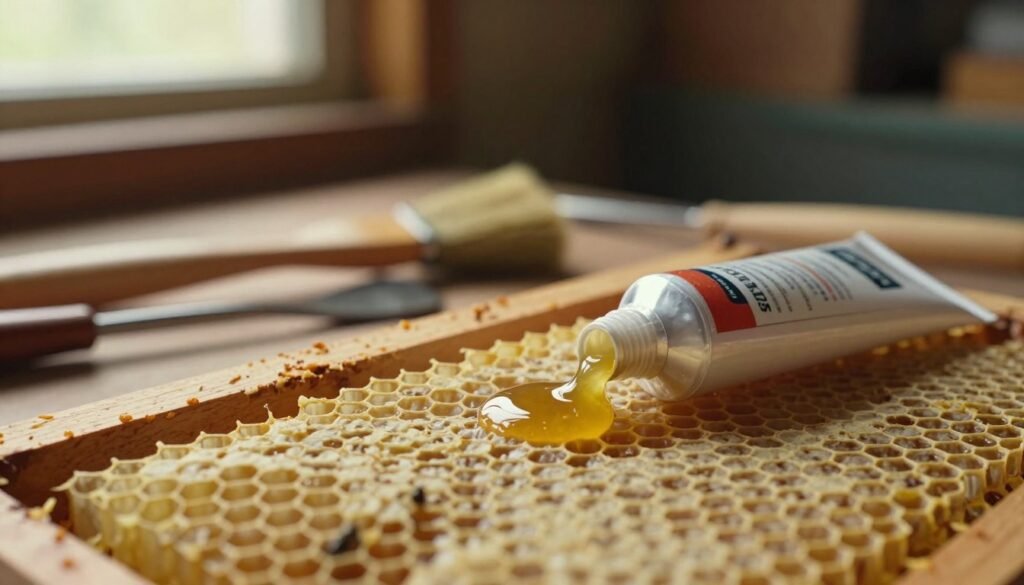
Sturdy equipment also helps with feeding sugar and providing water. A secure entrance and gap-free corners keep pests out and stabilize hive humidity.
“A strong bond in your hive means fewer surprises and more time with healthy bees.”
- Glue is stronger than staples for long-term frame strength.
- Bonded boxes withstand propolis and comb weight better.
- Well-assembled hives support brood development and queen laying.
| Assembly Step | Why It Matters | Recommended Action |
|---|---|---|
| Frames | Carry honey and brood weight | Use waterproof wood glue and clamp until set |
| Boxes & Supers | Keep structure square under load | Glue joints, reinforce with screws if needed |
| Inner cover | Maintains insulation and ventilation | Glue seams; avoid gaps at edges |
Dangers of Assuming Colony Health from the Entrance
A busy landing board or lots of bees at the doorway can give a false sense of security.
Activity at the entrance is only one clue. You may see flight yet miss dead bees piled near the landing board or signs of disease inside the boxes.
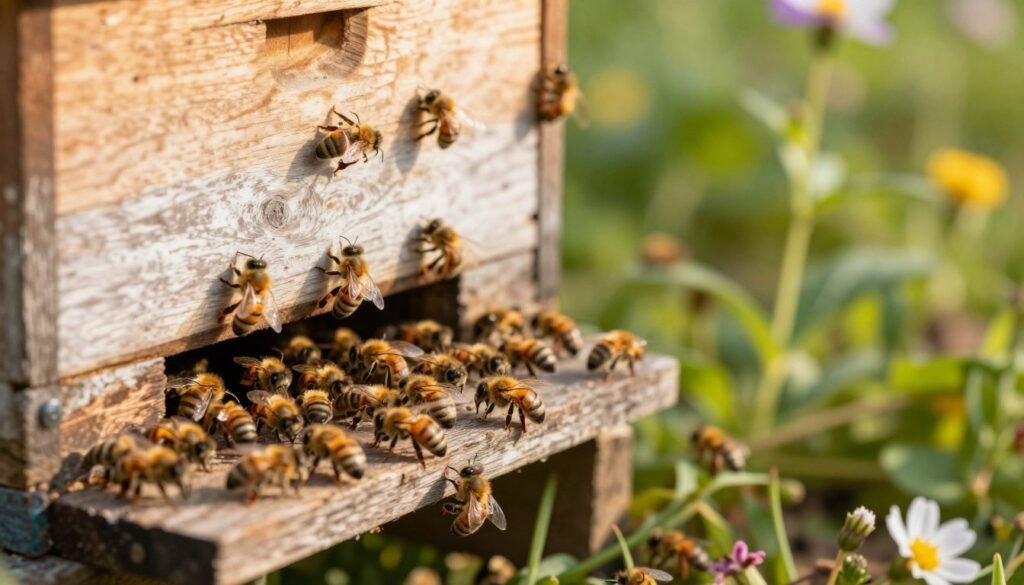
Only by opening the hive and checking frames can a beekeeper confirm the queen, eggs, and brood are healthy. Look for consistent brood patterns and healthy larvae.
High traffic can mean a thriving colony, but it can also indicate robbing or stress from poor feeding and water access.
- Inspect frames regularly to catch problems early.
- Check for dead bees at the entrance as a red flag.
- Monitor stores of honey, pollen, and sugar if you feed.
“Don’t judge hive health solely by what you see outside; real answers are inside the box.”
For practical, producer-level guidance consult the honey bee producer guide to align inspections and management with your area and season.
Mastering Bee Biology for Better Management
A clear grasp of honey bee life stages transforms routine checks into decisive action. New beekeepers who learn how eggs move to brood and then to young larvae gain a big advantage in colony care.
Understanding Brood Cycles
Watch how the queen lays eggs and how brood develops. Notes on frame patterns help you spot uneven brood or a colony without queen quickly.
Young larvae need steady food and warmth. Inspect frames on warm days to confirm healthy brood and enough pollen stores.
Nectar Flow Dynamics
Know local nectar timing to plan honey harvests and winter stores. When flow peaks, give space for honey and avoid removing boxes that hold stores.
Feed sugar and provide water only when natural forage is scarce. This protects bees and keeps brood development on track through the year.
Pest Management
Use biology to guide pest response. Early detection protects the hive and the queen. If a colony is without queen, act within days to introduce a queen or combine colonies.
Good management aligns inspections, entrance timing, and treatments with life cycles to reduce problems and prepare hives for winter.
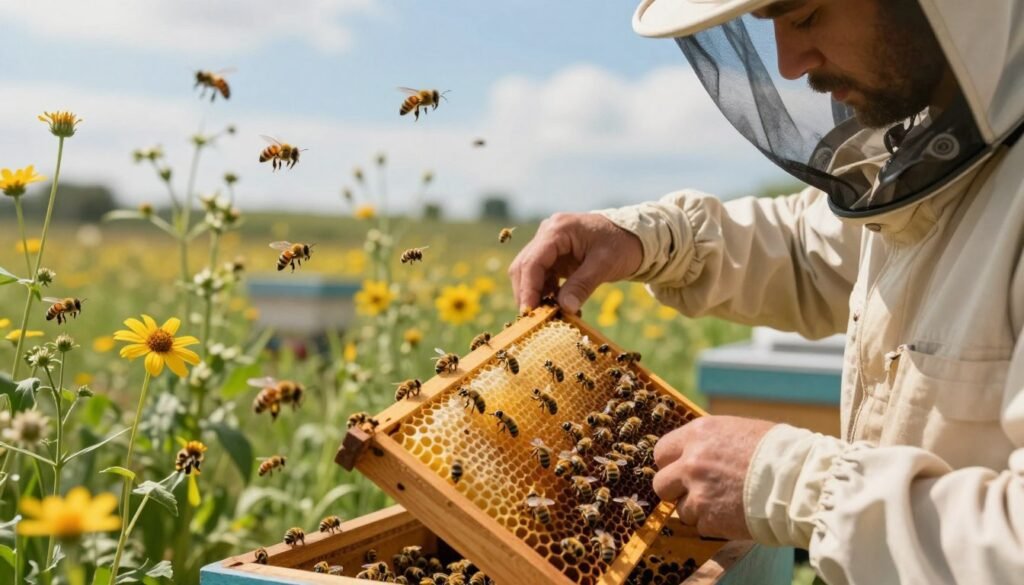
“Anticipate needs by reading brood patterns; prevention saves time and keeps colonies productive.”
- Check frames often during key seasons.
- Time feeding and water to nectar flows.
- Continue learning local pest techniques for effective beekeeping.
Seasonal Considerations for Hive Success
Each season brings distinct needs for a hive; timing is the backbone of good colony care. Plan inspections and adjustments to match spring buildup, summer nectar flow, fall preparation, and the winter cluster.
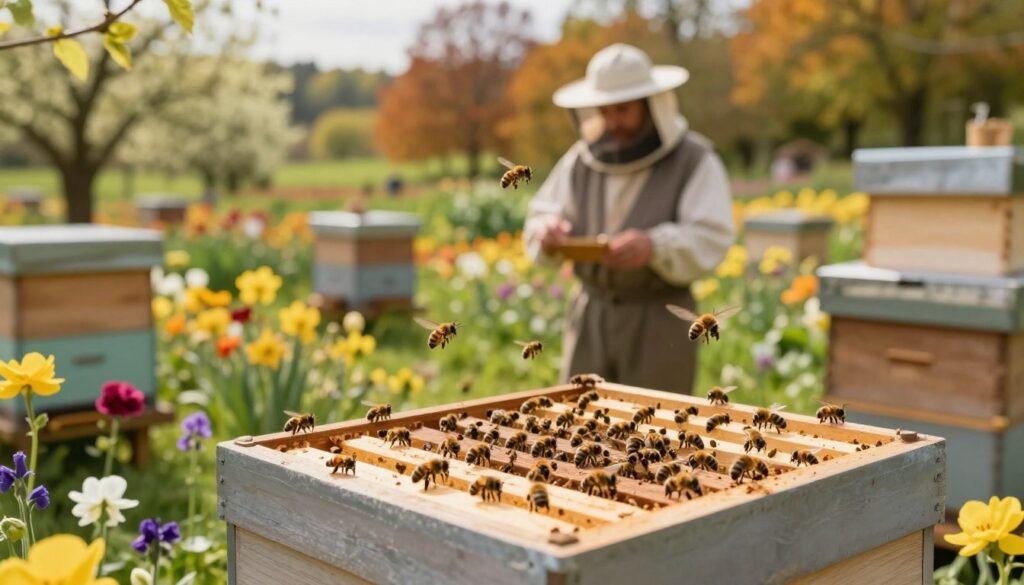
Monitor the queen, eggs, and brood through the year. Quick checks during warm days show whether the colony is expanding or needs intervention.
Feed sugar or pollen supplements only when natural forage falls short. Provide water near the outside hive entrance in hot weather to help bees cool the box and feed larvae.
“Consistent seasonal management keeps colonies ready for each phase and reduces winter losses.”
- Spring: add space during nectar flow and watch brood patterns.
- Summer: manage boxes for ventilation and honey storage.
- Fall: ensure honey stores and tighten the entrance for winter.
- Winter: limit openings and monitor weight or food stores.
| Season | Key Tasks | Why It Matters |
|---|---|---|
| Spring | Inspect brood, add supers, check queen | Supports colony growth during nectar flow |
| Summer | Provide water, manage ventilation, harvest honey | Prevents heat stress and secures stores |
| Fall | Consolidate frames, feed if low, reduce entrance | Prepares hive for winter cluster and pest defense |
| Winter | Limit disturbance, check stores by weight | Protects the queen and larvae until spring |
Keep clear records of inspections and treatments. If you manage lots of hives, organized notes and a routine save time and reduce problems across your colonies. For extra guidance, consult this beginner’s guide.
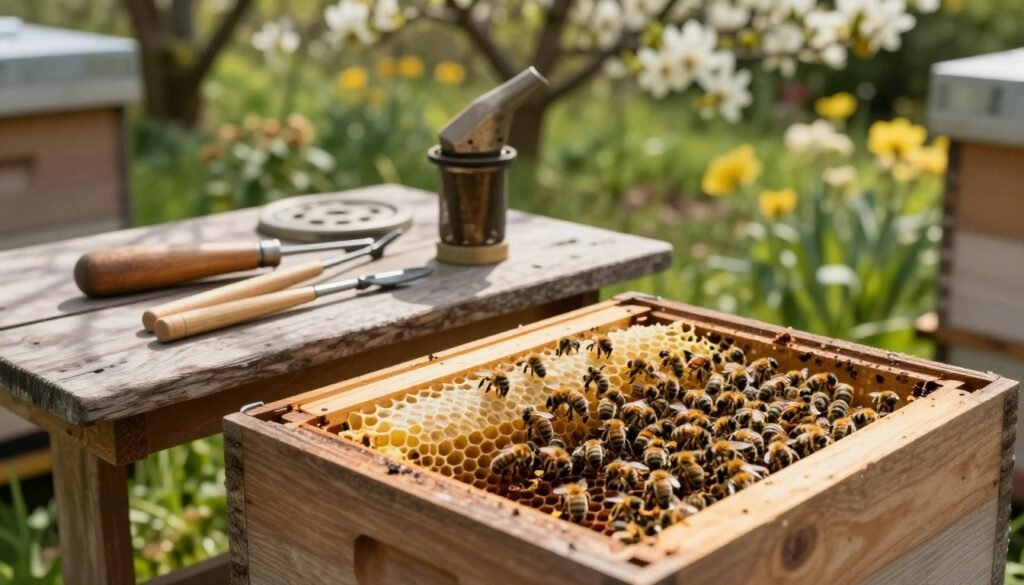
Proper Use of the Smoker
A well-tended smoker is the single tool that can turn a tense hive inspection into a calm, quick task. Light, timely puffs at the entrance help reset bee behavior before you lift frames. This lowers stress for the colony and for you.
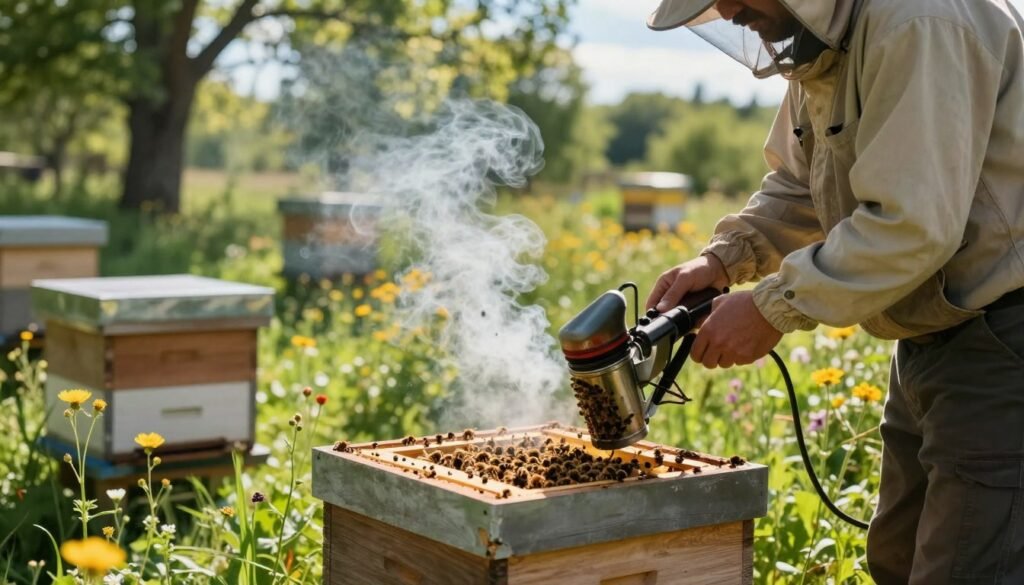
Use slow, steady smoke. Too much smoke can alarm bees and hide signs of the queen or eggs. Too little smoke leaves you facing defensive behavior and wasted time.
Practice lighting and tamping at home. Keep fuel dry so the smoker stays lit while you inspect boxes or feed sugar and pollen substitutes.
- Start with a gentle puff at the entrance.
- Wait 20–30 seconds, then open the hive.
- Add brief puffs near comb edges as needed.
“A little smoke goes a long way in keeping bees calm during checks.”
| Task | When to Use | Why It Helps |
|---|---|---|
| Entrance puff | Before opening | Redirects guard behavior |
| Frame edge smoke | During inspection | Reduces agitation near brood |
| Fuel check | Before apiary work | Ensures continuous, light smoke |
Avoiding Rushed Management Goals
Fast inspections and hurried goals can hide the slow signs of a failing queen. New beekeepers who rush often miss subtle brood changes or early disease cues. Take measured steps and give each visit a clear checklist.
If you manage two hives, spread tasks across visits so you have time for careful checks. Rushed work raises stress for the bees and can lead to missed sick or weak frames.
Prioritize: check the queen, eggs, and brood first. Inspect stores of pollen and honey next. Leave repairs and heavy handling for a calm day.
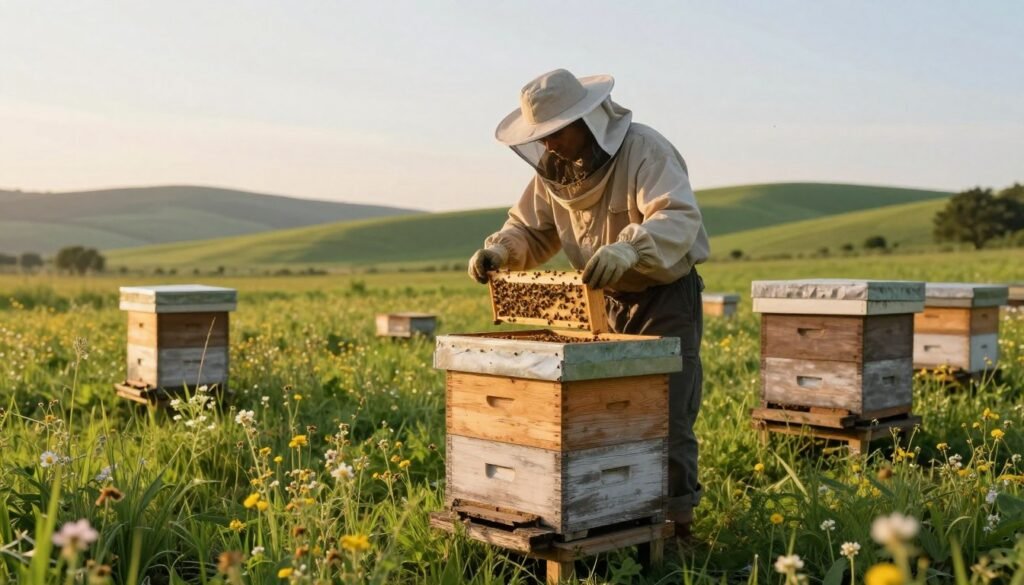
- Move deliberately during inspections to avoid crushing brood.
- Monitor the entrance for dead bees or robbing before opening a box.
- Plan feeding and water based on colony need, not calendar pressure.
“Patience in practice keeps colonies healthier through the season and into winter.”
Set realistic yearly goals as a beekeeper. If tasks pile up, ask for help or stagger work. For focused seasonal checklists and reminders, see practical season tips.
Post-Harvest Treatment and Care
Once honey leaves the hive, the colony becomes more vulnerable and needs focused attention.
Inspect frames and comb for brood patterns and signs of stress. Look for the queen and check young larvae to confirm steady laying.
If you find dead bees or a colony without queen after harvest, act fast. Combine weak colonies or introduce a new queen within days.
Reserve enough honey so the colony can survive winter. If stores are low, feed sugar syrup and monitor weight through fall.
- Protect the entrance to prevent robbing and pest intrusion.
- Check each box and frame for mold, pests, or frozen stores.
- Keep records of harvest weights and treatments for next season.
“Good post-harvest care turns a busy harvest into a healthy winter.”
| Action | When | Purpose |
|---|---|---|
| Frame inspection | Within 7 days post-harvest | Confirm queen and healthy brood |
| Feed stores | Late fall as needed | Replace removed honey for survival |
| Entrance protection | Immediately after extraction | Prevent robbing and pest entry |
Conclusion
A thriving hive reflects thoughtful choices, careful timing, and steady observation. Mastering the art of beekeeping is rewarding but calls for patience, study, and respect for colony biology.
New beekeepers should focus on clear inspections, sound feeding, and protecting the queen and brood. Learn from local mentors and trusted sources to avoid common biosecurity mistakes.
Every hive is unique: adapt practices to your climate and forage. If unsure, seek professional guidance early to protect your colonies and their stores.
With preparation and steady habits, you will enjoy healthy colonies and a productive season. Thank you for reading, and best wishes for a successful year with your bees.
FAQ
What are the biggest risks when using homemade hive equipment?
Homemade boxes and frames can warp, trap moisture, or break under load. Poor spacings lead to rogue comb and increased robbing. Use well-seasoned, straight lumber, accurate dimensions, and reinforce joints with exterior glue and stainless screws to improve strength and longevity.
How does poor frame spacing harm a colony?
Incorrect spacing disrupts natural bee traffic, causes burr comb, and makes inspections harder. That leads to crushed brood, blocked cells, and higher stress. Aim for standard bee space between frames and boxes to keep comb tidy and inspections quick.
Can I judge colony health just by watching the entrance?
No. Entrance activity gives clues but hides brood condition, queen status, and early pests. A hive may show normal traffic while failing inside. Open the top box, check frames for eggs, larvae, and capped brood regularly to truly assess health.
What are signs a hive has no queen or a failing queen?
Spotty brood patterns, many drone cells, and absence of fresh eggs suggest queen trouble. You might find laying workers producing only drones. If you don’t see eggs or young larvae, introduce a queen or perform a controlled re-queen before the problem worsens.
How should new beekeepers approach conflicting advice online?
Treat online tips as starting points. Prioritize information from state beekeeping associations, the USDA, Cornell Extension, or reputable books. Test one change at a time and keep clear notes so you can evaluate what truly works in your apiary.
Is building comb on foundation safe in the first year?
Building natural comb is normal, but allow bees to draw comb on clean, wired foundation or starter strips. Avoid foundationless frames for critical brood frames in the first year; they can lead to uneven comb and weak brood patterns unless managed carefully.
How important is glue and fasteners for hive boxes?
Very important. Exterior-grade wood glue plus corrosion-resistant nails or screws prevent joints from opening, limit pest entry, and reduce moisture intrusion. Properly sealed equipment lasts longer and protects brood and honey stores through winter.
What are common misconceptions about frame management?
Many think more frames always equal more honey or brood. Overcrowding stress, uneven brood distribution, and improper rotation of old comb are common errors. Rotate frames, replace dark old comb periodically, and keep brood frames centralized for efficient brood rearing.
How do I avoid rogue comb when using non-traditional hive styles?
Non-standard hives can encourage bees to build bridging comb. Maintain consistent internal dimensions, provide clear foundation or top bars, and inspect frequently. If comb appears in unwanted spots, remove it carefully during a cool period or with the smoker to minimize disruption.
What role does understanding brood cycles play in good management?
Knowing the 21-day worker and 24-day drone cycles helps time interventions like mite treatments, splits, and re-queening. Monitoring brood stages lets you predict population peaks, manage supering, and schedule inspections to minimize brood disturbance.
How should a first-year beekeeper handle feeding and water needs?
Feed sugar syrup in early spring or during dearths to support brood rearing, and provide pollen substitutes if forage is scarce. Always offer a reliable water source nearby. Avoid overfeeding that leads to swarming or weak frames of honey.
When is the proper use of a smoker beneficial and when is it harmful?
Use the smoker to calm bees and cover alarm pheromones during inspections. Overuse can mask aggressive conditions you need to detect and can stress the colony. Light, occasional puffs at the entrance and over frames is sufficient for most checks.
How do pests and diseases change hive management across seasons?
Varroa, nosema, and small hive beetles fluctuate with brood and nectar flows. Monitor mite loads regularly, treat according to thresholds, and employ integrated pest management. Seasonal checks help time treatments for maximum effect and minimize chemical residues in honey.
What should I do after harvest to protect colonies?
Leave adequate honey stores for winter, replace any damaged frames, and treat for mites if needed. Reduce entrances for winter, ensure good ventilation with inner covers, and feed fondant or sugar in late fall if stores are low. Healthy post-harvest care sets colonies up for spring.