Managing Varroa mites quickly and safely is a top priority for hobby beekeepers. The InstantVap 18V is a cordless, battery-powered unit that delivers a precise treatment in about 25 seconds per hive. This method of acid vaporization coats adult bees fast, reducing contact time and saving effort during busy seasons.
The compact design means fewer cords and less setup. With a steady power output and a measured dose, the unit helps protect brood and frames while limiting chemical exposure. Proper use requires a respirator and protective gear to keep beekeepers safe during each session.
For guidance on compatible models and specs, see the InstantVap Lite product page and a practical overview of mite treatments at InstantVap Lite and a review of natural options at natural remedies for Varroa.
Key Takeaways
- Cordless units like the InstantVap 18V treat hives in under 30 seconds, saving time.
- Accurate dosing and steady power improve control of mite populations.
- Use of a respirator and protective gear is essential for operator safety.
- Effective treatment timing is critical—use during broodless or low-brood periods.
- Compact, battery-powered equipment fits well into hobby beekeeping routines.
Understanding Varroa Mite Control in Small Apiaries
Varroa infestations can collapse a colony within a single season if left unchecked. Small operations need clear, repeatable methods to protect stock and honey yields.
The Threat of Varroa Mites
Varroa mites weaken bees by feeding on hemolymph and spreading disease. These parasites hide beneath capped brood, making timing of any treatment critical.
Natural Treatment Benefits
Since 2015, the U.S. approved the use of oxalic acid in beehives, and studies show proper vaporization can eliminate more than 95% of mites in a single hive.
Practical advantages: this natural compound is organic and often preferred over synthetic chemicals. Vaporization lets beekeepers treat without opening a colony in cold weather.
| Aspect | Why It Matters | Action |
|---|---|---|
| Approval | Recognized use in the U.S. since 2015 | Follow label and local guidance |
| Efficacy | Studies report >95% mite kill with correct vaporization | Use measured doses and proper gear |
| Brood protection | Mites hide under capped cells | Time treatments to low-brood periods |
| Natural appeal | Derived from common plants | Consider as part of an integrated program |
For complementary strategies and holistic options, see natural pest control.
Why the Best Oxalic Acid Vaporizer for Small Apiaries Matters
A precision-built device makes regular mite control practical for a one-person operation.
Reliable gear saves time and reduces stress when you treat each hive. A quality unit delivers a measured dose so treatments stay consistent across hives. That repeatability helps keep varroa levels low and protects brood health.
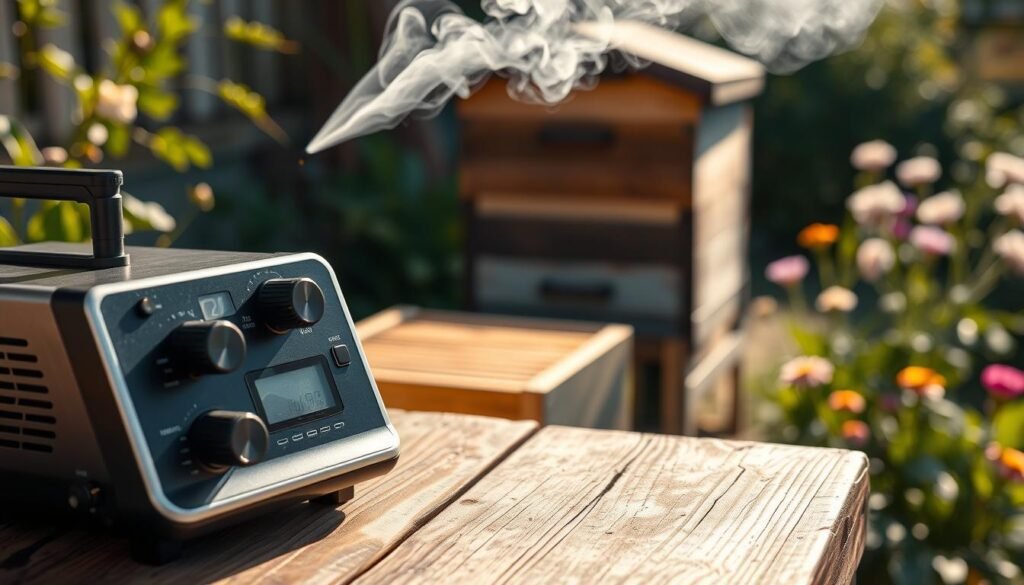
Safety matters. Pick a model that lets you maintain distance, use a respirator, and manage power from a dedicated battery. The InstantVap 18V includes a two-year parts warranty and U.S.-based support, which adds real peace of mind.
“Consistent equipment makes simple work of what used to be a complex seasonal task.”
- Durability: lasts for years and lowers long-term costs.
- Precision: accurate vaporization and dose control protect bees.
- Efficiency: treat multiple hives in minimal time with steady power.
For a deeper technical look at how vaporization works, see how oxalic vaporization works. Choosing the right tool makes regular mite control a feasible part of routine hive care.
Key Features to Look for in Vaporization Equipment
Choose equipment that keeps power steady so each treatment is predictable and repeatable. Good gear reduces error and helps you treat multiple hives quickly.
Battery Compatibility and Power
Pick a unit that works with your 18V battery platform. Many hobbyists already own DeWalt, Milwaukee, Makita, Rigid, or Bosch packs.
Use a 5Ah or larger battery to maintain correct temperatures during sublimation and avoid mid-treatment drops in output.
Build Quality and Durability
Durable construction matters in field conditions. Stainless steel bodies resist corrosion and handle bumps in transport.
A solid case and weather-resistant fittings keep controls reliable season after season.
Portability for Hobbyists
Lightweight, cordless units let beekeepers move between hives without hauling generators. Portability saves time and reduces fatigue.
Look for a voltage meter or power indicator so you know you have enough charge to finish several treatments safely.
“A steady power source and rugged housing make routine mite control faster and less stressful.”
- Adjustable dose: match the amount to hive size and brood level.
- Stand-off use: a design that lets you step back while wearing a respirator improves safety.
- Efficiency: proper equipment shortens treatment time and treats more hives per session.
| Feature | Why it matters | Recommended spec | Benefit |
|---|---|---|---|
| Battery compatibility | Keeps tools portable and uses existing packs | 18V platform; 5Ah+ | Consistent power and fewer interruptions |
| Body material | Resists corrosion and wear | Stainless steel construction | Long service life in the field |
| Dose control | Treats based on hive size and brood | Adjustable output | Targeted, effective treatments |
| Power monitor | Prevents mid-task failures | Built-in voltage meter | Confidence to complete multiple hives |
For a practical guide on vaporization methods, see this overview on acid vaporization techniques. To compare tools and other equipment, consult a recent tools roundup.
Essential Safety Protocols for Beekeepers
Every treatment session starts with a quick safety checklist to protect yourself and the colony. Establish a dedicated prep area and keep protective items organized in a case so you won’t forget essentials.
Protective Gear Requirements
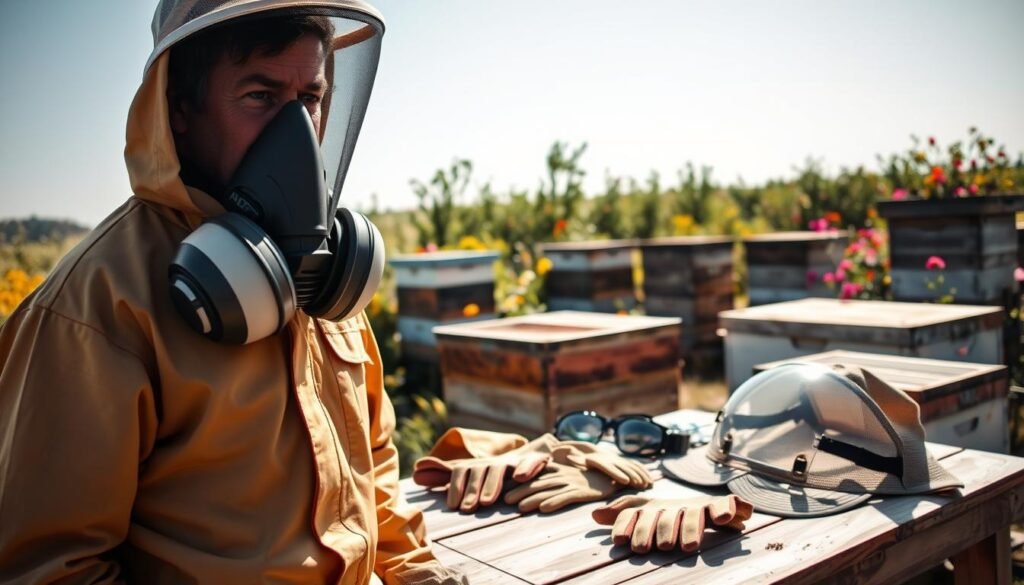
Respirator first: use a quality full-face respirator such as the PD-101 to block organic vapors and particulates during use. A sealed mask reduces inhalation risk and lets you focus on the task.
Wear gloves and eye protection. Always add chemical-resistant gloves and safety glasses when handling treatments or loading the device. These items cut skin and eye exposure.
- Seal the box: check that the hive box is properly closed to limit vapor escape into the environment.
- Mind the frames: work carefully near frames where bees cluster to avoid sudden disturbance and to keep treatments effective.
- Check the battery: confirm charge before starting; a drained pack can lead to uneven treatment and wasted time.
- Keep gear ready: store your respirator and protection in a dedicated case so items stay clean and accessible.
Safety is not optional. Following these protocols protects beekeepers and preserves hive health. For practical handling steps and a detailed guide to safe use, see a beekeeper’s guide. To outfit your kit for U.S. climates, check this gear list.
Strategic Timing for Effective Hive Treatment
Timing treatments to the hive’s brood cycle greatly improves mite control outcomes. Aim to treat when the colony is broodless or has minimal capped brood. That is when varroa mites are most exposed on adult bees.
Use a 12V car or deep‑cycle battery to run your vaporizer for about 2½ minutes. Stable power ensures correct sublimation and keeps the dose consistent across hives.
Apply 1 g per brood chamber as the standard dose. This amount maximizes mite control while limiting stress to bees and frames. Treat without opening the box to avoid disturbing the queen.
Pick moderate temperatures and late fall or winter windows when opening is easier and brood is low. Always wear a respirator and full protection while running any acid treatment.
- When: broodless periods, late fall/winter.
- How long: ~2.5 minutes on a 12V battery.
- Dose: 1 g per brood chamber.
“A well‑timed application reduces mite pressure with minimal colony disruption.”
For more detailed guidance on treatment timing and product use, consult a practical guide on use oxalic acid and mentor support resources at how to mentor new beekeepers.
Conclusion
A steady, reliable tool makes routine mite control an achievable chore, not a gamble.
Choose equipment that lets you repeat each treatment with the same dose and timing. Proper vaporization reduces mite loads while limiting disturbance to the hive.
Use a certified respirator and follow safety steps every time you operate an oxalic acid vaporizer. Consistent, timed applications help colonies stay strong through seasonal stress.
Invest in durable gear to save time and focus on beekeeping tasks you enjoy. Share your experiences with other beekeepers to improve techniques and outcomes across local hives.
FAQ
What is the safest way to vaporize oxalic for treating varroa mites?
Use a certified vapor tube or electric heater designed for beekeeping, run it on the manufacturer’s recommended power, and follow dosage guidelines based on hive size. Wear a fitted respirator (NIOSH-rated), chemical-resistant gloves, and eye protection. Work outdoors or in a well-ventilated area, keep bystanders and pets away, and avoid inhaling fumes. Allow the hive to cool before opening and store chemicals locked and labeled.
When should I treat hives to maximize mite removal?
Treat during broodless periods or when brood levels are lowest, typically late winter or early spring in temperate climates. Treating during broodless windows increases mite mortality because mites are exposed on adult bees. For colonies with brood, multiple treatments spaced 7–14 days apart can help catch mites emerging from sealed cells.
How much chemical should I use per hive?
Follow the manufacturer’s dose chart for the device and hive type. Typical single doses are small measured quantities; overdosing risks bee injury. Measure precisely using a scale or supplied measuring tool and avoid improvising amounts. Adjust dose only according to device specifications and local extension service recommendations.
Can I use battery-powered units, and what battery specs matter?
Yes. Choose units compatible with common battery types like 12V sealed lead-acid or high-capacity lithium packs. Look for stable output, overcurrent protection, and sufficient runtime to treat several hives. Keep spare batteries charged and use the correct connectors to prevent voltage drop and uneven heating.
Are there differences in effectiveness between vapor units and sublimation irons?
Vapor units designed for beekeeping provide controlled heat and consistent doses, improving repeatability and safety. DIY irons or household vaporizers often lack temperature control and can overheat or underperform. Use purpose-built equipment to ensure proper evaporation temperature and dose delivery.
Will treatment harm queen or brood if used incorrectly?
Improper technique, excessive doses, or treating hot/stressed colonies can harm queens and brood. Follow timing guidelines, use correct doses, and avoid treatments during high brood-rearing or extreme heat. Always monitor colonies after treatment for signs of stress and reduced brood viability.
How long should I wait after vaporizing before inspecting the hive?
Wait at least 10–30 minutes for fumes to disperse and for bees to settle; allow the colony to re-establish normal behavior. Exact time depends on device output and ambient conditions. Avoid opening the hive while fumes linger to protect your respiratory health and reduce colony disturbance.
Do I need special training or certification to use these devices?
Formal certification varies by region. Many beekeepers learn from extensions, master beekeeper programs, or experienced peers. Read device manuals, watch manufacturer tutorials, and practice safe handling. Some states may require pesticide applicator credentials for certain treatments—check local regulations.
Can repeated treatments lead to mite resistance?
Oxalate treatments via vaporization work through physical exposure and have a low risk of chemical resistance compared with synthetic miticides. Still, integrate treatments with integrated pest management (IPM): monitor mite levels, rotate control methods, and maintain good hive health to reduce overall pressure on colonies.
How often should I monitor mite levels during the season?
Monitor monthly during active seasons and immediately before and after treatments. Use sugar shake, alcohol wash, or sticky board counts to quantify infestation. Record results to track trends and decide when interventions are necessary.
Is vapor treatment legal and approved for hobby beekeepers?
Regulations vary. Oxalate use is permitted in many countries and states when applied according to label instructions. Some regions treat it as an off-label practice—consult local extension services, product labels, and state pesticide authorities to confirm legal and safe use.
What maintenance does equipment need to remain reliable?
Clean the heating element and vapor tube after each season, inspect seals and wiring, replace worn connectors, and store dry. Calibrate or test output periodically. Follow manufacturer service intervals and use genuine replacement parts to keep performance consistent.
Can vapor treatments be combined with other mite controls?
Yes. Combine vapor treatments with mechanical methods (drone brood removal), screen bottom boards, and selective treatments like formic acid or thymol where appropriate. Use IPM principles: monitor mites, apply targeted treatments, and avoid simultaneous chemical interactions that could stress bees.
What personal protective equipment (PPE) is essential when vaporizing?
At minimum, wear a NIOSH-rated respirator with appropriate cartridges for particulate and organic vapors, chemical-resistant gloves, long sleeves, and eye protection. A beekeeper suit or jacket reduces stings and accidental contact. Ensure PPE fits properly and is in good condition.
How do hive temperature and weather affect treatment efficacy?
Cooler, dry conditions help vapor settle and reduce rapid dispersal. Avoid windy, rainy, or very hot days. Extreme cold may reduce bee activity, while high temperatures can increase bee stress. Choose calm, moderate days and monitor hive behavior during application.