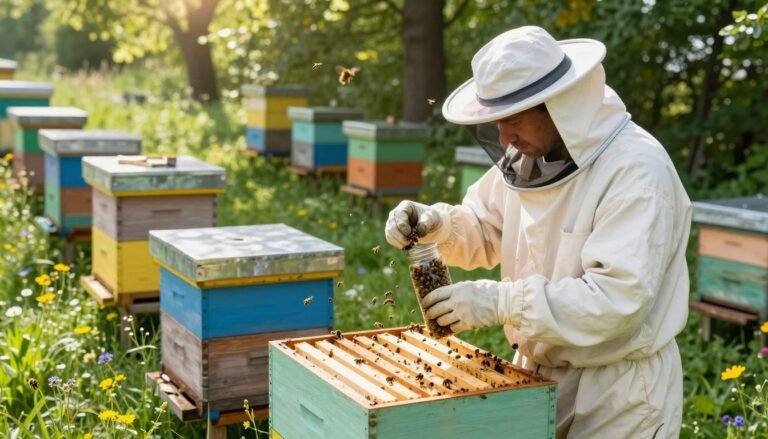
This guide provides clear, practical information for beekeepers across the United States. Since varroa was detected in Australia in 2022, the urgency to refine treatment plans has grown. We outline modern strategies that protect colonies while limiting residues.
Readers will learn how each treatment works and why the debate over the two main options shapes current mite control decisions. Understanding the Varroa destructor life cycle is the first step to effective action.
Our analysis covers safety protocols, seasonal timing, and environmental factors that affect outcomes. We emphasize proper application techniques and integrated plans that keep hives healthy year after year.
Key Takeaways
- Get concise, research-based information to guide treatment choices.
- Learn the biological reasons these two options dominate mite control debates.
- Follow safety and timing guidelines to reduce risk and residue.
- Adjust methods to local climate and colony strength for best results.
- Use integrated pest management to support long-term colony health.
Understanding the Varroa Mite Threat
Beekeepers worldwide must recognize how these tiny parasites alter hive dynamics and threaten pollination services. Early detection and steady monitoring give the best chance to protect colonies and sustain honey yields.
The Global Spread
The global spread has reached every major continent, with the latest detection in Australia in June 2022. Shipping, trade, and natural drift move the pest between apiaries and regions.
Once established, populations grow quickly in strong hives that offer steady brood and food resources.
Impact on Colony Health
These parasites feed on developing bees and weaken individual insects. Infested colonies show reduced vigor and lower honey production.
Heavy infestations can collapse a colony within a few seasons if left unmanaged. Managing this problem is complex because the parasite and host share similar biology, limiting safe treatment options.
Quick facts
- Transmission often brings harmful viruses that worsen health outcomes.
- Effective control requires seasonal strategies and close counts of mite levels.
| Aspect | Effect | Risk to bees |
|---|---|---|
| Geographic spread | Worldwide, recent jump to Australia (2022) | High — new regions unprepared |
| Colony impact | Brood damage and weakened adults | Severe — can lead to collapse |
| Economic effect | Lower honey yields and pollination loss | Moderate to high |
The Biology of Mite Reproduction in Bee Colonies
Inside capped brood cells, female parasites enter just before sealing. Each cell that produces a bee can produce 3–5 mites during the same development period.
The queen may lay between 1,000 and 2,000 eggs a day. That high egg rate lets the pest population rise quickly when brood is abundant.
Reproduction is synced to bee development. Offspring feed on the developing bee and weaken the adult after emergence.
Beekeepers use a drone frame to monitor numbers because drone cells are preferred sites for breeding. Capped brood protects the parasite and limits the reach of many treatments.
| Metric | Bee output | Mite output |
|---|---|---|
| Single brood cell | 1 bee | 3–5 mites |
| Queen daily laying | 1,000–2,000 eggs per day | Potential geometric growth |
| Monitoring method | Drone frame | Detects rising mite pressure |
Action matters: disrupting this cycle early reduces pressure on colonies and improves long-term hive health.
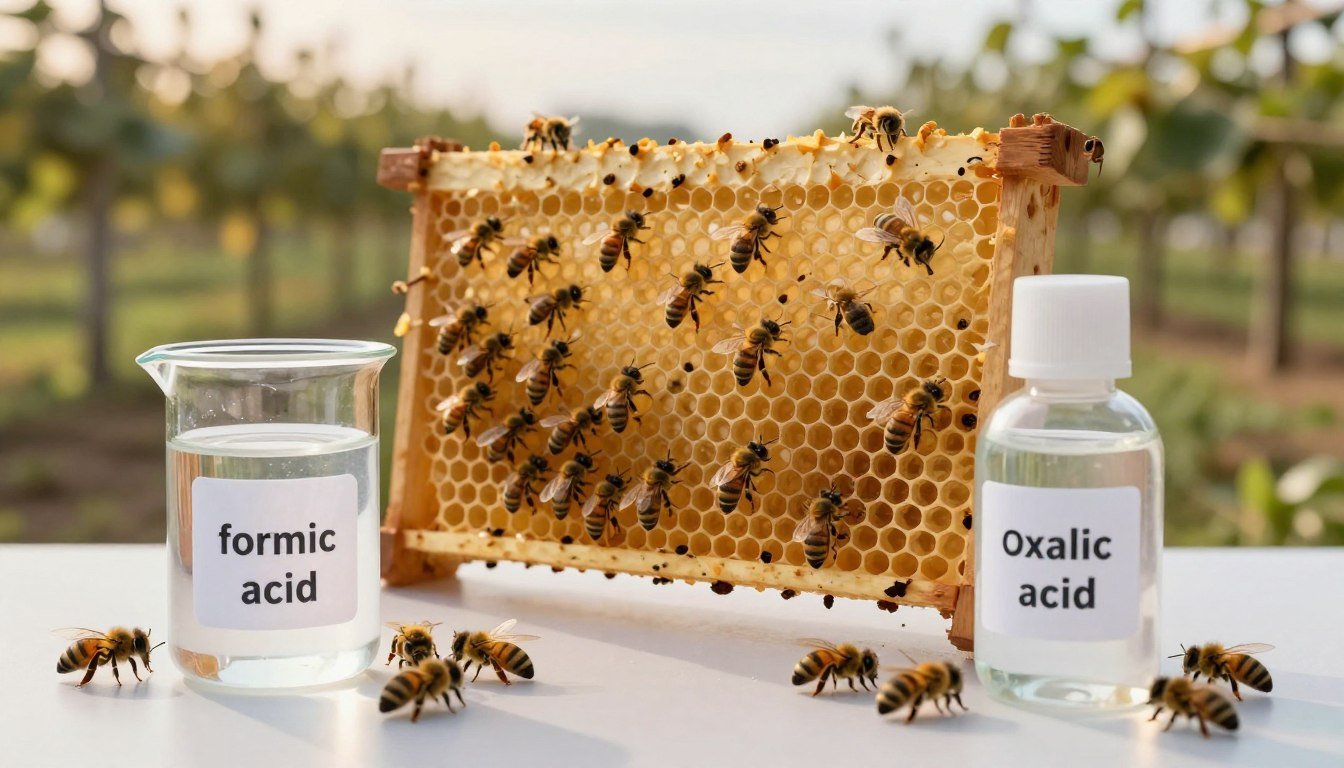
Comparing Formic Acid vs Oxalic Acid for Varroa Mites
Beekeepers commonly compare two organic treatment methods to decide which fits a hive’s needs. Each option acts differently and has distinct strengths and limits.
One works as a fumigant and can reach mites inside sealed brood cells. This makes it useful when brood is present in spring or fall.
The other is a surface cleaner that targets phoretic mites on adult bees. It excels when brood levels are low and quick knockdown is needed.
Both treatments are natural but behave like potent chemicals. Handle them with care and follow label directions to protect queen, brood, and workers.
- Assess colony brood levels and timing before choosing a method.
- Rotate methods year-to-year to reduce resistance risk and maintain effectiveness.
- Monitor mite counts after treatment and adjust plans as needed. See a detailed survey of mite treatments.
| Feature | Fumigant (penetrates cappings) | Surface treatment (phoretic action) |
|---|---|---|
| Primary target | Reproductive mites in sealed brood | Adult bees and phoretic mites |
| Best season | Spring and fall (moderate temps) | Late fall or broodless periods |
| Risk factors | Can stress queen/brood if misused | Less brood impact but limited penetration |
How Formic Acid Functions as a Fumigant
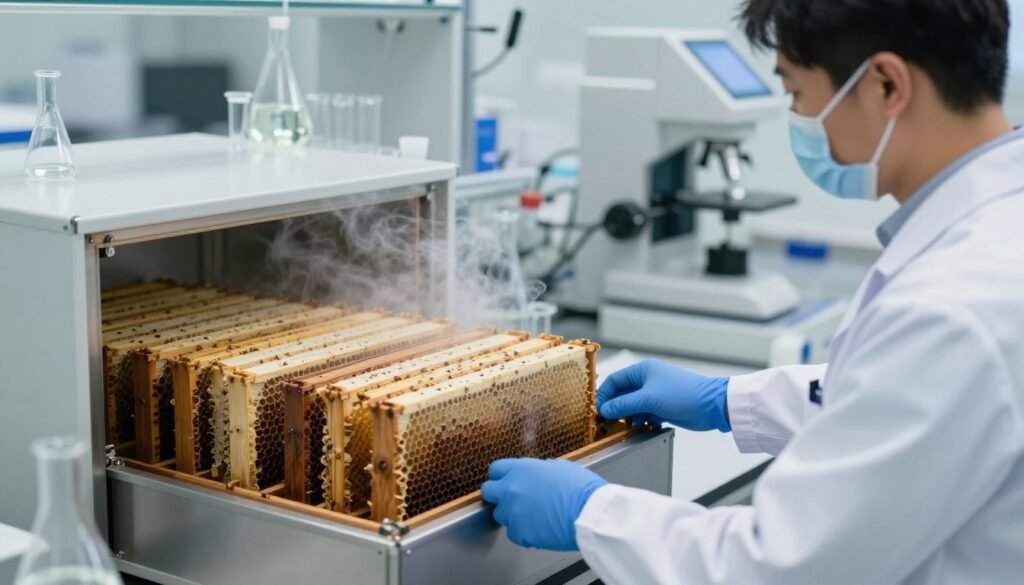
Understanding the delivery helps beekeepers choose the right timing and protect colony health. A vapor-based product such as Formic Pro releases controlled vapors that move through comb and frames.
Vaporization Process
Vapors permeate the hive, reaching adult bees and parasites inside capped brood. The process is highly temperature-dependent. Monitor local weather so vapor levels stay in a safe range.
Treatment Duration
Treatment courses can be short. A common protocol runs about 14 days, covering two reproductive cycles of the pest. Shorter exposure lowers colony stress and helps protect the queen and developing bees.
| Feature | Effect | Notes |
|---|---|---|
| Penetration | Reaches sealed brood | Kills reproducing parasites inside cappings |
| Temperature | Controls vapor output | Best at moderate, stable temps |
| Application | Pads on top bars | Follow manufacturer directions |
The Role of Oxalic Acid in Hive Management
Oxalic treatments have become a cornerstone of modern hive management because they offer low-residue control when brood levels are low.
Common methods include the dribble technique, where a sugar mixture helps bees spread the solution, and newer slow-release options like Varroxsan strips. These cardboard strips use glycerin plus oxalic to provide steady exposure over several weeks.
Because this treatment does not penetrate wax cappings, it works best in winter or other broodless times when the mite population is mostly on adult bees. That timing improves effectiveness and lowers residue in honey and wax.
“Beekeepers value oxalic for its reliability and the lack of documented resistance.”
Safety and strategy: always wear proper protective gear when handling acids and integrate this tool into seasonal rotations. For a balanced review of advantages and limits, see the detailed advantages and limitations.
- Low residues in honey when used correctly
- Effective in broodless periods
- Available as dribble or slow-release strips
| Feature | Benefit | Note |
|---|---|---|
| Dribble method | Fast distribution | Best in broodless hives |
| Slow-release strips | Sustained exposure | Useful in extended monitoring |
| Residue profile | Minimal traces | Supports organic standards |
Analyzing Wax Capping Penetration
Capped brood creates a physical shield that stops many surface treatments from reaching reproducing mites.
The Barrier Problem
The primary limitation of oxalic acid is clear: the wax capping prevents the solution from contacting the foundress inside a sealed cell. Because of that, a large share of the mite population remains protected during heavy brood rearing.
While oxalic acid kills phoretic mites on adult bees, it leaves most reproducing mites untouched. Beekeepers must plan treatment around natural broodless periods — late fall or winter — when the adult population carries the greatest share of mites.
Mixing the acid with sugar syrup can improve distribution on bees, but it cannot overcome the wax barrier. For this reason many use oxalic acid as a secondary clean-up after a primary treatment that reaches inside capped cells.
| Issue | Effect | Management |
|---|---|---|
| Wax capping | Blocks penetration | Time treatments to broodless periods |
| Surface action | Kills phoretic mite | Use as follow-up clean-up |
| Distribution tricks | Sugar mixes help spread | Not a solution to the barrier problem |
“Recognizing this limitation lets beekeepers build more effective, timed management plans.”
Safety Protocols for Handling Organic Acids
Safety first: handling concentrated organic treatments demands clear rules and reliable gear. Proper steps protect you and help keep honey stores and the queen safe.
Protective Gear Requirements
Wear 8-mil nitrile gloves and a fitted respirator when working with concentrated formic acid or similar products. Add eye protection and a chemical-rated apron.
Beekeepers should also choose work gloves and closed footwear to prevent splashes on skin or clothing.
Handling Liquid Acids
Always have running water and a neutralizer such as baking soda on hand. Mix slowly when using a sugar-based delivery to avoid splashes.
Store chemicals in a cool, locked area away from children and pets. Work outside or in a well-ventilated space during spring and fall treatments to reduce inhalation risk.
| Risk | Prevention | Notes |
|---|---|---|
| Skin or eye burns | Gloves and goggles | 8-mil nitrile recommended |
| Inhalation | Respirator and ventilation | Avoid enclosed areas |
| Spills | Water and baking soda | Neutralize before cleanup |
“Prioritize safety to protect yourself and ensure effective, low-residue treatments that preserve hive health.”
Temperature and Environmental Considerations
Outdoor temperature and hive humidity are two of the strongest factors that affect treatment success. Warm conditions can speed vapor release while cold days may prevent enough vapor from forming.
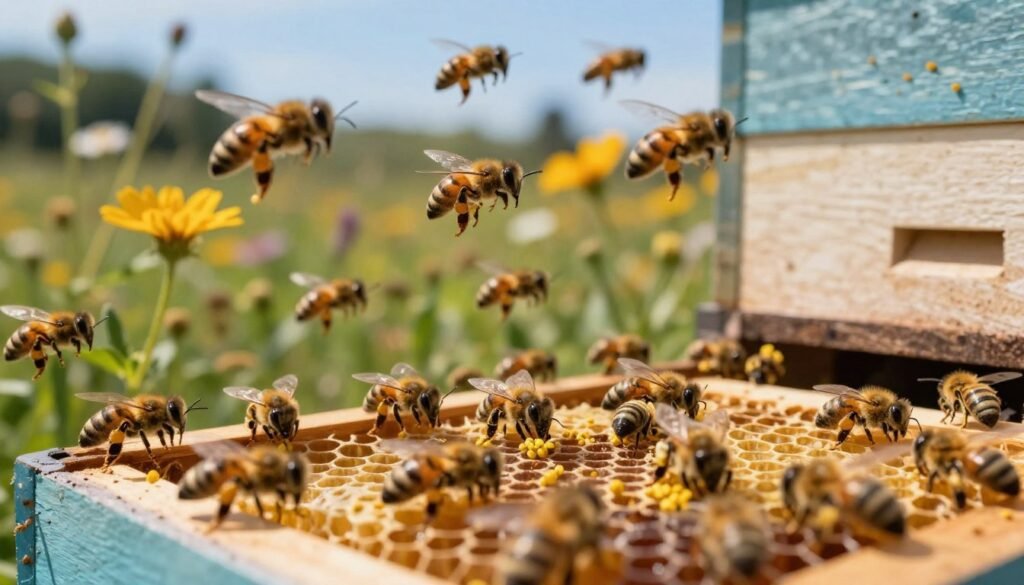
If the air gets too hot, the treatment can evaporate too fast and harm the queen or workers. Too cool, and vapor will not reach mites hiding in capped brood.
Watch internal conditions closely. The presence of honey supers and a large colony change airflow and vapor distribution. Humidity alters pad release rates and affects how long an acid pad remains effective.
Sugar-based carriers also have risks: they can attract ants or other pests if left exposed. Maintain steady levels of the treatment and plan timing around local weather to reduce stress on bees and protect honey stores.
- Monitor hive temp and humidity daily during treatment.
- Remove or protect honey supers to avoid contamination.
- Adjust dose and timing to local climate and colony strength.
| Factor | Effect | Action |
|---|---|---|
| High temperature | Rapid vapor release; queen stress | Treat during cooler windows; shade hives |
| Low temperature | Insufficient vapor; low efficacy | Delay treatment or use alternative timing |
| High humidity | Slower pad release | Follow regional guidelines; monitor levels |
| Honey supers / colony size | Alters vapor flow and residue risk | Protect or remove supers; tailor dose |
Plan treatments with local weather in mind. For more natural pest strategies and seasonal guidance, see natural pest control for bees.
Impact on Queen and Brood Health
Queen vitality and brood survival should guide how beekeepers dose and time organic treatments. The health of the queen and the developing brood is the primary concern when applying any acid-based option to a hive.
Overdosing with formic acid can cause brood loss and, in severe cases, kill the queen if concentration levels get too high. Apply products only at rates matched to colony size and season.
The margin for error is smaller than with many synthetics. That means careful measurement, correct placement, and strict timing are essential to protect colonies and keep honey stores safe.
Sugar-based mixtures often stress bees less, but they still require exact volumes and spacing to avoid physiological strain. Wax cappings give some protection to brood, yet vapors can penetrate and affect developing larvae.
Monitor the queen’s laying pattern and inspect brood frames in the weeks after treatment. Quick action on any sign of brood loss or queen decline keeps colonies productive and reduces long-term loss.
- Match dose to colony strength and season.
- Check queen laying and brood patterns after treatment.
- Use sugar carriers carefully and measure precisely.
Evaluating Treatment Efficacy and Resistance
Regular monitoring and clear records tell you whether a chosen treatment is truly cutting mite levels over time. Conduct sugar shakes or alcohol washes before and after an application. Record dates, dose, hive ID, and the result for each colony.
Resistance develops when the same chemicals are used year after year. Rotate between classes of treatments, including organic acids and essential-oil options, to slow adaptation.
University research and local beekeeping associations offer region-specific information on which methods work in spring, fall, or winter. Use that data to pick a plan that fits your hives.
- Keep dated records of mite counts and treatment details.
- Re-check levels 7–14 days and again after one month.
- Change methods if counts do not drop.
| Failure cause | Action | Note |
|---|---|---|
| Improper application | Review instructions | Measure and place correctly |
| Environmental factors | Adjust timing | Match local weather |
| Resistance | Rotate chemicals | Use non-chemical tools too |
“Stay vigilant: data and rotation protect bees, honey, and long-term control.”
Integrating Natural Treatments into Your Apiary
A sustainable apiary plan blends natural treatments with routine management to reduce chemical load and protect bee colonies.
Start by matching each treatment to the hive’s seasonal stage. Some acid-based options work best when brood levels are low, while other methods suit spring or fall cycles.
Use mechanical tactics like drone brood removal alongside topical treatments. This combined approach lowers overall mite pressure and slows resistance.
Beekeepers should track mite counts and honey residue levels after each application. Education and records let you adapt timing and dose for each colony.
“A flexible plan that prioritizes natural tools reduces long-term chemical buildup in wax and honey.”
| Feature | Timing | Benefit |
|---|---|---|
| Drone brood removal | Spring & summer | Removes reproductive hotspot |
| Targeted treatments | Broodless windows | High phoretic kill; low residue |
| Record keeping | Year-round | Tracks levels and guides rotation |
For a detailed natural treatments overview, review this natural treatments overview. Use that research to refine your management and keep honey and bees healthy.
The Importance of Proper Mite Counting
Accurate mite counts are the foundation of any successful hive management plan. Regular checks tell you when a treatment is needed and which methods will work best. This prevents guesswork and reduces harm to bees and honey stores.
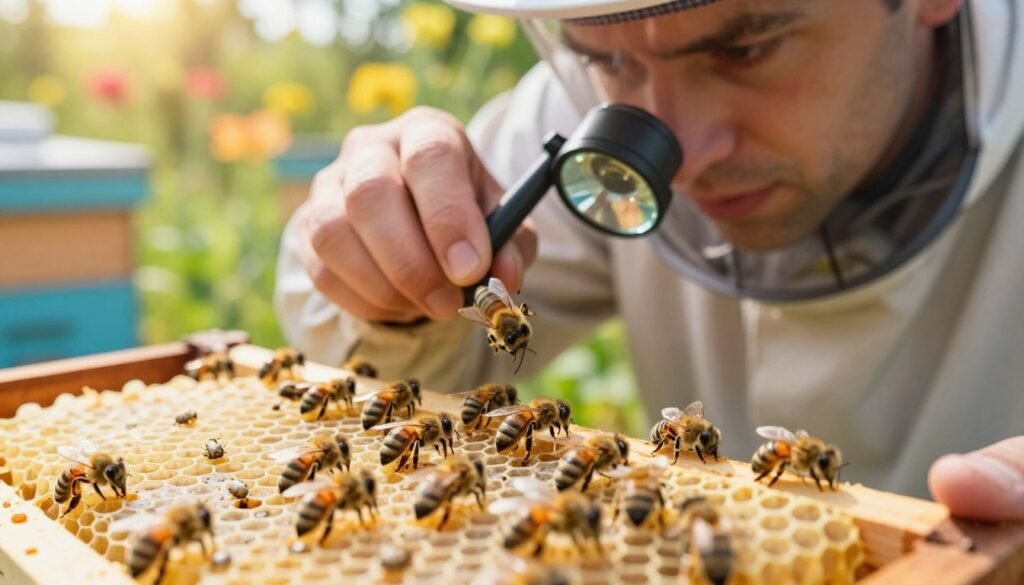
Use a sugar roll or alcohol wash to get reliable numbers from each hive. A quick check of a single frame of brood also gives a useful snapshot of infestation levels.
Timing matters: test before and again after any treatment to confirm effectiveness. Without data you risk over-treating or letting levels climb until colonies suffer.
- Record counts for every colony and track trends over time.
- Compare results to your economic threshold and adjust control plans.
- Use counts to choose between oxalic or other treatments when appropriate.
“Simple counts give beekeepers the information they need to protect queen health, sustain honey production, and keep hives productive.”
When to Choose Formic Acid
Choose this fumigant when you need a method that reaches mites hidden under wax cappings and inside sealed brood cells. Formic acid occurs naturally in bee and ant venom, so colonies often tolerate its presence better than some synthetics.
Best timing: apply in spring or fall when the brood nest is expanding or contracting. This timing lets the vapor penetrate comb and kill reproducing parasites inside capped cells while also affecting phoretic mites on adult bees.
Commercial beekeepers value this option because it can be used with honey supers in place. Always follow label directions on number of days to leave the treatment in the hive.
Careful temperature management matters. Warm or hot weather can raise vapor levels and stress the queen or brood. Monitor hive conditions and adjust application windows to protect colonies.
| Use case | Benefit | Caution |
|---|---|---|
| Spring treatment | Reduces reproducing mites in brood | Watch daily temps |
| Fall application | Rapid population knockdown before winter | Follow days on label |
| With honey supers | Flexible for commercial hives | Check residue guidance |
| Whole-hive fumigation | Reaches capped and adult zones | Avoid peak heat |
Quick tips: match dose to colony strength, re-check mite levels after treatment, and rotate tools to limit resistance. Proper use protects honey, the queen, and overall hive health.
When to Choose Oxalic Acid
When brood is absent, a targeted cleanup can sharply reduce phoretic mite counts on adult bees.
Oxalic acid works best in a true broodless period, often in late fall or winter. Apply it when most of the parasite population is riding on adult bees. That timing gives the highest knockdown rates and lowers the need for repeat treatments.
This treatment is favored by beekeepers who want to minimize chemical traces in honey and wax. Because it does not penetrate wax cappings, it cannot reach reproducing pests inside sealed cells. Use it as a secondary cleanup after a primary method that addresses brood-bound populations.
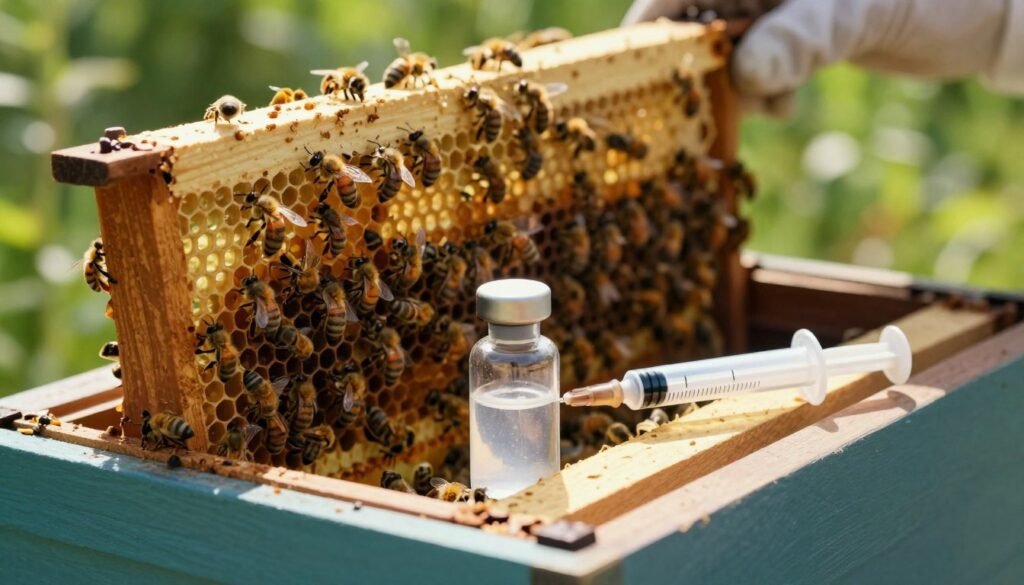
It is inexpensive and easy to apply. Slow-release cardboard strips can extend protection for several weeks and suit both backyard and commercial operations. Monitor the queen and colony health closely to avoid unintended stress.
| Use case | Best timing | Benefit |
|---|---|---|
| Broodless hives | Winter or late fall | High phoretic kill; low residue |
| Secondary cleanup | After brood-targeting treatment | Removes lingering mites on adults |
| Slow-release strips | Extended weeks | Sustained protection; easy application |
| Residue-sensitive operations | When honey supers are present | Minimizes contamination risk |
“Select this treatment in the correct season and pair it with careful monitoring to protect hive products and queen health.”
Avoiding Common Application Mistakes
A single misstep in timing or dose can turn a helpful treatment into a hive threat.
Follow label directions exactly. Under-dosing wastes time and allows pest levels to climb. Over-dosing risks queen loss, brood damage, and long-term hive health problems.
Measure doses to match colony size and use the right applicator. A proper vaporizer or drip applicator delivers an even process and reduces worker stress.
Apply non-penetrating treatments only when brood is low. Treating during heavy capped brood reduces control and may cause unnecessary loss.
Ventilation matters. Poor airflow during fumigation can raise internal levels and harm both queen and developing brood. Work on cool, stable days and watch hive temps.
- Check mite counts before and after treatment and keep records.
- Match dose to frames and colony strength; re-check levels in 7–14 days.
- Use reliable equipment and wear PPE; protect honey and combs when needed.
- Review seasonal timing—spring, fall, or winter windows affect effectiveness.
- Rotate tools and methods to maintain long-term control; see varroa control methods for options.
| Common mistake | Effect | Corrective action |
|---|---|---|
| Ignoring label directions | Under- or over-treatment; colony stress | Follow label; train helpers |
| Wrong timing (brood present) | Low efficacy of surface treatments | Time treatment to broodless windows; consult oxalic guidance |
| Poor ventilation or wrong equipment | Queen harm; brood loss | Use correct applicator; vent hives and monitor temps |
Conclusion
Choosing between options requires matching timing to colony needs. Choose methods that fit brood cycles, local weather, and your honey goals. Keep records and test counts so you can act with precision.
Formic acid gives you penetration into capped cells during active seasons, while oxalic acid serves best as a low‑residue cleanup in broodless windows. Use each treatment where it has the greatest advantage and rotate tools to slow resistance.
Follow safety steps, protect queen and brood, and keep learning. With the right tools, clear information, and careful management, your apiary can stay healthy and productive for years to come.
FAQ
What are the main differences between formic and oxalic treatments for mite control?
Formic treatments work as a fumigant that can reach mites under capped brood through vapor action, while oxalic treatments are most effective against phoretic mites on adult bees when brood is minimal. Each has different application methods, season windows, and impacts on colony members and wax.
Can either treatment harm the queen or brood?
Both can cause stress if misused. Formic vapors may affect queens and brood during high temperatures or prolonged exposure. Oxalic dribble or vapor is gentle on brood when applied during broodless periods; avoid treating when the colony is heavily brood-rearing unless using approved summer protocols.
When is the best time to apply oxalic-based treatments?
Apply oxalic when brood levels are lowest, typically in late fall or midwinter in temperate zones, or after a brood break induced by management. Treatments during broodless windows maximize effectiveness against the adult-mite population.
When should beekeepers choose formic treatments?
Choose a formic fumigant when you need brood-penetrating control, such as during spring or summer when brood is present. Use products and dosages labeled for the season and hive type, and avoid use during extreme heat to reduce queen loss risk.
How does temperature affect treatment success?
Temperature influences vapor release and bee tolerance. Formic products require a narrow temperature range for safe, effective release; high heat increases queen and brood risk. Oxalic efficacy when vaporized depends on reaching sufficient temperatures to sublimate the compound; dribble methods are less temperature-dependent.
Are there safety precautions for handling these organic treatments?
Yes. Wear chemical-resistant gloves, eye protection, and a respirator rated for organic vapors when applying fumigants. Work outside or in well-ventilated areas, follow label directions, and store chemicals away from food and children. Use tools and containers dedicated to hive treatments.
How often should mites be monitored after treatment?
Count mites regularly with sugar shake, alcohol wash, or sticky boards. Check before treatment, then again at 2–6 weeks depending on product, and seasonally thereafter. Accurate counts guide follow-up treatments and long-term management decisions.
Can mites develop resistance to these organic acids?
Resistance to organic acids is less common than to synthetic miticides, but poor application practices and overreliance on a single method can reduce long-term effectiveness. Rotate strategies, combine integrated pest management techniques, and maintain good monitoring.
Do these treatments contaminate wax or honey?
Formic vapors can penetrate wax but generally dissipate; however, follow withdrawal periods on labels and avoid treating during honey flows. Oxalic residues are minimal when applied correctly, but never treat supers containing harvestable honey.
What are common application mistakes to avoid?
Avoid treating in extreme temperatures, using incorrect dosages, applying treatments with supers on, and treating during heavy brood periods without using brood-penetrating options. Read labels, prepare colonies properly, and avoid mixing products unless approved.
Can oxalic be used in summer when brood is present?
Oxalic is less effective against mites in brood cells. Some beekeepers use repeat vapor treatments or combine oxalic with brood interruption techniques to improve summer control, but follow label allowances and local guidance.
How do wax cappings affect treatment penetration?
Wax cappings shield mites inside brood cells from topical treatments. Fumigants like formic can partially penetrate cappings, providing an advantage when brood is present. Topical liquids and oxalic dribble do not reach mites under cappings.
Are there legal or label restrictions on use?
Yes. Always follow manufacturer labels and local regulations. Approved concentrations, application methods, retreatment intervals, and safety protocols vary by product and country. Off-label use can harm bees and violate law.
How should a beekeeper integrate these treatments into an IPM plan?
Use regular mite counts to inform timing, rotate treatments with mechanical controls (like screened bottom boards and brood breaks), maintain strong colonies, and apply chemical controls judiciously. Combine formic for brood penetration when needed and oxalic during broodless periods.
What protective equipment is recommended during liquid applications?
For liquid handling, use nitrile or chemical-resistant gloves, safety goggles, an NIOSH-rated respirator for organic vapors, and long sleeves. Avoid skin contact and wash exposed areas promptly if contamination occurs.
How does colony size influence treatment choice?
Large, populous colonies may have more brood and higher mite loads, favoring brood-penetrating options. Smaller colonies or nucleus hives with little brood respond well to oxalic during broodless windows. Adjust dosage and method to hive configuration.