Frank Benton spent twelve years living out of steamer trunks across Cyprus, Syria, Germany, Austria, and the Caucasus, personally hand-mating queen bees in their countries of origin so that American beekeepers could import genetically verified stock — and along the way, as a USDA bee explorer at the turn of the 20th century, he invented a small wooden mailing cage that, in broad design, is still recognizably the same device beekeepers use to ship queens today. He’s one of the more consequential figures in American beekeeping history that most beekeepers have never heard of.
Key Takeaways
- Frank Benton (1852–1919) was an American entomologist and USDA Bureau of Entomology researcher who spent roughly a decade and a half importing and studying honey bee races from the Mediterranean, Middle East, and Caucasus for American beekeeping.
- Benton personally arranged the first controlled matings of Cyprian queens with Carniolan drones in Carniola itself in 1883, to guarantee the genetic purity of stock being shipped to the United States.
- He visited Georgia in the Caucasus region in 1905 and became one of the two most prominent importers of Caucasian honey bees (Apis mellifera caucasia) into the United States.
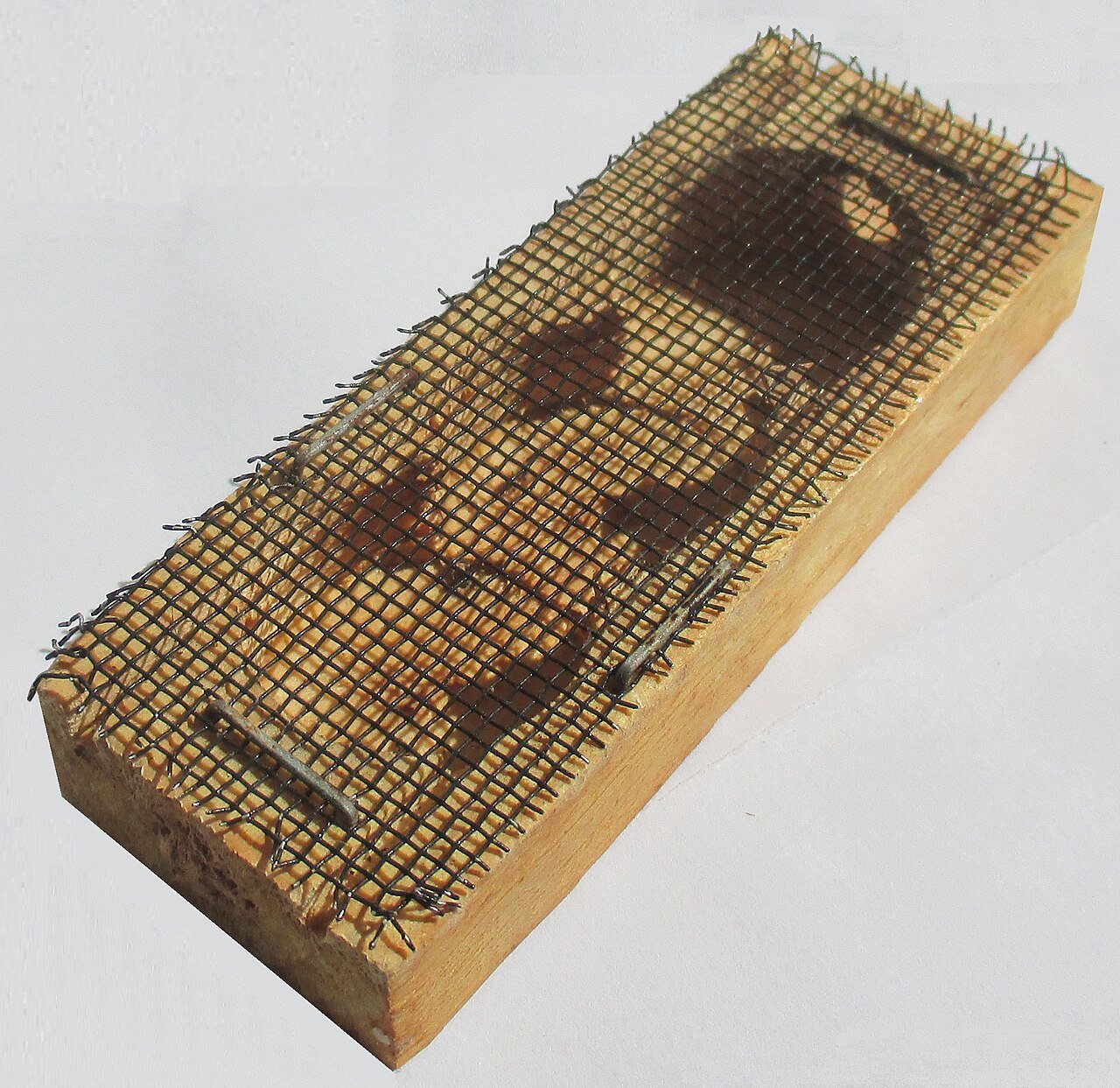
- Benton invented the mailing cage that bears his name, a small compartmentalized cage for safely shipping a queen and her attendant worker bees through the mail — a design whose basic three-chamber logic is still used in queen cages today.
- He authored USDA Farmers’ Bulletin No. 1, “The Honey Bee: A Manual of Instruction in Apiculture” (1896), one of the earliest official U.S. government publications on beekeeping.
Table of Contents
- From Michigan Farm Boy to USDA Bee Explorer
- 1883: Verifying Cyprian and Carniolan Queens in Carniola
- 1905: The Caucasus and Caucasian Bees
- The Benton Cage: Still in Use Today
- Benton’s Government Publications
- Why the Import Pipeline He Built Later Got Shut Down
- Frequently Asked Questions
From Michigan Farm Boy to USDA Bee Explorer
Frank Benton was born in Coldwater, Michigan, on July 5, 1852, and died in Fort Myers, Florida, on February 28, 1919. He earned bachelor’s and master’s degrees from Michigan State Agricultural College and studied further at the University of Tennessee, Ludwig-Maximilians-Universität in Munich, and the University of Athens — an unusually international education for an American beekeeping figure of his era, and one that turns out to explain a great deal about the career that followed. Benton became a member of the Bureau of Entomology within the United States Department of Agriculture, where his specific job, for over a decade, was to travel abroad locating, verifying, and shipping honey bee stock back to American breeders.
1883: Verifying Cyprian and Carniolan Queens in Carniola
American beekeepers in the late 19th century were eager for new bee genetics, but importing queens from overseas came with a serious verification problem: how could a buyer in Ohio or Michigan know that a queen shipped from the eastern Mediterranean had actually mated with drones of the advertised race, rather than some unknown local mongrel? Benton’s answer was to go and personally supervise the mating himself. In 1883, he arranged the first controlled matings of Cyprian queens with Carniolan drones in Carniola — the historical region that gave the Carniolan bee its name, in what is now Slovenia — guaranteeing, in a way no amount of paperwork could, that the resulting queens were genuinely what they were sold as.
1905: The Caucasus and Caucasian Bees
Benton’s importing work wasn’t limited to the eastern Mediterranean. In 1905, he traveled to the Caucasus region, visiting Georgia specifically, and became one of the two most prominent figures responsible for importing Caucasian honey bees (Apis mellifera caucasia) into the United States. He also traveled to Palestine to investigate the bee industry there, work that, according to a contemporary 1914 account, contributed to establishing “Holy Land” bees as a strain scattered across parts of the United States. Separately, his research into the giant Asian honey bee, Apis dorsata, took him to India, where he reportedly contracted “jungle fever” in the course of his fieldwork — a reminder that this was genuinely difficult, health-risking travel, not desk research.
The Benton Cage: Still in Use Today
Shipping a live queen bee internationally by mail in the 1890s posed an obvious engineering problem: the cage needed to protect the queen, allow her attendant workers to feed and care for her, provide food for a journey that could take days or weeks, and still fit through the ordinary postal system. Benton’s solution, now known as the Benton cage, met all of those requirements with a simple compartmentalized wooden design. It became the invention he’s most remembered for among beekeepers today, and the underlying logic — separate chambers for the queen and her attendants, plus a food supply built directly into the cage for the journey — is still recognizable in the mailing and introduction cages sold to beekeepers now, even though materials and exact construction have evolved.
Benton’s Government Publications
Beyond his fieldwork, Benton authored USDA Farmers’ Bulletin No. 1, titled “The Honey Bee: A Manual of Instruction in Apiculture,” published in 1896 — one of the earliest official U.S. government publications dedicated to beekeeping, aimed at giving American farmers a reliable, federally backed reference at a time when good written beekeeping instruction wasn’t easy to come by. He also wrote a separate work titled simply Bee-Keeping. Both publications reflect the same instinct that shaped his importing career: a belief that American beekeeping needed direct, verified, institutionally backed information rather than word-of-mouth and guesswork.
Why the Import Pipeline He Built Later Got Shut Down
Benton’s entire career depended on something that stopped being possible less than two decades after his USDA tenure ended: the routine, open importation of live queen bees from overseas. The Honeybee Act of 1922, passed to keep the tracheal mite epidemic then devastating British beekeeping out of the United States, effectively closed the same import pipeline Benton had spent years building and verifying — a story covered in full in this site’s history of the Honeybee Act of 1922. It’s a genuinely interesting historical hinge: the same era that produced deliberate, scientifically verified importation of new bee genetics also produced the disease scare that shut that exact practice down for the rest of the century.
Frequently Asked Questions
Who was Frank Benton?
Frank Benton (1852–1919) was an American entomologist and USDA Bureau of Entomology researcher who spent over a decade traveling internationally to import and verify honey bee races — including Cyprian, Carniolan, and Caucasian bees — for American beekeeping.
What is the Benton cage?
It’s a compartmentalized mailing cage Benton invented for safely shipping queen bees and their attendant workers through the postal system, with a built-in food supply for the journey. Its basic design principle is still used in queen mailing cages today.
What bee races did Frank Benton import?
He was a major importer of Cyprian, Carniolan, and Caucasian (Apis mellifera caucasia) honey bees, and he also investigated “Holy Land” bees from Palestine and the giant Asian honey bee, Apis dorsata, in India.
Did Frank Benton write any official government publications?
Yes. He authored USDA Farmers’ Bulletin No. 1, “The Honey Bee: A Manual of Instruction in Apiculture” (1896), one of the earliest official U.S. government beekeeping publications, as well as a separate book titled Bee-Keeping.
Why did the kind of importing Benton did eventually stop?
The Honeybee Act of 1922 restricted live honey bee imports into the United States to prevent a mite-borne epidemic devastating British colonies from reaching American bees, effectively ending the open import trade Benton had spent his career building.
For additional context, see Frank Benton’s own USDA Farmers’ Bulletin.