Published August 31, 2026
Table of Contents
- What State Apiary Inspection Programs Actually Do
- Why These Programs Exist
- Registration Requirements Vary Dramatically by State
- What an Inspector Actually Checks
- Is There a Cost?
- Why This Matters for Interstate Sales and Shipping
- How to Find Your State’s Specific Requirements
- Benefits Beyond Simple Compliance
- Who Especially Needs to Pay Attention
- How to Actually Request an Inspection
- The Historical Roots of These Programs
- What Happens If a Disease Is Actually Found
- Special Considerations for Migratory Beekeepers
- How Local Clubs Fit Into This System
- Consequences of a Lapsed or Missed Registration
- When New Beekeepers Should Register
- Interaction With Local Zoning and Municipal Rules
- Keeping Your Own Compliance Records
- Staying Informed About Emerging Regional Threats
- Staying Informed About Emerging Threats
- Common Mistakes
What State Apiary Inspection Programs Actually Do
Most U.S. states operate some form of apiary inspection and registration program, typically run through the state Department of Agriculture, designed to monitor honey bee colonies for regulated diseases, parasites, and pest introductions, and in many states requiring beekeepers to register their colonies annually. These programs vary considerably in scope and requirements from state to state, and understanding your specific state’s actual rules — rather than assuming a national standard exists — is genuinely important for legal compliance.
Why These Programs Exist
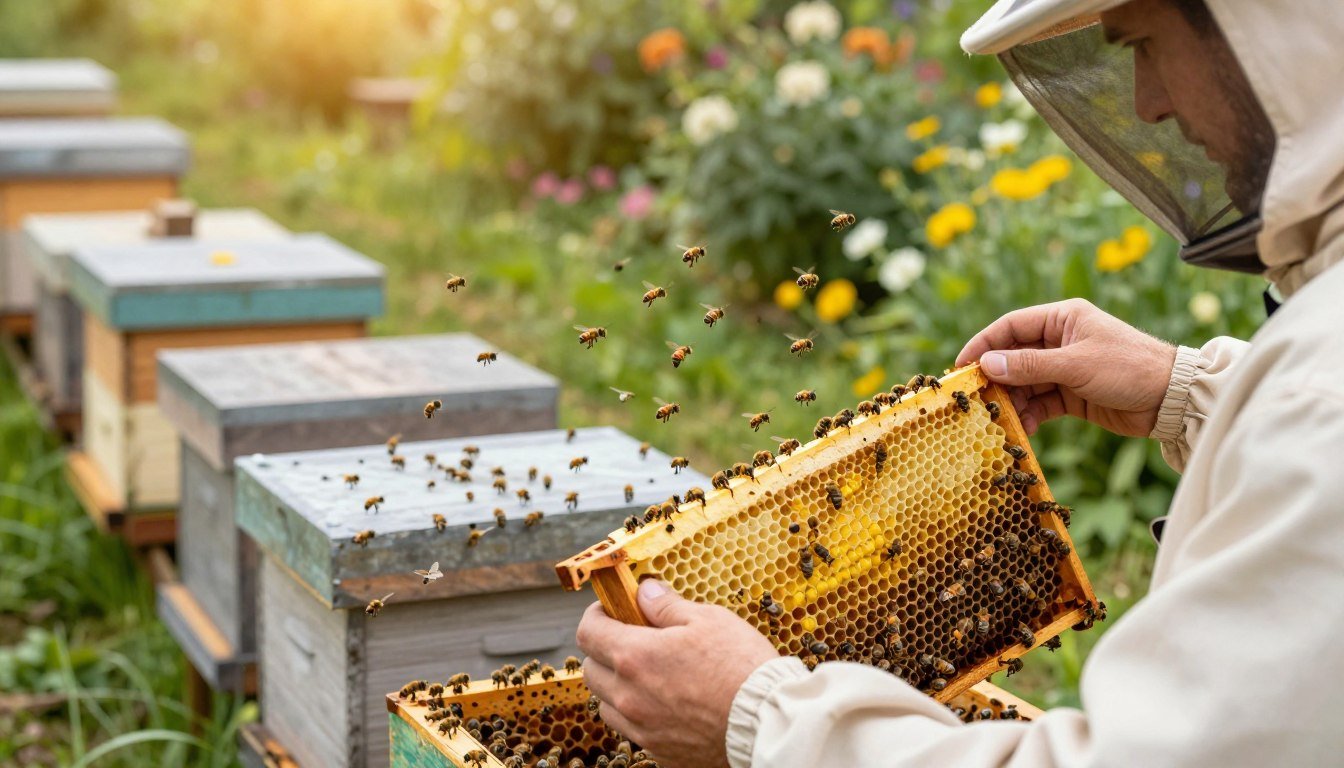
State apiary programs exist primarily to prevent the introduction or spread of regulated honey bee diseases, parasites, and undesirable genetics across a state’s beekeeping population, functioning as an early-detection and containment system state agriculture departments consider genuinely important for protecting both commercial and hobbyist beekeeping industries. Apiary inspectors are often described as the first line of defense against colony health threats spreading undetected across a region.
Registration Requirements Vary Dramatically by State
Requirements differ substantially: Connecticut and Ohio require annual registration for any beekeeper regardless of colony count, Pennsylvania requires registration at a modest biennial fee covering all apiaries a person owns, Idaho only requires registration for commercial beekeepers above a specific colony-count threshold (50+), and Wisconsin currently has no colony registration requirement at all. This genuine variation means secondhand general advice about “the” registration requirement is unreliable — your specific state’s actual current rule is the only information that matters for your own compliance.
What an Inspector Actually Checks
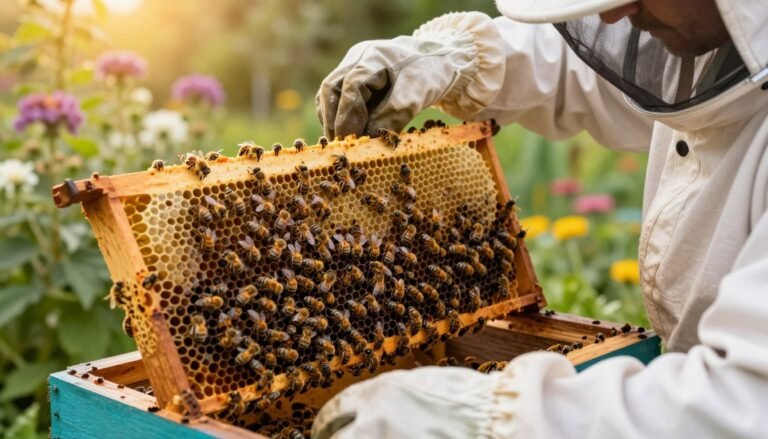
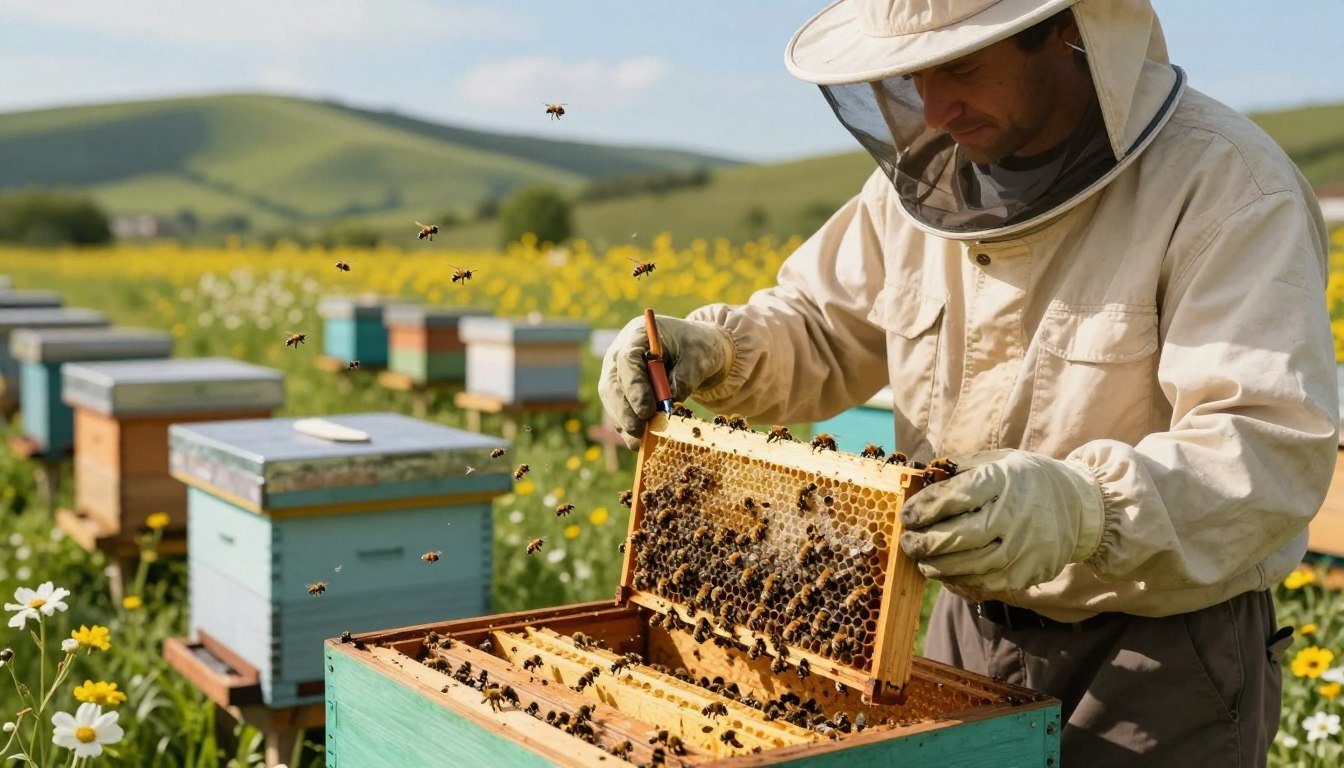
A typical apiary inspection involves examining a sample of colonies for visible signs of regulated diseases (like American or European foulbrood), assessing overall colony health and management condition, and sometimes collecting samples for laboratory testing of specific pathogens or pests depending on current regional concerns. Inspections are generally conducted collaboratively rather than punitively — most state programs frame inspection as a genuine health-monitoring service for beekeepers, not primarily an enforcement action.
Is There a Cost?
Registration fees, when required, are typically modest — often in the range of a nominal annual or biennial charge rather than a significant expense — and inspection services themselves are frequently provided free of charge to registered beekeepers in many states, reflecting the public-health-adjacent framing of these programs rather than a revenue-generating service. Checking your specific state’s current fee schedule directly, since these details do change periodically, is the reliable way to know actual current costs.
Why This Matters for Interstate Sales and Shipping
Beyond routine compliance, apiary registration and inspection documentation frequently becomes relevant when selling nucs or packages, participating in commercial pollination contracts crossing state lines, or receiving bees shipped from out of state, since destination states often require import documentation or health certificates beyond standard federal shipping rules covered in our guide to shipping bees by mail. Beekeepers planning any interstate bee sales or purchases should specifically check both their own state’s and the destination/origin state’s requirements well in advance.
How to Find Your State’s Specific Requirements
Your state Department of Agriculture’s website is the authoritative source for current registration requirements, inspection procedures, and any associated fees — searching “[your state] apiary registration” or “[your state] Department of Agriculture bee inspection” generally surfaces the correct official page directly. State beekeeping associations also frequently maintain summarized guidance on current state requirements, often with more beekeeper-friendly plain-language explanations than the raw regulatory text itself.
Benefits Beyond Simple Compliance
Beyond fulfilling a legal requirement where one exists, participating in state apiary programs connects beekeepers to genuinely useful resources — free disease diagnosis, regional pest-alert notifications, and sometimes direct access to extension specialists — that registered beekeepers benefit from beyond the inspection itself. Treating registration purely as a compliance chore, rather than recognizing this genuine access benefit, undersells what many state programs actually offer participating beekeepers.
Who Especially Needs to Pay Attention
Commercial and sideline beekeepers selling nucs, packages, or queens, anyone participating in interstate pollination contracts, and beekeepers in states with mandatory annual registration regardless of colony count all need to actively track their specific compliance requirements. A hobbyist in a state with no registration requirement (like Wisconsin) has genuinely less to track, though even there, voluntary participation in available inspection services can still offer real value.
How to Actually Request an Inspection
In states offering inspection services, beekeepers typically request a visit directly through their state Department of Agriculture’s apiary program contact, often via a simple online form, phone call, or email, rather than inspections happening unannounced or purely on the department’s own schedule. Requesting an inspection proactively — particularly if you suspect a disease issue, are preparing to sell nucs, or simply want a professional health check on your colonies — is a genuinely underused free resource many registered beekeepers don’t realize is available to them.
The Historical Roots of These Programs
Many state apiary inspection programs trace their origins back over a century to widespread concern about American foulbrood, a highly destructive bacterial brood disease that drove early state legislatures to establish formal inspection authority specifically to contain its spread before modern treatment options existed. Understanding this history helps explain why foulbrood detection remains a central focus of most state programs even today, alongside newer concerns like varroa mites and more recently identified pathogens.
What Happens If a Disease Is Actually Found
If an inspector identifies a regulated disease like American foulbrood, most state programs work collaboratively with the beekeeper on next steps, which may include mandated destruction of severely affected equipment (foulbrood spores are notoriously persistent and resistant to simple cleaning), quarantine of the affected apiary, or treatment guidance depending on the specific disease and its severity. This isn’t typically an adversarial enforcement process — most state apiarists genuinely aim to help beekeepers resolve the problem while also protecting neighboring apiaries from further spread.
Special Considerations for Migratory Beekeepers
Commercial beekeepers moving colonies across state lines for pollination contracts face additional layers of compliance beyond simple home-state registration, often needing current health certificates from their home state’s inspection program before other states will accept incoming colonies, particularly for large-scale operations like almond pollination in California, which has historically had strict entry requirements given its outsized concentration of visiting colonies each season. Migratory beekeepers should build inspection and certificate timing into their annual planning well ahead of contract season, not as a last-minute scramble.
How Local Clubs Fit Into This System
Local beekeeping clubs frequently serve as an informal information channel connecting members to state program requirements and updates, and experienced club members or a mentor (covered in our guide to finding a beekeeping mentor) can be a genuinely useful first resource for understanding practical, real-world compliance expectations in your specific area before diving into the formal regulatory text yourself. Clubs sometimes also coordinate group inspection requests or informational sessions with the state apiarist directly, making compliance meaningfully easier for newer members navigating the system for the first time.
Consequences of a Lapsed or Missed Registration
In states with mandatory annual or biennial registration, letting your registration lapse without renewing typically means falling out of legal compliance even if you haven’t made any changes to your actual beekeeping operation, and depending on the state, this can carry real consequences ranging from a simple compliance notice to more serious penalties for repeated or willful non-compliance. Setting a calendar reminder tied to your specific state’s renewal deadline is a simple, low-effort way to avoid this entirely preventable problem.
When New Beekeepers Should Register
Beekeepers just starting out should check their state’s specific registration requirement and timing before or immediately after acquiring their first colony, rather than treating it as something to sort out later once established, since registration deadlines in some states are tied to specific calendar dates (like Ohio’s June 1 deadline) rather than a rolling window from whenever you happen to start keeping bees. Building this check into your very first-season planning, alongside sourcing equipment and bees themselves, avoids an entirely avoidable compliance gap right from the start.
Interaction With Local Zoning and Municipal Rules
State apiary registration is a separate legal layer from any local municipal or HOA rules governing whether and how you’re allowed to keep bees at your specific property, meaning full compliance with state registration doesn’t automatically mean you’re also compliant with local zoning ordinances, and vice versa. Urban and suburban beekeepers specifically should check both layers independently, since state agricultural programs generally don’t track or enforce local zoning compliance as part of their own separate registration process.
Keeping Your Own Compliance Records
Maintaining your own simple records of registration dates, renewal deadlines, and any inspection visits or certificates received gives you a genuinely useful personal reference independent of state recordkeeping, particularly valuable if you’re ever asked to provide proof of current compliance for a sale, contract, or interstate shipment on short notice rather than needing to track down official records reactively.
Staying Informed About Emerging Regional Threats
State apiary programs often serve as an early-warning channel for emerging regional pest or disease threats, issuing alerts to registered beekeepers when a new concern is detected in the area — subscribing to your state program’s newsletter or alert system, where available, keeps you informed of developing regional situations that might affect your own management decisions well before the information reaches broader beekeeping media or informal community channels.
Common Mistakes
Assuming your neighboring state’s requirements (or a generic online summary) apply directly to your own state overlooks the real, substantial variation in registration rules across states. Skipping registration in a state where it’s legally required, whether from unawareness or assuming enforcement is unlikely, risks genuine legal and practical consequences beyond just the inspection benefit you’d also be missing. Failing to check destination-state import requirements before an interstate bee sale or shipment can create compliance problems for both buyer and seller that are entirely avoidable with basic upfront research.
Sources
Program structure and registration requirement details reflect published state Department of Agriculture apiary program documentation across multiple states including Connecticut, Pennsylvania, Ohio, Idaho, Wisconsin, and Utah.
FAQ
Do all states require beekeepers to register their colonies?
No — requirements vary significantly; some states require annual registration for any beekeeper, others only above a specific colony-count threshold, and at least one state (Wisconsin) currently has no registration requirement at all.
Is apiary inspection mandatory or optional?
This also varies by state — some programs conduct inspections routinely for registered beekeepers, while participation details differ; checking your specific state’s program directly is the only reliable way to know your actual obligations.
Does apiary registration cost money?
Where required, fees are typically modest, and inspection services themselves are often provided free to registered beekeepers in many states, though checking your state’s current fee schedule directly confirms exact current costs.
Why does this matter if I’m just selling a few nucs locally?
Even local sales can trigger registration or documentation requirements in some states, and any sale crossing state lines almost always involves additional compliance considerations beyond standard federal shipping rules.
Can I request an inspection even if my state doesn’t require registration?
Often yes — many state apiary programs offer inspection and disease-diagnosis services to any interested beekeeper regardless of whether formal registration is mandatory, so it’s worth checking with your state Department of Agriculture even if you’re not otherwise required to register.
Do apiary inspection results become public record?
Practices vary by state, but many programs treat individual inspection results as confidential to the beekeeper, using aggregated, anonymized data for broader regional pest and disease tracking rather than publishing individual apiary results publicly.